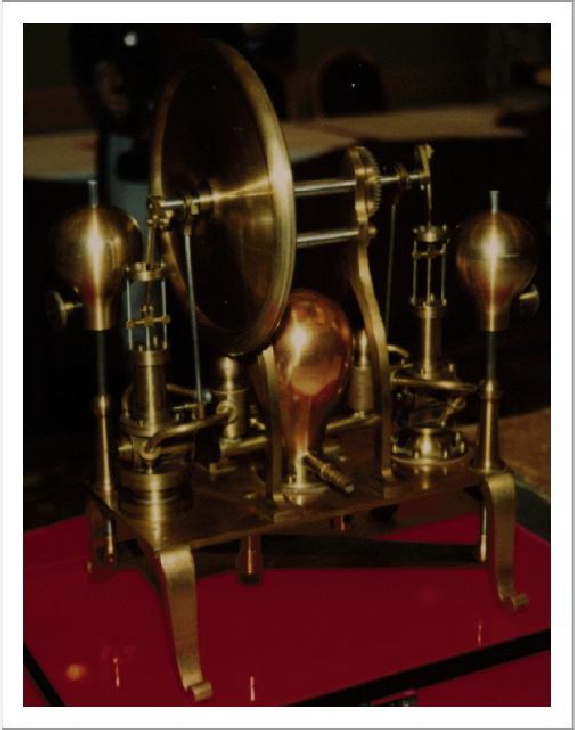
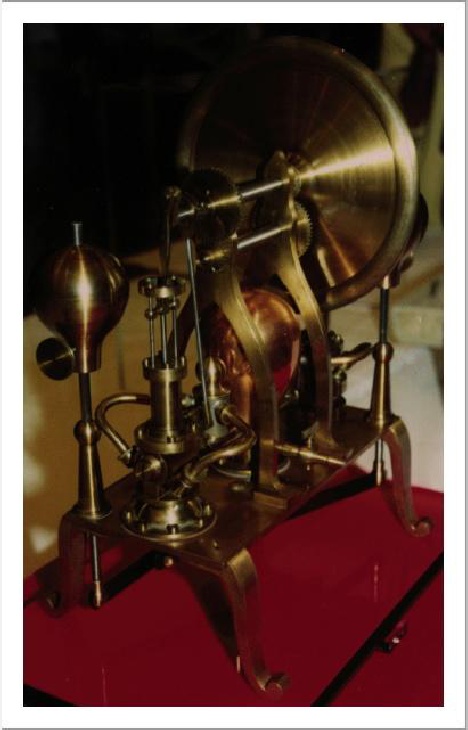
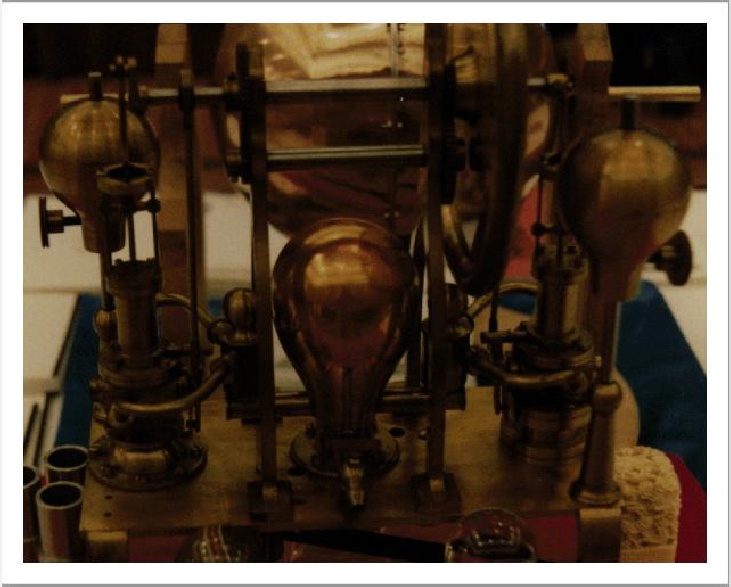
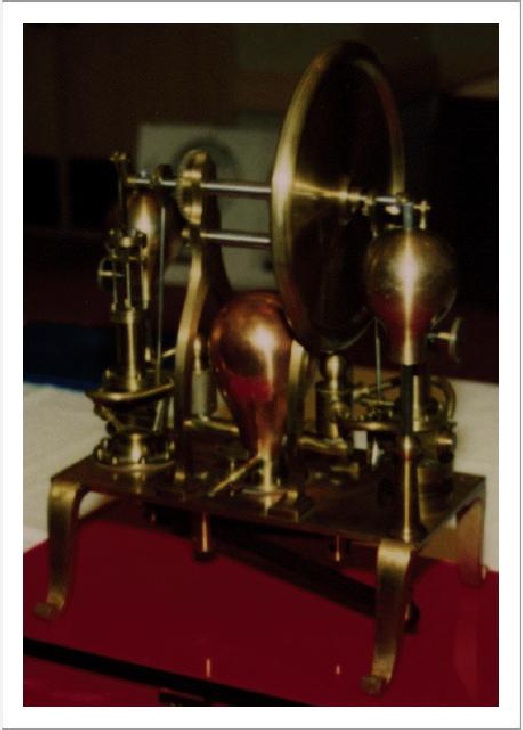
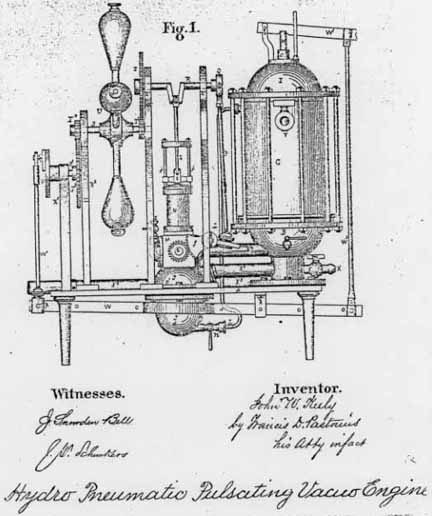
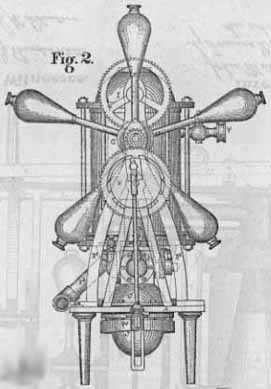
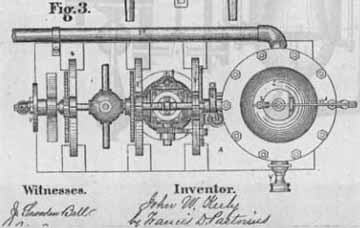
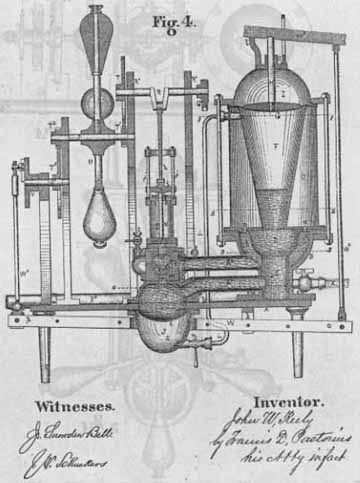
Goal
Generate a new motive power/energy source from water and air using vibratory etheric forces.
Problem
Need for a boundless, economical energy source beyond steam and conventional fuels.
Concept Summary
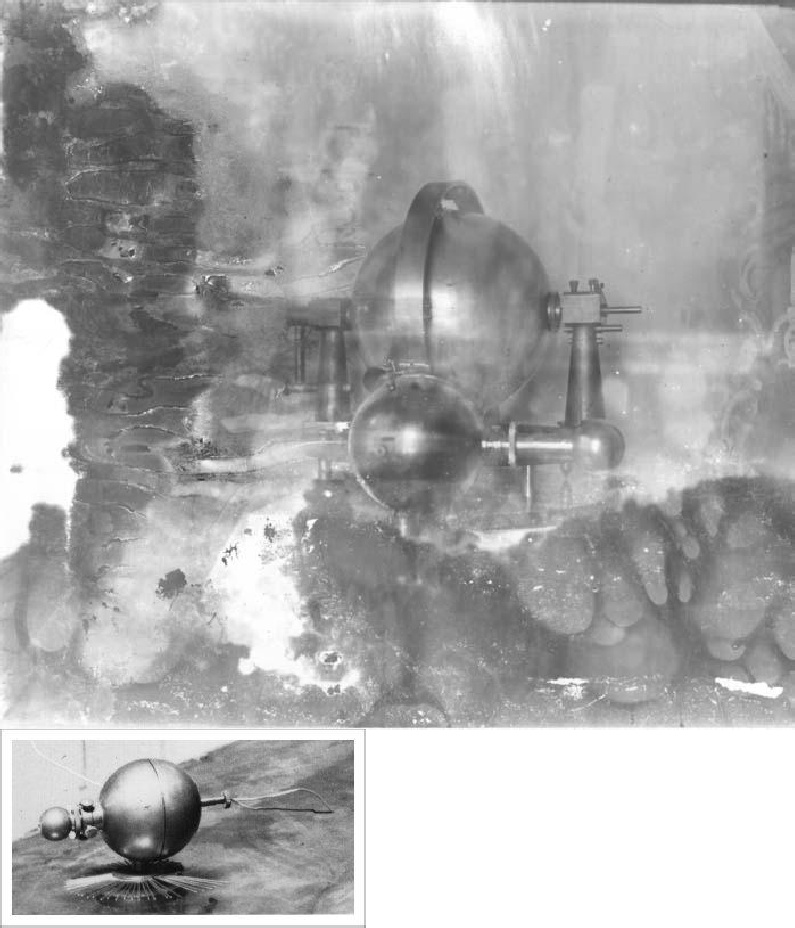
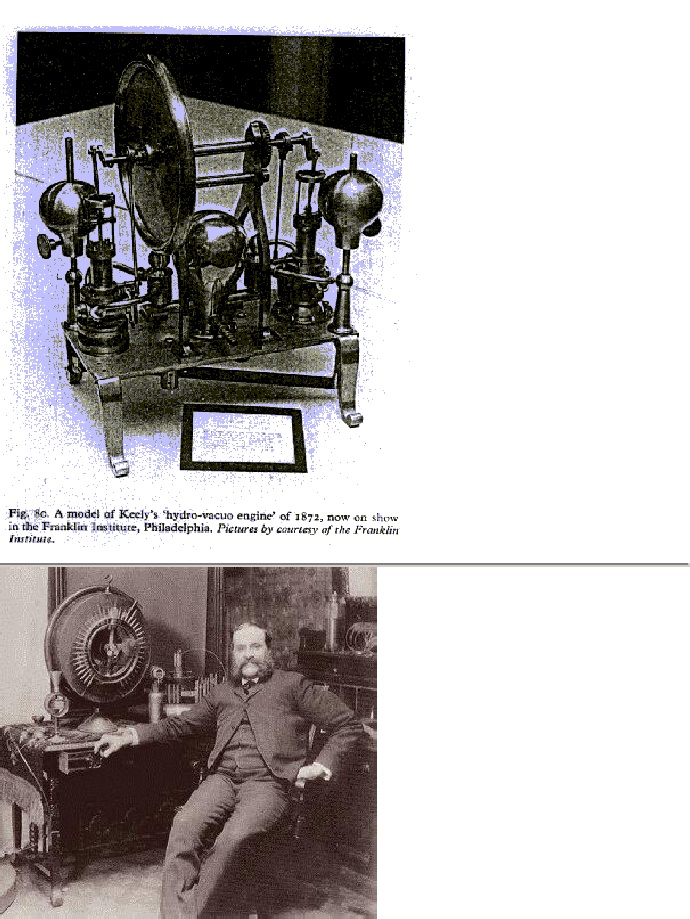
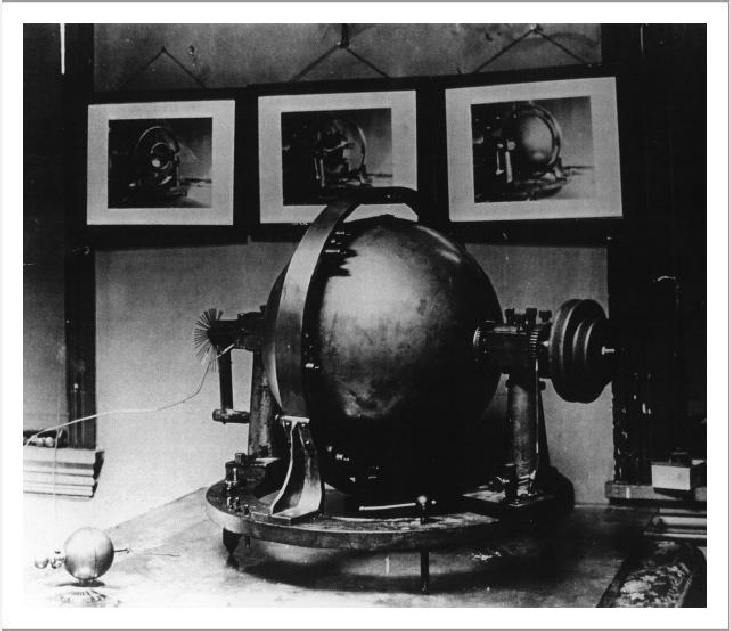
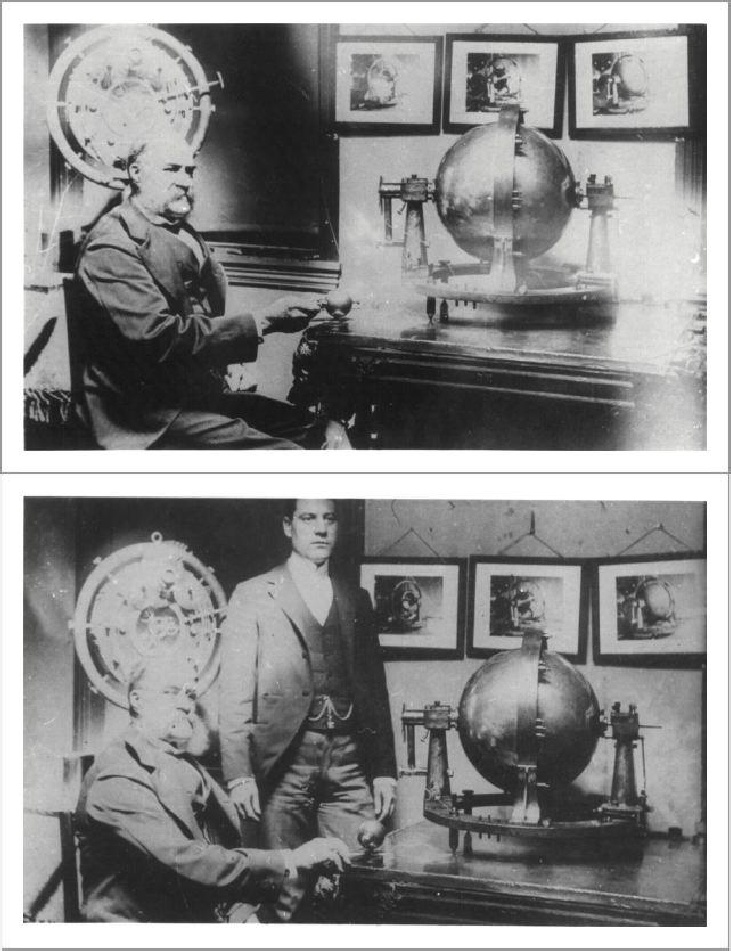
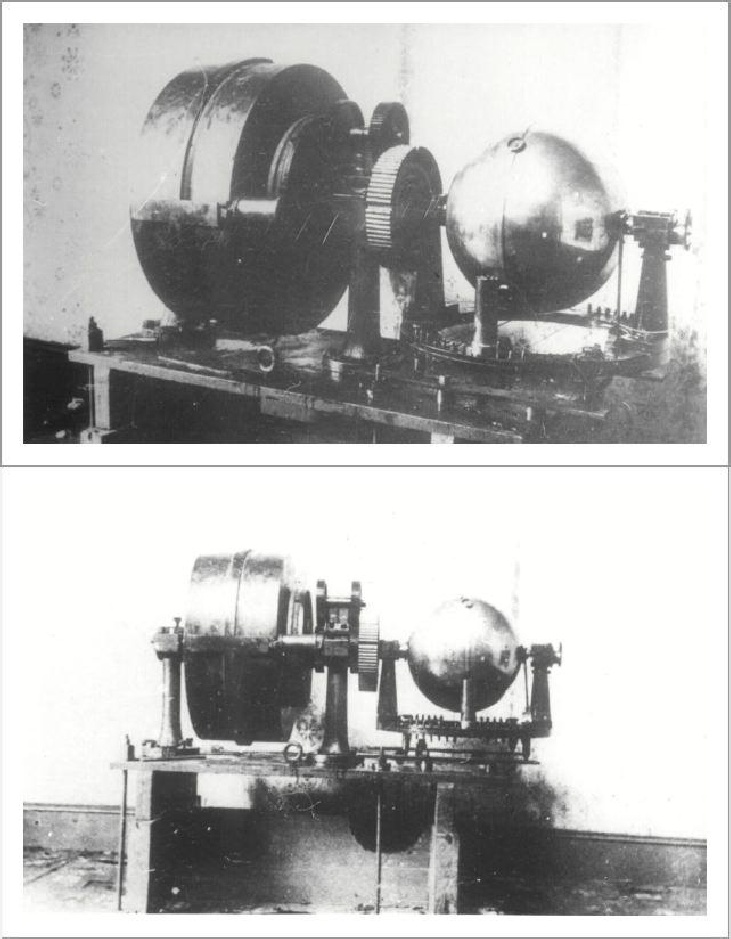
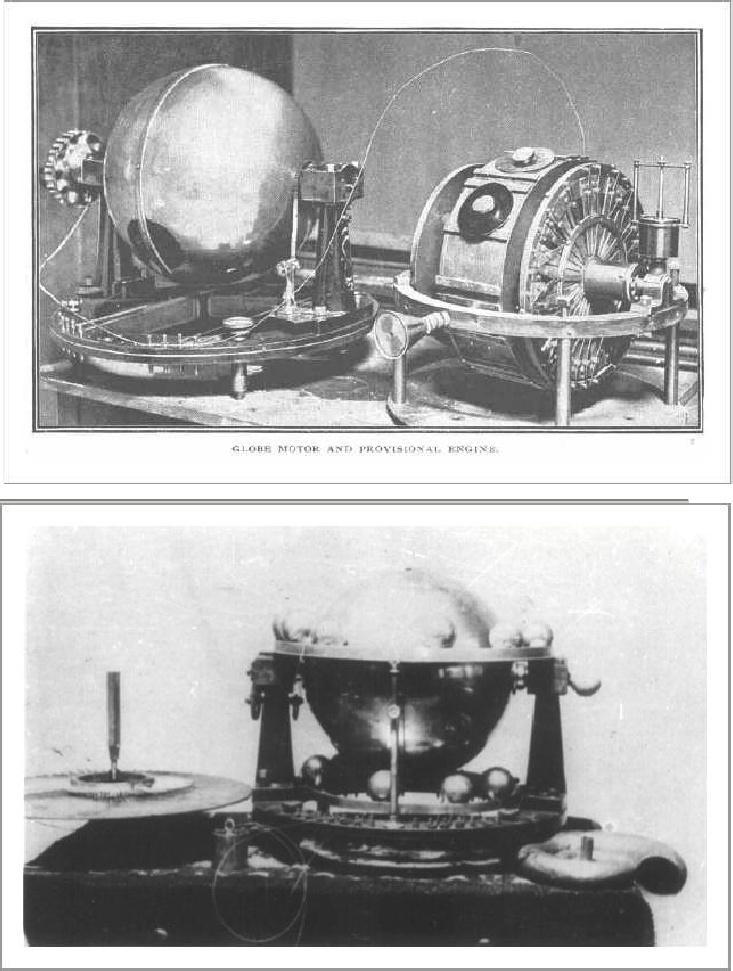
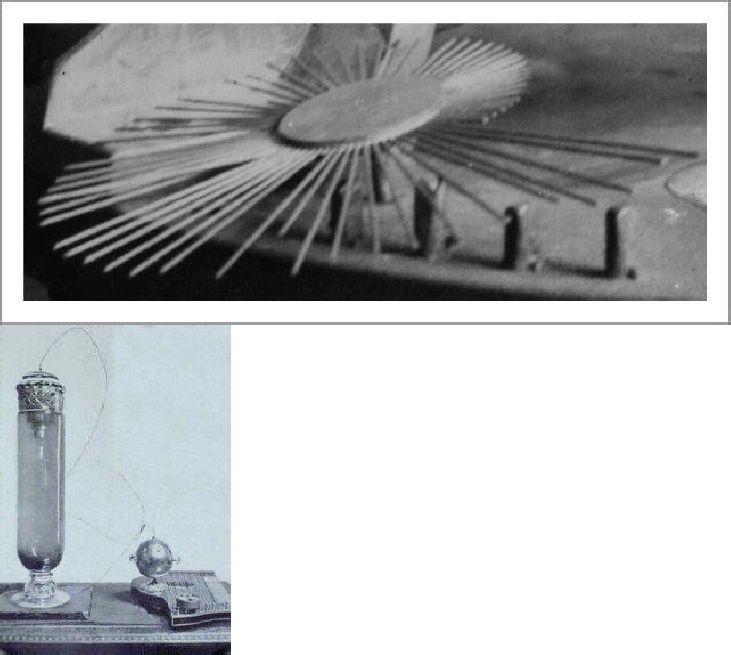
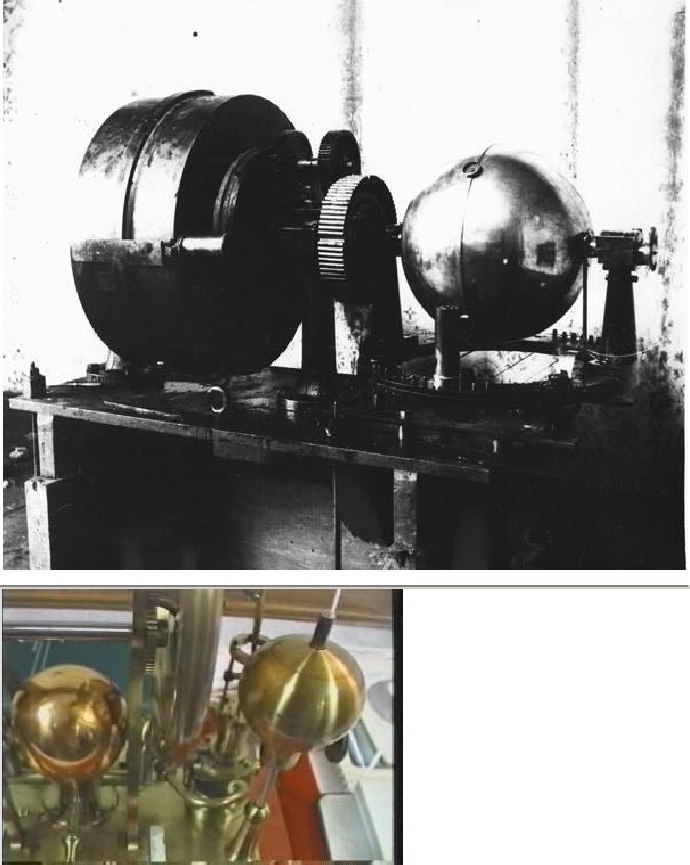
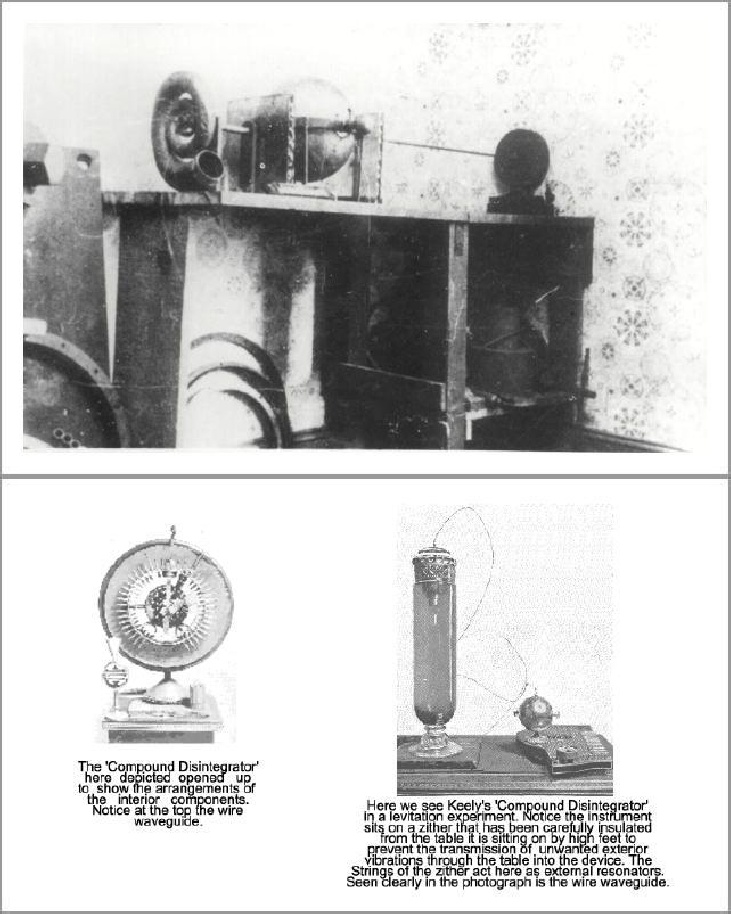
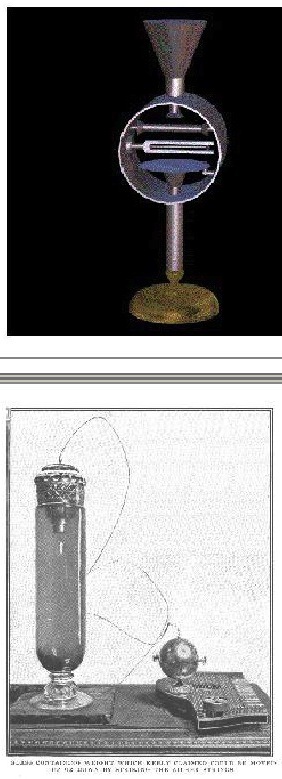
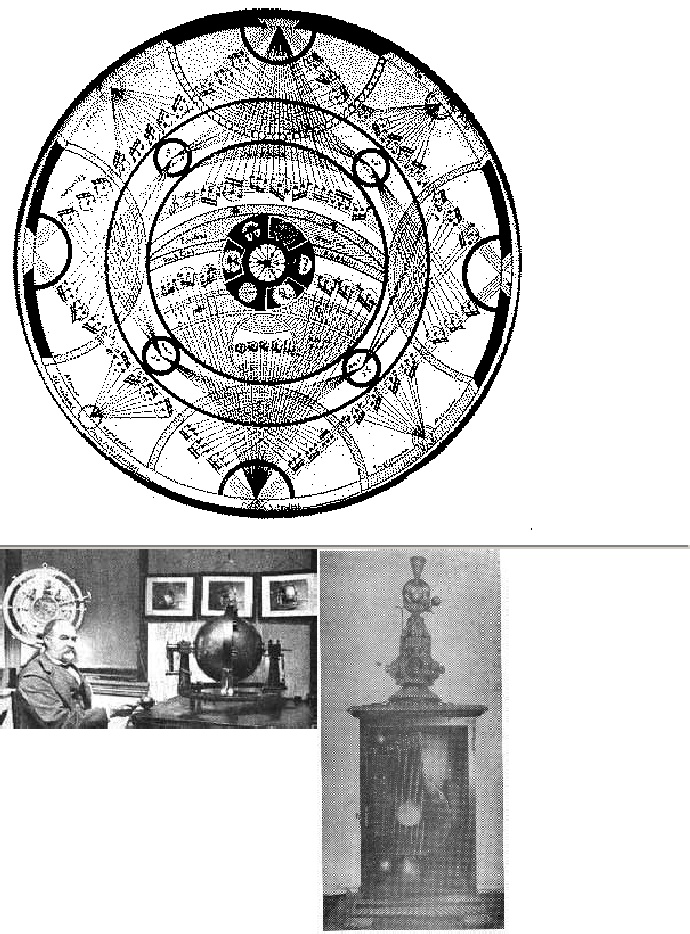
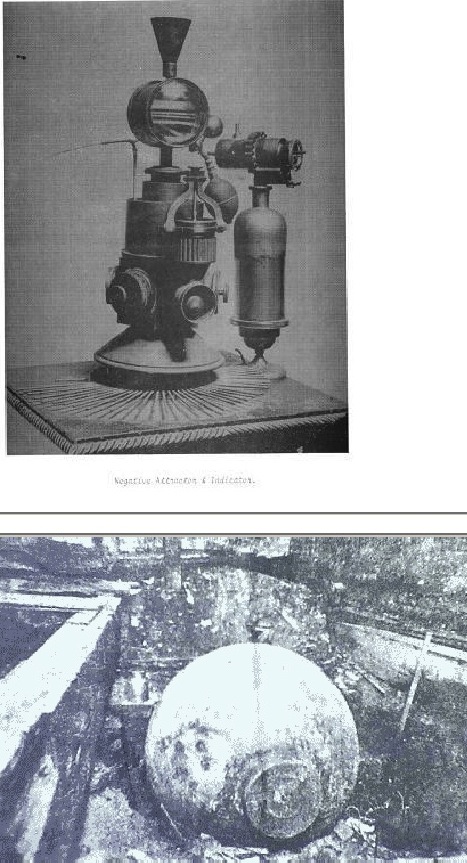
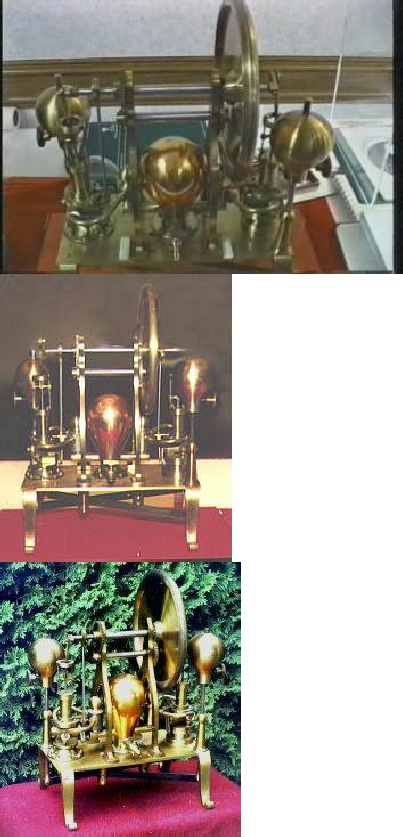
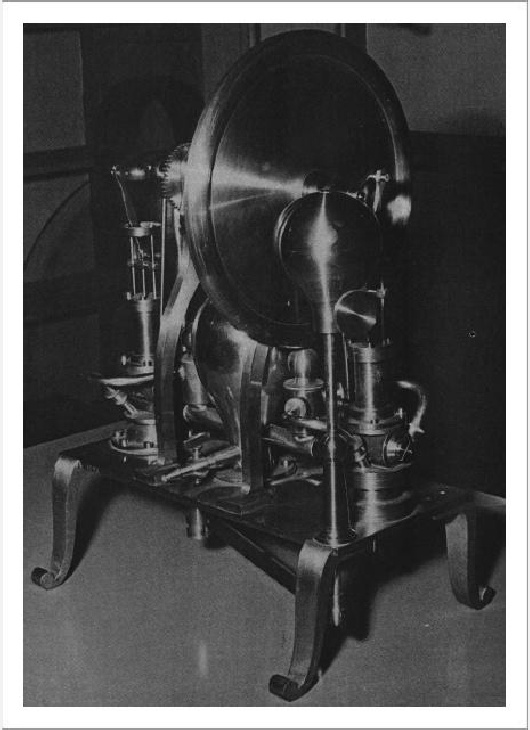
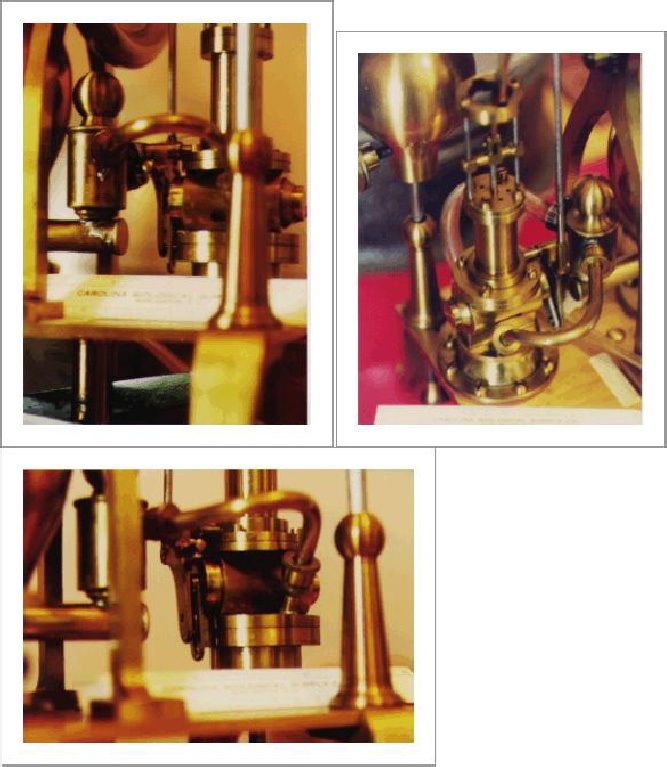
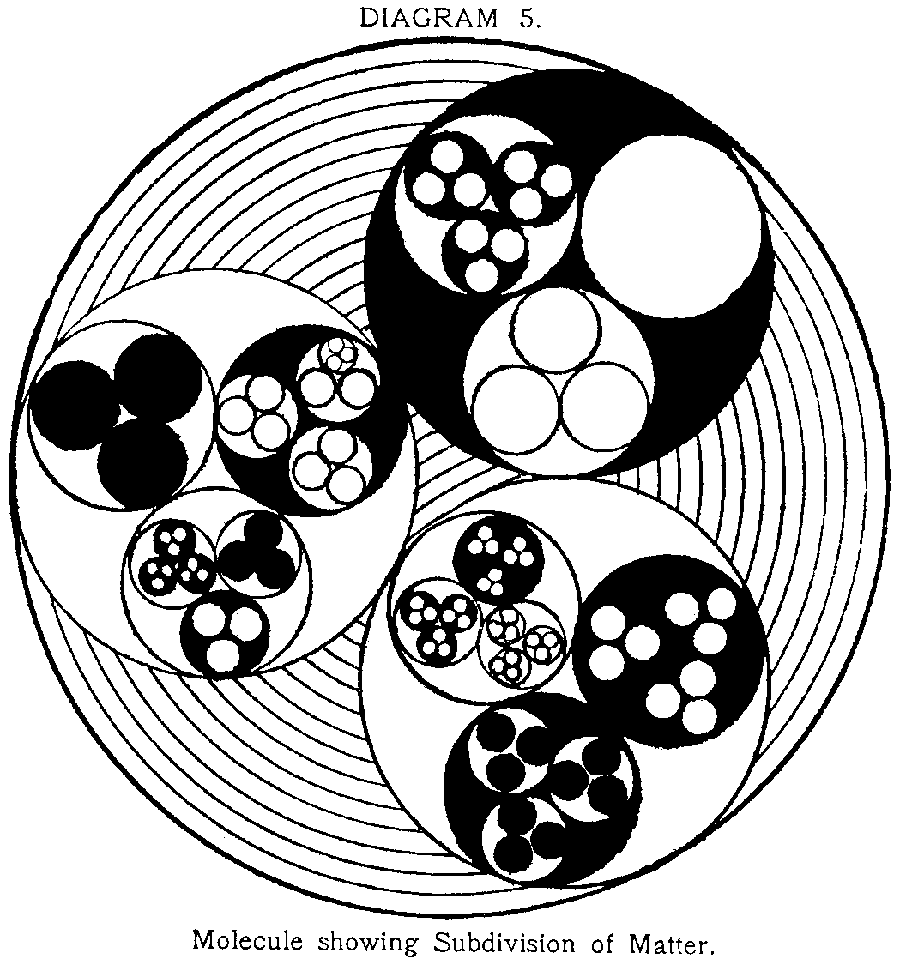
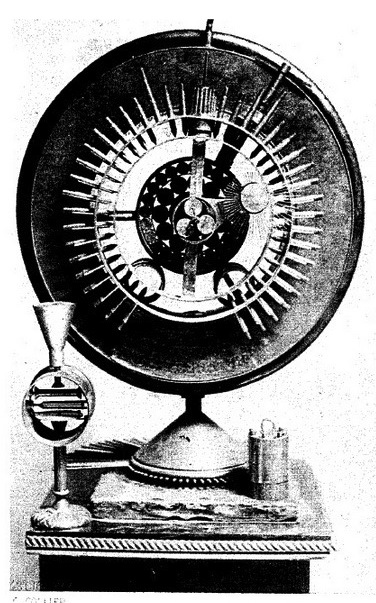
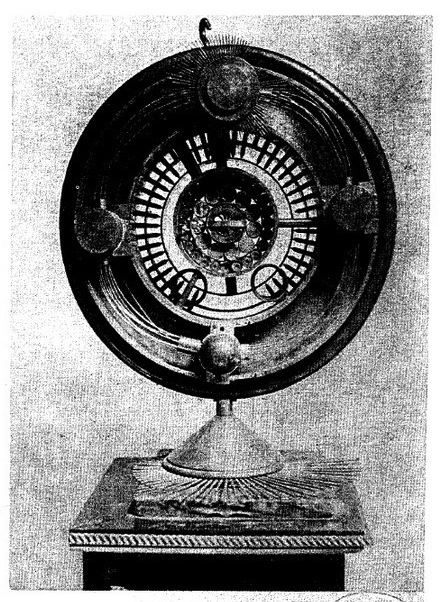
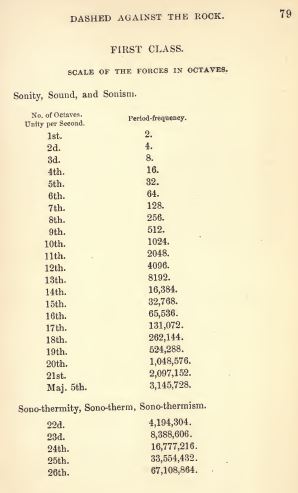
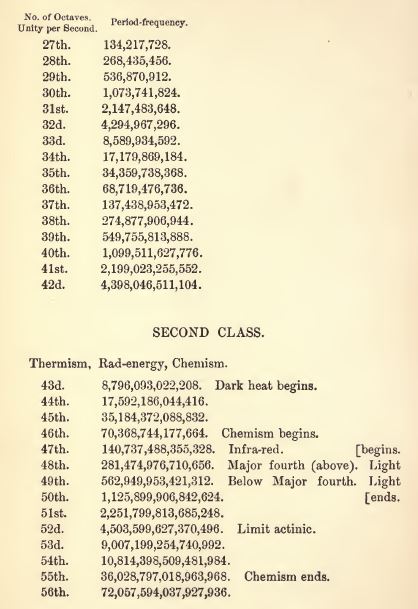
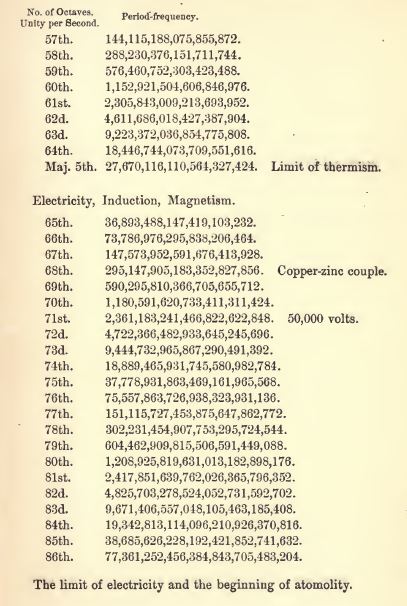
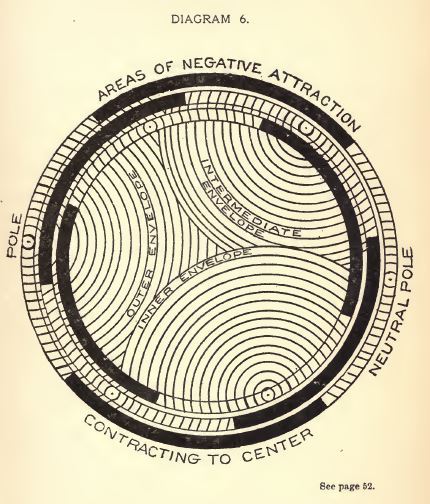
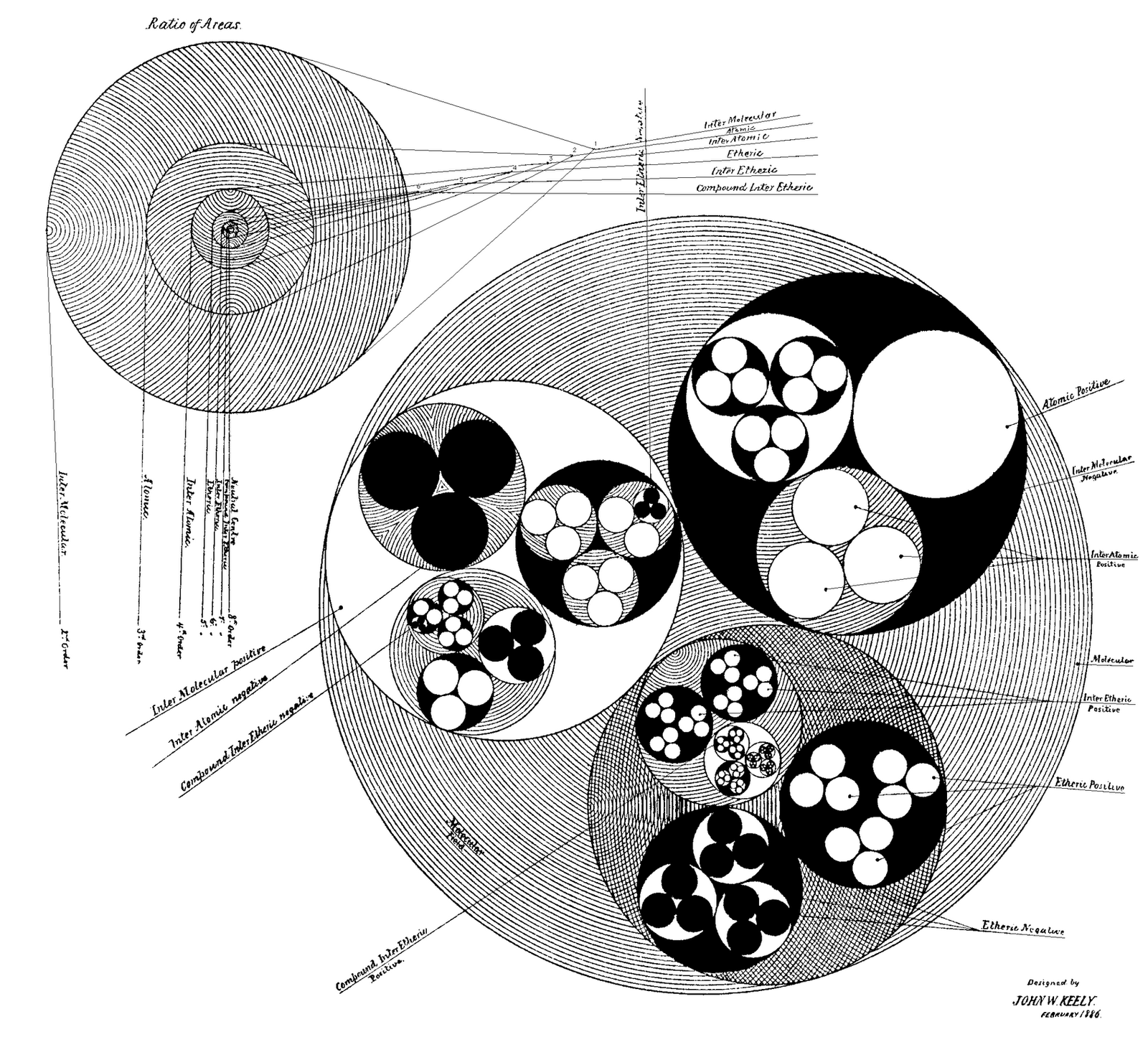
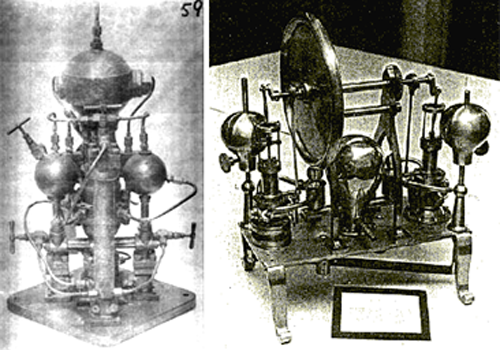
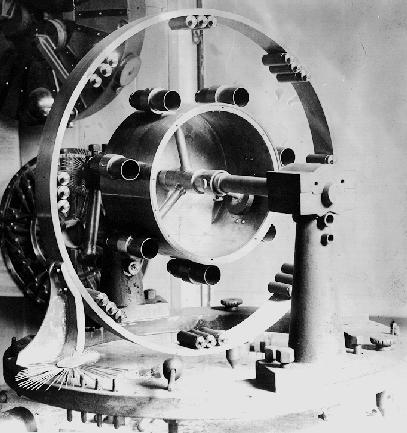
Keely claimed that by applying mechanical vibrations to water and air he could disintegrate them and produce an 'inter-atomic ether' or 'vaporic force' that generated extremely high pressures (up to tens of thousands of psi) and could power machinery, lift weights, or launch projectiles.
Principles
- Vibratory sympathy
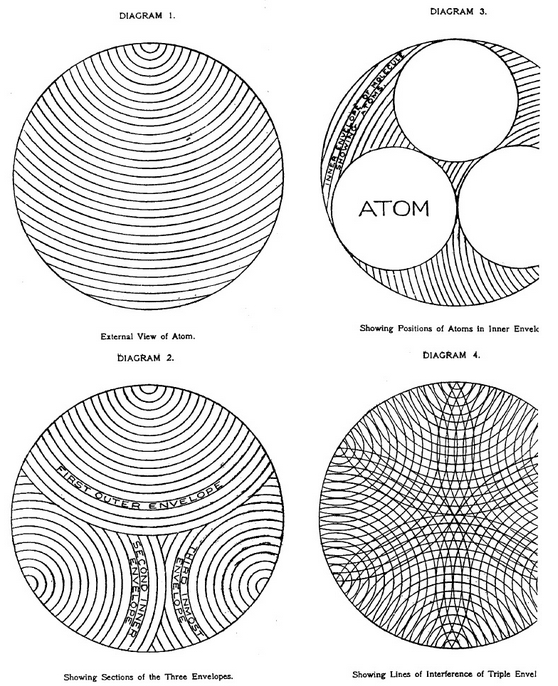
- Inter-atomic ether generation
- Mechanical disintegration of water and air
- Magnetic effect attached to ether
Scientific Domains
Materials
- Water
- Air
- Austrian gunmetal
Mechanisms of Action
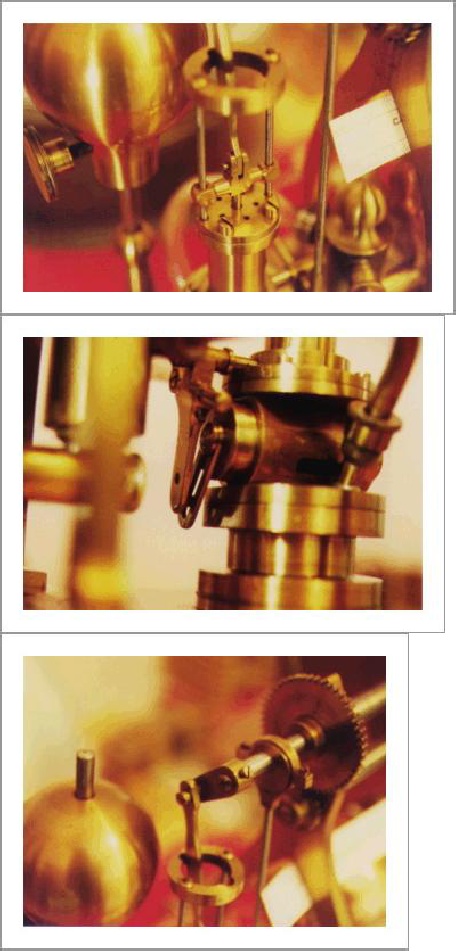
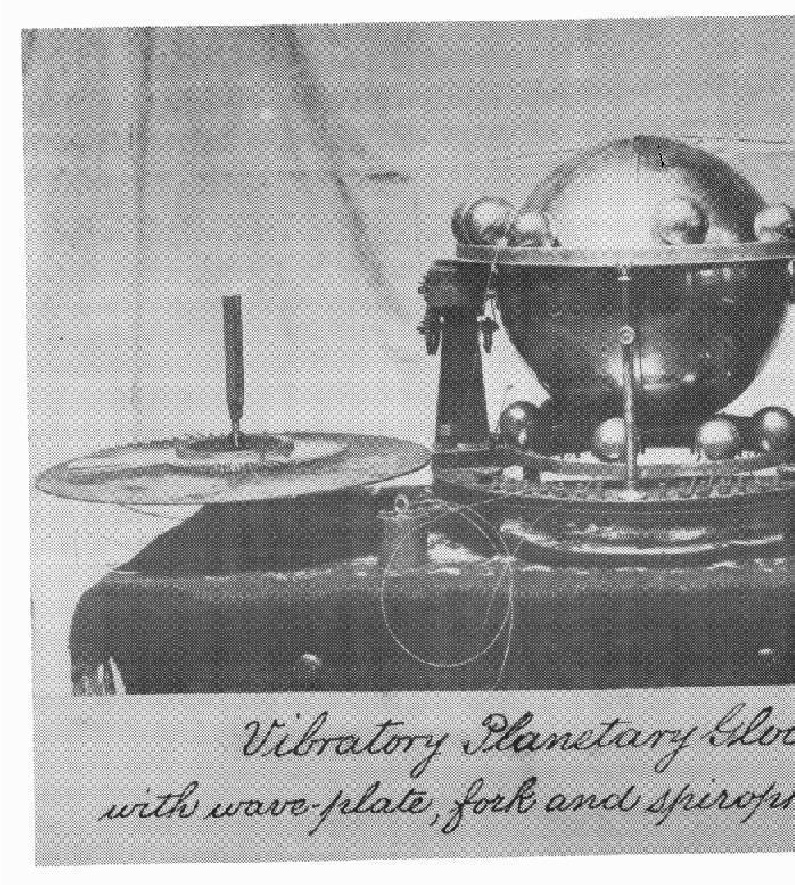
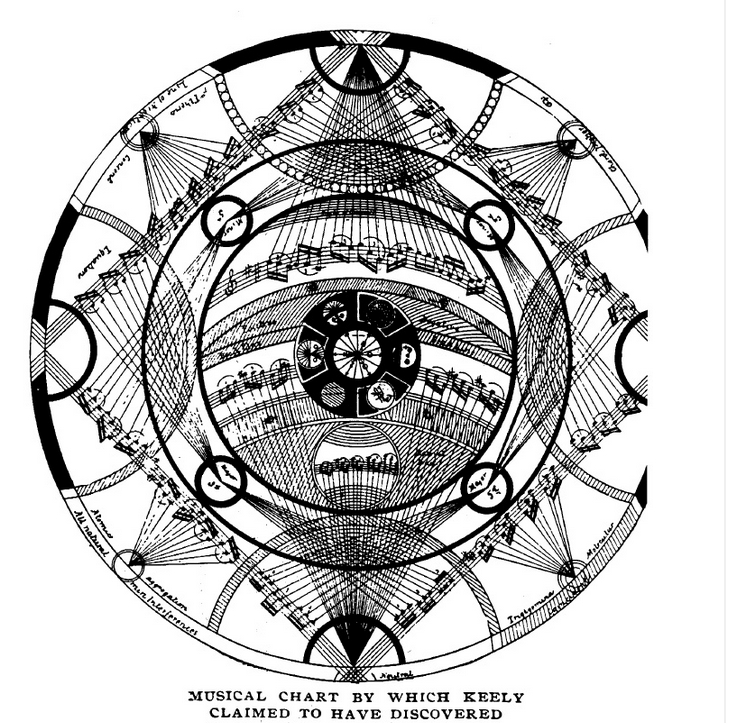
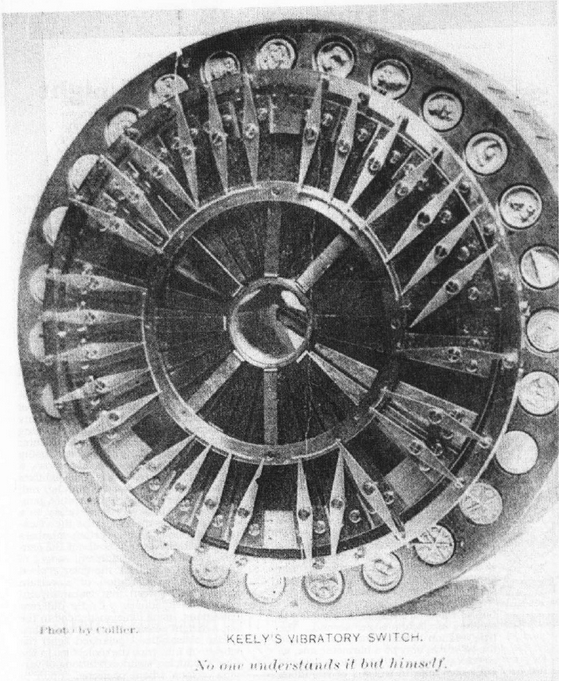
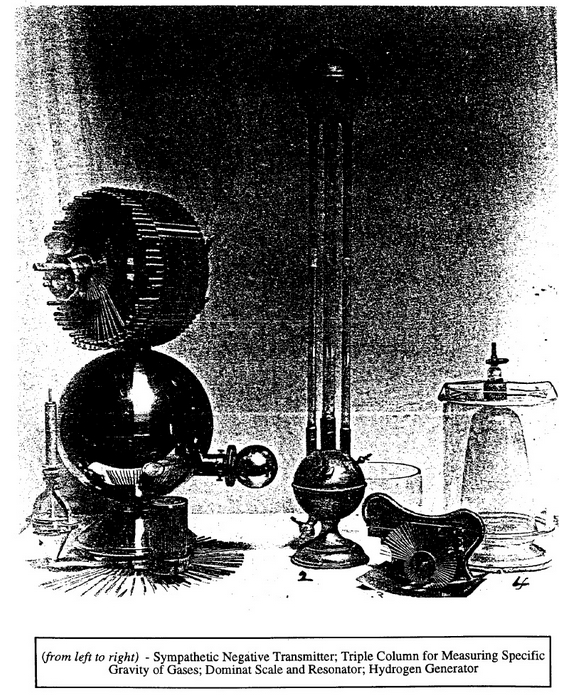
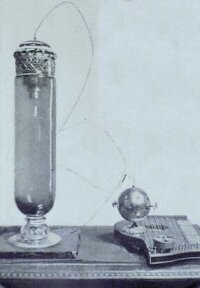
- Vibratory excitation of water/air using tuning forks or a violin bow
- Conversion of vibrational energy into a high-pressure etheric vapor
- Magnetic adhesion of ether to matter producing rotary power
- Pressure build-up in sealed chambers
Energy Sources
Applications
- Power generation
- Mechanical propulsion
- Industrial work
Claimed Performance
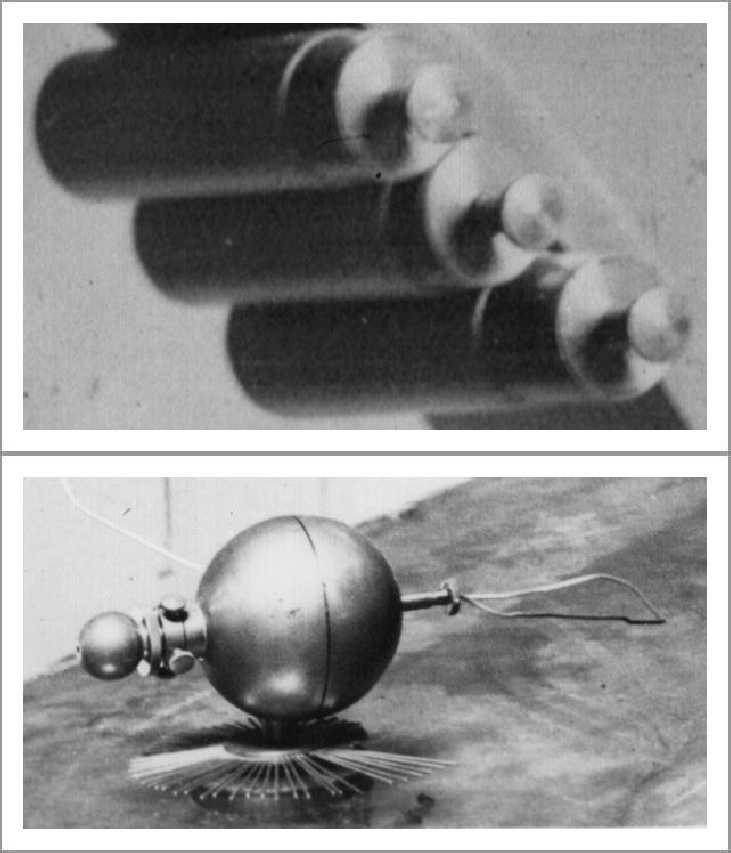
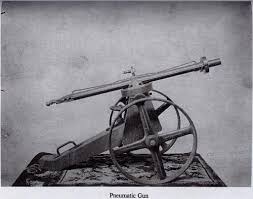
Pressures of 10,000 psi reported within 5 seconds; later claims of 50,000 psi. Vaporic gun projectiles reached 523 ft/s (159 m/s) and penetrated 3 in spruce. Device allegedly lifted weights and produced a vapor more powerful than steam.
Experimental Evidence
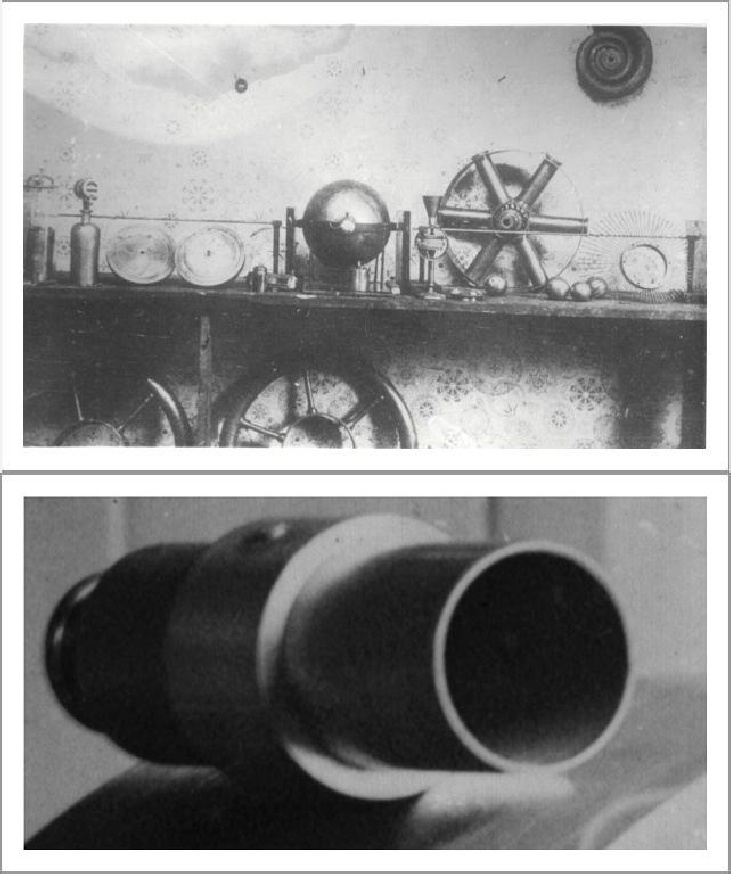
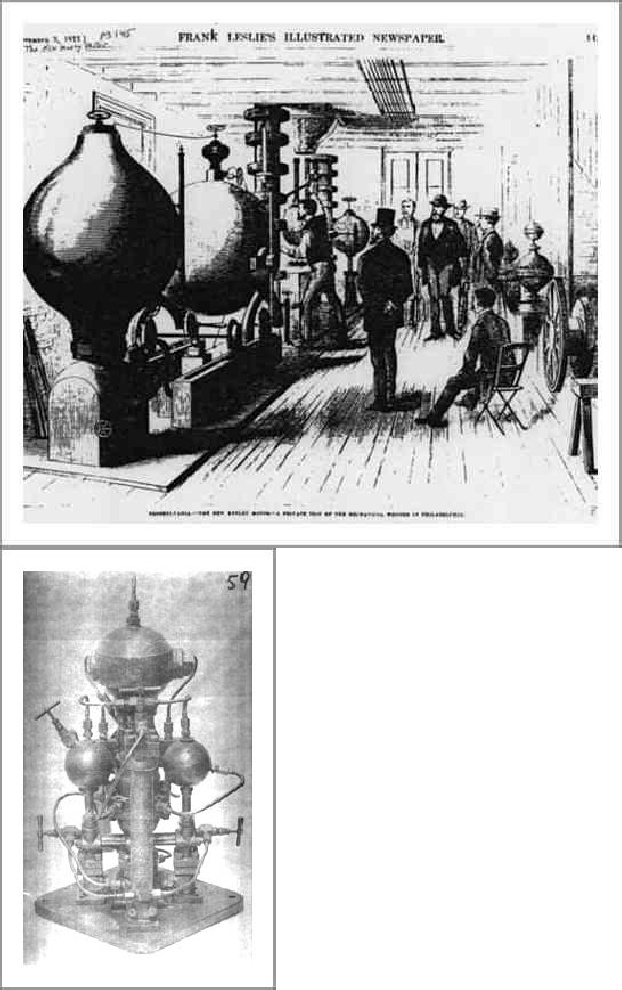
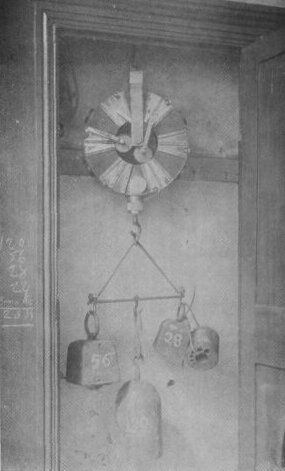
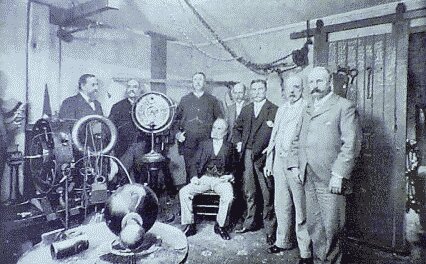
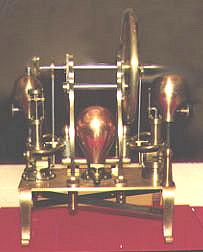
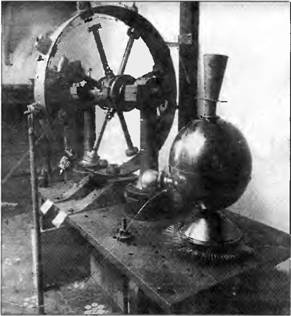
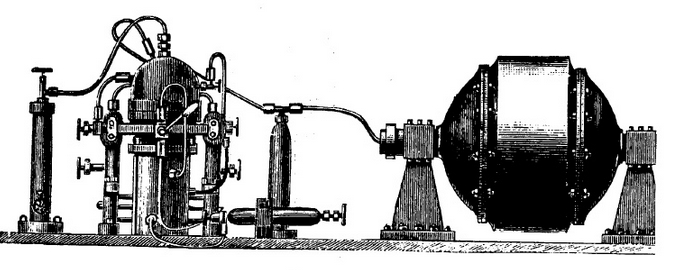
Keely demonstrated a generator that reached 10,000 psi on a pressure gauge, a vaporic gun that fired a lead ball 300 yd with velocities up to 523 ft/s, and a motor that lifted weights using the etheric vapor. Witnesses included journalists, engineers, and stockholders.
Limitations
- No disclosed operating principles
- Claims lack independent verification
- Potential for fraud or deception
- Inconsistent pressure measurements
Red Flags
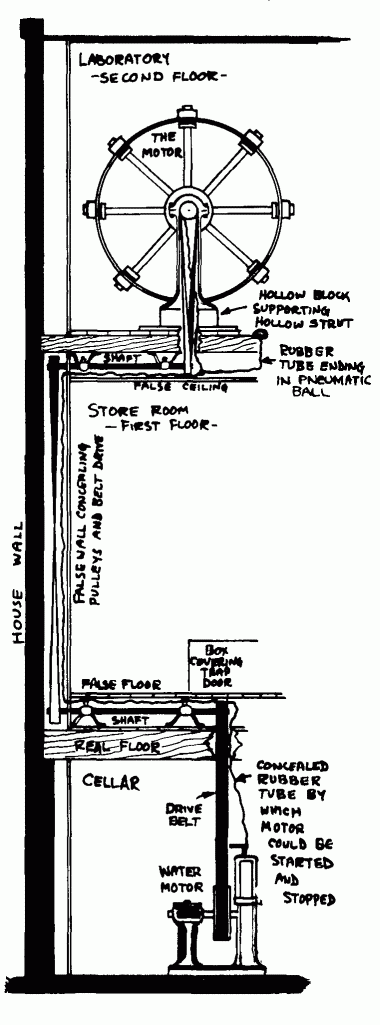
- Inventor was secretive and refused to reveal details
- Extraordinary energy claims without peer-reviewed data
- Historical accusations of deception
- No modern replication or validation