Goal
Eliminate harmful bacteria in packaged foods without heating or contaminating the package.
Problem
Food-borne illnesses caused by bacteria such as E. coli and Salmonella in packaged produce and other foods.
Concept Summary
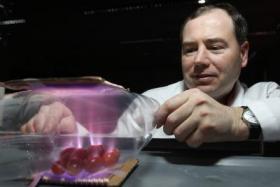
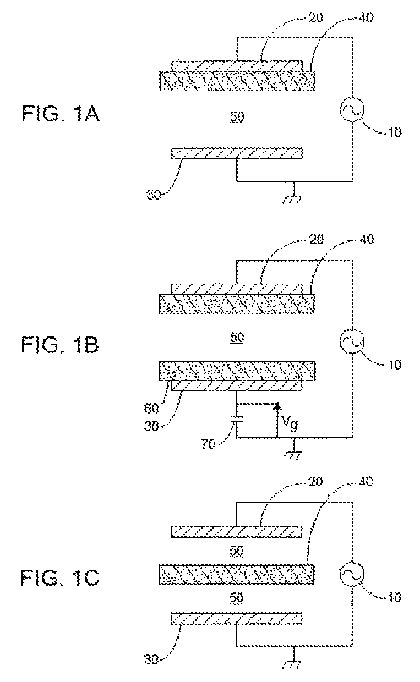
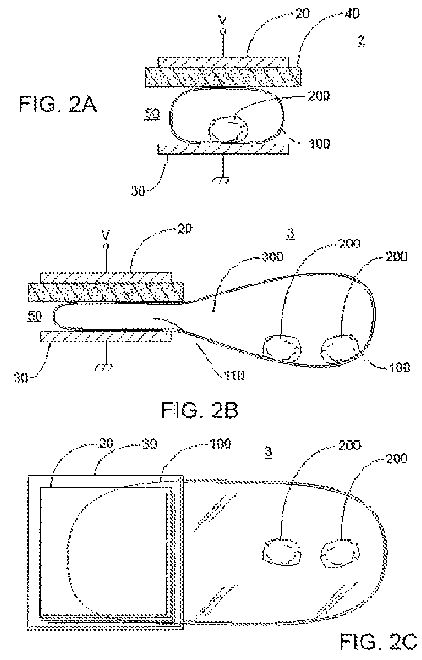
A high-voltage dielectric barrier discharge (DBD) creates a room-temperature plasma inside a sealed food package. The plasma ionizes the gases, producing ozone and other reactive oxygen species that kill bacteria. The system uses low-power electricity (30-40 W) and works with glass, plastic, and paper packaging.
Detailed Description
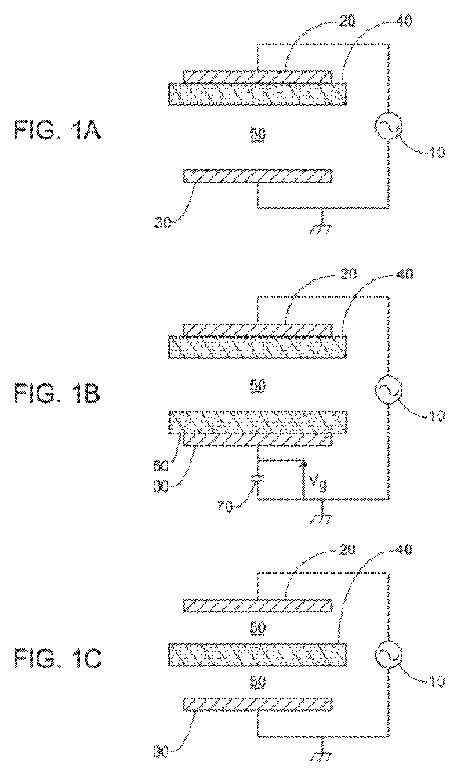
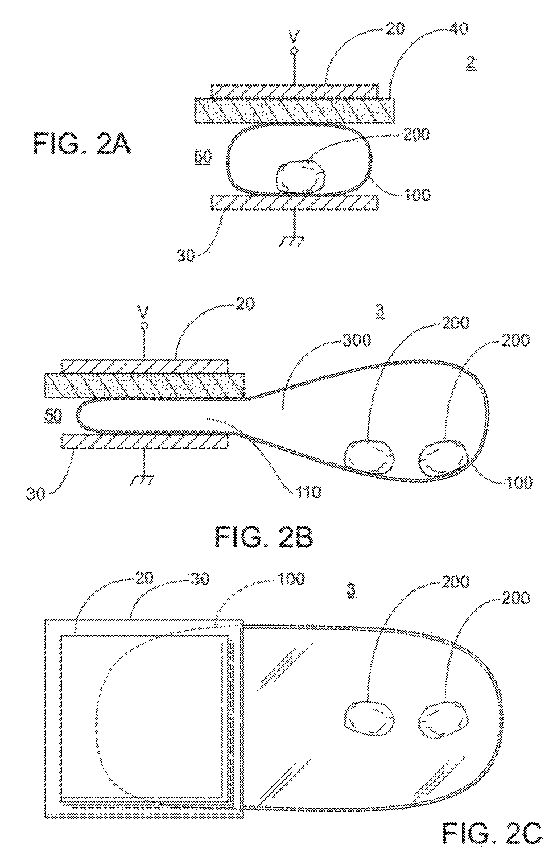
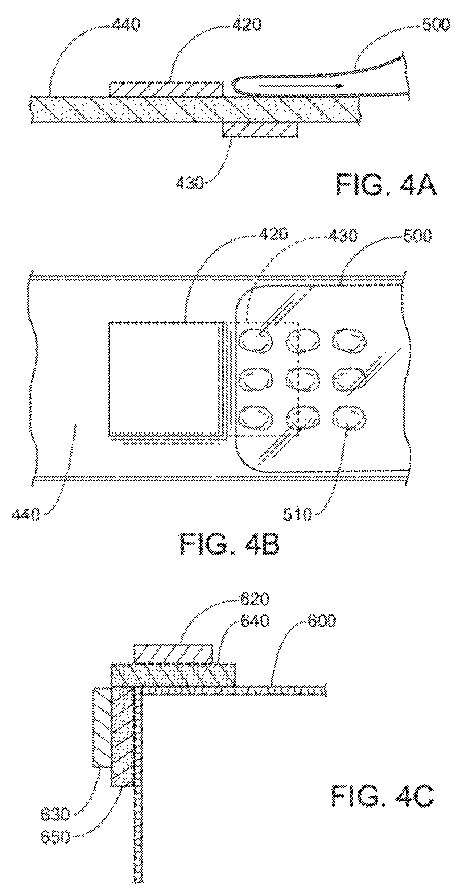
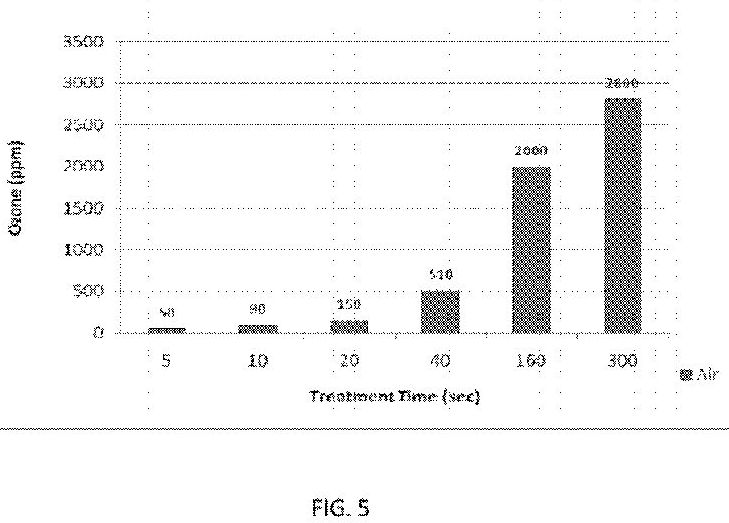
Two low-watt, high-voltage coils are placed on the outside of a sealed package. When powered, a dielectric barrier discharge generates an atmospheric non-equilibrium plasma (ANEP) in the package interior. The plasma ionizes oxygen (and other gases) to form ozone (O_3), singlet oxygen, superoxide, peroxide, and hydroxyl radicals. These reactive species attack and destroy bacterial cell walls, achieving sterility within 30 seconds to five minutes. The process operates at near-ambient temperature, so the food is not cooked. The device can be powered by a small transformer and consumes less power than an incandescent bulb. It works with a range of packaging materials (LDPE, HDPE, PP, PET, cardboard, glass, etc.) and can be applied to pharmaceuticals as well.
Principles
- Dielectric Barrier Discharge (DBD)
- Atmospheric non-equilibrium plasma (ANEP)
- In-situ ozone generation
Scientific Domains
Materials
- Air
- O_2
- N_2
- CO_2
- He
- Ar
- Dielectric layer (quartz, polymer)
- Copper coils
Mechanisms of Action
- Ionization of gases to produce reactive oxygen species
- Oxidative damage to bacterial cells by ozone and radicals
Energy Sources
Applications
- Food preservation
- Pharmaceutical sterilization
- Medical device packaging
Claimed Performance
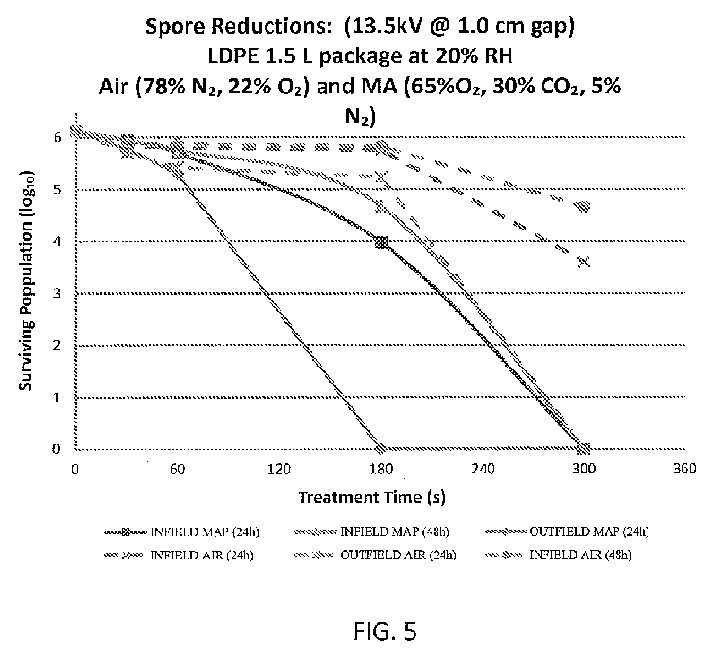
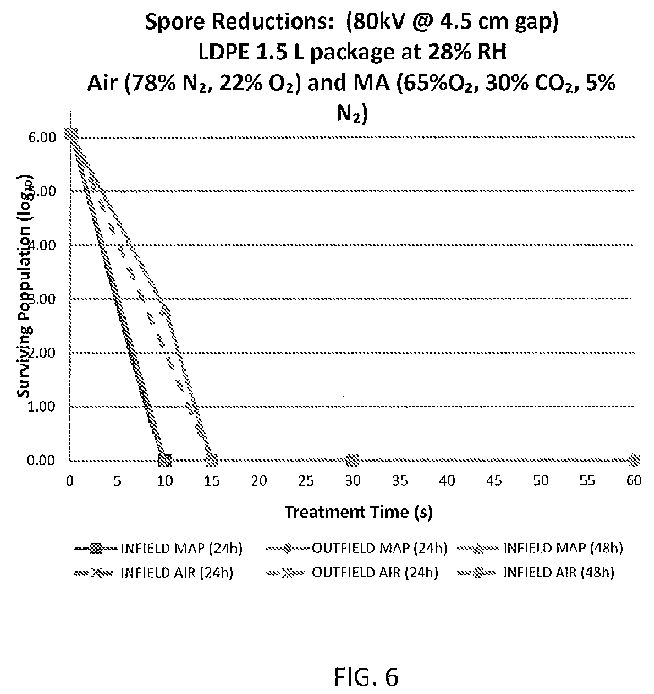
Effective kill of E. coli and Salmonella in 30 seconds to five minutes using 30-40 W of electricity; no temperature rise sufficient to cook the food.
Experimental Evidence
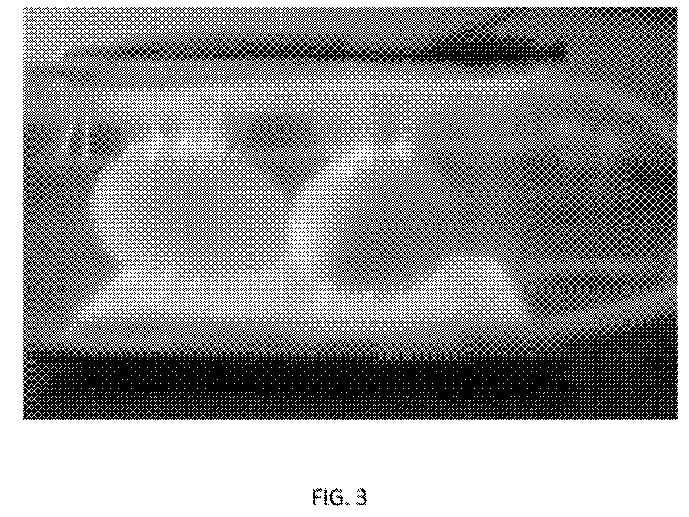
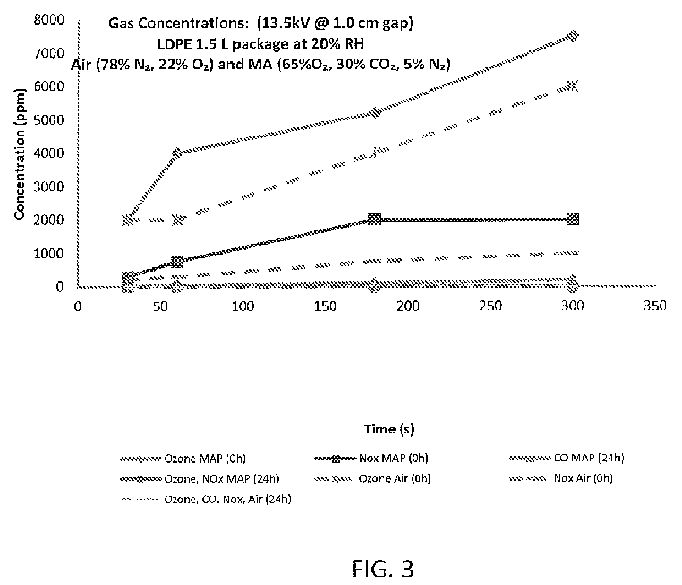
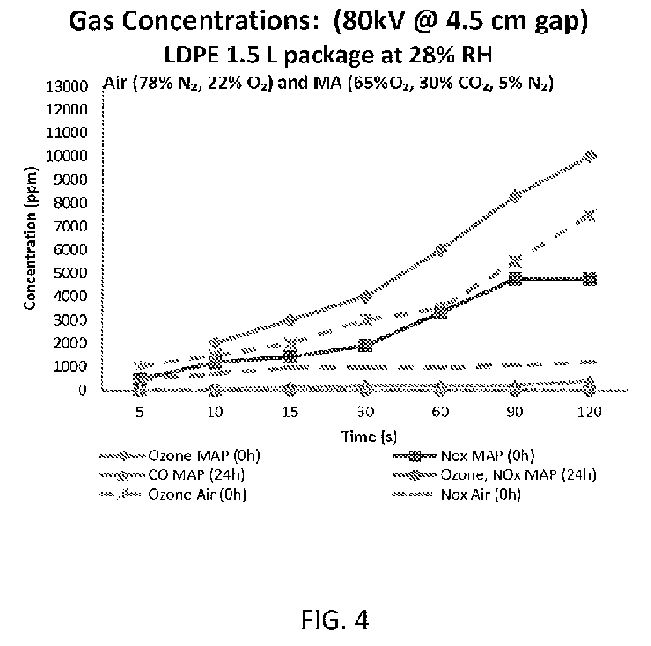
Testing performed on spinach, tomatoes, glass containers, flexible plastic bags, rigid plastics, and pill bottles; figures in the patent show ozone concentrations and spore-reduction data for two DBD systems (13.5 kV RMS and 80 kV RMS).
Replication Status
Patented (USPA 2014044595) and described in a peer-reviewed journal article; no commercial scaling reported.
Limitations
- Requires sealed package
- Effectiveness depends on package material permeability
- Treatment time up to several minutes for dense loads