Goal
Provide a simple, efficient rotary-vane steam engine that overcomes seal leakage and friction problems of earlier designs.
Problem
Prior rotary-vane steam engines suffered from inadequate sealing between vanes and rotor, causing excessive leakage, friction, and low mechanical efficiency.
Concept Summary
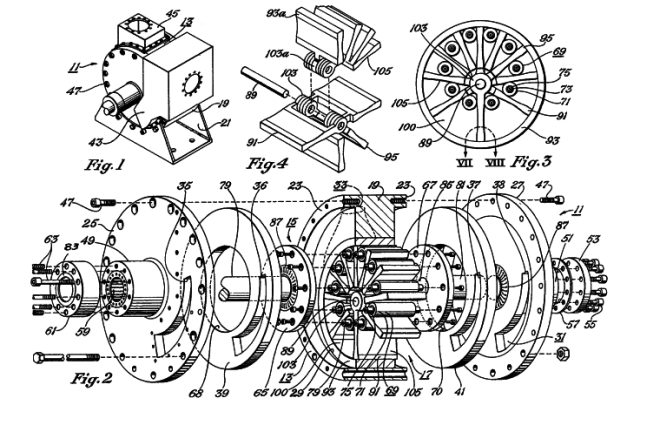
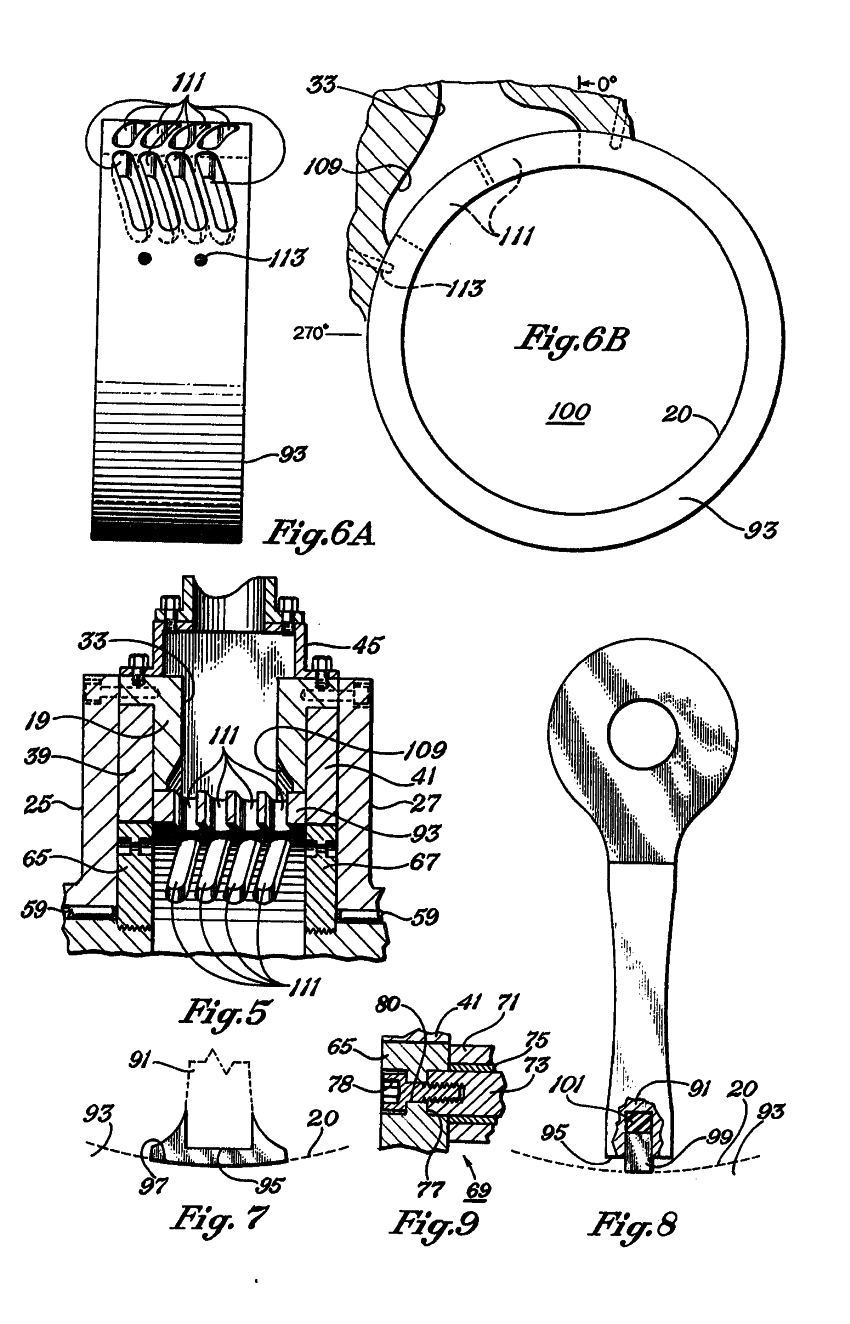
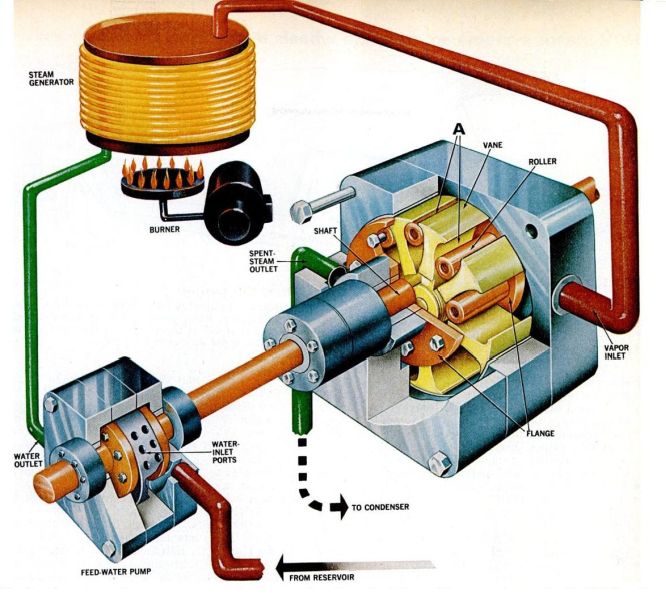
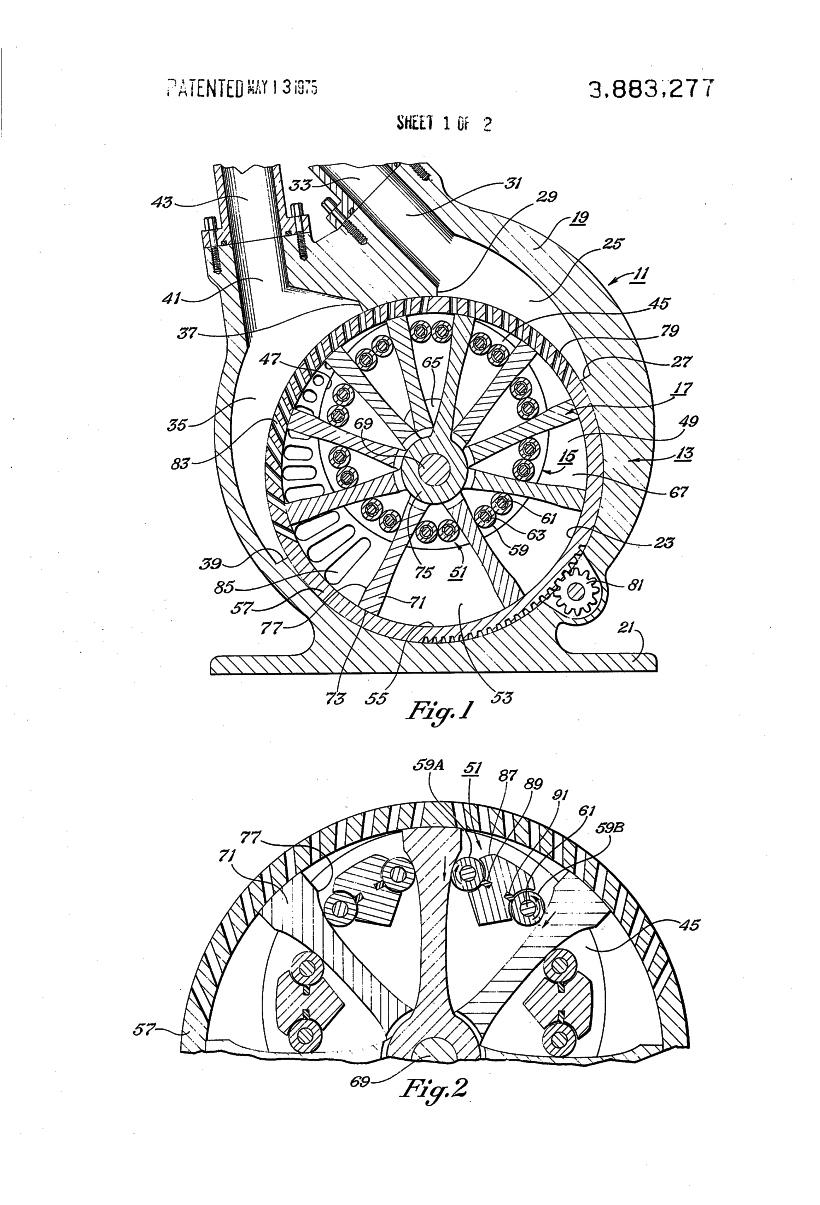
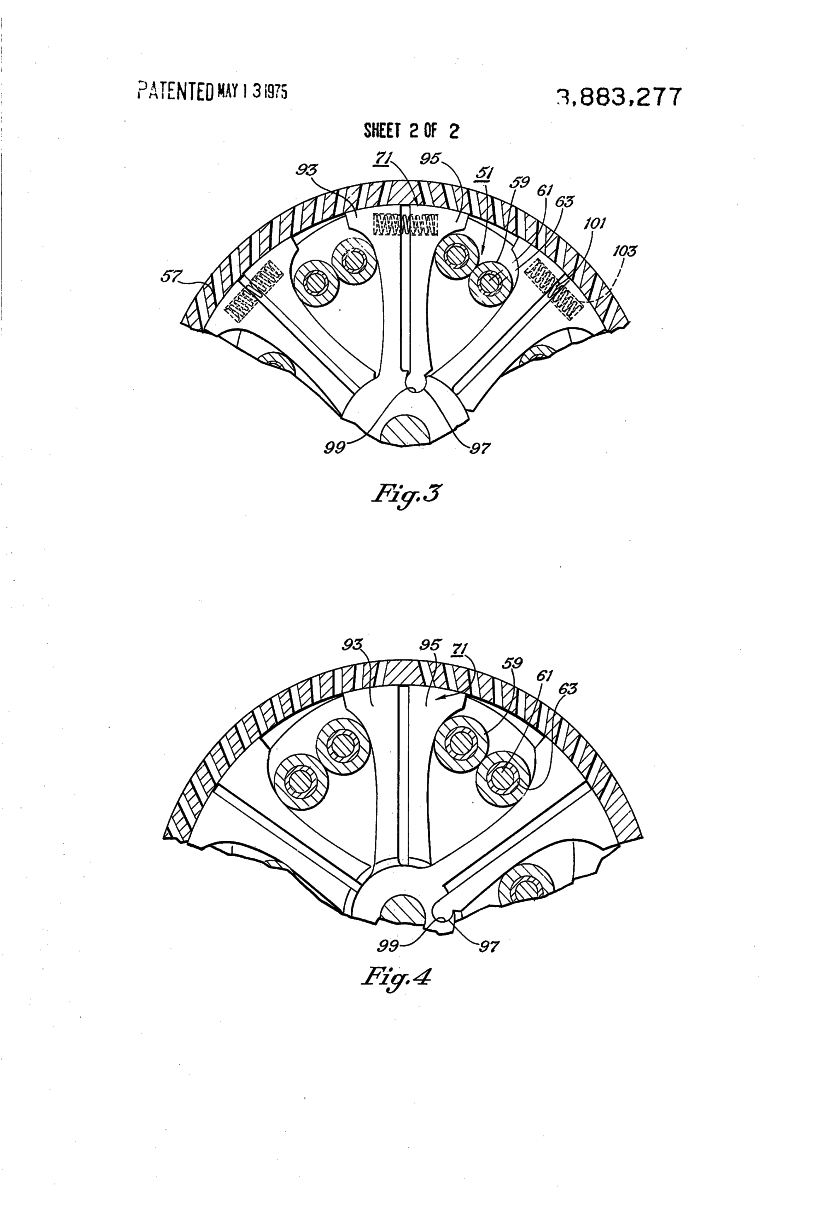
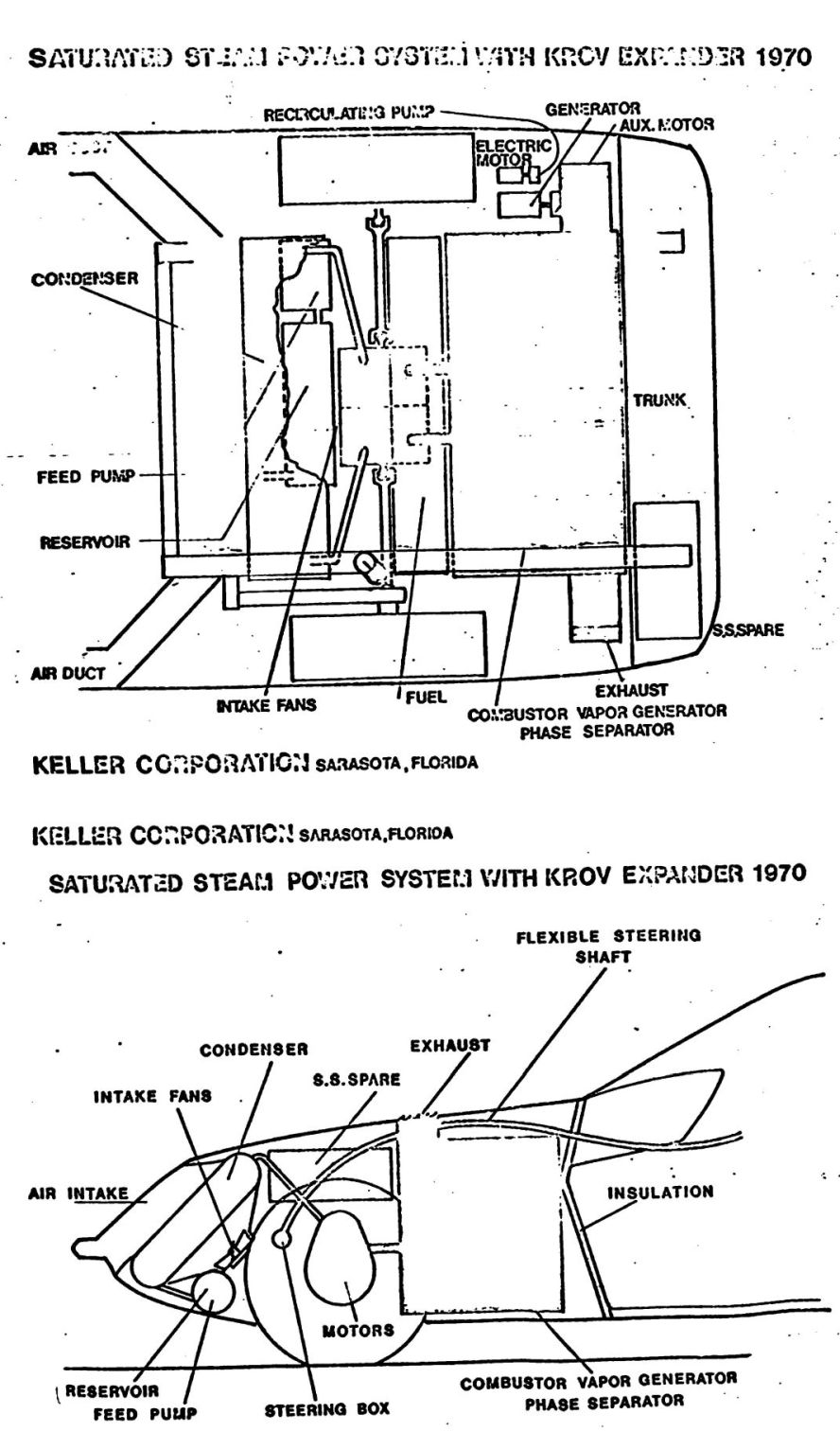
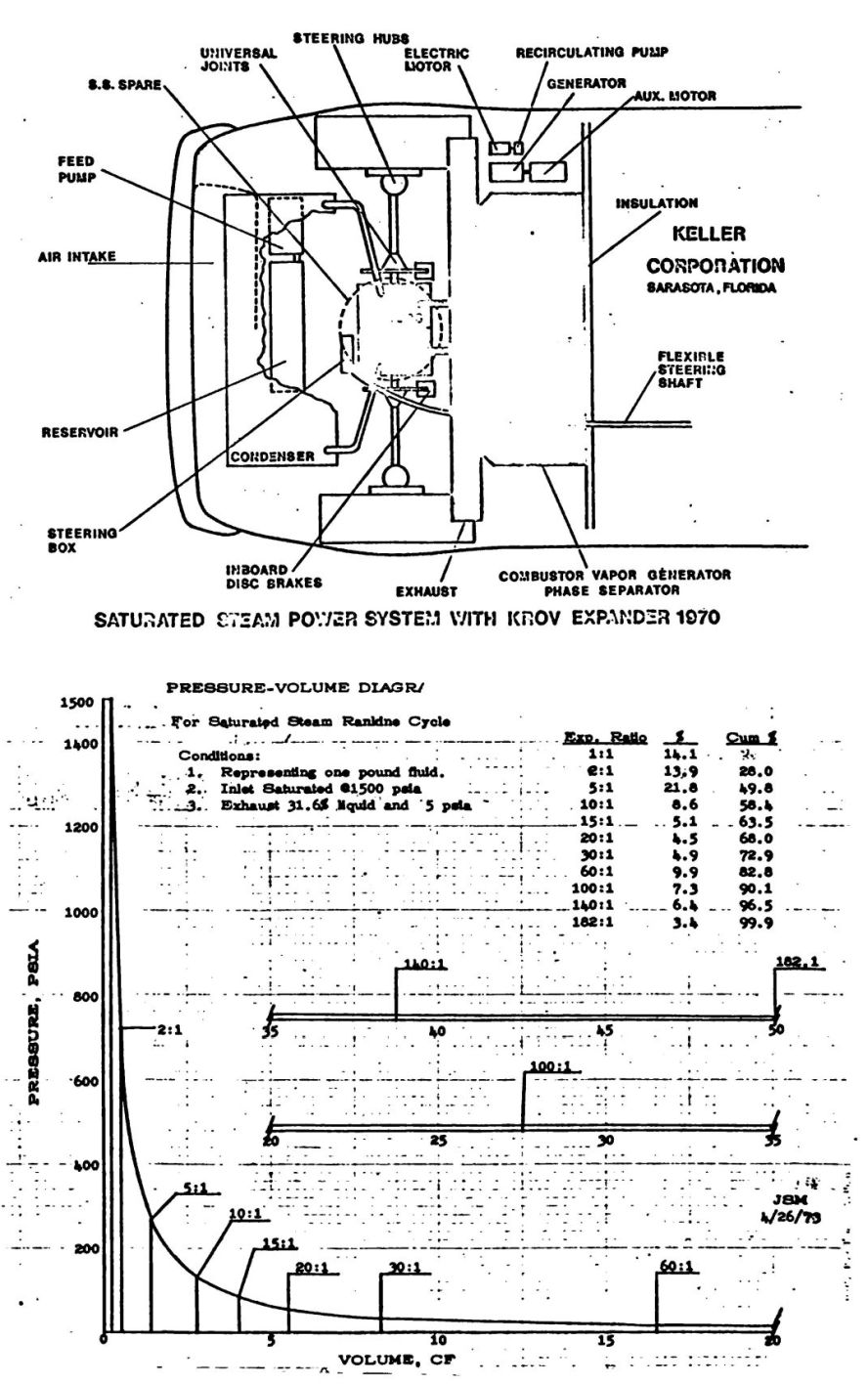
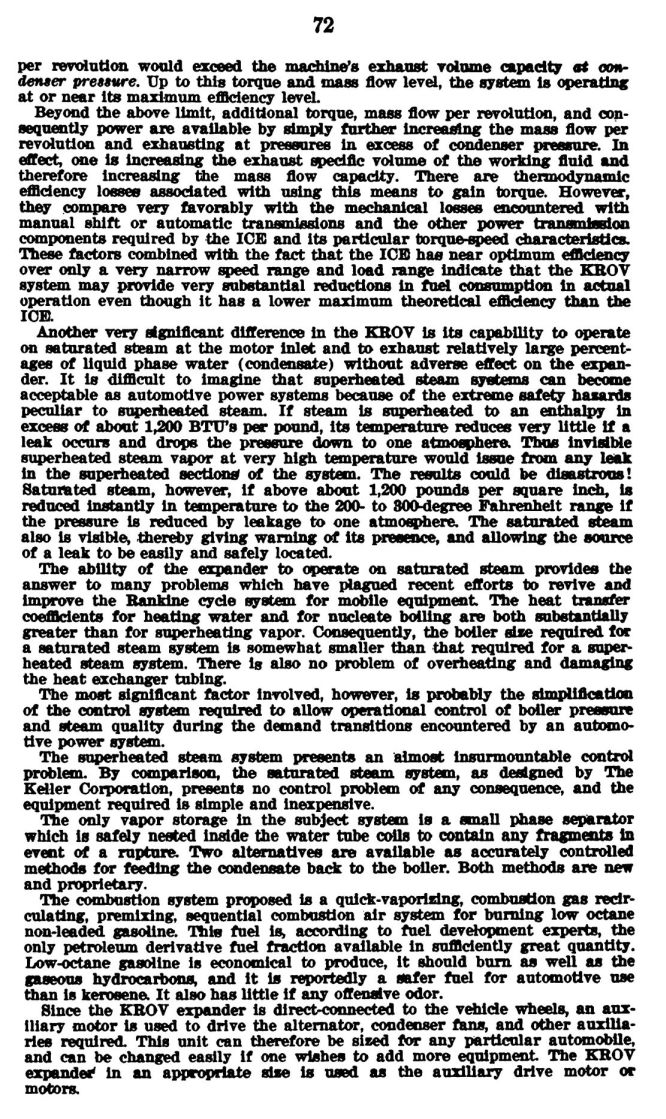
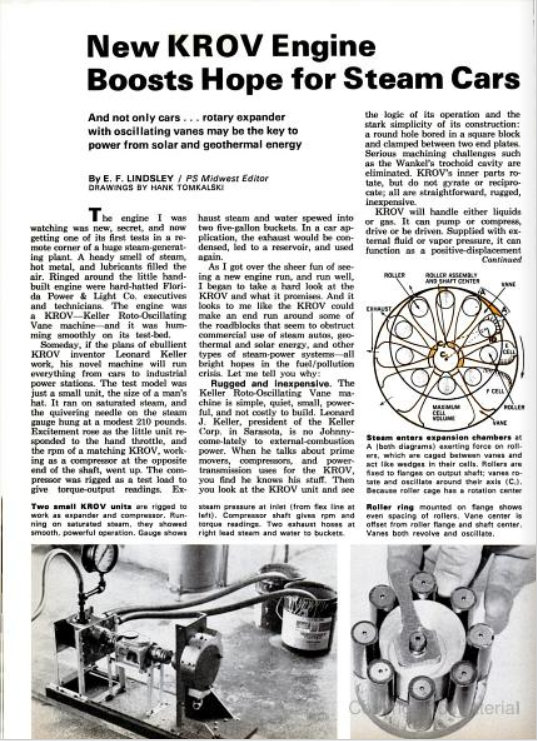
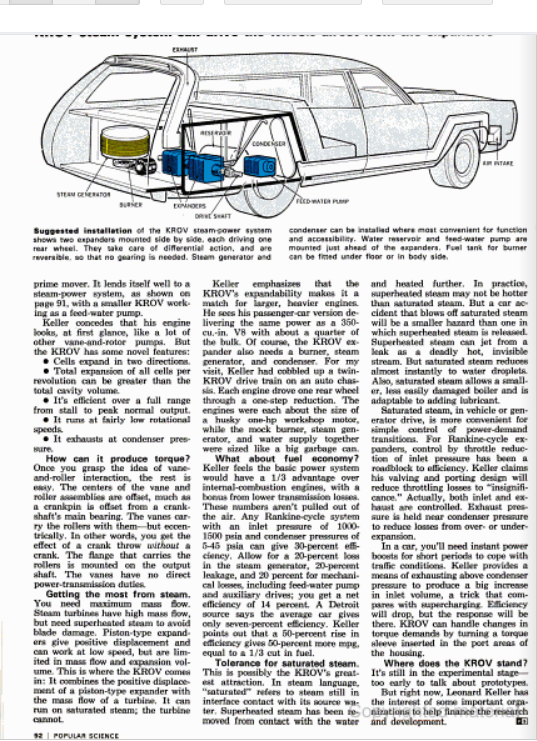
The KROV Steam Engine is a rotary-vane device that uses saturated steam as its working fluid. An eccentric rotor carries radially pivoting vanes; each vane face is sealed by a cylindrical roller that both guides the vane and acts as a low-friction piston, creating a near-perfect seal throughout the 360 deg rotation. This design reduces leakage and friction, allowing higher efficiency and longer service life.
Detailed Description
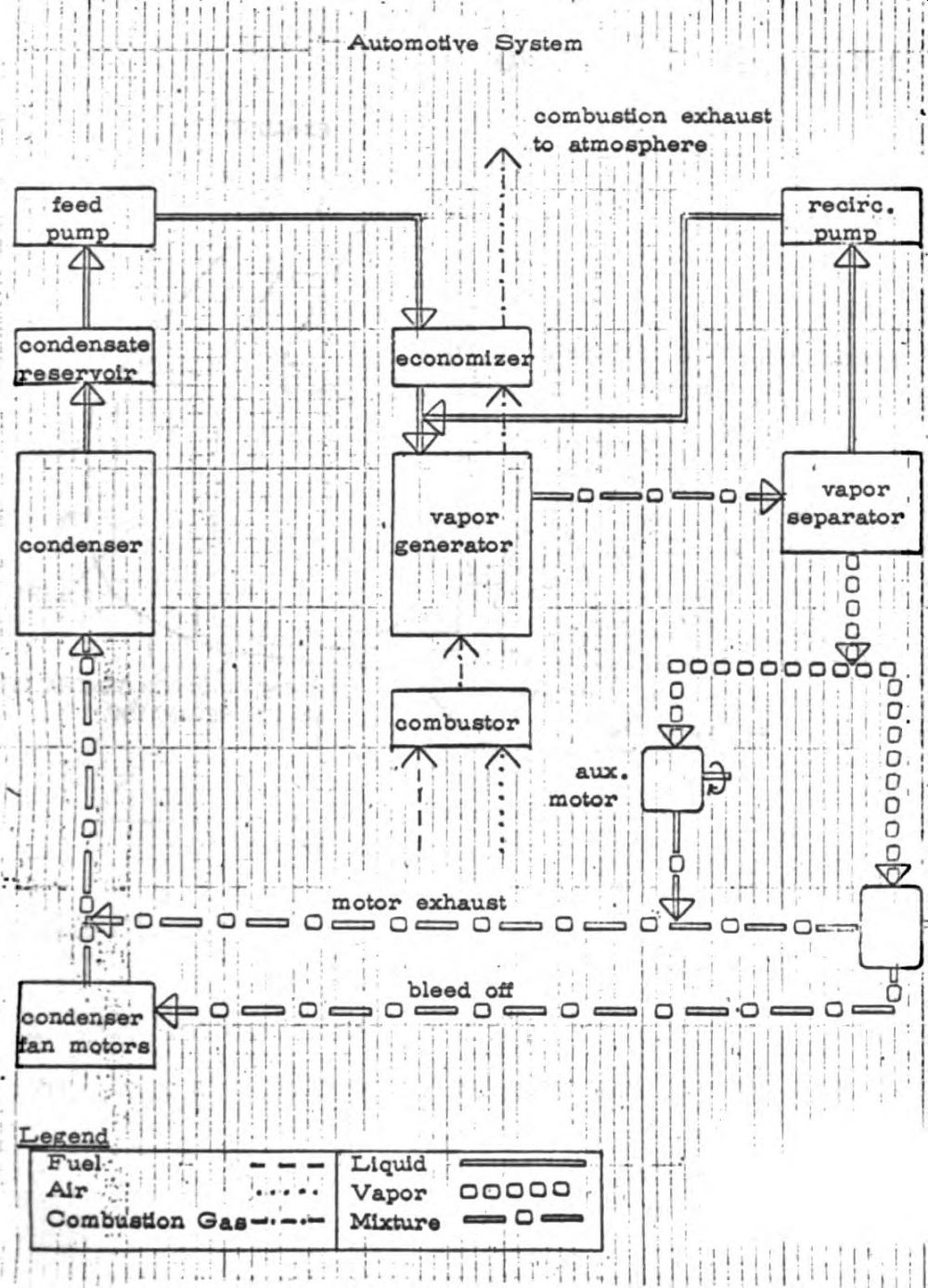
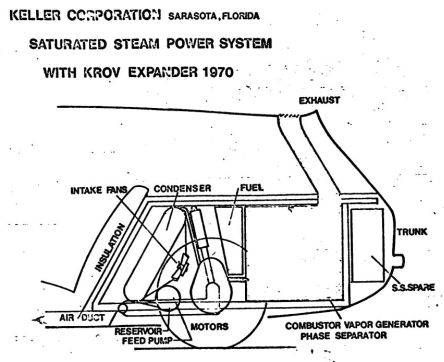
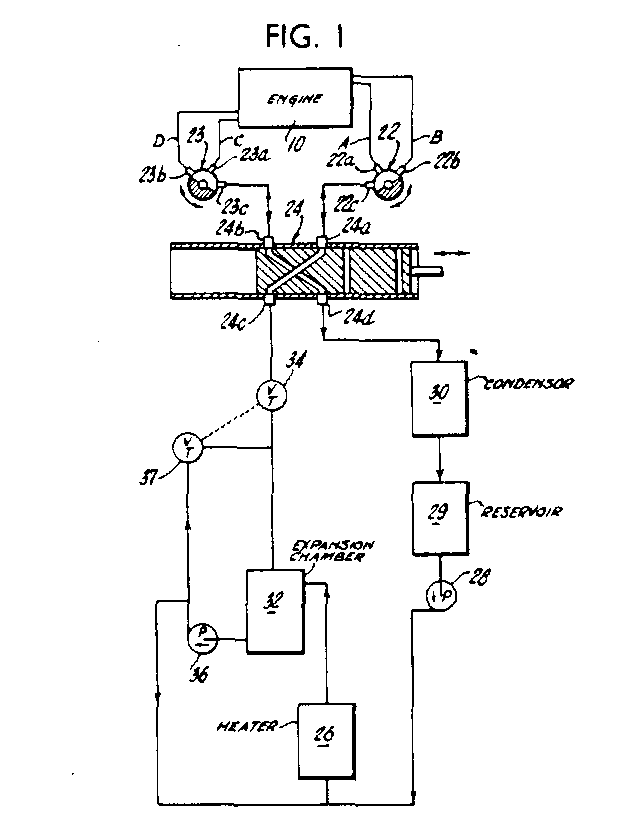
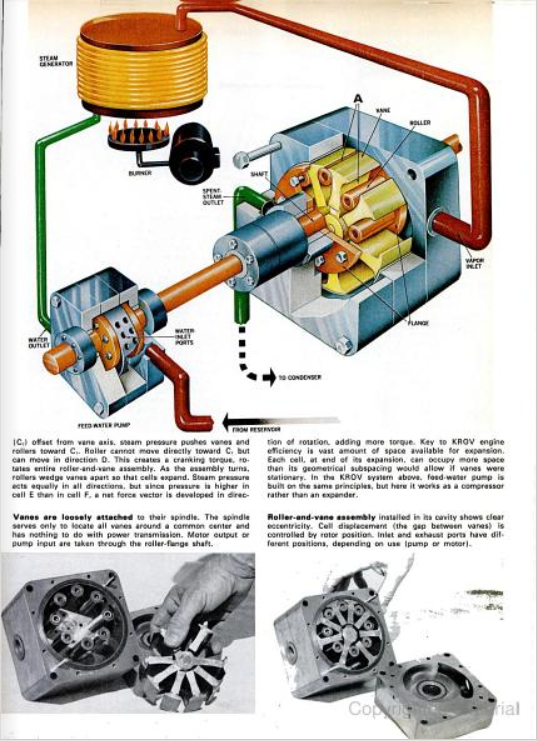
The engine consists of a stator with a cylindrical main chamber, an eccentric rotor assembly, and a vane assembly. The rotor carries a series of vanes that pivot as the rotor turns. Adjacent to each vane face is a cylindrical roller mounted on a shaft; the rollers roll along the vane faces, providing a rolling-friction seal and acting as piston-like elements that change the volume of sub-chambers. Steam is admitted through an inlet port, expands against the vanes, and is exhausted through a discharge port, converting pressure energy into shaft rotation. The shaft can be coupled to external machinery or used to drive a pump/compressor.
Principles
- Rotary vane principle
- Eccentric rotor motion
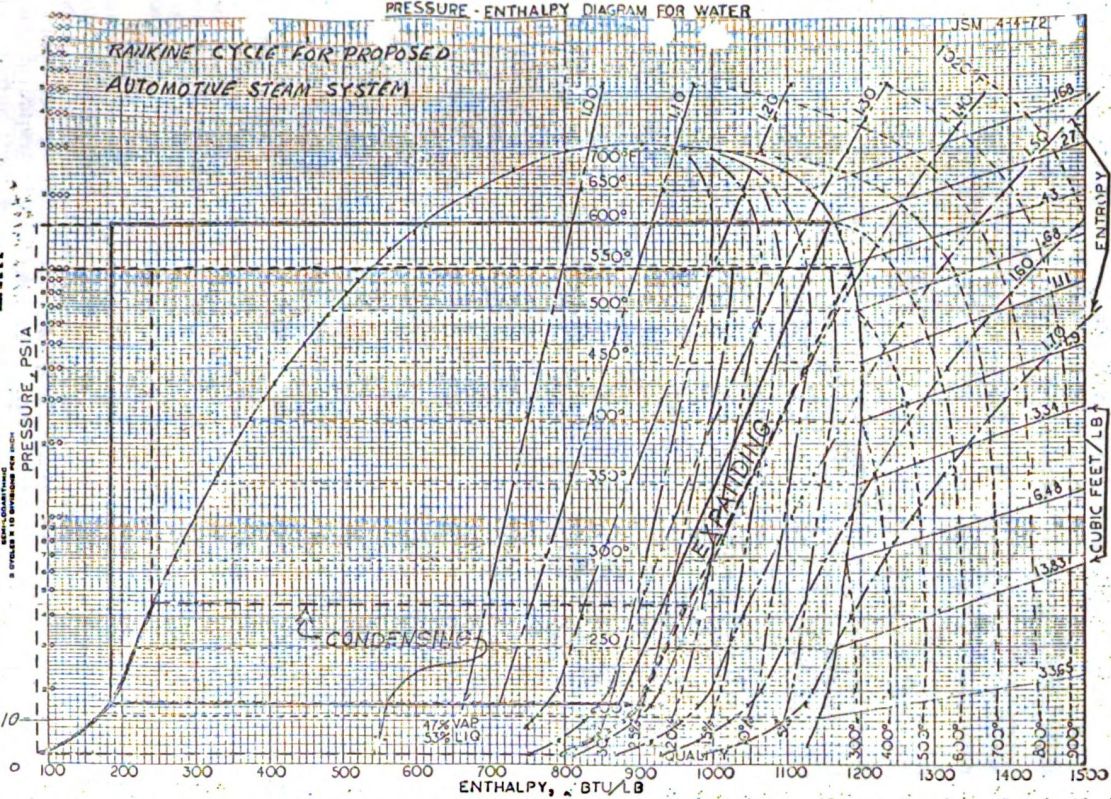
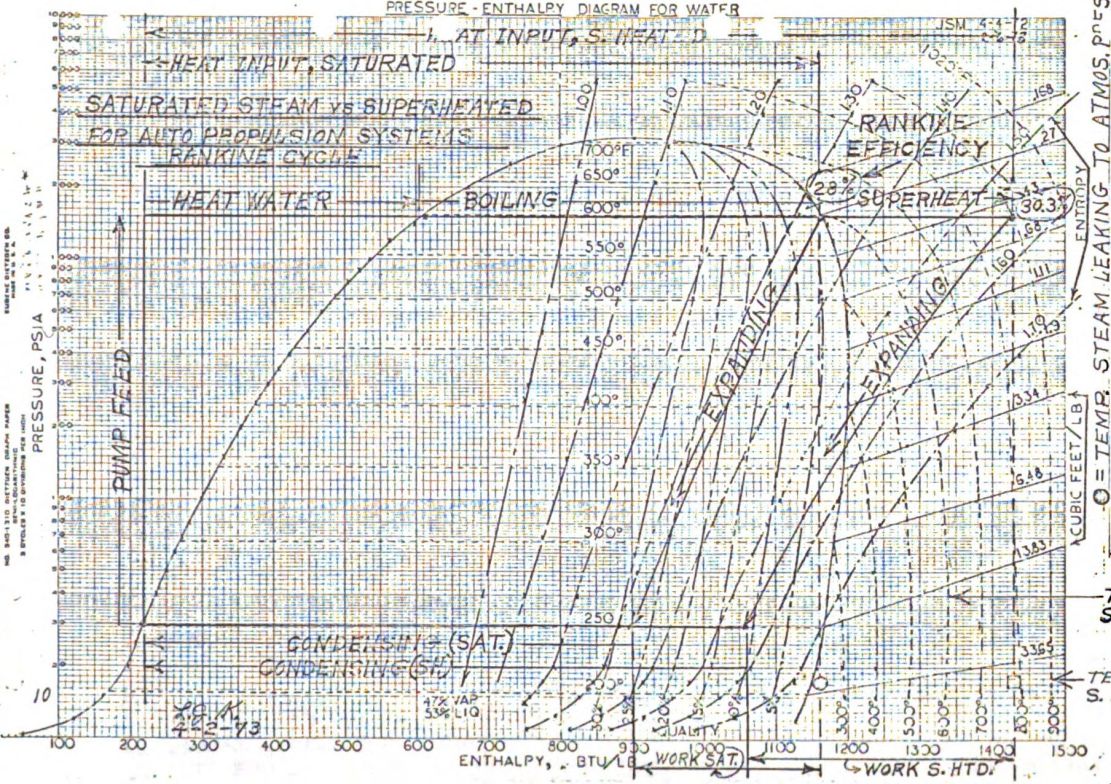
- Saturated steam expansion
- Rolling-friction seal
Scientific Domains
Materials
- Steel (rotor, vanes, rollers)
- Cast iron (stator housing)
- Bronze or oil-filled bearings
Mechanisms of Action
- Steam pressure acts on vane faces to produce torque
- Cylindrical rollers provide a low-friction, leak-tight seal
- Vane guides act as pistons to vary sub-chamber volume
- Eccentric rotor creates continuous volume change for power output
Energy Sources
Applications
- Power generation
- Mechanical drive for pumps/compressors
- Small-scale steam locomotion
Claimed Performance
Improved sealing and reduced friction leading to higher mechanical efficiency and longer service life compared with earlier rotary-vane steam engines.
Experimental Evidence
Prototype described in Popular Science articles (June 1973, April 1974) and US Patent 3,883,277 (1975) with drawings and operational description.
Limitations
- Requires precise manufacturing of roller-seal assemblies
- Performance limited to saturated-steam operation
- Potential wear of rollers and vanes over long term