Goal
Generate an alternating current that flows without resistance or voltage loss, thereby increasing the efficiency of electric motors and vehicles.
Problem
Energy loss due to resistance in conventional electrical systems and associated environmental impact of inefficient electric vehicles.
Concept Summary
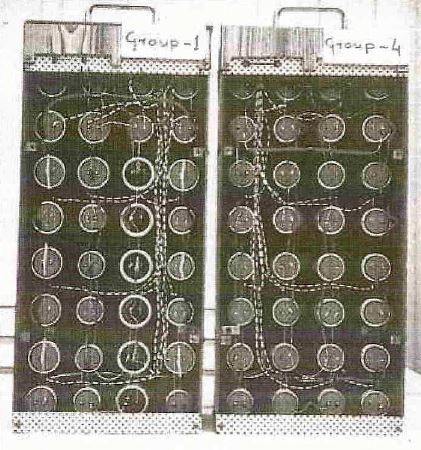
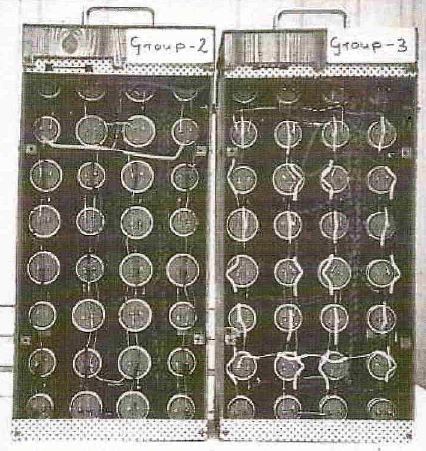
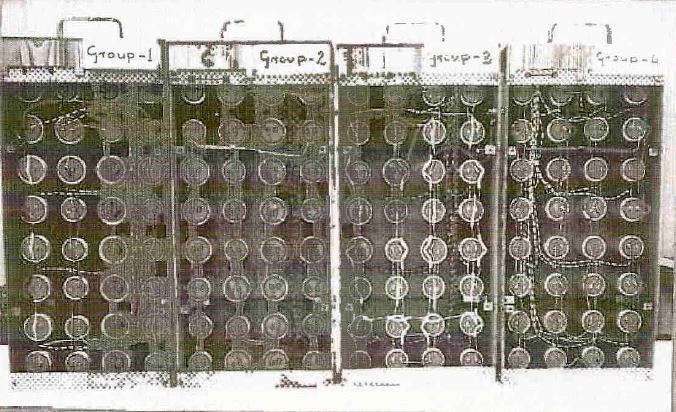
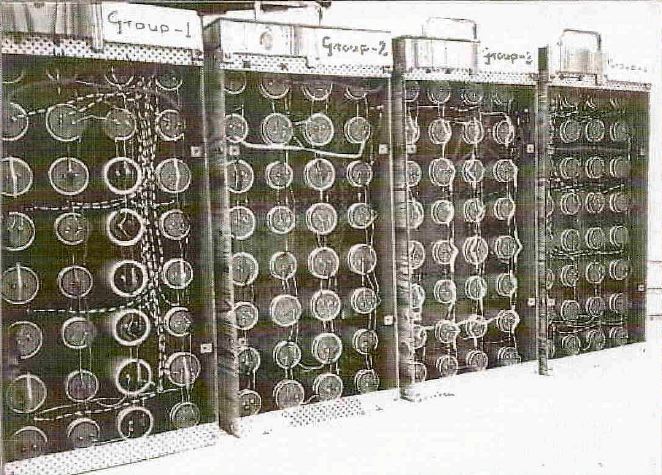
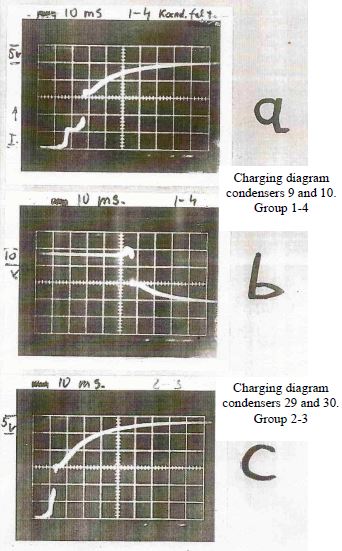
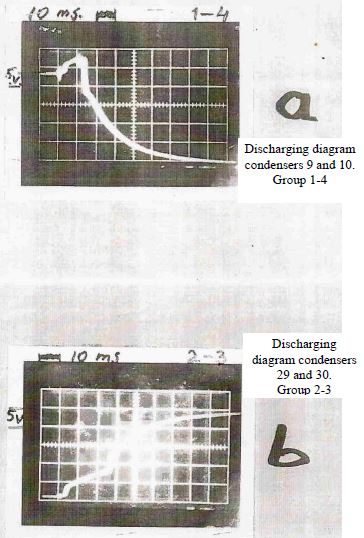
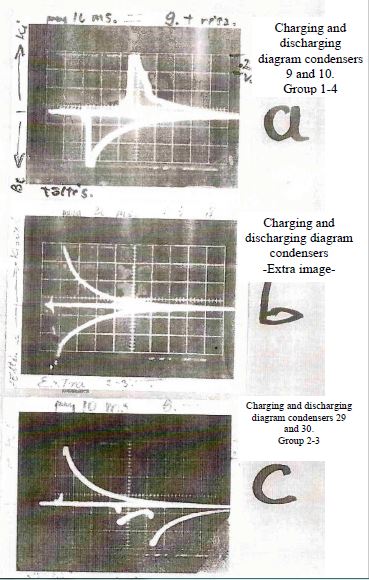
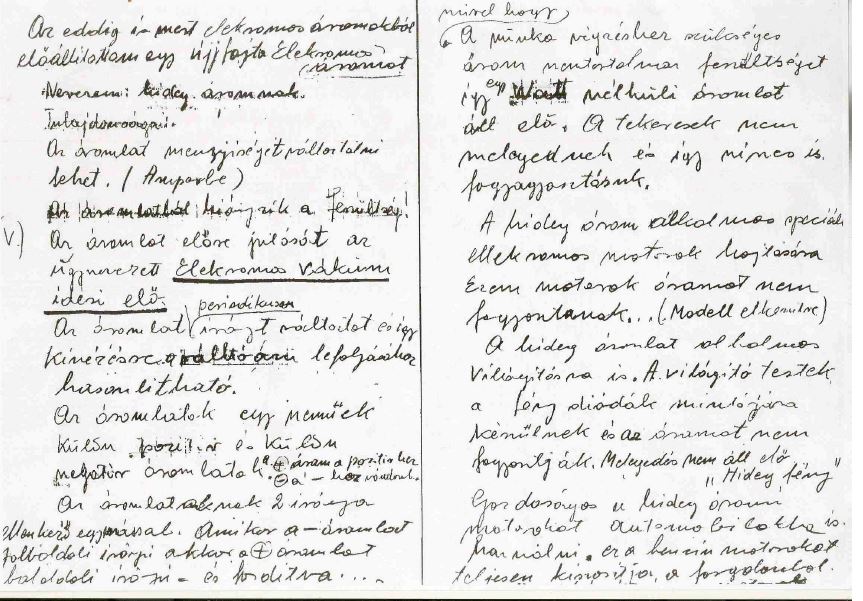
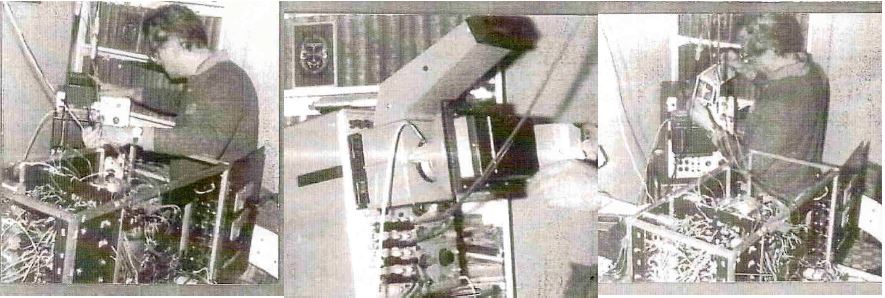
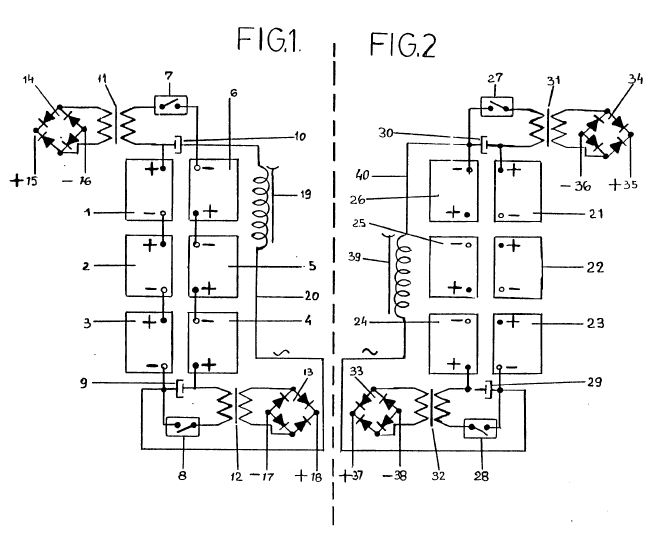
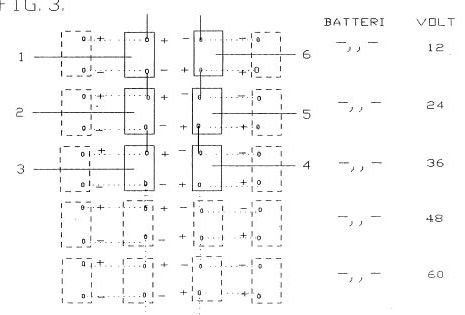
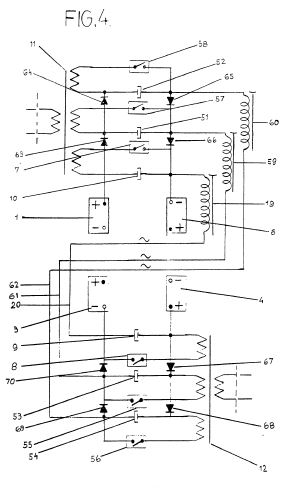
A novel electric circuit system uses two groups of six batteries, a network of condensers (capacitors), thyristors, transformers, and diodes. By alternating the charge and discharge of the condensers between the battery groups, a new type of alternating current-called "Cold Electricity"-is produced that allegedly has no resistance, no heat loss, and is not governed by Ohm's law. The system claims to enhance motor power and improve electric vehicle performance.
Principles
- Alternating current generation via capacitor charge-discharge cycles
- Thyristor-controlled switching of condensers
- Magnetic induction using transformers
- Parallel connection of multiple condensers to increase power
- Claimed violation of Ohm's law (zero resistance, zero voltage)
Scientific Domains
Materials
- Batteries (lead-acid or similar)
- Condensers (capacitors)
- Thyristors (semiconductor switching devices)
- Transformers (iron-core or air-core)
- Diodes
- Switches, wires, stators
Mechanisms of Action
- Capacitors (condensers) alternately charge from one battery group and discharge into the other
- Thyristors act as high-power switches to control the timing of charge/discharge
- Transformers convert the discharge energy into a secondary alternating current
- Diodes isolate parallel capacitor banks
- The resulting current is described as having ampere strength without voltage
Energy Sources
Applications
- Electric cars
- Electric motors
- Street illumination
- Industrial power supplies
Claimed Performance
The system produces a resistance-free alternating current that can power electric motors and cars with no heat loss, thereby increasing motor power and overall vehicle efficiency.
Limitations
- No quantitative performance data provided
- Claims contradict established physics (Ohm's law)
- Complex circuit requiring many components
- No independent replication or peer-reviewed validation
Red Flags
- Claims of resistance-free current and violation of Ohm's law
- Absence of experimental data or peer-reviewed studies
- Potential for overstated or fraudulent performance