Goal
Provide a high-efficiency, iron-less alternator that can be integrated into hybrid vehicles to deliver rapid torque surges without magnetic saturation.
Problem
Conventional alternators contain elemental iron that saturates under high current, causing loss of output and added weight; batteries are heavy and limited in range for hybrid vehicles.
Concept Summary
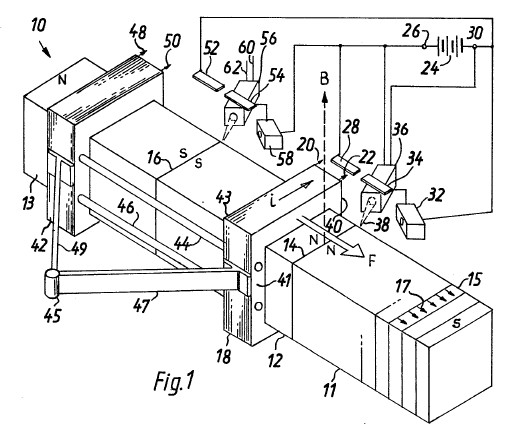
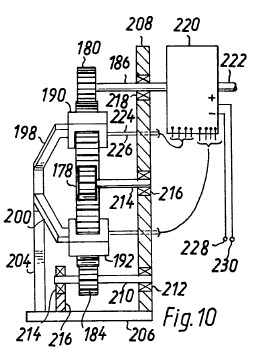
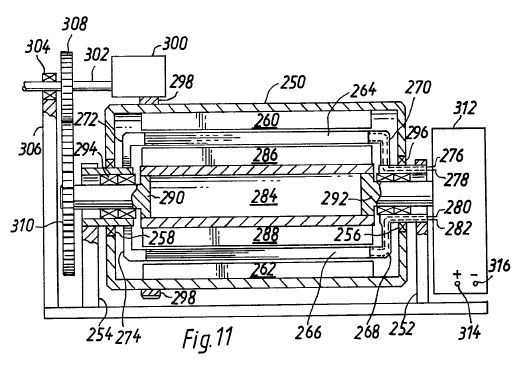
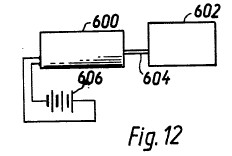
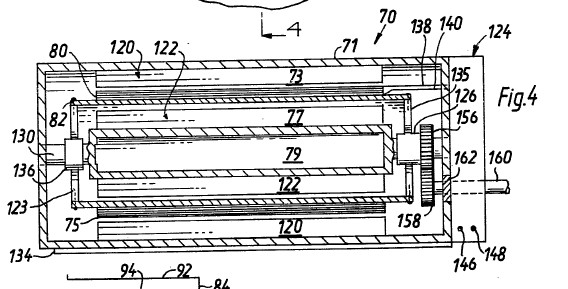
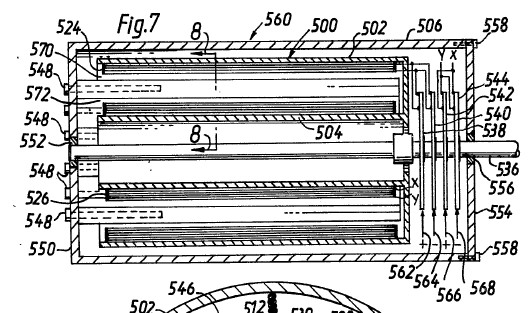
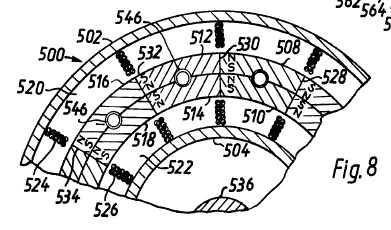
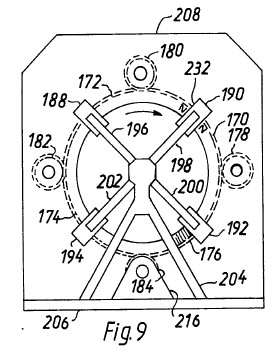
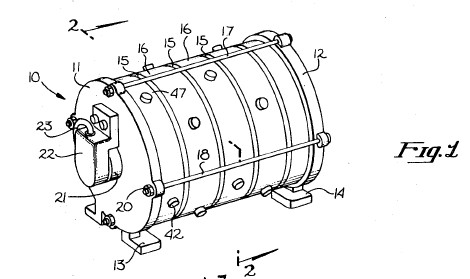
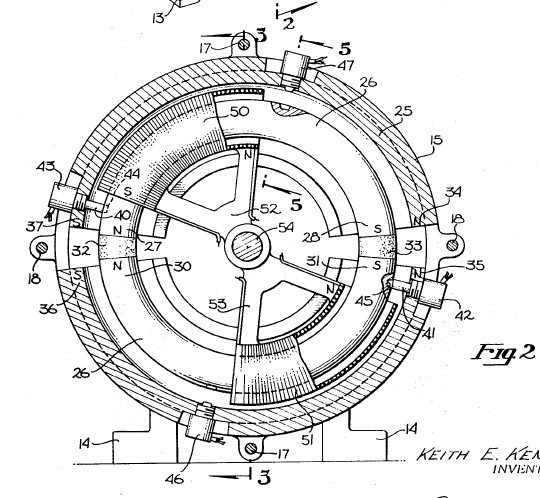
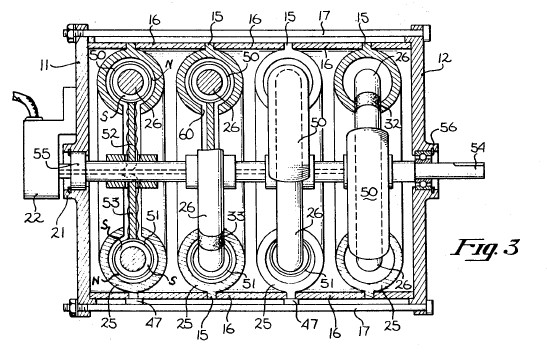
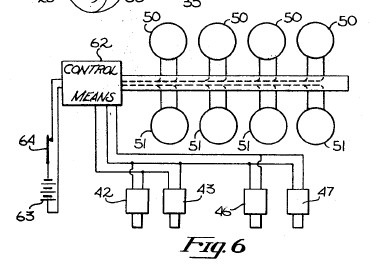
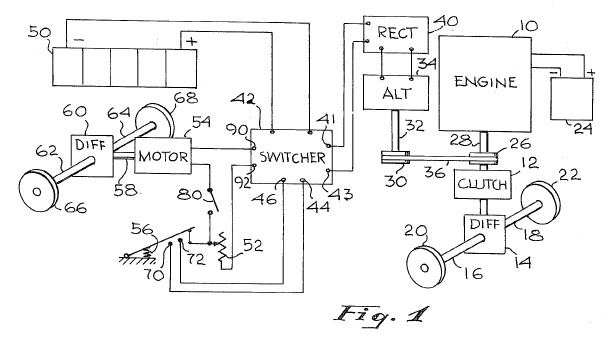
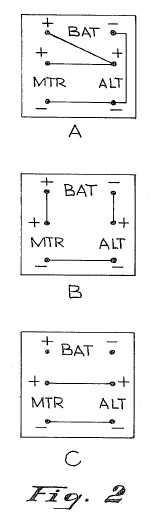
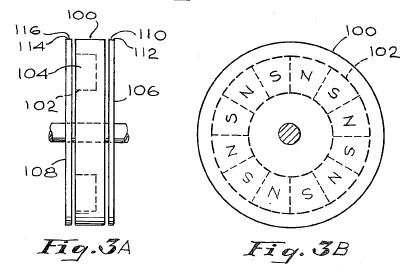
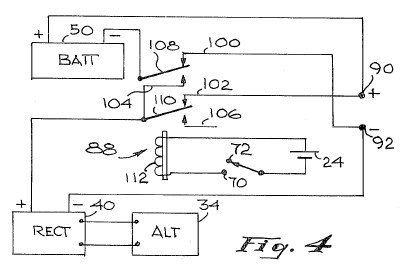
An alternator with an iron-less magnetic circuit (disc-armature with ceramic ferrite permanent magnets) generates AC, which is rectified to DC and can be switched in series, parallel, or in lieu of the battery pack to supply power to an electric drive motor, enabling high-efficiency operation and rapid acceleration.
Principles
- Electromagnetic induction
- Iron-less magnetic circuit
- Permanent magnet field generation
- Disc-armature design
- Rectification of AC to DC
- Switching control for power flow
Scientific Domains
Materials
- Aluminum (die-cast disc)
- Ceramic ferrite magnets
- Copper windings
- Semiconductor devices (triacs, thyristors)
- Permanent magnets
Mechanisms of Action
- Elimination of iron eliminates magnetic saturation
- Ceramic ferrite magnets provide a stable field
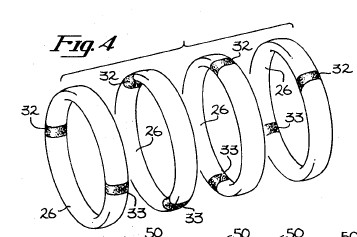
- Aluminum disc armature houses windings that intercept flux
- Semiconductor rectifier converts generated AC to DC
- Electromechanical relays or thyristors switch the rectified output between battery and motor
Energy Sources
Applications
- Hybrid electric vehicles
- Electric motor drive systems
- Power surge management for mechanical loads
Claimed Performance
125% efficiency claimed and demonstrated; high efficiency at all speeds; rapid acceleration capability.
Experimental Evidence
The article states a 125% efficiency claim and improved acceleration but provides no quantitative data or independent testing details.
Limitations
- No detailed quantitative performance data provided
- Reliance on precise magnetic alignment
- Complex switching circuitry
- Uncertainty about long-term durability of ceramic magnets
Red Flags
- Overunity claim (125% efficiency) without peer-reviewed data
- Absence of independent replication or testing
- Potential exaggeration of performance