Goal
Produce mechanical torque while dramatically reducing electrical energy consumption by capturing ambient scalar (essential) energy.
Problem
High electricity consumption of conventional electric motors and the desire for a low-energy or "free-energy" alternative.
Concept Summary
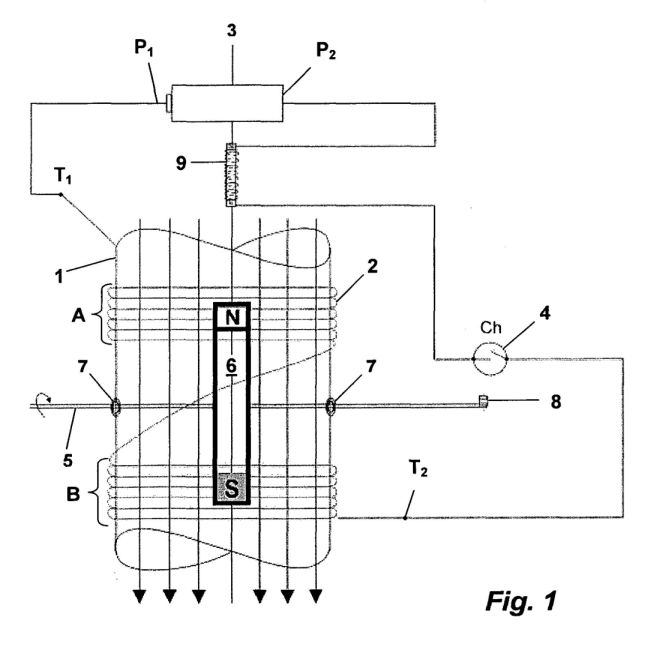
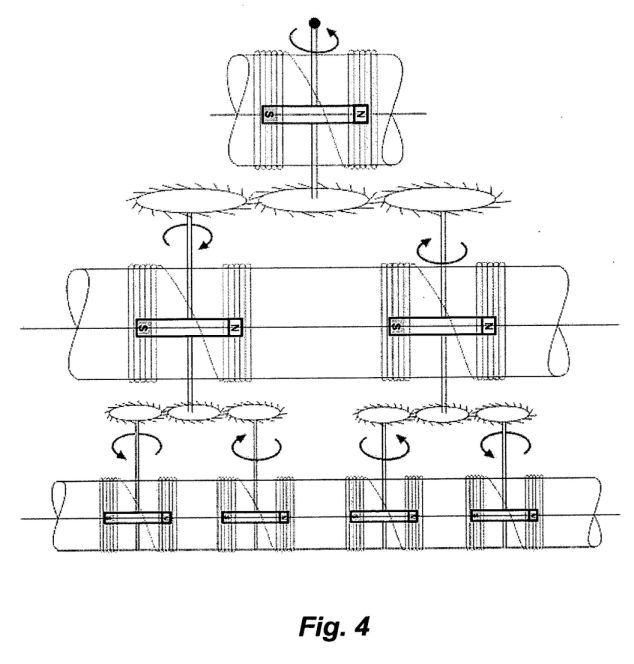
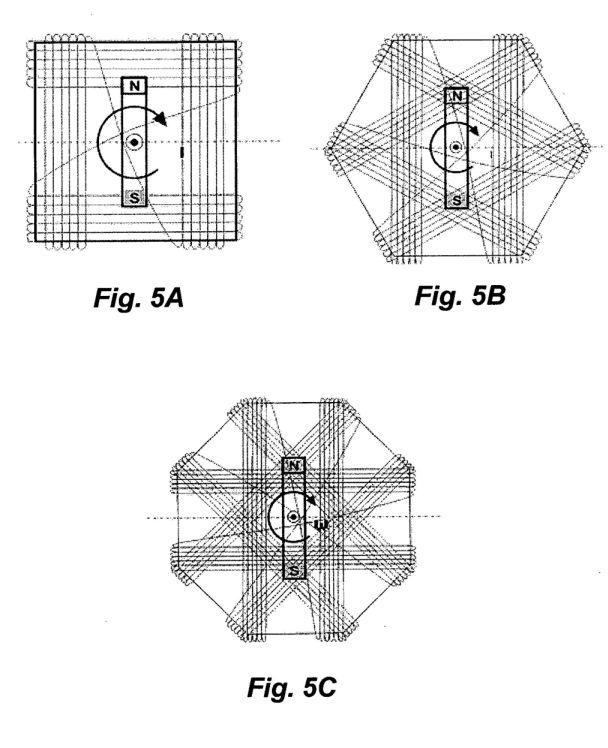
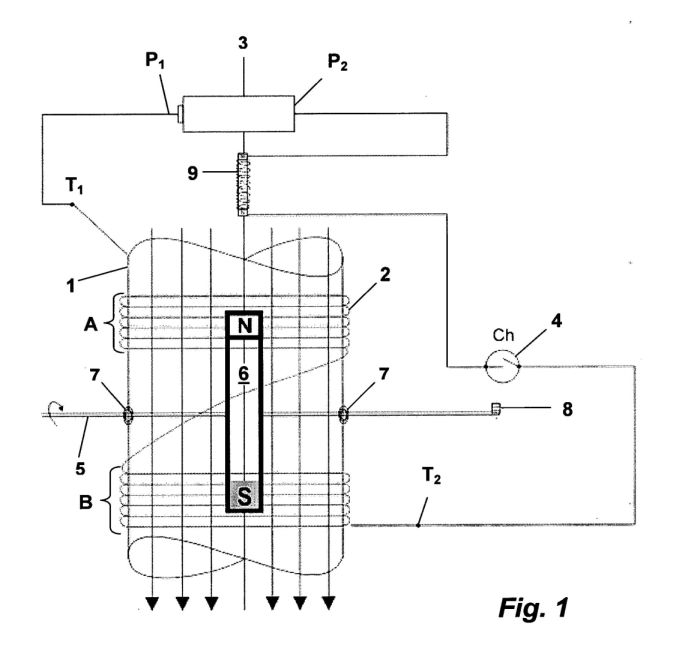
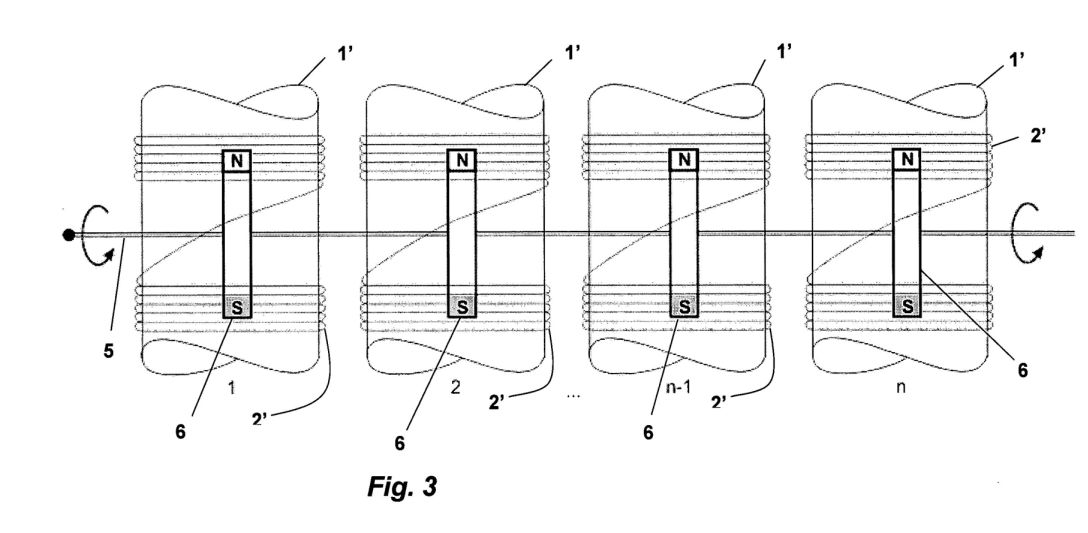
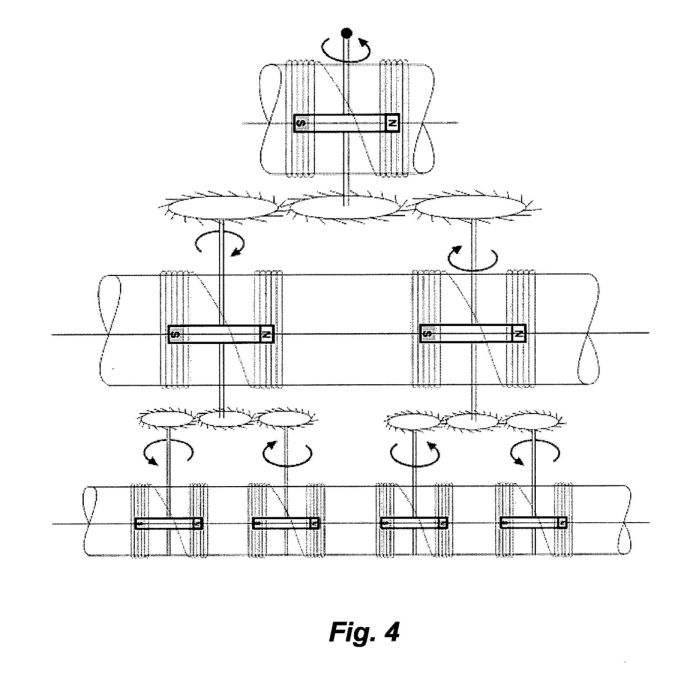
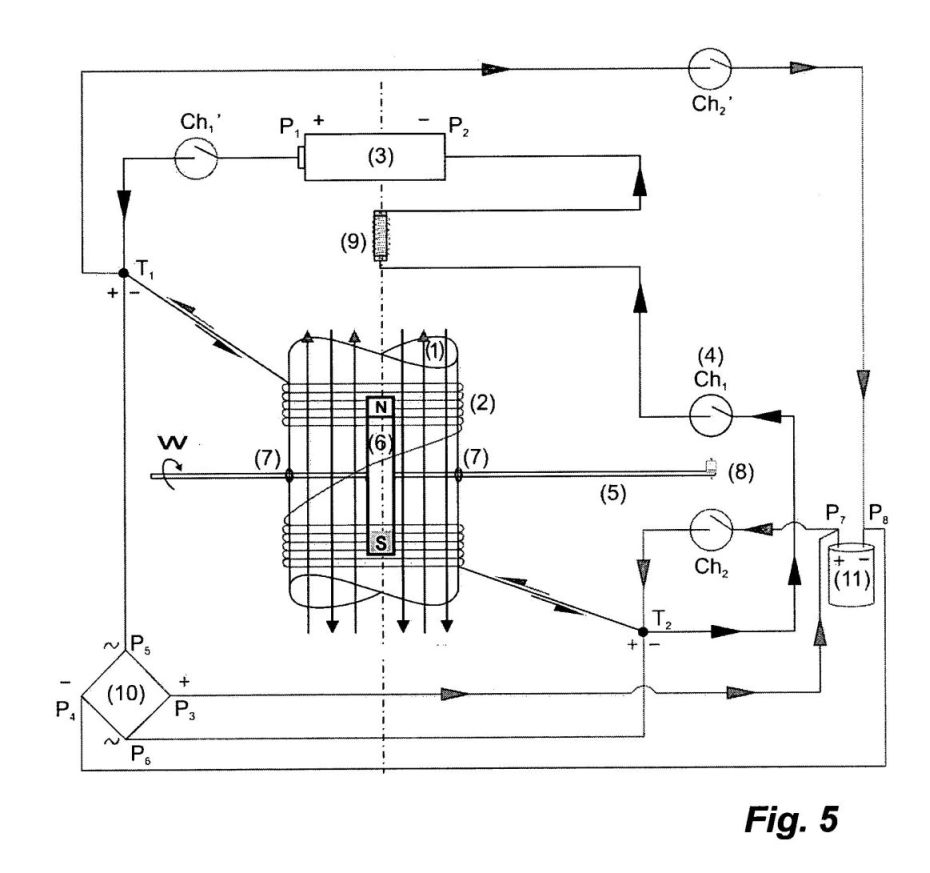
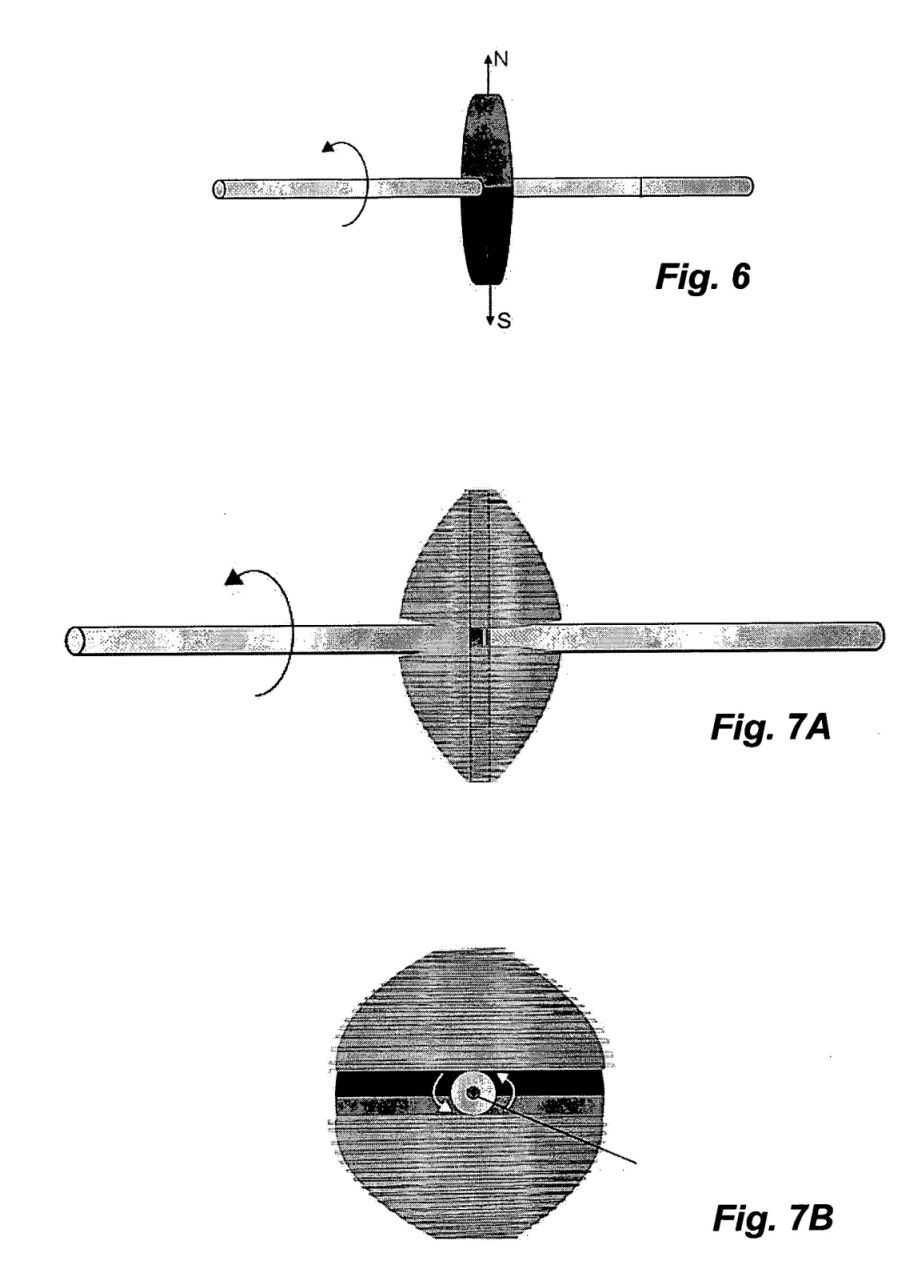
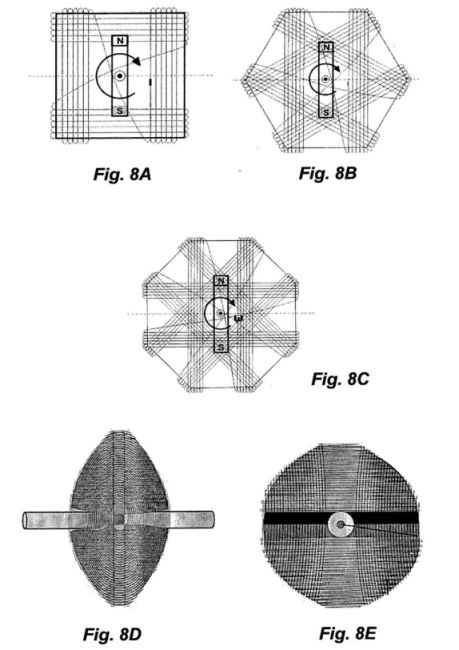
The Keppe Motor is claimed to be a conventional electromagnetic motor that, instead of drawing all its power from a battery, captures a ubiquitous "scalar" or "essential" energy from space. By combining neodymium and ferrite magnets, reed switches, and a simple coil, the motor allegedly generates the same torque as a conventional motor while using only a fraction (5-7 %) of the electrical input.
Principles
- Scalar (essential) energy capture
- Magnetic torque generation
- Reed-switch control circuitry
- Use of permanent magnets (neodymium, ferrite)
Scientific Domains
Materials
- Copper wire (enameled, AWG 28)
- Neodymium magnet
- Ferrite magnets
- PVC tube
- Wood
- Styrofoam
- Cardboard
- Alkaline 9 V battery
- Rubber cylinder
- Ball bearings
- Plastic transformer support
Mechanisms of Action
- Ambient scalar energy is harvested by the motor housing
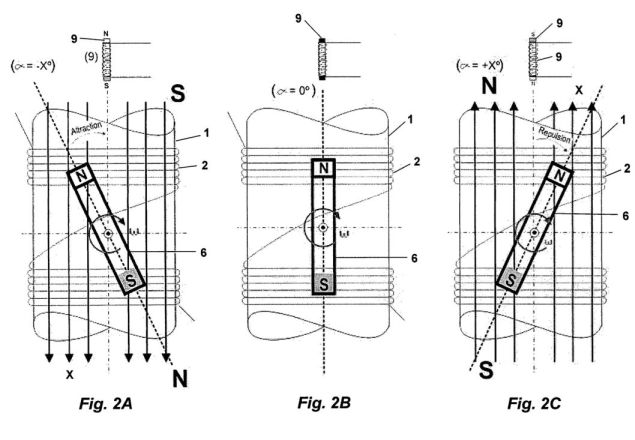
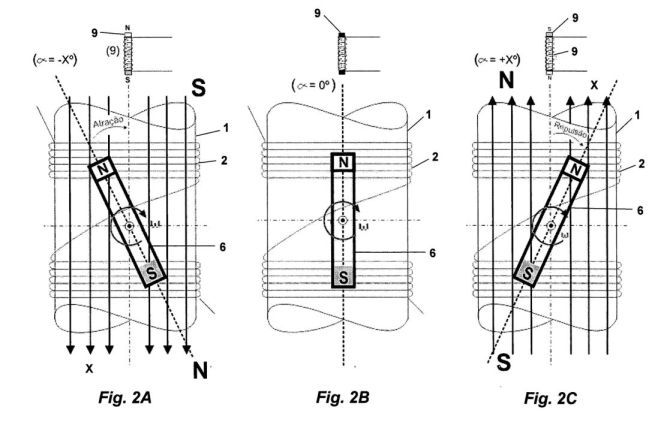
- Magnetic fields from neodymium and ferrite magnets interact with coil windings to produce torque
- Reed switch regulates current flow based on magnetic field changes
Energy Sources
Applications
- Low-energy motor prototypes
- Educational kits for teaching alternative energy concepts
Claimed Performance
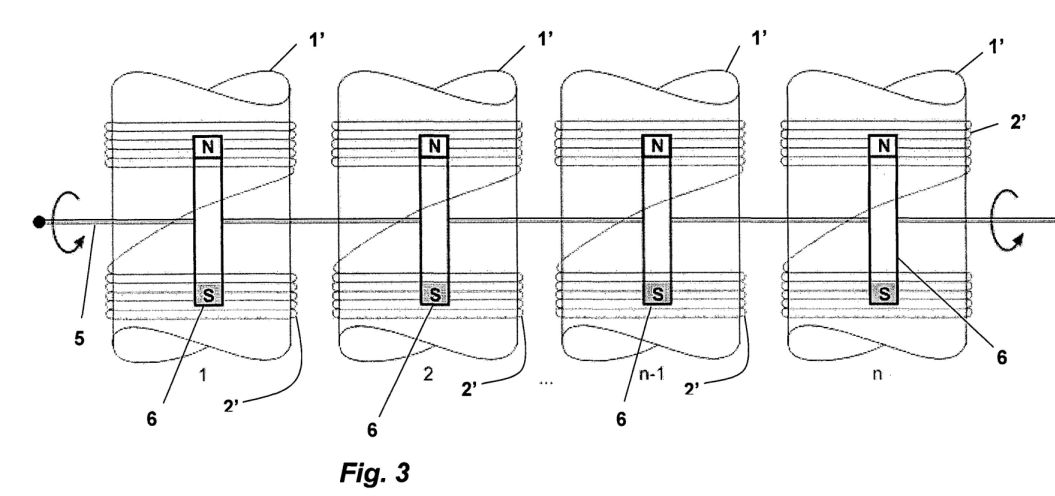
Reduces electric energy consumption by 70 %-93 % compared with conventional motors; uses roughly five times less energy; runs cold; provides high torque and high RPM; multiple units can increase efficiency when coupled.
Experimental Evidence
Witness accounts describe public demonstrations (e.g., July 6 2008 in Cambuquira, Brazil) where the motor ran and was felt cold; video recordings are linked; a user report mentions that a kit built by a purchaser did not run.
Replication Status
Demonstrated publicly in Brazil and San Diego; kits sold to individuals; no independent peer-reviewed replication reported.
Limitations
- No peer-reviewed data or independent verification
- Reliance on an undefined "scalar energy" concept
- User reports of non-functional kits
- Potential for commercial scam
Red Flags
- Claims of free or over-unity energy without quantitative data
- Scam allegations from purchasers
- Lack of scientific validation