Confidence
0.85
Practicability
0.70
Evidence
0.60
Fringe Score
0.20
Risk
0.10
TRL
6
Goal
Produce renewable biodiesel from algae at high yields while sequestering CO_2.
Problem
Dependence on fossil fuels, high greenhouse-gas emissions, and the need for sustainable, low-water biofuel feedstocks.
Concept Summary
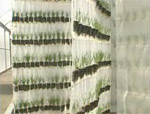
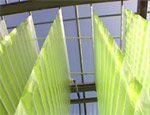
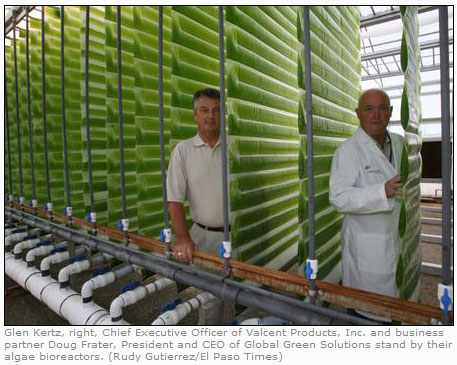
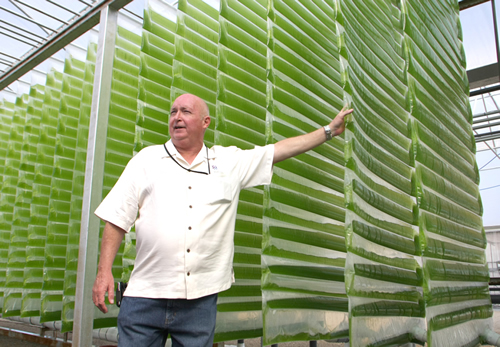
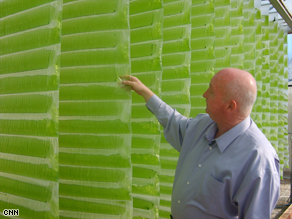
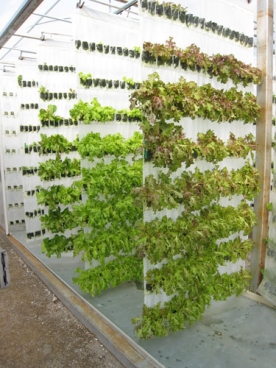
A closed, vertical photobioreactor system that grows algae in translucent, gas-permeable plastic bags, using sunlight, water, nutrients and captured CO_2 to generate oil-rich biomass for biodiesel production.
Principles
- Photosynthesis
- Vertical stacking for increased solar capture
- Closed-loop water recycling
- CO_2 sequestration
Scientific Domains
Materials
- Translucent plastic bags / membrane material
- Algae cells
- Nutrient solutions
- Water
Mechanisms of Action
- Phototrophic growth of micro-algae
- Carbon dioxide absorption and conversion into biomass
- Oil extraction from harvested algae
Energy Sources
Applications
- Diesel-powered vehicles and machinery
- Renewable aviation fuel
- Food, pharmaceutical and cosmetic feedstocks
Claimed Performance
~= 100,000 gallons of algae oil per acre per year (vs. 30 gal corn, 50 gal soy, 10,000 gal pond algae).
Experimental Evidence
Valcent commissioned the world's first commercial-scale HDVB pilot plant in El Paso, Texas; reported yields of 100 k gal/acre/yr and carbon-capture benefits.
Replication Status
Pilot plant operational; no independent third-party replication reported.
Limitations
- Scale-up capital cost
- Dependence on a steady CO_2 source
- Potential membrane fouling and durability issues