Goal
Provide continuous electrical power day and night, capture atmospheric CO_2 and CH_4, and achieve over-unity energy production.
Problem
Climate change and the need for clean, abundant energy and greenhouse-gas removal.
Concept Summary
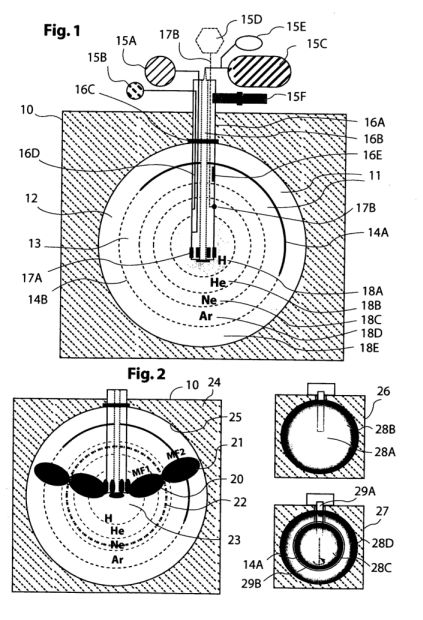
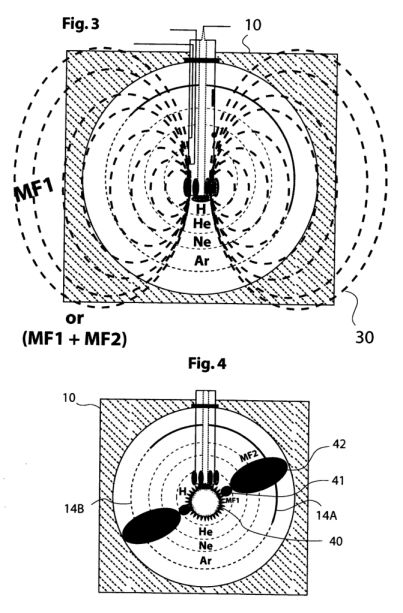
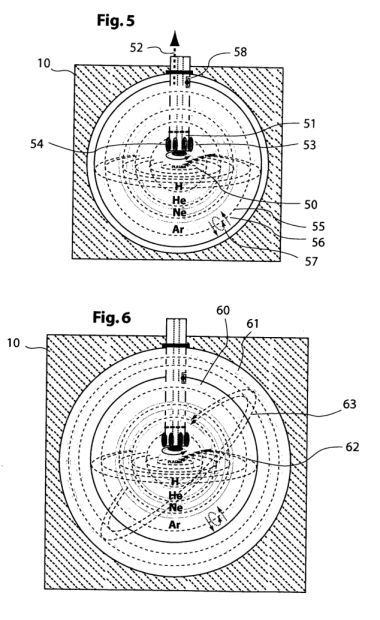
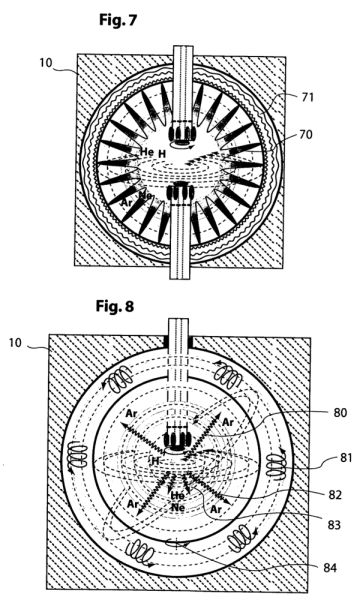
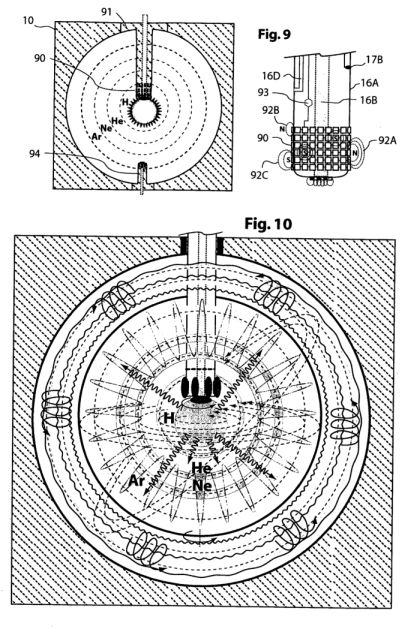
The Keshe Foundation describes a set of devices that use Specific Entangled Plasmatic Magnetic Fields (SEPMAF) and hydrogen-ionised plasma to convert ambient CO_2 and CH_4 into nano-solid or nano-liquid materials while generating electrical power. A static "cola bottle" plasma reactor allegedly produces voltage, current and carbon deposits without chemical reagents, and a "Day & Night Panel" claims to deliver power continuously at levels higher than conventional solar panels. The technology is presented as a self-sustaining electro-nuclear-magnetic generator that can also affect gravity and anti-gravity.
Principles
- Specific Entangled Plasmatic Magnetic Fields (SEPMAF)
- Plasmatic Magnetic Energy (PME)
- Hydrogen ionisation to create plasma
- Magnetic field interaction with gases and nano-materials
- Carbon capture from CO_2/CH_4 and deposition on electrodes
Scientific Domains
Materials
- Carbon dioxide (solid/liquid)
- Methane (CH_4)
- Hydrogen gas
- Metal electrodes (e.g., copper, stainless steel)
- Cola beverage (as electrolyte)
- Metal-organic frameworks (Kt Fluid)
- Nano-compound catalysts
Mechanisms of Action
- Ionisation of hydrogen atoms to generate a plasma environment
- Formation of entangled magnetic fields that interact with ambient gases
- Conversion of CO_2 and CH_4 into nano-solid or nano-liquid phases
- Self-sustaining magnetic field rotation producing electrical voltage
- Deposition of sp^2/sp^3 carbon on electrode surfaces
Energy Sources
Applications
- Household and village electricity supply
- Vehicle power systems
- Industrial processing and lighting
- Climate-change mitigation via CO_2/CH_4 capture
Claimed Performance
Day & Night Panels deliver power continuously day and night at levels considerably higher than conventional solar panels; the reactors are claimed to produce over-unity energy and to capture CO_2/CH_4 efficiently.
Experimental Evidence
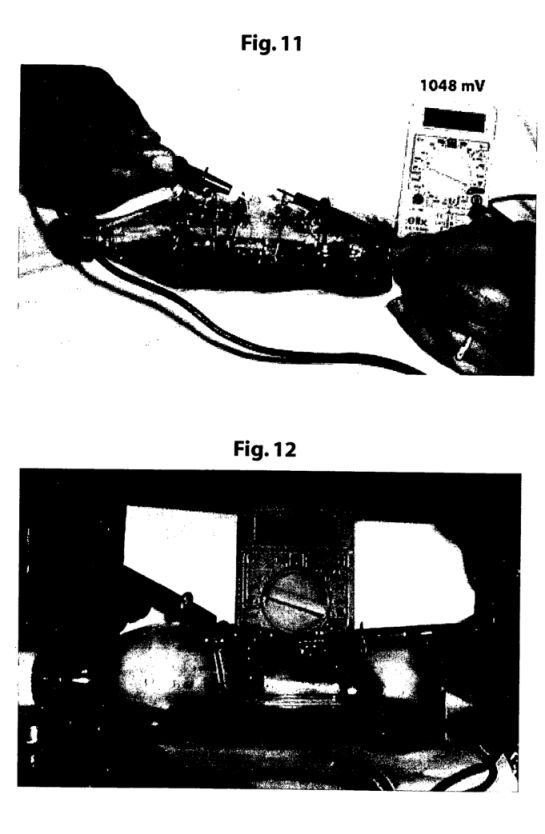
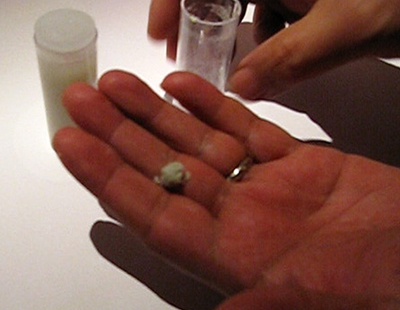
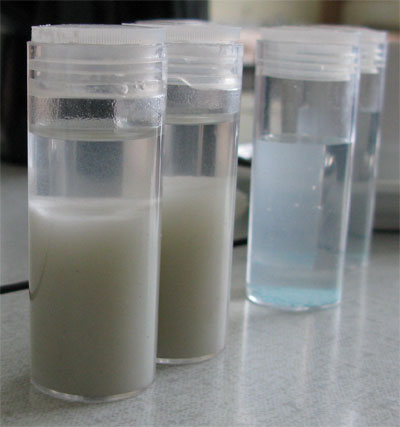
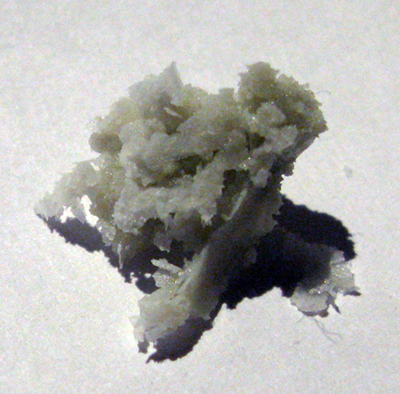
Spectroscopic analysis of CO_2/CH_4 samples performed at a Belgian university; photographs of solid CO_2 at room temperature; voltage and current measurements from static cola-bottle plasma reactors; visual evidence of carbon deposits on electrodes.
Replication Status
Demonstrations have been offered to partners who can supply electrodes and cola liquid; electrodes are returned for independent testing, but no third-party verification has been reported.
Limitations
- Claims are not supported by peer-reviewed data
- Mechanism of over-unity energy generation is not scientifically validated
- Scalability and long-term stability of the plasma reactors are unclear
Red Flags
- Extraordinary energy claims without independent verification
- Use of vague terminology (e.g., "GANS-state", "anti-G")
- Lack of quantitative performance data