Goal
Provide efficient, hands-free propulsion for kayaks using pedal-driven oscillating fins.
Problem
Conventional kayak paddling is labor-intensive and limited in speed; a need for a more efficient, adjustable thrust system.
Concept Summary
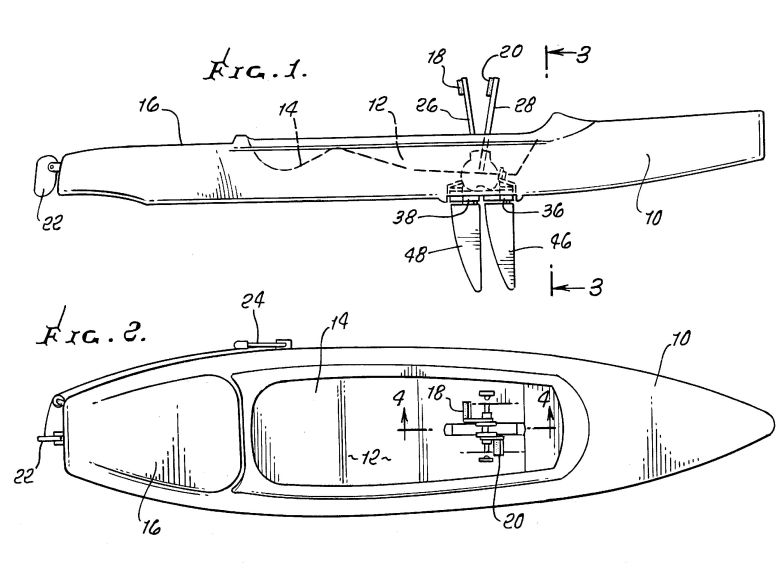
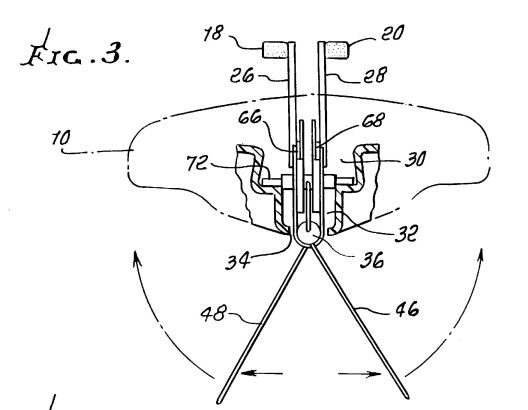
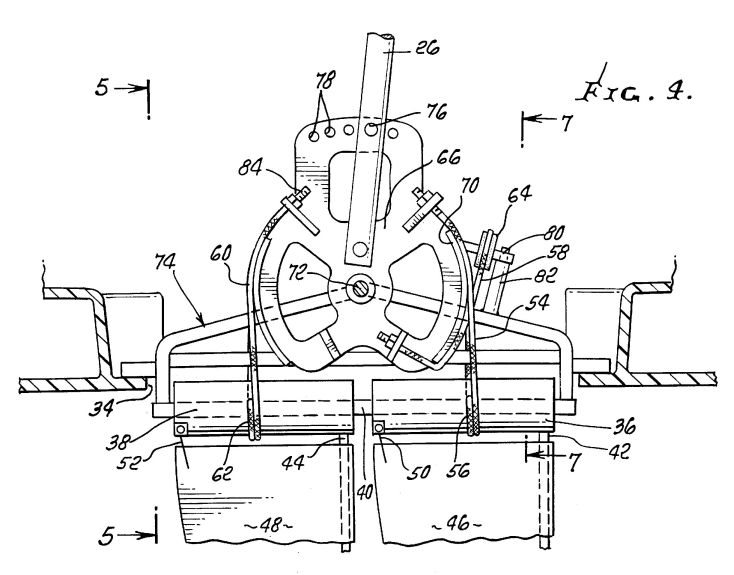
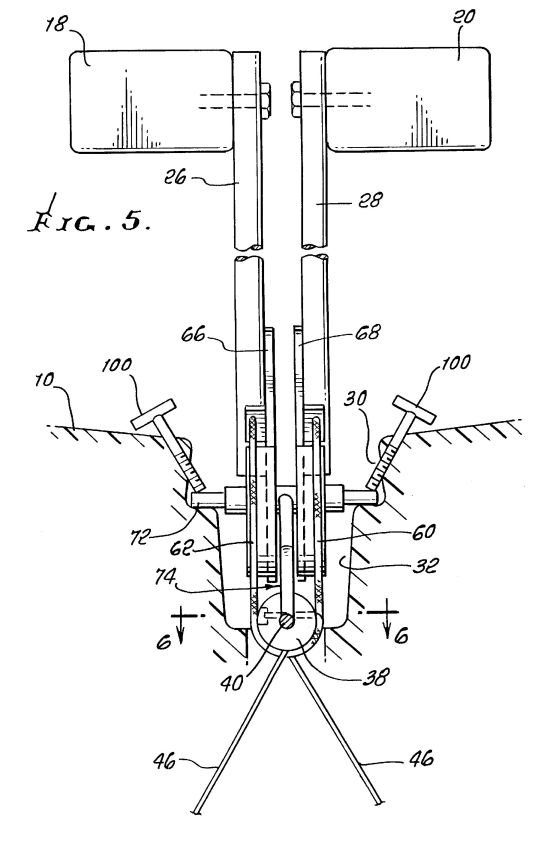
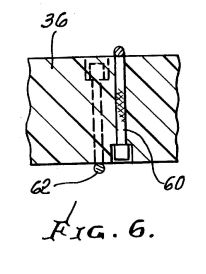
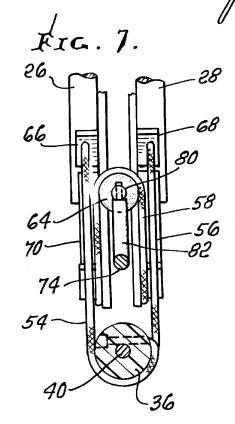
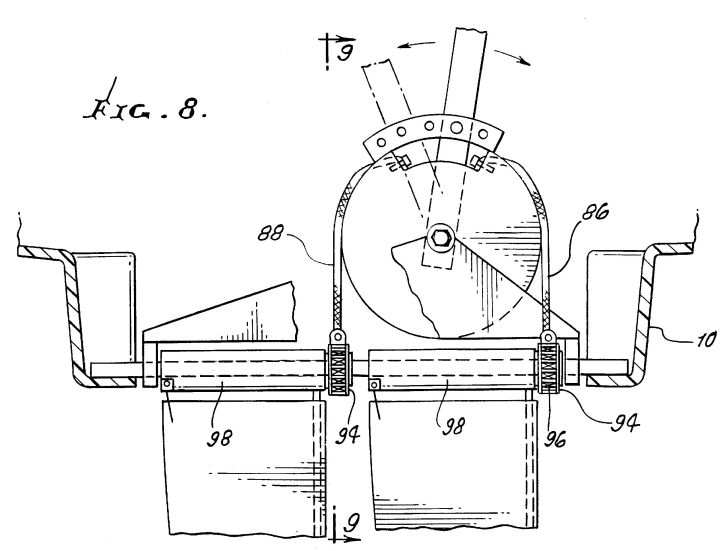
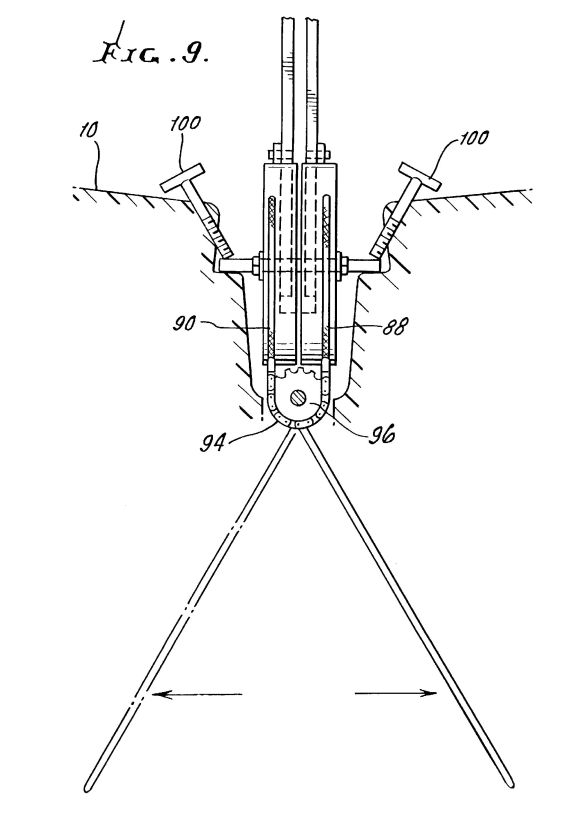
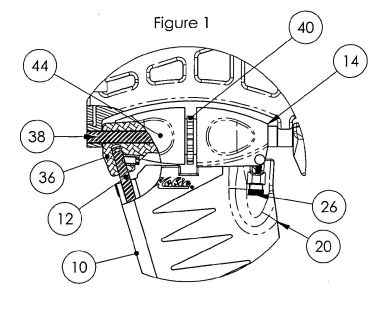
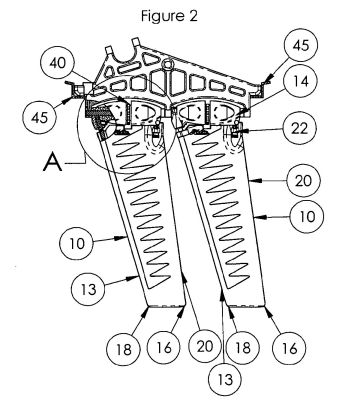
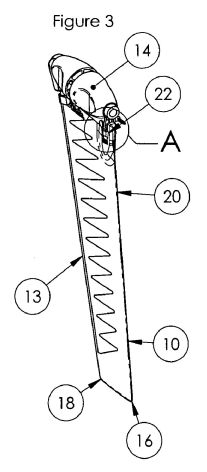
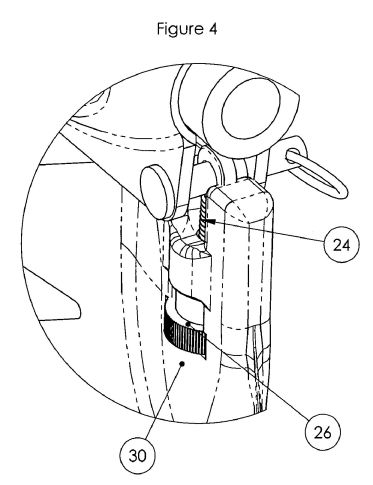
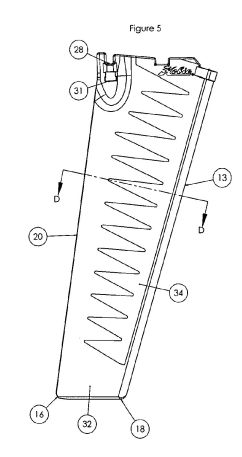
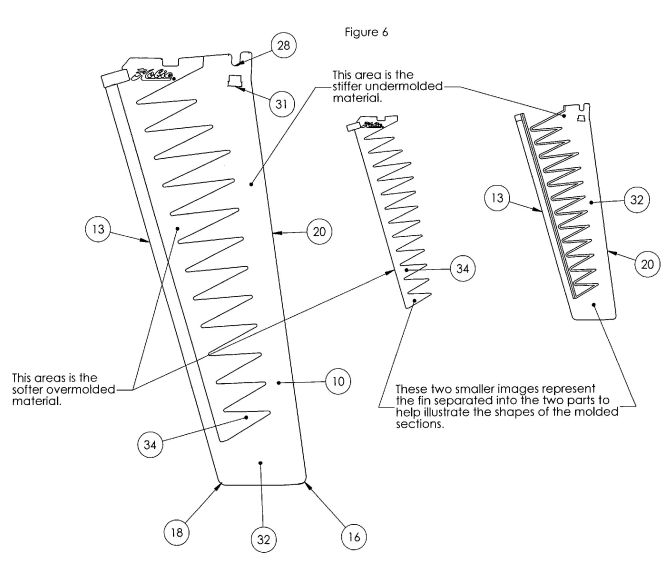
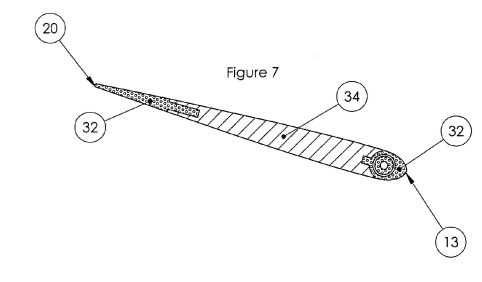
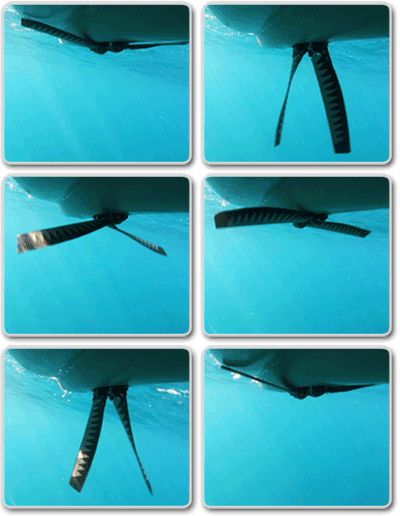
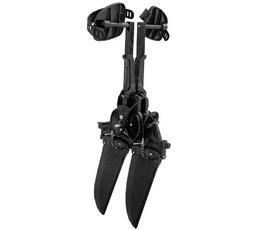
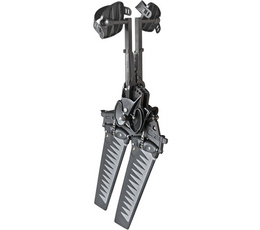
A pair of flexible fins mounted below the hull oscillate transversely when the rider pedals. The fins twist to generate lift, producing forward thrust. The fins have a square top, a harder rubber outer area, and an adjustable trailing-edge tensioning system (mainsheet) to control angle of attack and performance.
Principles
- Hydrodynamic lift
- Oscillating foil thrust
- Adjustable tension (mainsheet) for angle of attack control
- Human-powered mechanical input
Scientific Domains
Materials
- injection-molded plastic
- stainless steel
- hard rubber
- soft rubber
Mechanisms of Action
- Pedal force drives a shaft that oscillates the fins in an arcuate path
- Fin twist creates lift analogous to a propeller
- Trailing-edge tension adjusts fin curvature and angle of attack
Energy Sources
Applications
- Kayak propulsion
- Recreational watercraft
- Hands-free paddling
Claimed Performance
Hobie engineers and kayak users report approximately a 10 % increase in speed with the Turbo Fin Kit.
Experimental Evidence
User reports and video demonstrations show speed gains; no peer-reviewed data provided.
Replication Status
Reported by Hobie engineers and kayak users; no independent third-party replication documented.
Limitations
- Requires continuous pedaling effort
- Performance varies with operator strength and cadence
- Optimized for small to medium-size kayaks