Goal
Remote, non-lethal incapacitation of humans by inducing disorientation, motion sickness and vomiting.
Problem
Need for a stun weapon that can incapacitate hostile individuals through walls without causing permanent injury.
Concept Summary
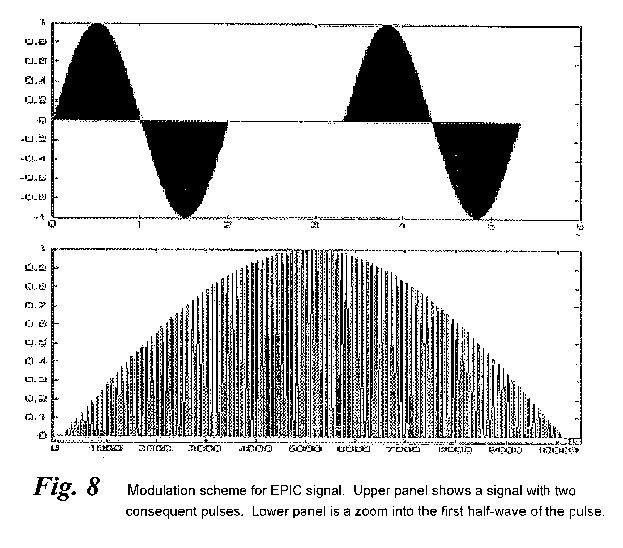
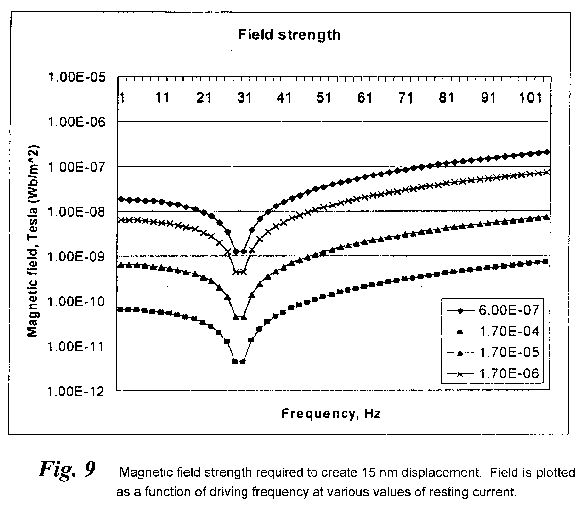
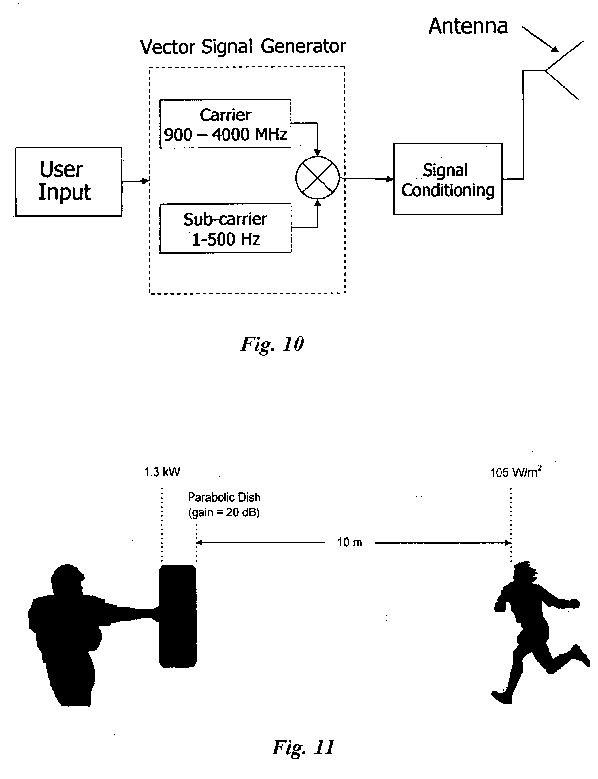
A handheld or portable system that emits a directed radio-frequency (RF) beam. The beam creates Lorentz forces on ionic currents in the vestibular hair cells and other sensory nerves, disrupting mechanical transduction and chemical processes, leading to loss of balance, severe motion sickness and vomiting.
Principles
- Lorentz force on ionic currents
- Radio-frequency (RF) energy coupling to biological tissue
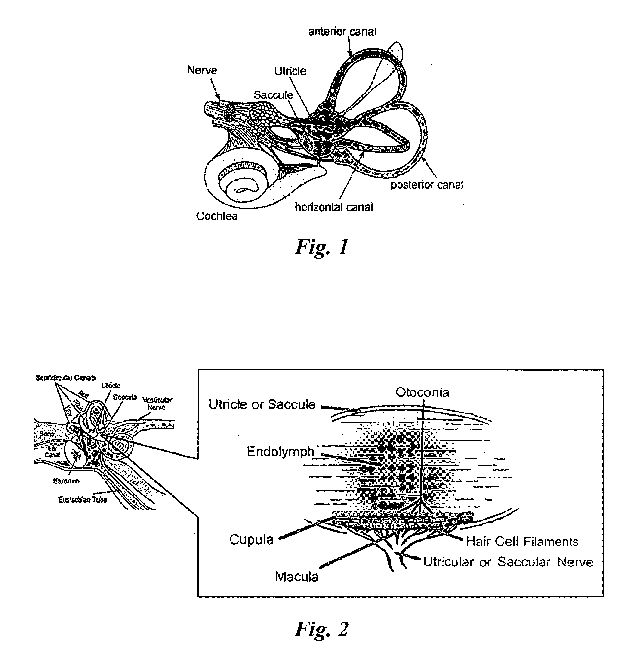
- Disruption of mechanical transduction in the inner ear
- Interference with chemical signaling in nerve cells
Scientific Domains
Mechanisms of Action
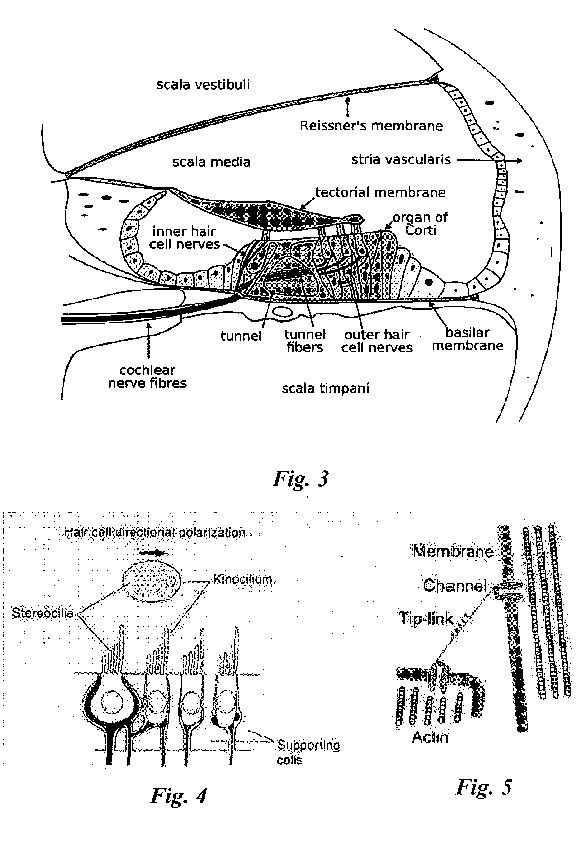
- Beamed RF energy induces electric fields that exert Lorentz forces on vestibular hair-cell cilia
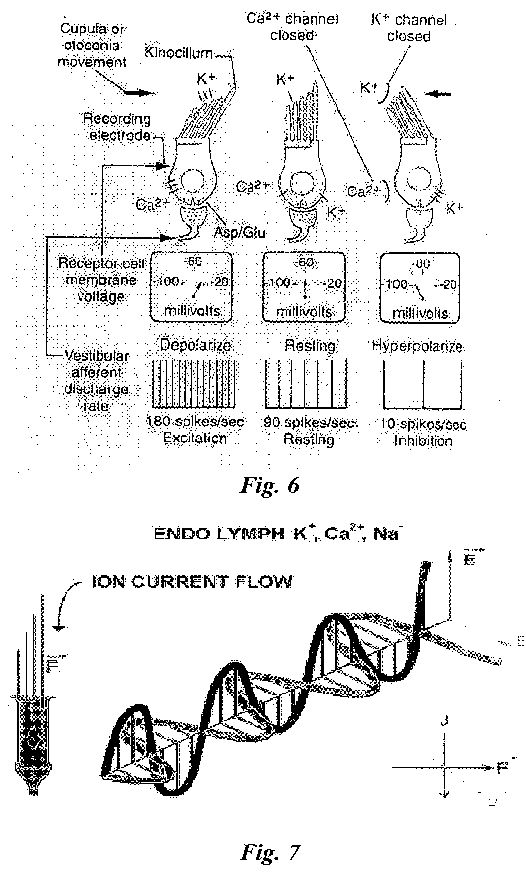
- Alteration of static charge on cell membranes changes ion flow (Ca^2^+, K^+, Na^+)
- Disruption of the vestibular system's signal processing in the brain
- Induced uncorrelated sensory input leads to disorientation and motion sickness
Energy Sources
Applications
- Military urban combat
- Law-enforcement hostage situations
- Crowd control
Claimed Performance
Can incapacitate individuals through walls and non-metallic structures, causing complete disorientation and vomiting with no permanent tissue damage.
Experimental Evidence
Inventors claim a "first known demonstration" of the technology; no quantitative data or independent verification are provided.
Replication Status
Only the initial demonstration is claimed; no independent replication reported.
Limitations
- Efficacy demonstrated only by claim, no peer-reviewed data
- Potential health risks from RF exposure
- Regulatory and ethical concerns for weaponizing vestibular disruption
Red Flags
- Lack of independent testing or replication
- Claims of "no permanent damage" without clinical evidence
- Potential for misuse as a crowd-control weapon