Goal
Enable the naked eye to perceive the human aura (energy field) for diagnostic purposes
Problem
Inability of conventional vision to detect the purported human energy field (aura)
Concept Summary
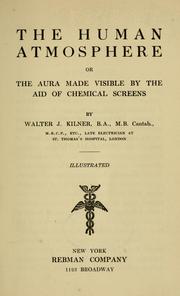
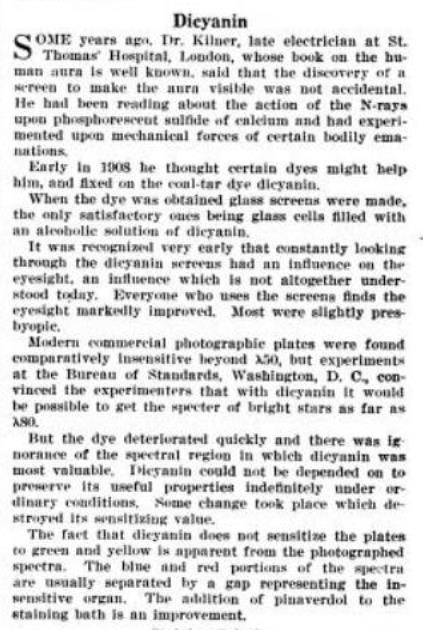
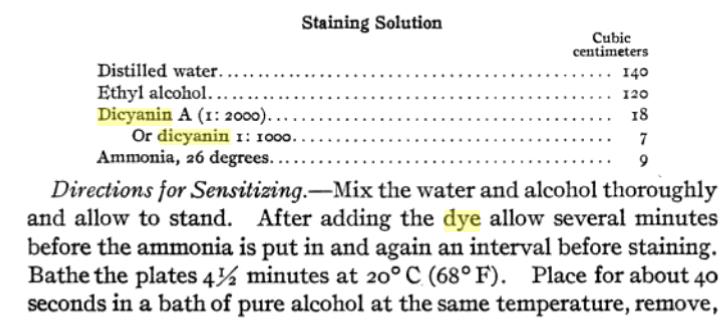
Kilner proposed that a human aura emits radiation outside the normal visible spectrum, likely ultraviolet. By training the eye with glass slides or goggles coated with alcoholic solutions of strongly colored dyes such as dicyanin, the observer could become sensitive to this radiation and perceive auric formations surrounding the body.
Detailed Description
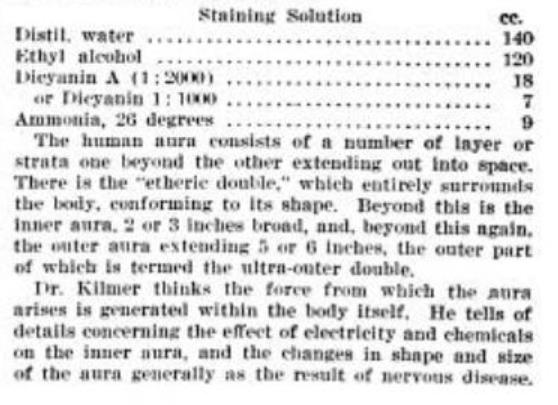
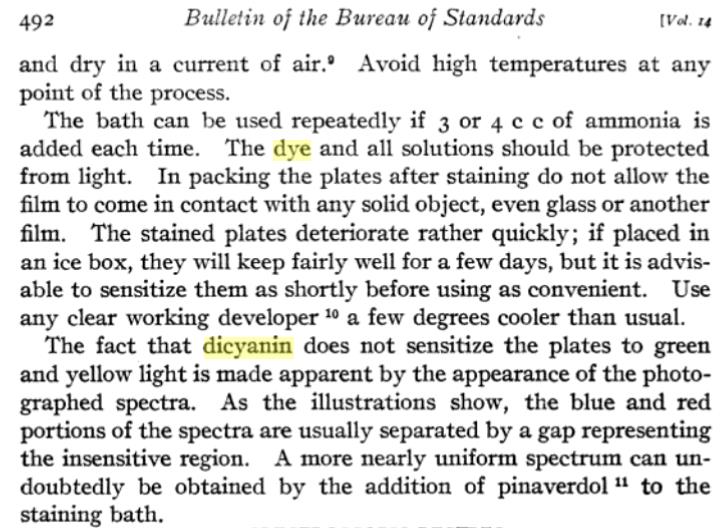
The system consists of glass slides ("Kilner Screens") or goggles containing a thin film of alcoholic dye solution (e.g., dicyanin, pinacolone, cyanopinacolone). The dyes act as optical filters that block most visible wavelengths while transmitting ultraviolet or near-ultraviolet light. Users first train their eyes by looking through the illuminated slides; after training they claim to be able to see the aura without any apparatus. The method was later adapted with alternative dyes (pinacyanol) or substituted with cobalt-blue/purple glass, but the core principle remained optical filtering to reveal a non-visible radiation field.
Principles
- Optical filtering of specific wavelengths
- Training of visual perception to detect ultraviolet radiation
- Use of colored dye solutions as selective transmission media
Scientific Domains
Materials
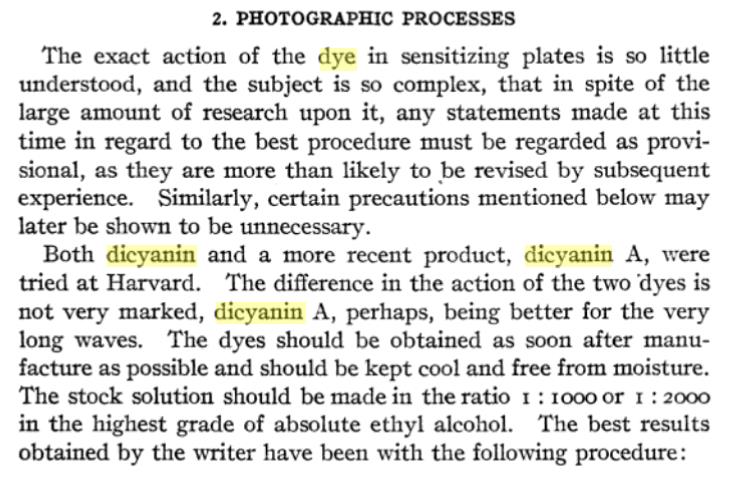
- Dicyanin (synthetic blue coal-tar dye)
- Cyanopinacolone
- Pinacolone
- Glass slides
- Alcohol (ethanol) solvent
Mechanisms of Action
- Dye molecules absorb visible light and transmit UV/near-UV
- Human eye adapts to increased UV exposure after training
- Perceived aura is interpreted as a pattern of UV-induced visual phenomena
Applications
- Medical diagnostic aid (auric imaging)
- Alternative health assessment
Claimed Performance
Ability to see aura formations extending several inches from the body, including inner and outer aura layers, after a short period of eye-training.
Experimental Evidence
Kilner reported visual observations of auric formations; the British Medical Journal attempted replication and obtained negative results; later researchers dismissed the phenomena as observer artifacts.
Replication Status
Negative replication reported by the British Medical Journal; no independent confirmation.
Limitations
- Dyes are scarce, toxic, and hazardous to handle
- No reproducible scientific evidence of aura existence
- Subjective perception highly dependent on observer bias
- Lack of peer-reviewed validation
Red Flags
- Pseudoscientific claims lacking independent verification
- Use of toxic chemicals (dicyanin, cyanopinacolone)
- Historical negative replication attempts