Goal
Melt metals using concentrated solar energy and provide renewable heat for industrial and residential use.
Problem
High cost and environmental impact of fossil-fuel-based metal melting and heating.
Concept Summary
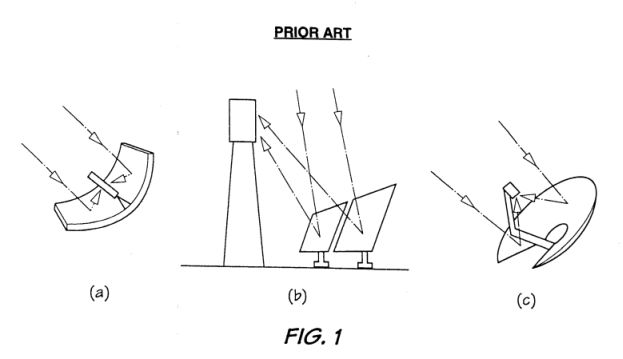
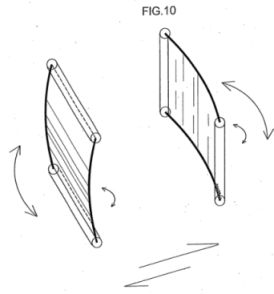
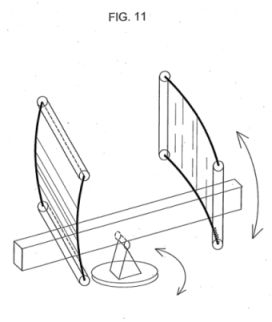
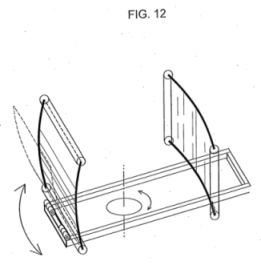
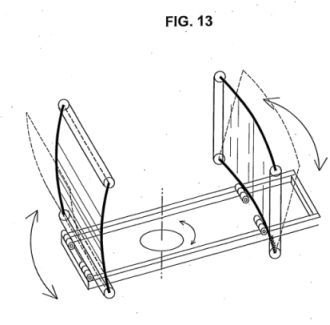
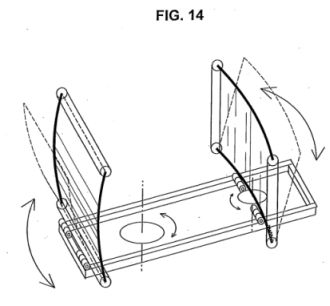
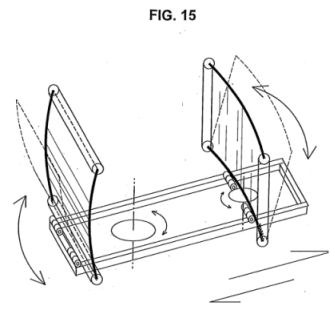
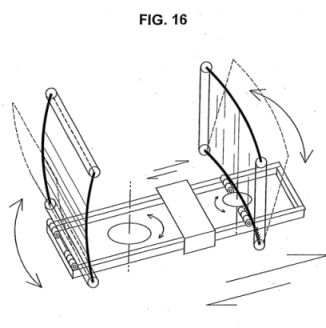
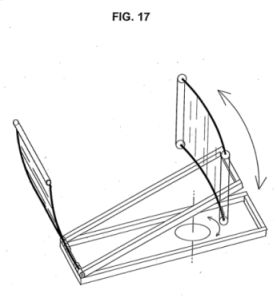
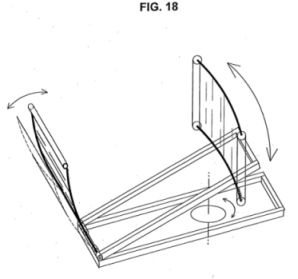
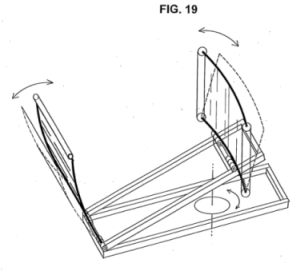
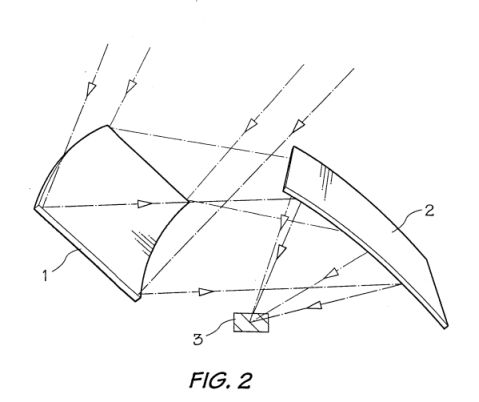
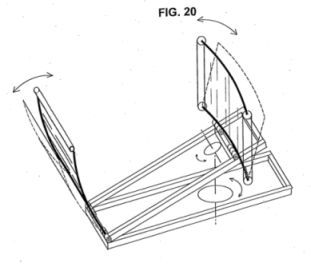
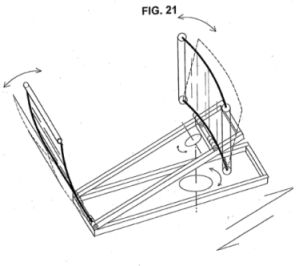
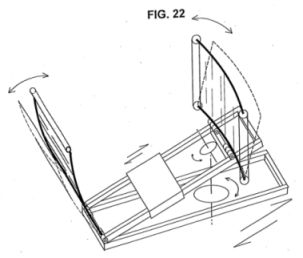
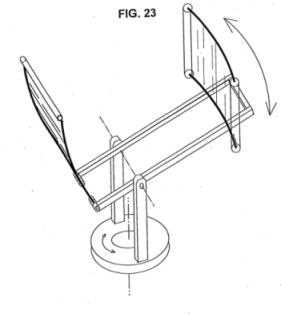
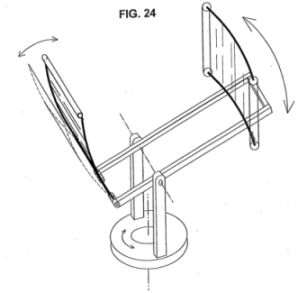
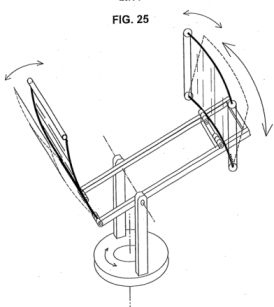
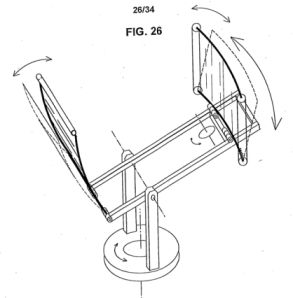
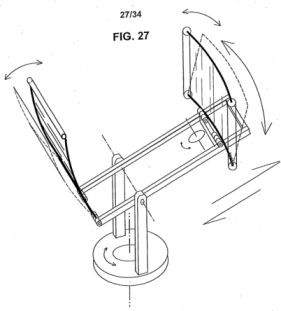
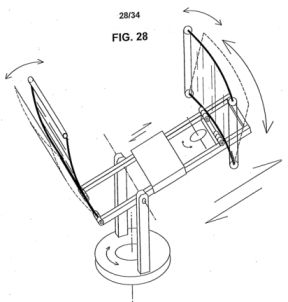
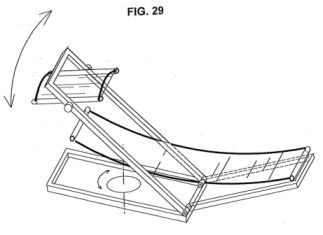
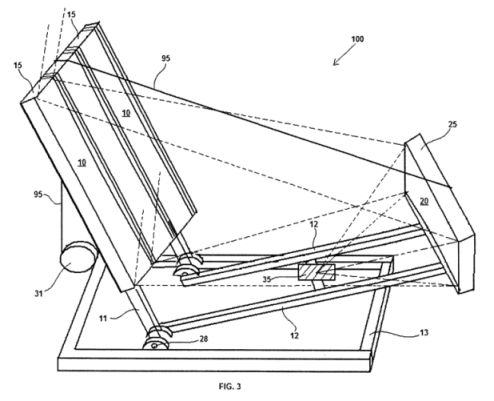
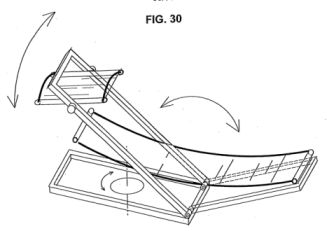
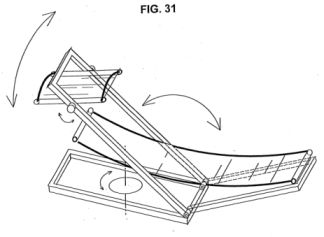
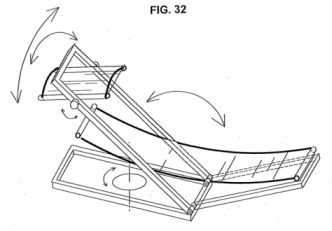
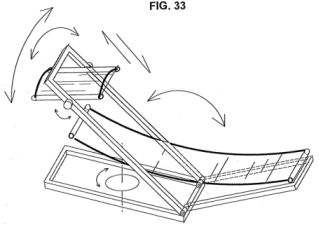
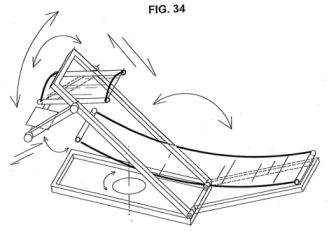
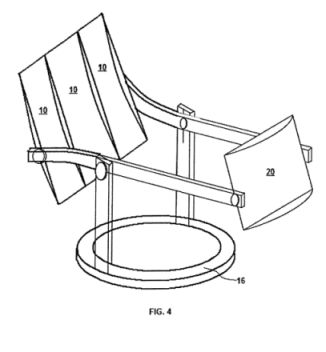
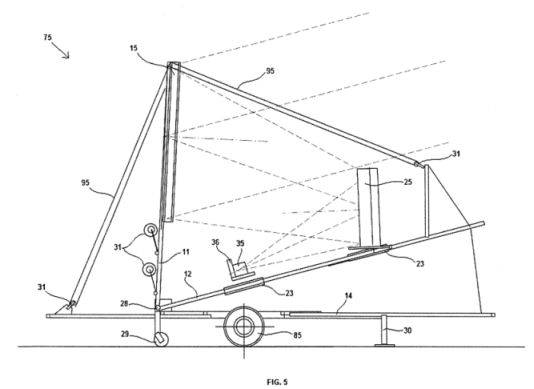
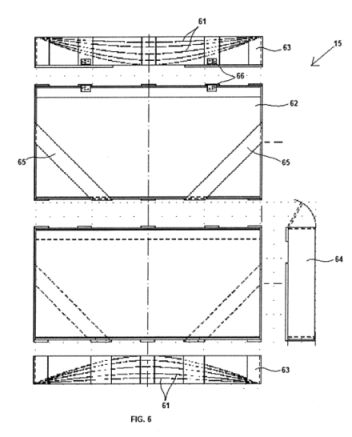
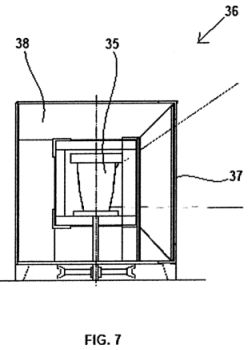
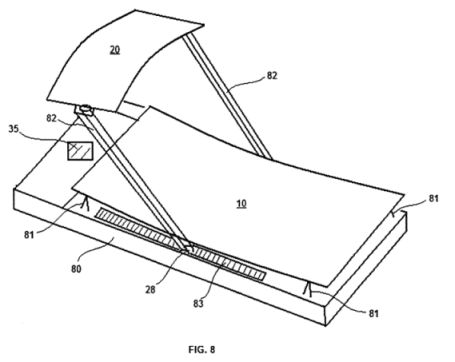
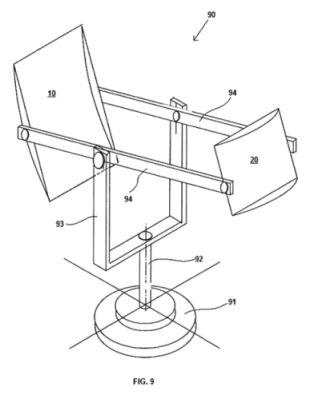
A two-stage solar concentrating system uses a large primary parabolic mirror to reflect sunlight onto a secondary mirror, focusing the rays to a point where a crucible holds metal. The concentrated solar radiation raises the temperature enough to melt metals such as aluminum, lead-zinc alloys, iron, and potentially higher-temperature materials.
Principles
- Solar concentration by reflection
- Parabolic mirror geometry
- Point-focus optics
Scientific Domains
Materials
- Stainless steel (mirror substrate)
- Aluminum (metal to be melted)
- Lead
- Zinc
- Platinum (thermocouple)
- Iron
Mechanisms of Action
- Sunlight reflected from a primary parabolic cylinder
- Secondary parabolic cylinder redirects the beam to a point focus
- Heat transferred by radiation to metal in a crucible
Energy Sources
Applications
- Industrial metal melting in foundries
- Residential water heating
- Small-scale renewable heat generation
Claimed Performance
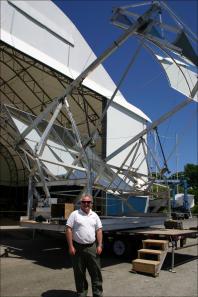
Prototype Alpha melted a lead-zinc alloy at 407 deg C; Gamma II reached recorded temperatures of 1 800 deg C, melted iron (~=2 800 deg C) and destroyed platinum thermocouples (~=1 755 deg C). Aluminum melts at 660 deg C under the system.
Experimental Evidence
Alpha prototype melted babbit (lead-zinc) at 407 deg C. Gamma II achieved 1 800 deg C, melted iron, and caused platinum thermocouples to fail, indicating temperatures above their 1 755 deg C limit.
Replication Status
A smaller version is undergoing six months of testing by Alberta Innovates Technology Futures.
Limitations
- Dependence on sunny weather
- Large mirror area required
- Temperature measurement challenges at extreme heat
- Initial capital cost for mirror structure