Goal
Achieve wingless, hovering flight with lift and propulsion generated by a cycloidal propeller.
Problem
Eliminate the need for fixed wings and conventional propellers, provide vertical hover, reduce noise, and improve maneuverability.
Concept Summary
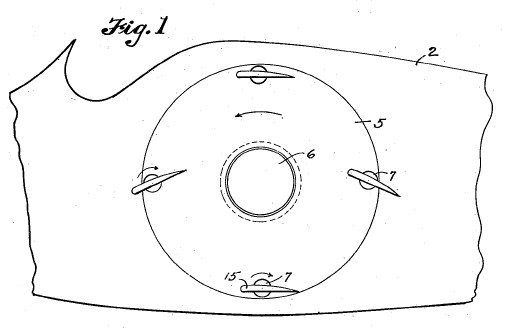
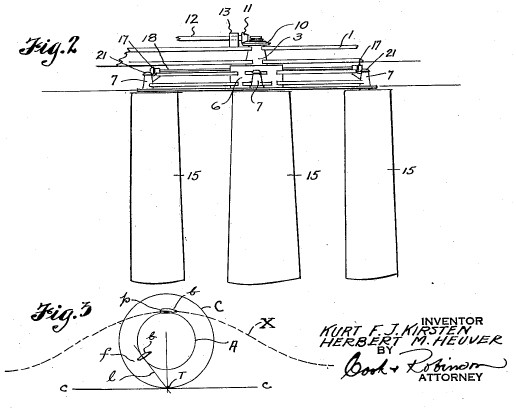
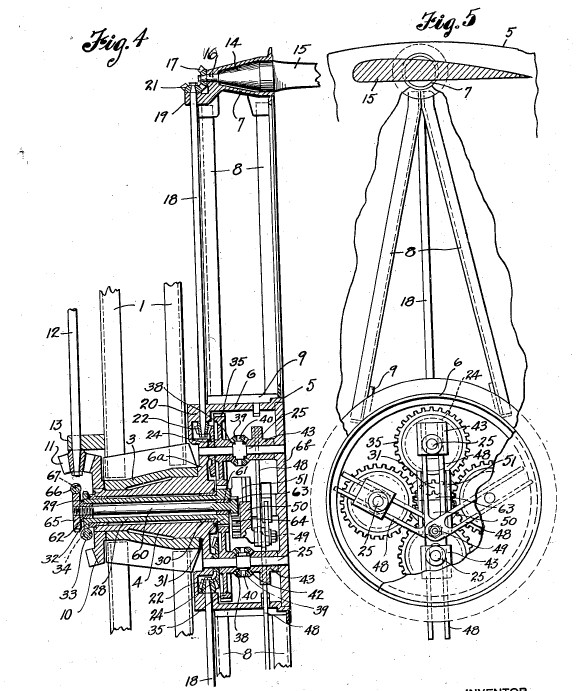
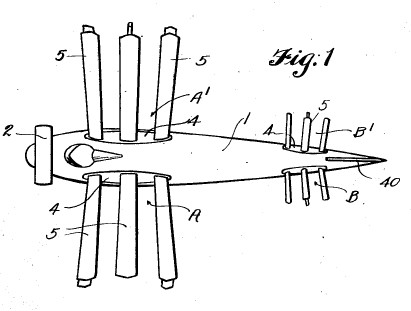
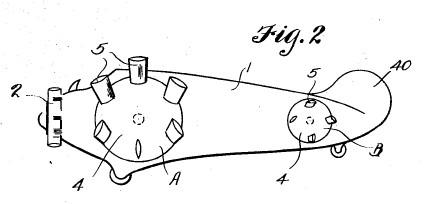
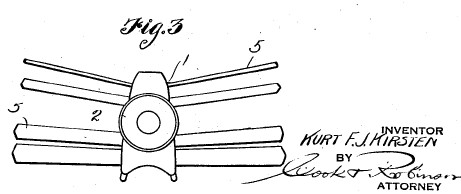
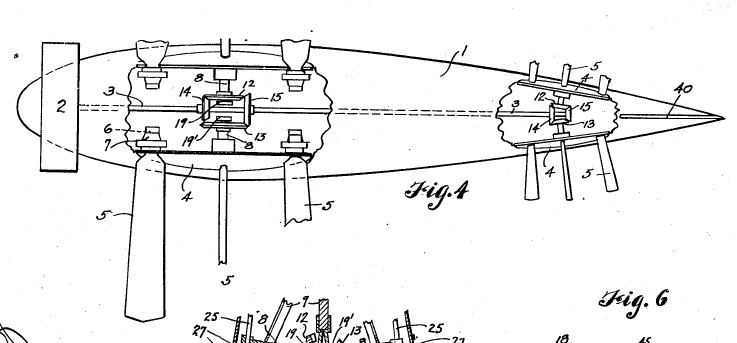
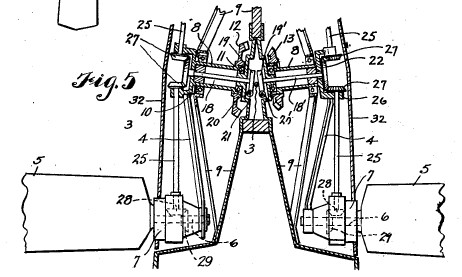
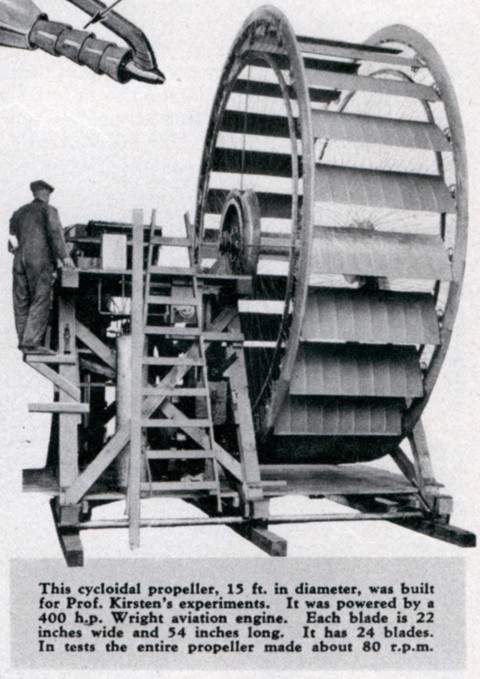
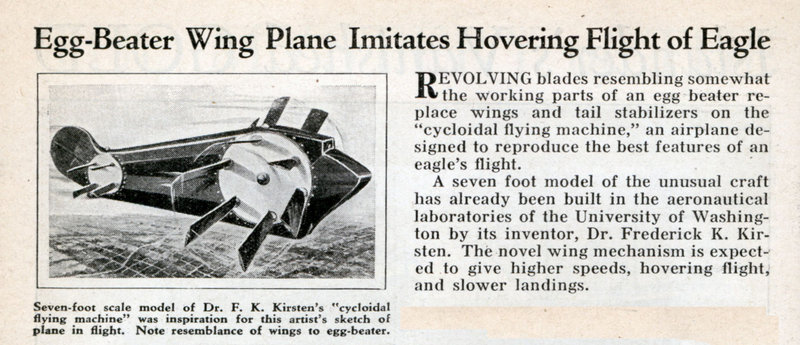
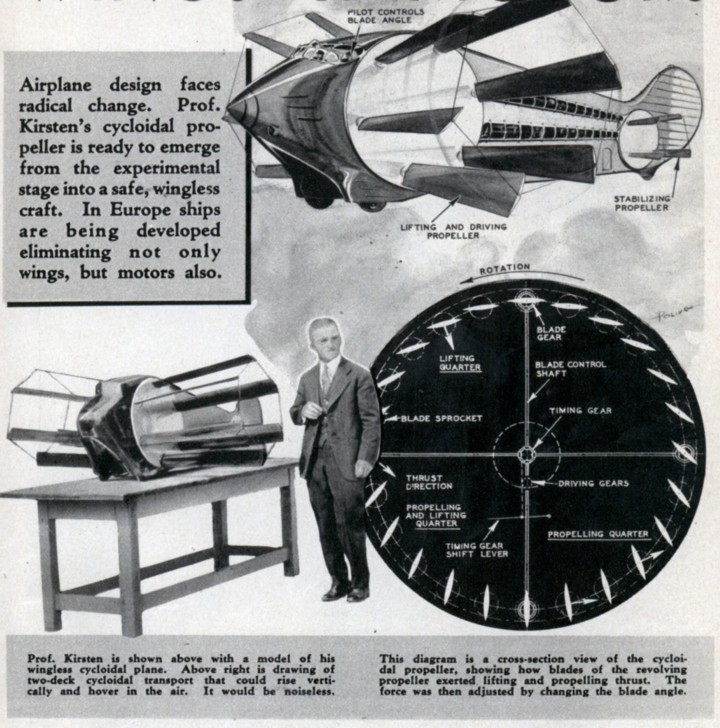
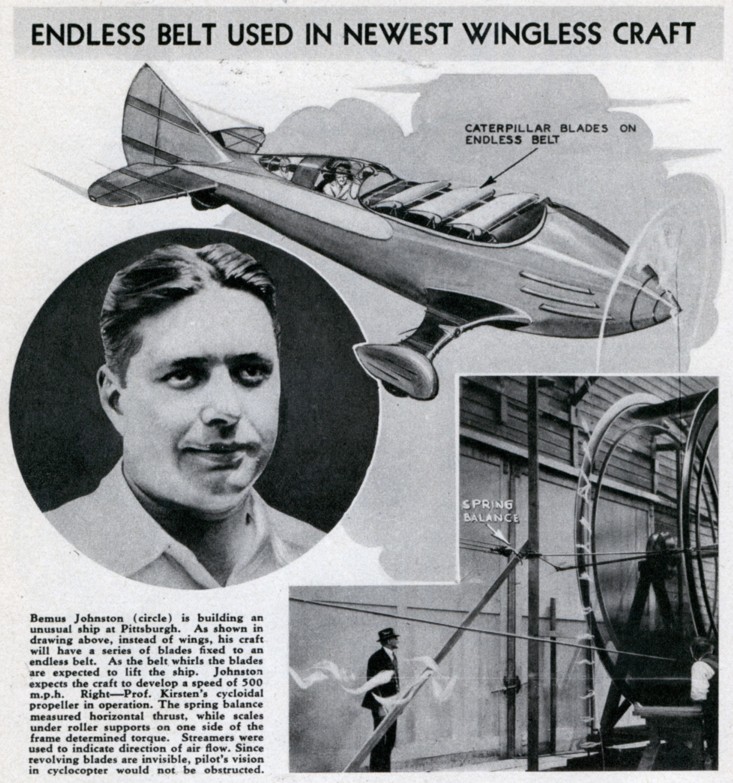
A cycloidal propeller consists of multiple flat blades that rotate about a central rotor while each blade also rotates about its own axis, tracing a prolate cycloidal path. By synchronizing blade pitch with rotor position, the device generates lift and thrust simultaneously, allowing a craft to hover, fly forward, and land vertically without traditional wings or rudders.
Principles
- Prolate cycloid geometry
- Variable-pitch blade control
- Synchronized blade rotation
- Lift generation via rotating flat surfaces
Scientific Domains
Materials
- Aluminum (blade material)
- Steel (gears and shafts)
- Gear steel (beveled pinions)
Mechanisms of Action
- Blade rotation synchronized with rotor revolution
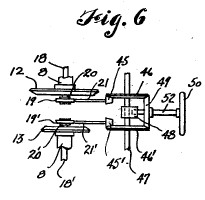
- Gear-driven pitch adjustment to keep blade median chord tangent to cycloid
- Lift and thrust produced by changing blade orientation during orbit
Energy Sources
Applications
- Wingless transport aircraft
- Vertical take-off and landing (VTOL) vehicles
- Silent surveillance platforms
- Military hovercraft
Claimed Performance
Hover in place, vertical landing with little forward momentum, low-noise operation, and speeds potentially exceeding those of fixed-wing aircraft.
Experimental Evidence
A one-sixth-scale model (cyclo-gyro) was built and tested at the Guggenheim Aeronautical Laboratory; the rotor could spin up to 2,000 rpm while the cycloidal propeller operated at 350 rpm, demonstrating thrust and lift in laboratory conditions.
Replication Status
Scale model built and tested; full-size craft planned but not yet built; no independent replication reported.
Limitations
- Complex gear and blade-control mechanism
- Unproven scalability to full-size aircraft
- Lack of quantitative performance data