Goal
Reduce or attenuate the gravitational attraction of a material without using superconductors or cryogenic temperatures.
Problem
Conventional gravity-modification approaches require superconductors, high-speed rotation, or large, costly apparatus; a simple solid dielectric that can be electrostatically polarized is lacking.
Concept Summary
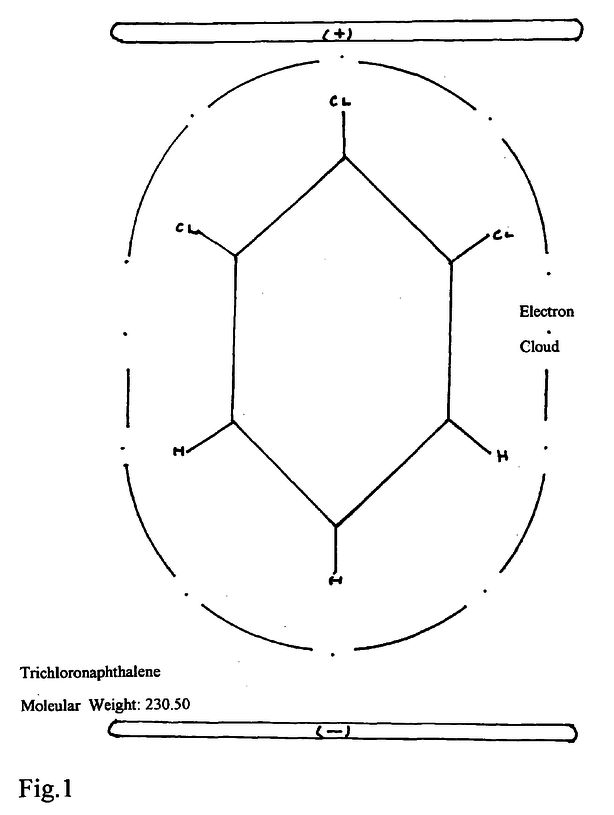
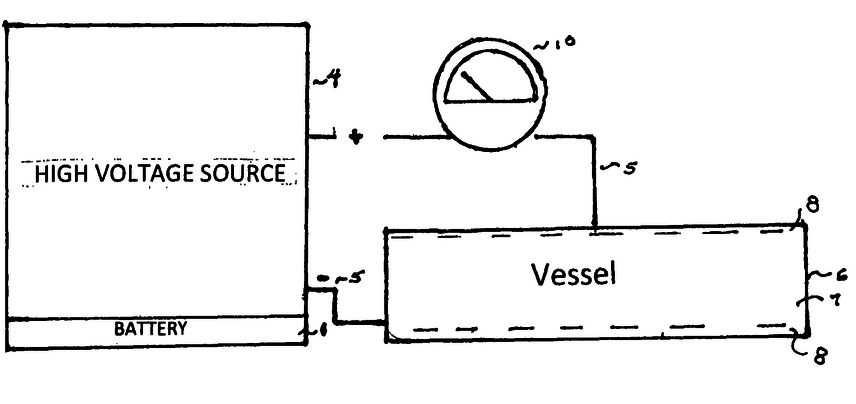
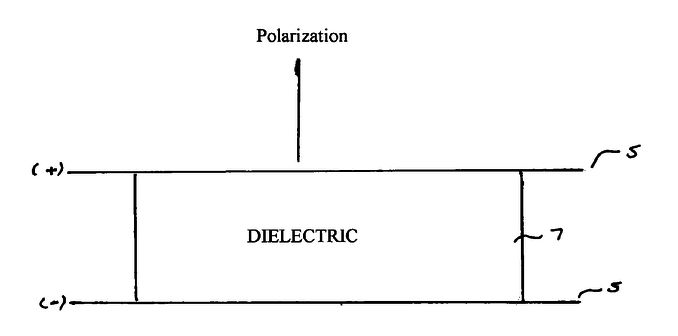
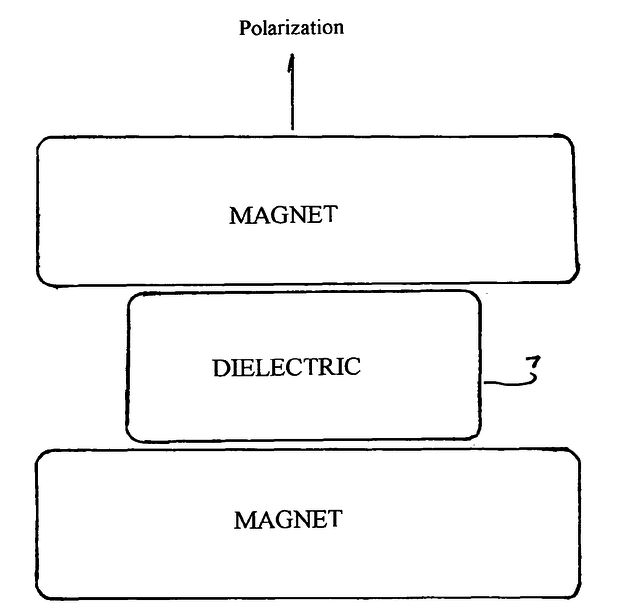
The invention uses solid organic dielectrics (electrets) that contain aromatic benzene-ring molecules. By heating the material above its melting point while applying a strong electric field (or magnetic/photonic radiation), internal electrostatic charges become trapped within the bulk. The trapped charge and aligned dipoles are claimed to reduce the material's interaction with gravity, producing a measurable weight reduction (~=0.04 g).
Principles
- Electrostatic charge trapping inside a solid dielectric (electret)
- Alignment of molecular dipoles under high electric field
- Use of aromatic benzene-ring electron currents (superconductor-like behavior)
- Non-linear optical (NLO) and second-harmonic generation properties
Scientific Domains
Materials
- Mylar (polyethylene terephthalate, PET)
- Benzophenone
- Benzene-series molecules
- Substituted-benzene molecules
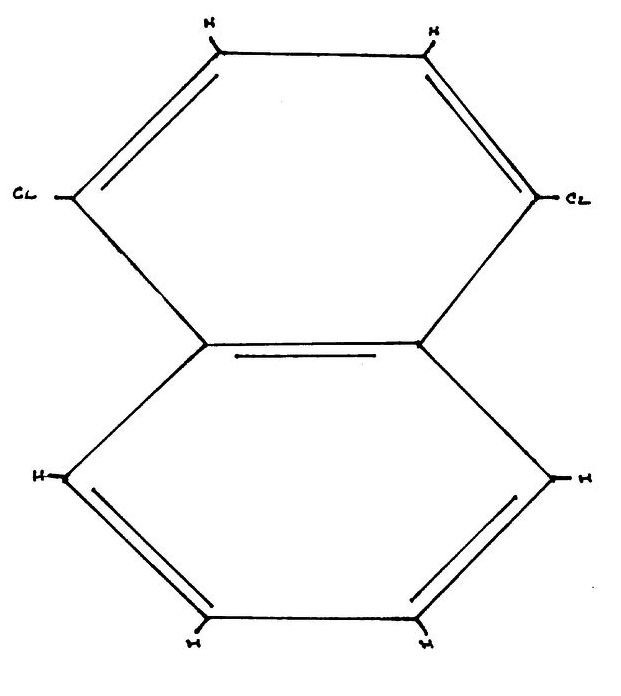
- Chloronaphthalene
- 1,4-dichloronaphthalene
- Chlorobenzene
- 1,2,3-trichlorobenzene
Mechanisms of Action
- Internal electrostatic fields alter the coupling between the dielectric and the gravitational field
- Aligned dipoles create a quasi-permanent internal charge distribution that reduces effective mass
Energy Sources
Applications
- Gravity-shielding devices
- Propulsion concepts
- Force-reduction in precision instrumentation
Claimed Performance
A gravity-shielding effect of approximately 0.04 g was observed from a low-charge electret sample.
Experimental Evidence
The author reports a "small charging effect...and gravity shield is .04 grams...which is unexpected from such a low charge."
Limitations
- Observed effect is extremely small (~=0.04 g)
- Requires high-voltage equipment and precise thermal control
- No independent replication or peer-reviewed data
Red Flags
- Extraordinary claim of gravity modification without mainstream scientific support
- Lack of quantitative experimental data or independent verification
- Reliance on anecdotal observations