Goal
Generate heat and electrical power in excess of the supplied electrical input (over-unity energy production).
Problem
Provide a source of abundant clean energy that exceeds the energy required to operate the device, reducing dependence on conventional fuels.
Concept Summary
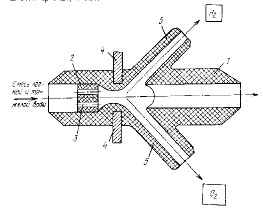
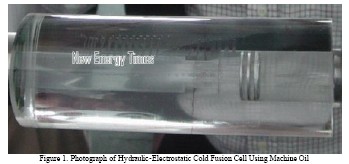
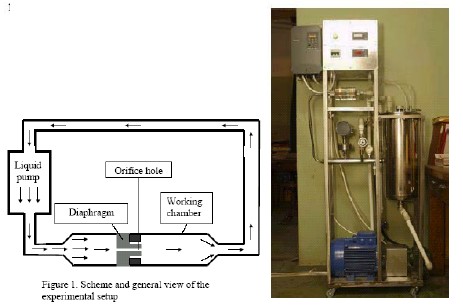
A fluid (water mixed with a small amount of heavy water) is forced through a small orifice in a dielectric plate while being vibrated piezo-electrically. Cavitation bubbles collapse, causing dielectric breakdown and emission of electrons that create a high-density charge region. The device is claimed to produce excess heat and electricity, possibly via low-energy nuclear fusion (proton-boron or deuterium-deuterium reactions).
Principles
- Piezo-electric vibration
- Cavitation bubble collapse
- Dielectric breakdown and electron emission
- Charge separation and plasma formation
- Resonant flow pulsation
- Low-energy nuclear fusion (proton-boron, deuterium-deuterium)
- Magnetic or electrostatic deflection of charged particles
Scientific Domains
Materials
- Light water (H_2O)
- Heavy water (D_2O, deuterium oxide)
- Dielectric plate (unspecified ceramic or polymer)
- Boron-doped oil (in some experiments)
- Magnets (for DC/AC observation)
Mechanisms of Action
- Cavitation-induced bubble collapse generates localized high temperature and pressure
- Dielectric material emits electrons under mechanical stress
- Formed charge region creates a plasma that may facilitate fusion reactions in deuterated water
- Electrical discharge extracted from the plasma provides usable electricity
Energy Sources
Applications
- Heat generation for industrial/municipal use
- Electric power generation
- Hydrogen and oxygen production
Claimed Performance
40 kW heat output with 2 kW electrical input (~=20x excess); 2000 % excess energy reported by a test; continuous operation up to 100 hours.
Experimental Evidence
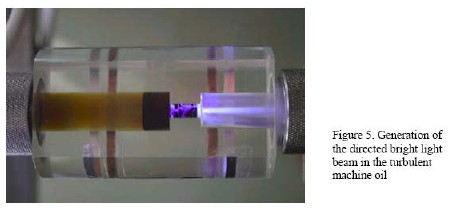
Reports of 2000 % excess energy, observation of blue plasma jets, hard X-rays, and He-4 emission lines during cavitation; a 40 kW heat output measured with 2 kW electrical input; continuous operation for 100 hours in some experiments.
Replication Status
Multiple researchers (Korean, Canadian, Russian) claim reproducibility, but no independent peer-reviewed verification is documented.
Limitations
- No peer-reviewed or independently replicated data
- Exact dielectric material and geometry not disclosed
- Potential safety hazards from high-pressure cavitation and plasma
- Scalability and cost not addressed
Red Flags
- Extraordinary over-unity claims without peer-reviewed validation
- Vague description of the core mechanism and materials
- Reliance on anecdotal reports and commercial hype
- Potential for scam or unsubstantiated marketing