Goal
Generate electricity using gravity without external fuel, providing a self-sustaining power source.
Problem
High cost and dependence on conventional electricity sources; need for low-cost, renewable on generation.
Concept Summary
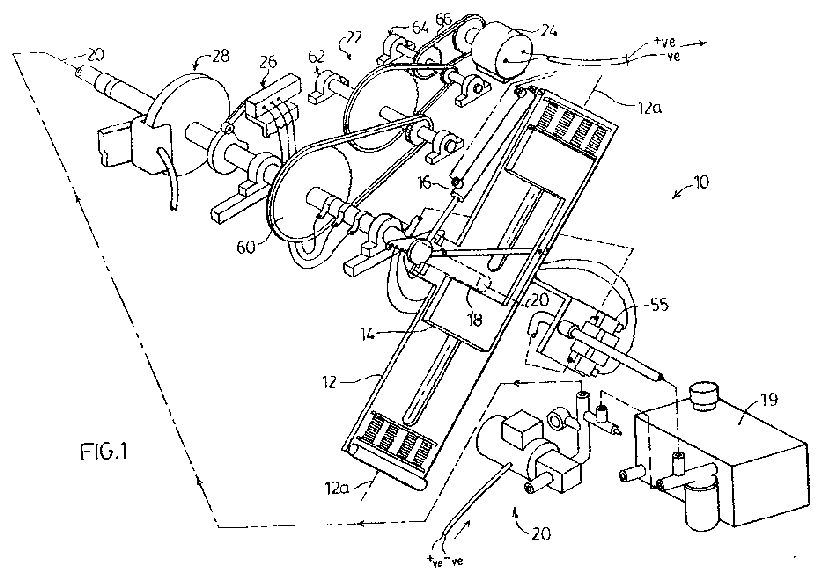
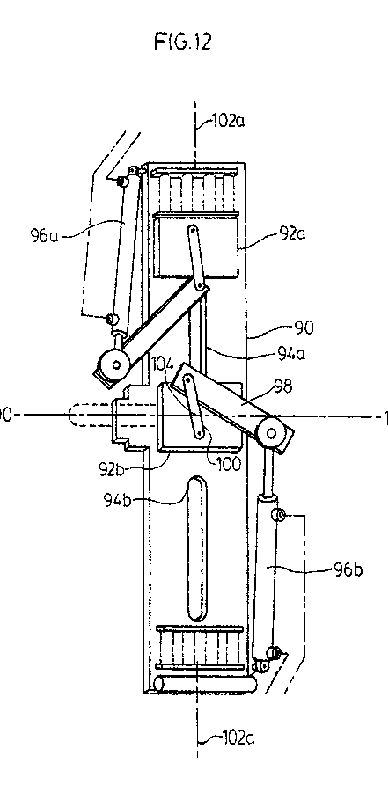
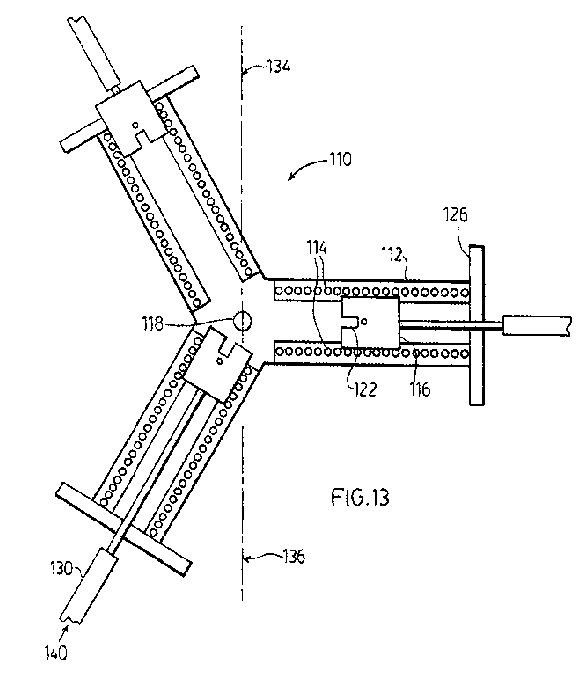
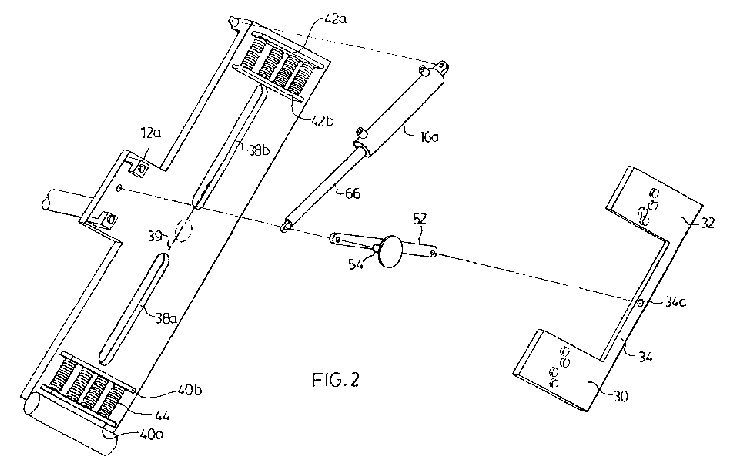
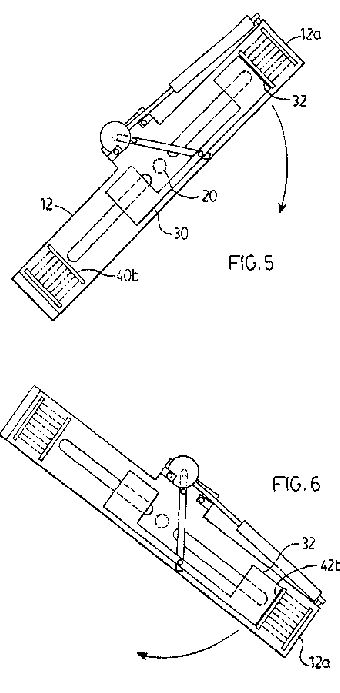
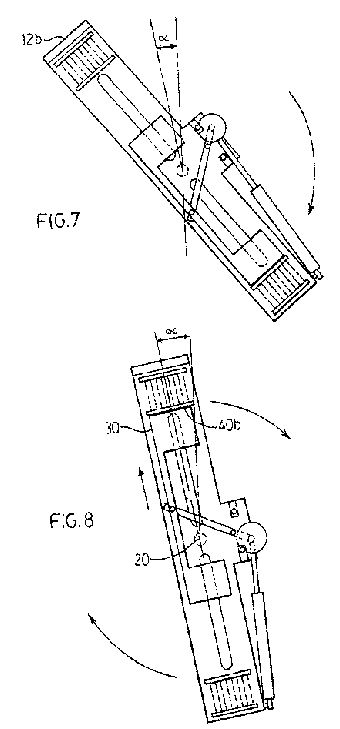
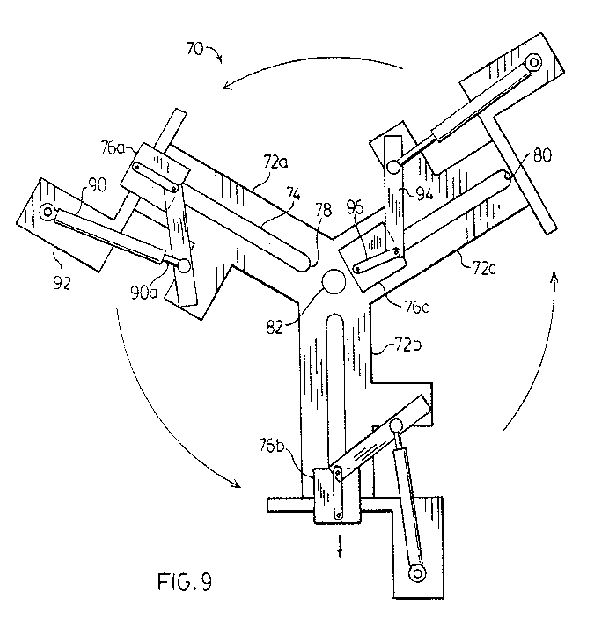
The device uses a series of sliding weights that act like a teeter-totter under Earth's gravitational pull. The weights cause a rotor to spin; installed magnets convert the rotational motion into electricity. An actuator driven by pressurized fluid moves the sliders back and forth, sustaining the motion after a brief start-up energy input.
Detailed Description
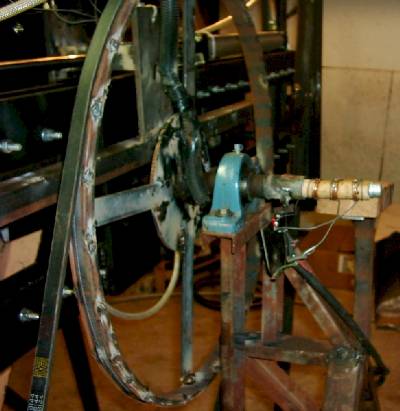
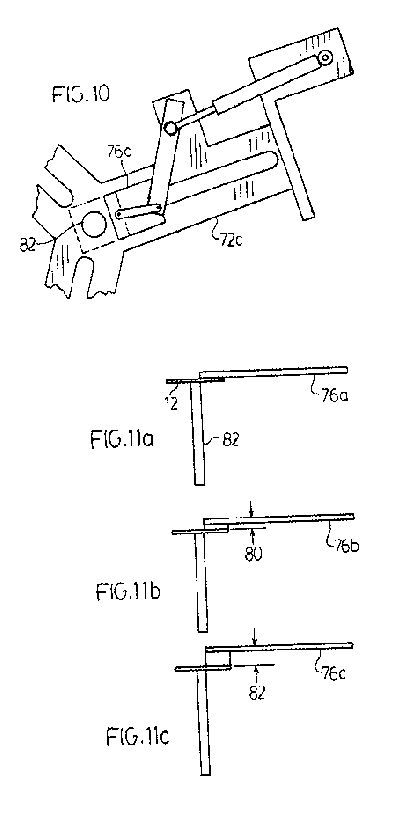
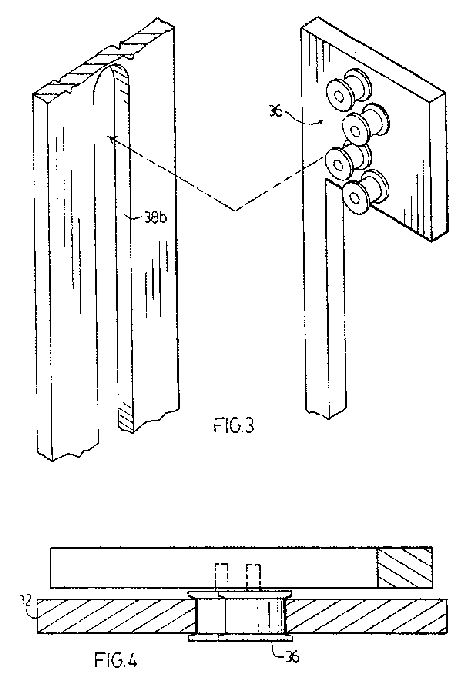
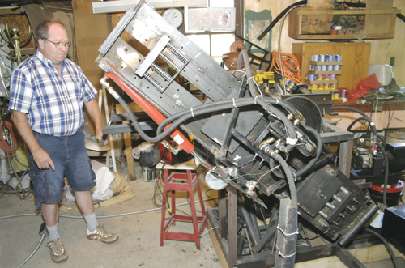
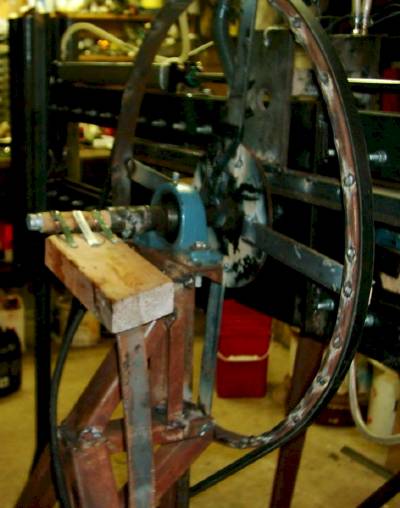
A rotor mounted on a horizontal spindle carries sliders made of steel plates. The sliders move radially between two stop points, driven by a fluid-pressurized actuator (air, oil, or water). As the heavier plate moves farther from the axis, it creates a torque that accelerates the rotor. Magnets attached to the rotor induce current in surrounding coils, producing electricity. The system is enclosed, roughly 8 x 4 x 6 ft, and can be scaled up to generate tens of thousands of watts. Five prototype units have been built and demonstrated in a video.
Principles
- Gravitational potential energy conversion
- Magneto-electrical induction
- Fluid pressure actuation
Scientific Domains
Materials
- Steel
- Magnets
- Oil
- Water
- Air
- Coil springs
Mechanisms of Action
- Sliding masses convert gravitational pull into rotational motion
- Rotating magnets induce electrical current in coils
- Pressurized fluid actuators drive the sliders
Energy Sources
Applications
- Home electricity generation
- Hydrogen electrolysis
- Off-grid power
- Vehicle charging
Claimed Performance
Provides as little as 10 ft-lb of torque up to several hundred ft-lb; can generate tens of thousands of watts depending on size; cost claimed to be less than half that of a small wind turbine.
Experimental Evidence
Five prototype units have been built; a video demonstration is available; no independent peer-reviewed data are presented.
Replication Status
Five units have been constructed by the inventor; no external replication reported.
Limitations
- Requires a brief start-up energy input
- Performance not independently verified
- Potential mechanical wear of moving parts
- Scale-up and cost details unclear
Red Flags
- Claims of free or over-unity energy without quantitative data
- No peer-reviewed validation or independent replication
- Potential for overstated performance