Goal
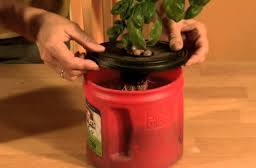
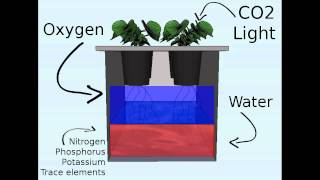
Provide a simple, low-cost, pump-free system for growing vegetables (e.g., lettuce) in small-scale containers.
Problem
Need for low-maintenance, water-efficient hydroponic gardening for hobbyists, educators, and urban dwellers without reliance on electricity or circulating pumps.
Concept Summary
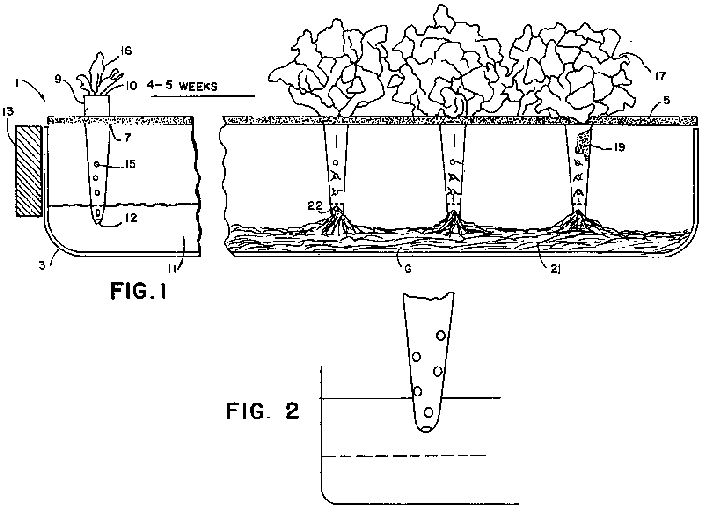
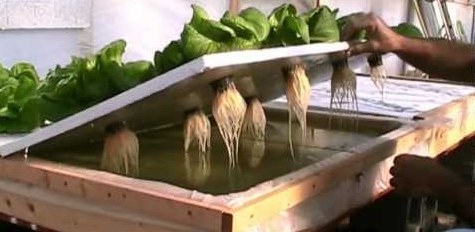
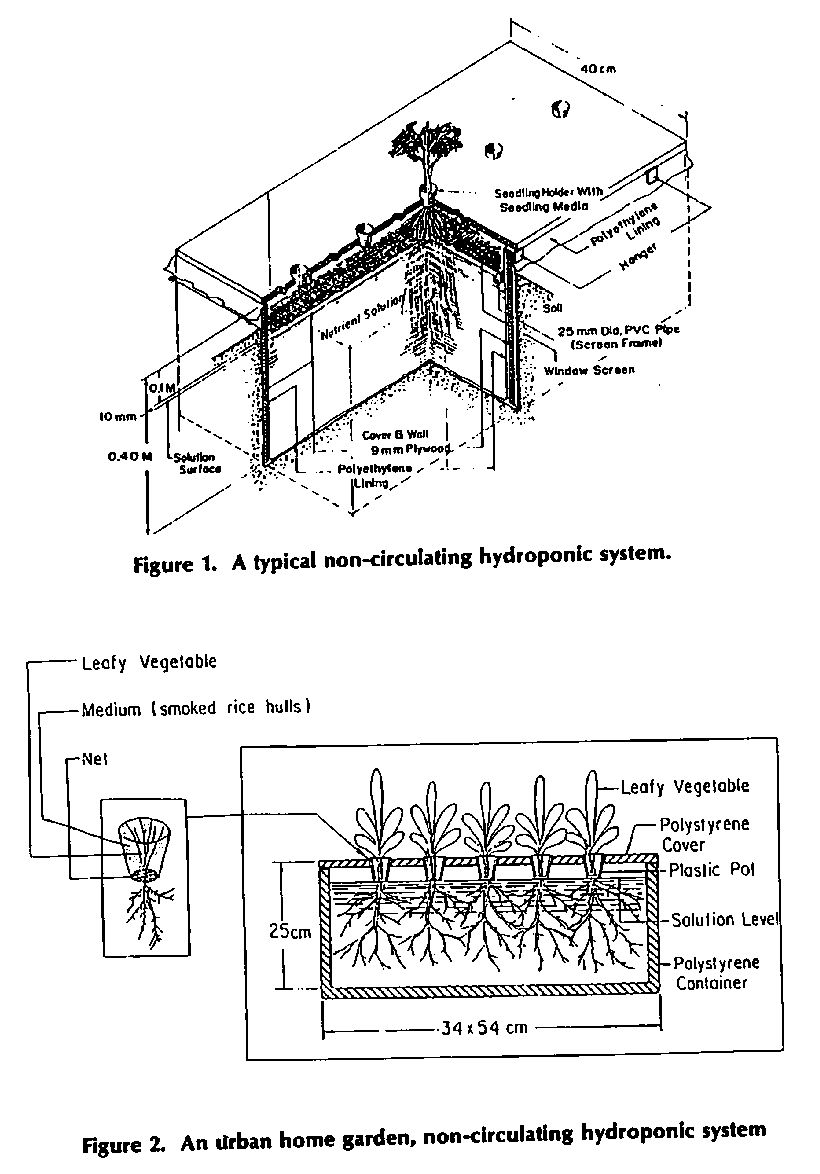
A water-impervious container holds a nutrient solution; tapered, root-impervious plastic tubes filled with a particulate growing medium are partially submerged. Capillary action supplies water and nutrients to the medium, allowing plants to grow until the solution level falls below the tube bottoms, after which roots continue to draw moisture. No further watering or fertilization is required.
Principles
- Capillary wicking
- Non-circulating nutrient reservoir
- Gravity-driven nutrient uptake
- Root-impervious tube design
Scientific Domains
Materials
- Polyethylene water-impervious container
- Plastic (PVC) tapered tubes
- Growing medium (sand, peat, vermiculite blend)
- Pre-measured fertilizer packets
Mechanisms of Action
- Capillary action draws nutrient solution into the growing medium
- Roots absorb water and nutrients from the moist medium
- Root-impervious tubes prevent root entanglement and maintain aeration
Energy Sources
Applications
- Home and balcony gardening
- Educational kits for schools
- Urban container gardening
Claimed Performance
Average lettuce harvest weight 157-195 g per head after 32 days; water consumption 14.4 L kg^-^1 fresh weight (12.6 L kg^-^1 for semi-head lettuce).
Experimental Evidence
In a greenhouse trial, 19-day seedlings seedlings were transplanted into the system; after 32 days the lettuce heads were marketable with the weights noted above and no additional watering was required.
Replication Status
Experimental demonstration performed in a greenhouse; no commercial scaling reported.
Limitations
- Optimized for short-term leafy crops (e.g., lettuce)
- Requires initial nutrient solution; not a closed-loop system
- Root drying can occur if solution level falls >40 mm below tube bottoms