Goal
Provide a lightweight, portable bivouac shelter that keeps occupants comfortable in extreme cold using only body heat, while managing moisture.
Problem
Need for a compact, lightweight shelter that offers high thermal insulation and effective humidity control for mountaineers, trekkers, homeless, and emergency responders.
Concept Summary
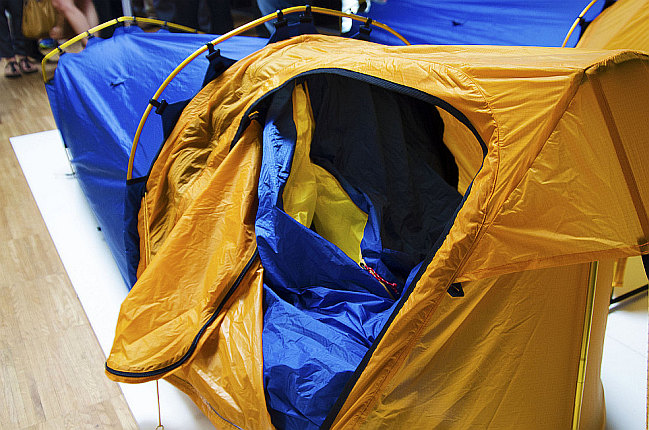
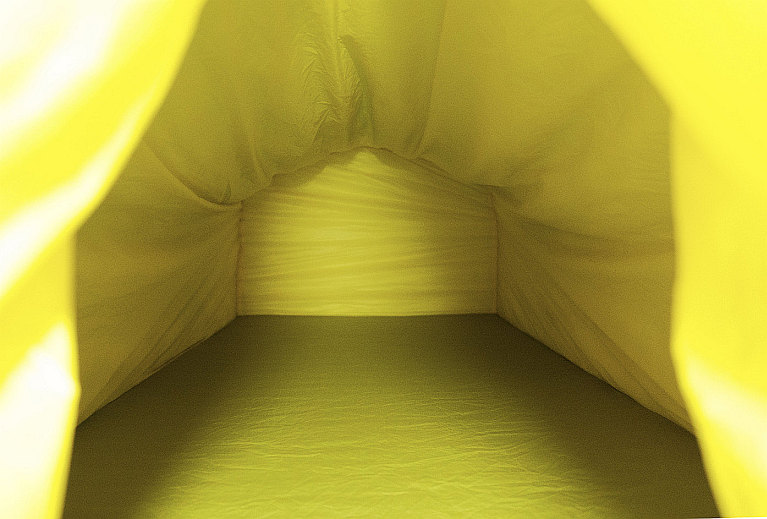
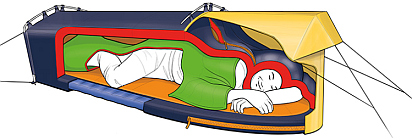
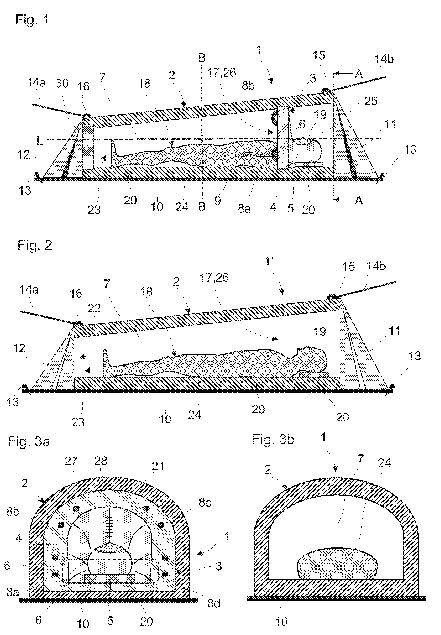
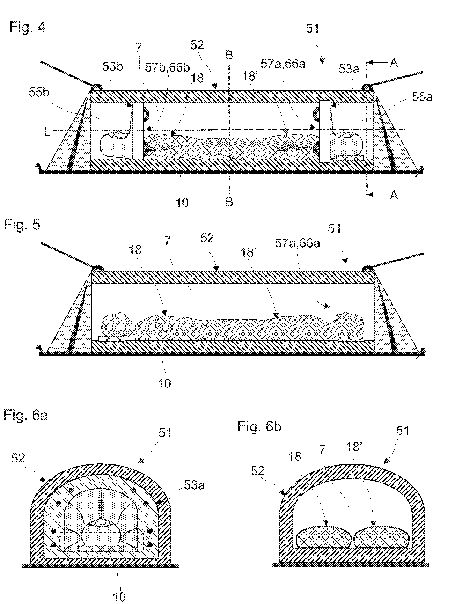
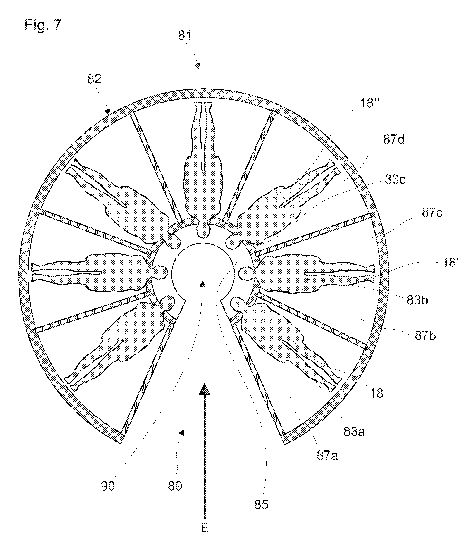
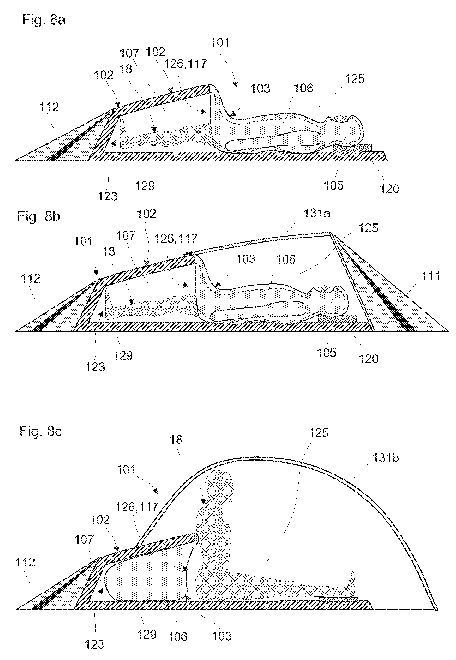
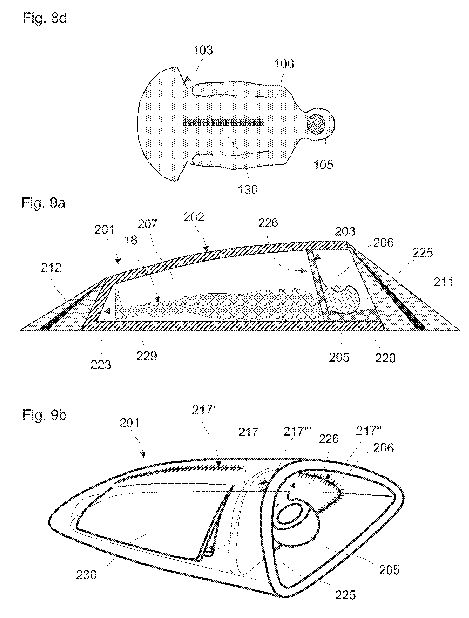
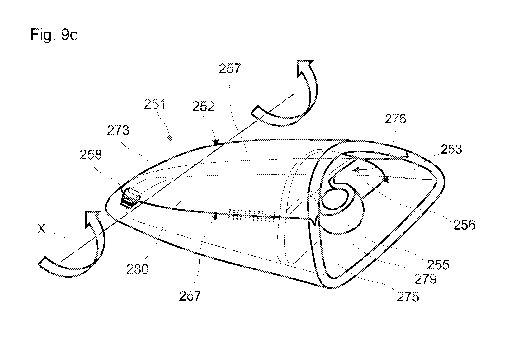
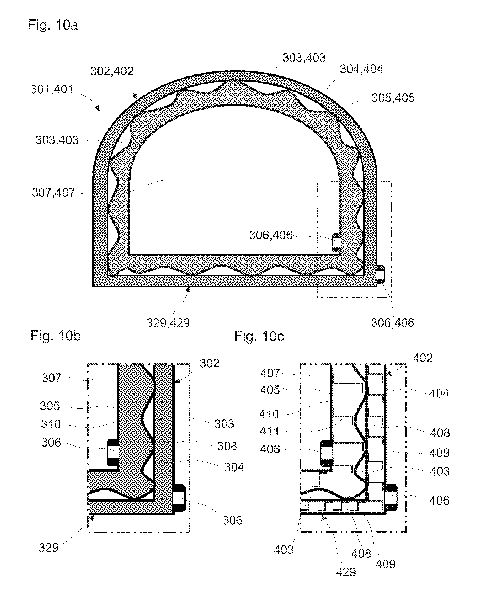
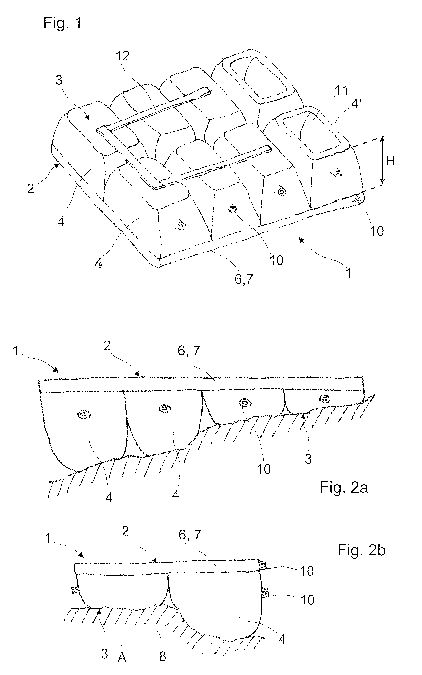
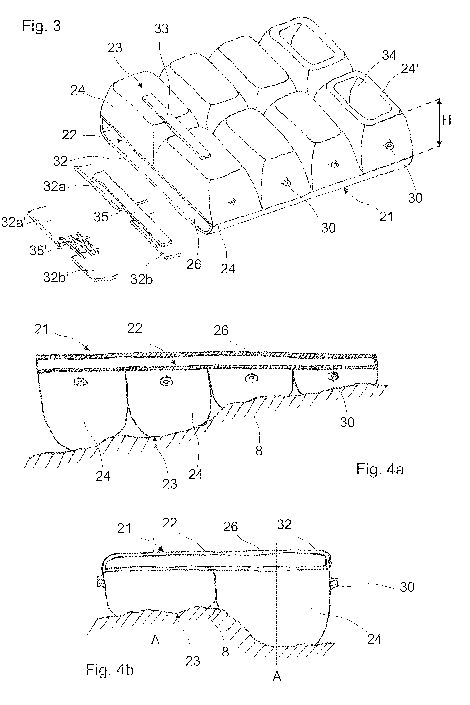
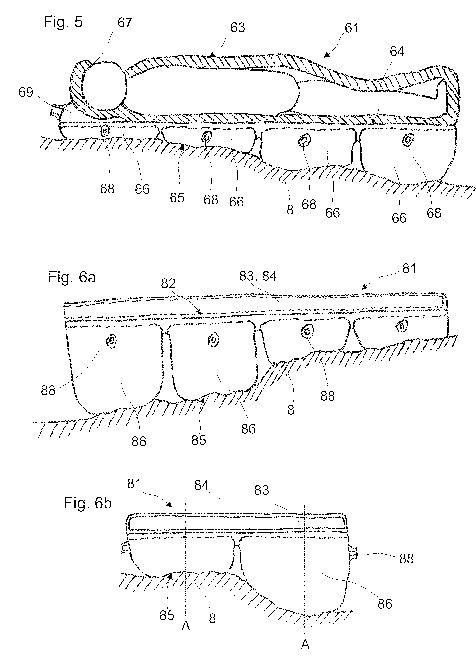
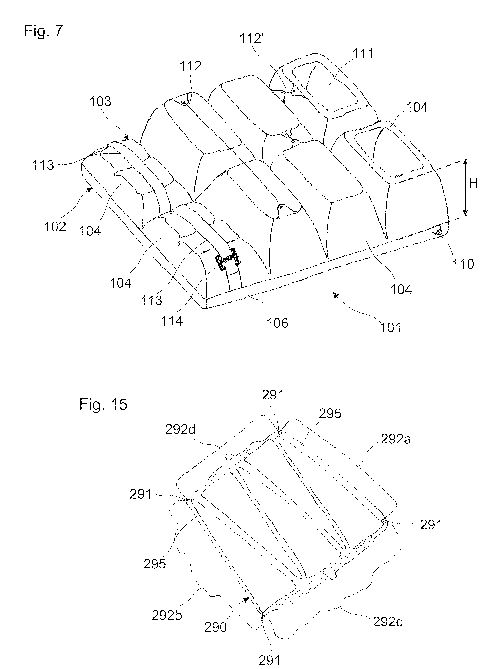
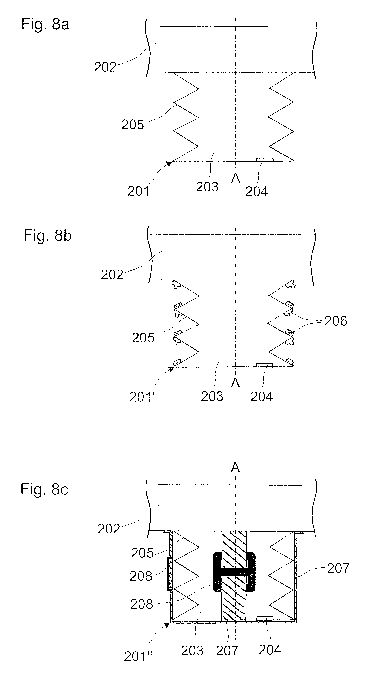
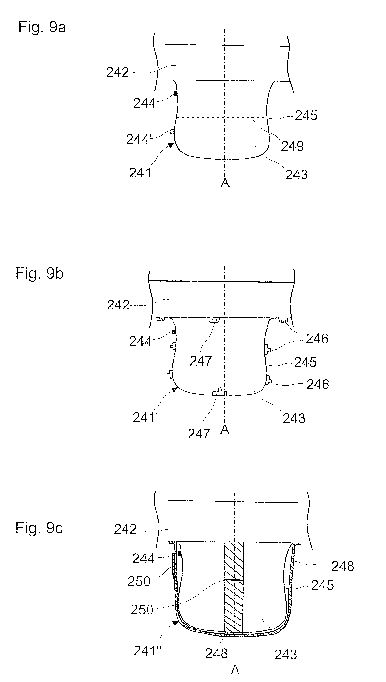
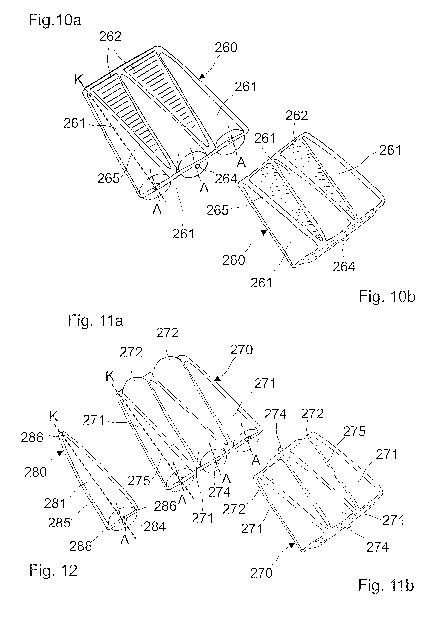
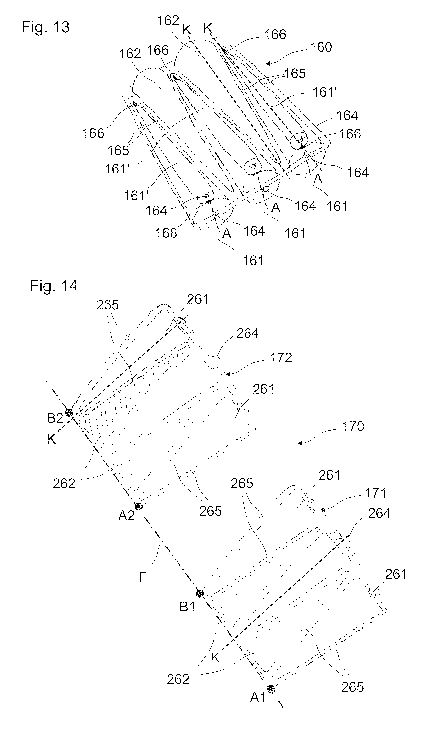
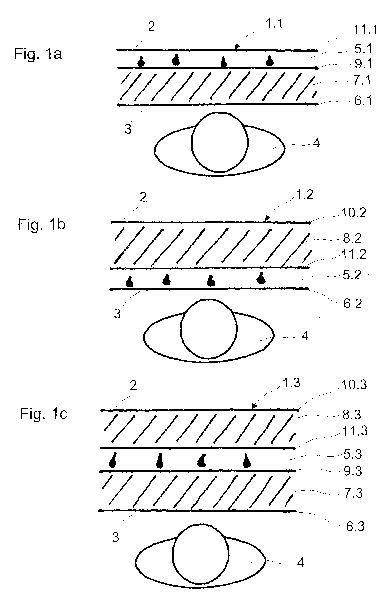
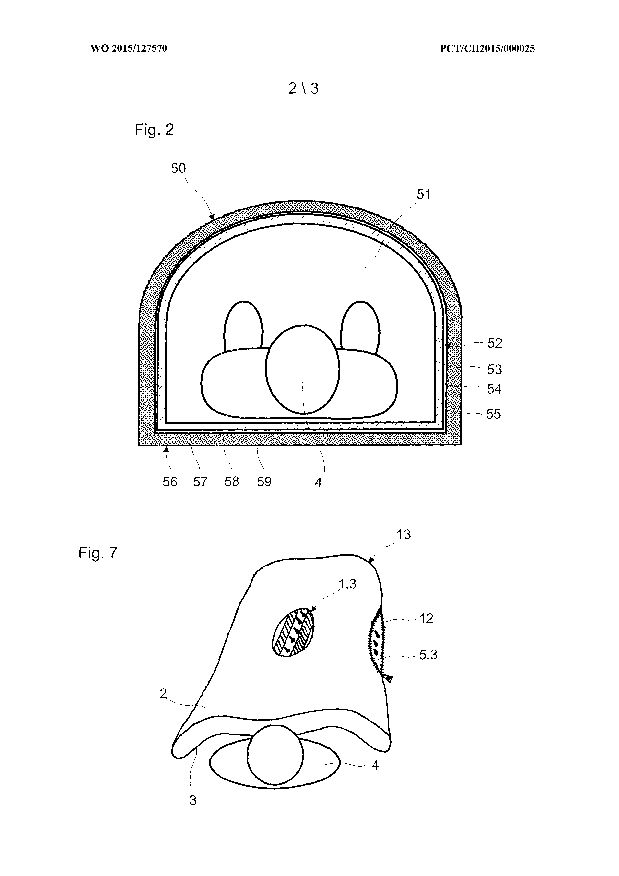
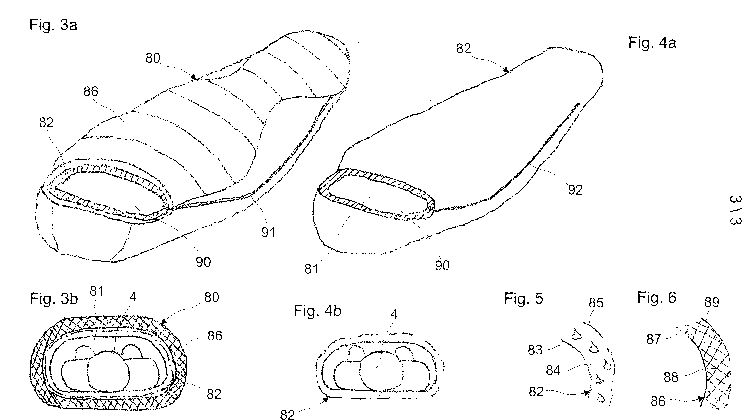
The Polarmond Sleeping System combines a sleeping bag, mat and bivouac into a single "magic tent". It uses a sandwich construction of fluffy synthetic filling and reflective layers, a permeable inner liner that lets vapor escape, a non-permeable coating on the insulation side, and air-filled hollow chambers between multi-walled insulating bodies. Moisture is collected in the liner and removed by shaking, allowing the insulation to stay dry and maintain a constant interior temperature down to -30 deg C using only the occupant's body heat.
Principles
- Passive heating using body heat
- Thermal insulation via sandwich construction
- Reflective radiative shielding
- Moisture management with permeable membranes
- Air-filled hollow chambers for convective insulation
Scientific Domains
Materials
- Synthetic fluffy insulation material
- Reflective foil or metallized film
- Permeable membrane (e.g., microporous fabric)
- Non-permeable coating (e.g., waterproof polymer)
- Multi-walled fabric shell
- Air-filled hollow chambers (e.g., sealed fabric bladders)
Mechanisms of Action
- Reflective layers reduce radiative heat loss
- Air-filled chambers trap still air, lowering conductive loss
- Permeable liner allows water vapor to exit while keeping insulation dry
- Non-permeable coating prevents moisture ingress from the interior
- Body heat warms the interior air, maintaining temperature
Energy Sources
Applications
- Mountaineering and high-altitude trekking
- Outdoor camping and backpacking
- Emergency shelter for military and rescue teams
- Temporary housing for homeless populations
Claimed Performance
Maintains a comfortable interior temperature at outdoor temperatures down to -30 deg C using only the occupant's body heat; lightweight and portable for mountaineering use.
Experimental Evidence
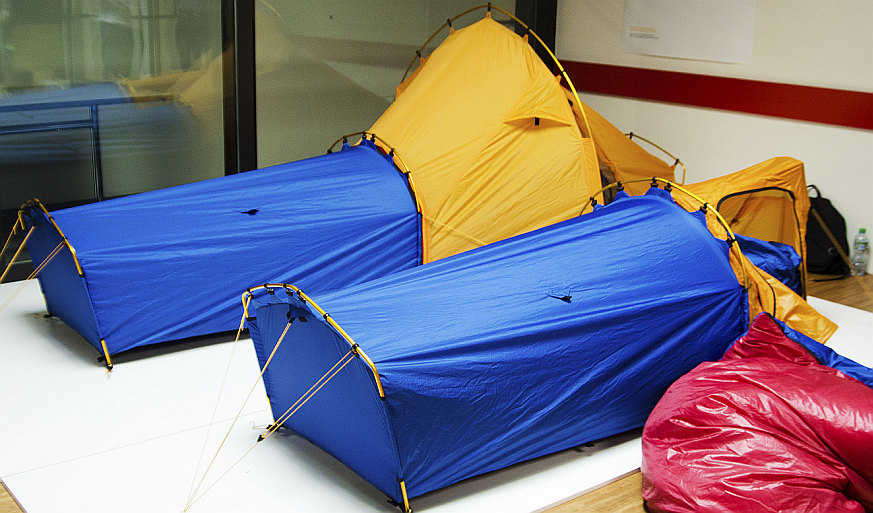
Prototype demonstrated at the Outdoor 2015 fair in Germany, receiving a Gold Industry Award; the system was shown to keep the interior warm at -30 deg C with only body heat and to remove moisture by shaking the liner.
Limitations
- Weight must remain low; added insulation may increase bulk
- Moisture removal relies on manual shaking of the liner
- Air-tightness may be compromised by necessary ventilation openings
- Performance data are limited to prototype demonstrations