Goal
Increase engine efficiency and mileage by fully vaporizing heavy fuel components before combustion, thereby reducing fuel waste and emissions.
Problem
Unvaporized heavy fuel ends are lost during combustion, causing lower mileage, higher fuel consumption, and increased pollutant emissions.
Concept Summary
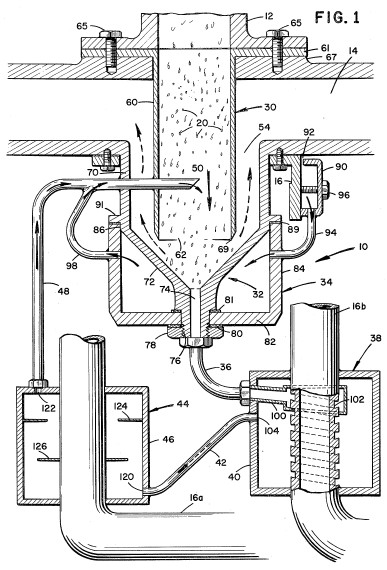
The invention adds a carburetor extension that separates unvaporized fuel droplets, heats them using exhaust pipe heat in one or two heater stages, re-vaporizes the fuel, and re-injects it into the intake manifold to achieve a uniform, fully vaporized fuel-air mixture.
Principles
- Heat transfer from exhaust gases
- Fuel vaporization
- Recirculation of vaporized fuel
- Uniform fuel-air mixture delivery
Scientific Domains
Materials
- steel
- copper
- metal alloy
Mechanisms of Action
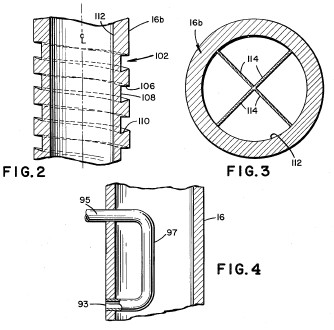
- Exhaust heat heats unvaporized fuel in a spiral-groove collector
- Second heater stage ensures complete vaporization of heavy fuel ends
- Vaporized fuel is blended with the main carburetor stream before intake
Energy Sources
Applications
- automotive internal combustion engines
- high expansion ratio engines
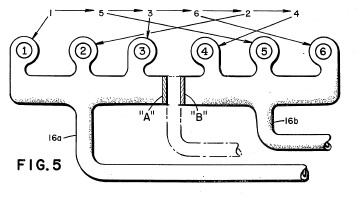
- dual exhaust manifold engines
Claimed Performance
Mileage was reported to double; a test showed a 57 % increase in mileage for a standard American Motors car.
Experimental Evidence
A Los Angeles Examiner article (29 Dec 1974) described a 57 % mileage increase at a Vermont research centre; the same source claimed the engine eliminated most pollution and doubled mileage.
Replication Status
single reported test
Limitations
- Performance depends on sufficient exhaust heat; may be less effective during cold start
- Adds complexity to carburetor system
- Potential for uneven heating if exhaust flow varies
Red Flags
- Claims based on a single newspaper report, no peer-reviewed data
- No independent replication documented
- Potential overstating of mileage gains