Goal
To protect occupants and vehicles by rapidly absorbing and dispersing collision kinetic energy.
Problem
Severe damage and injury caused by vehicle collisions with fixed obstacles.
Concept Summary
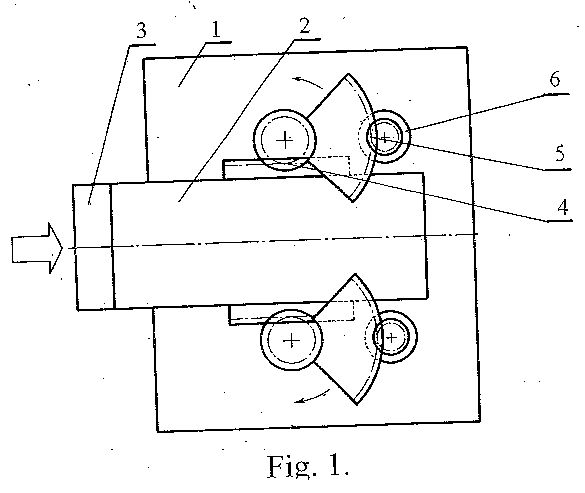
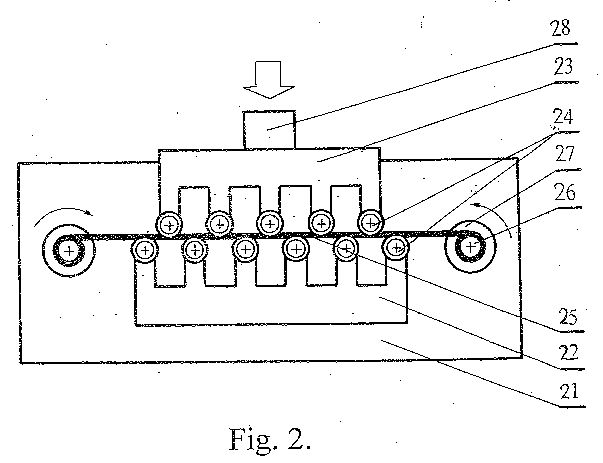
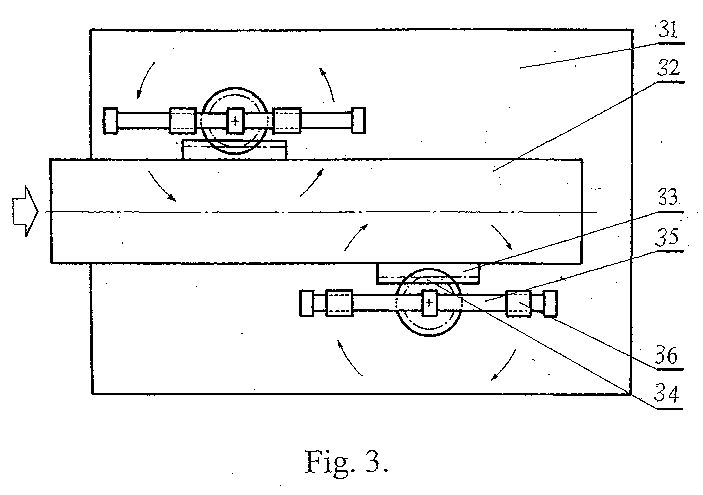
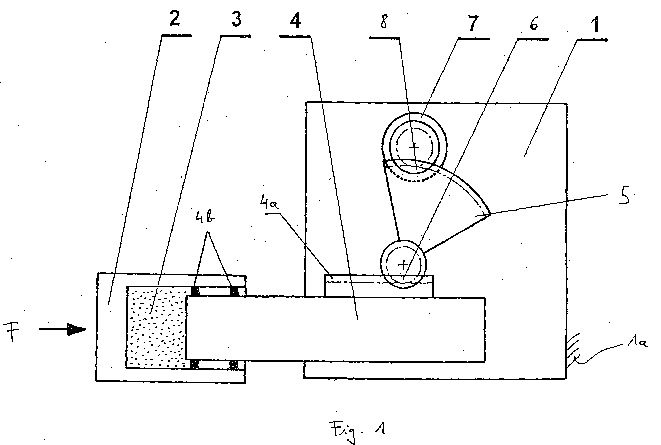
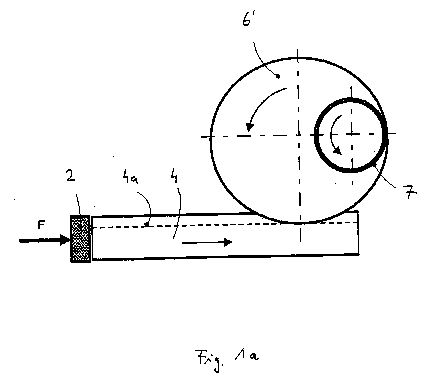
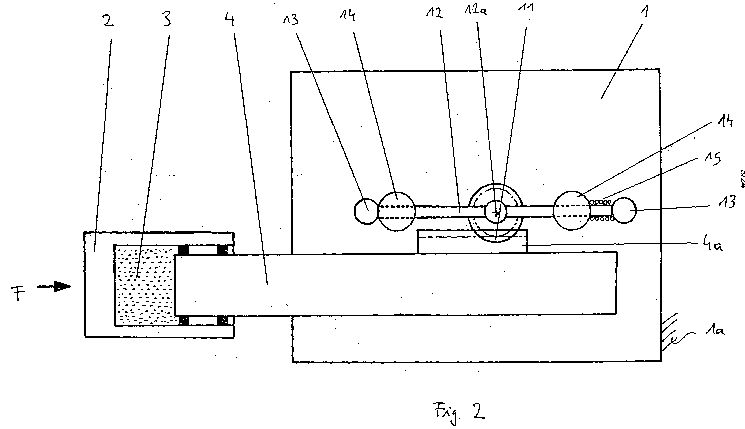
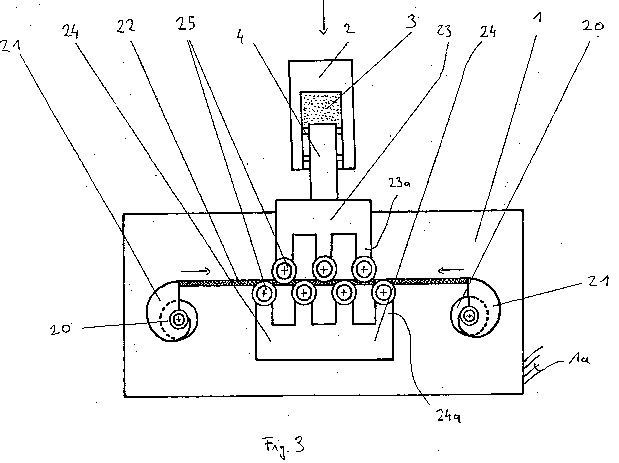
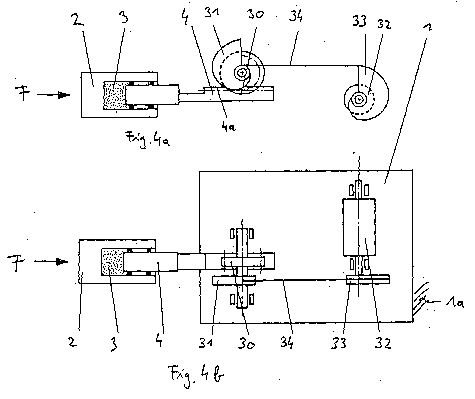
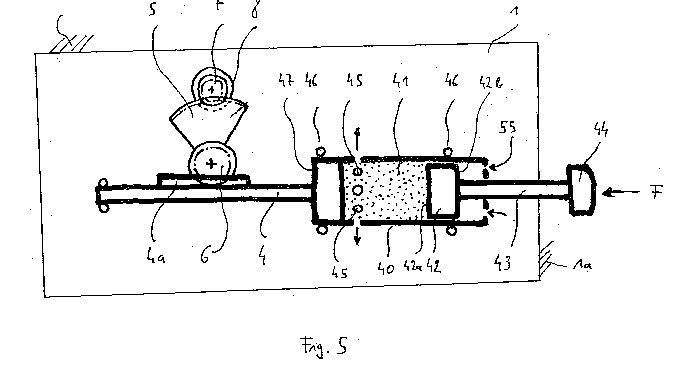
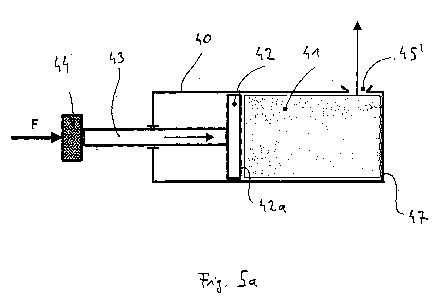
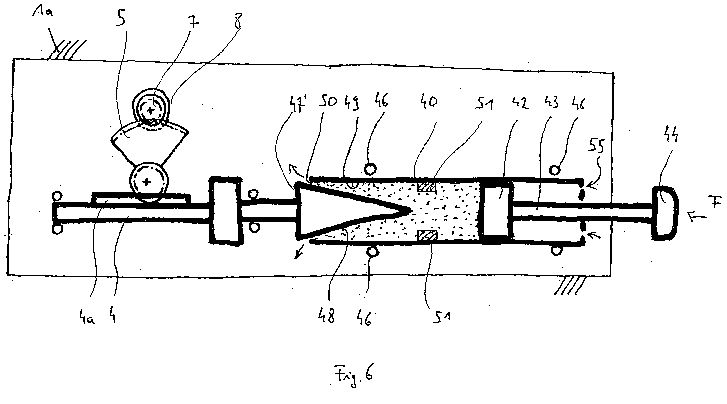
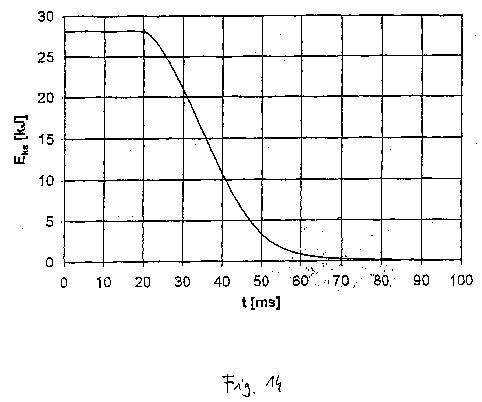
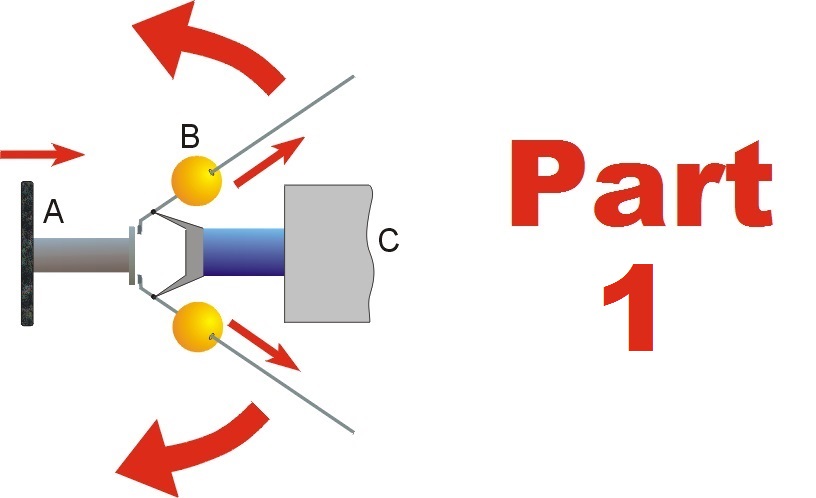
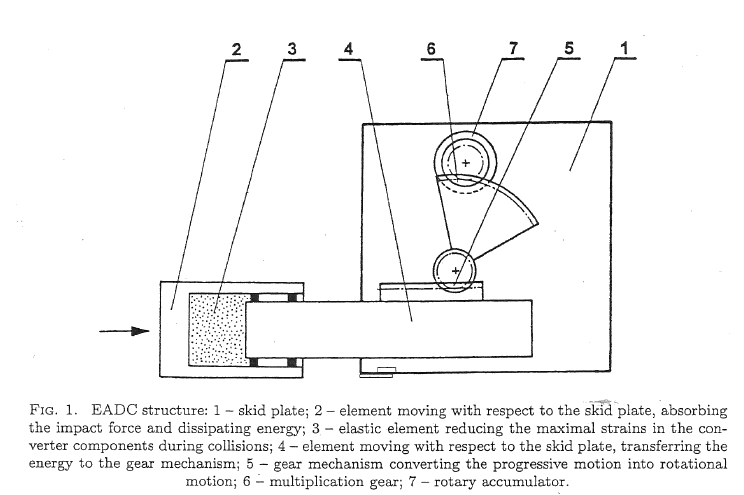
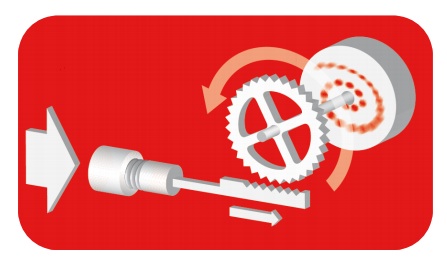
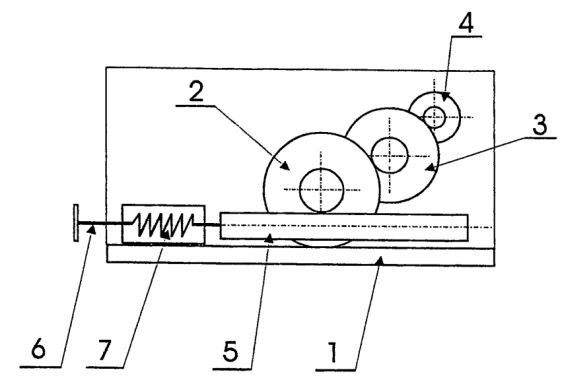
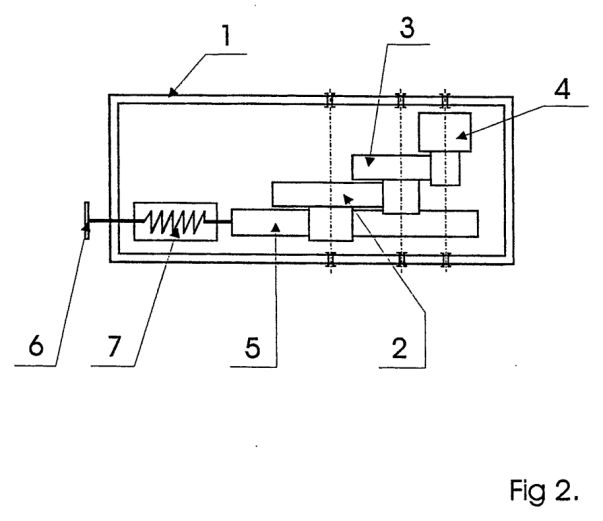
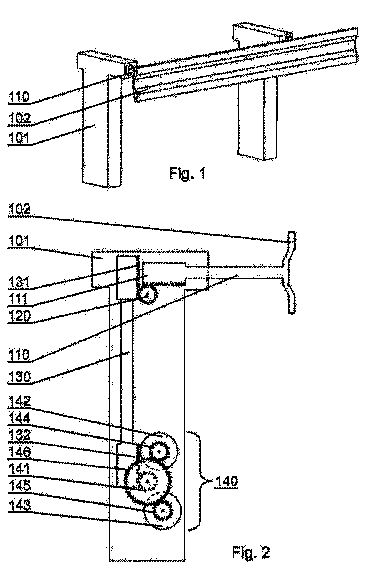
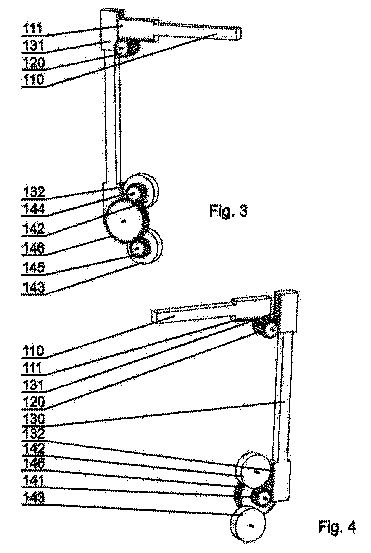
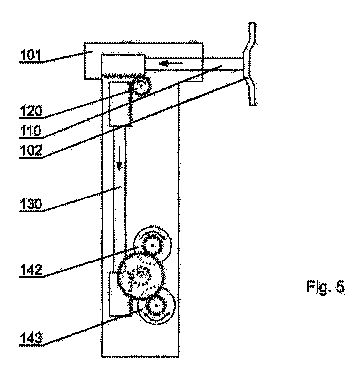
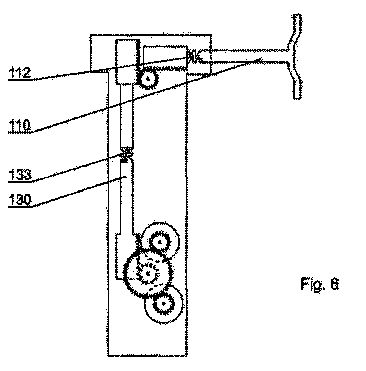
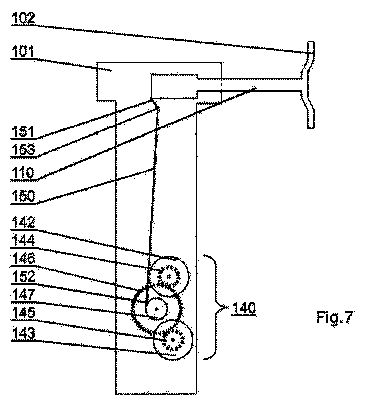
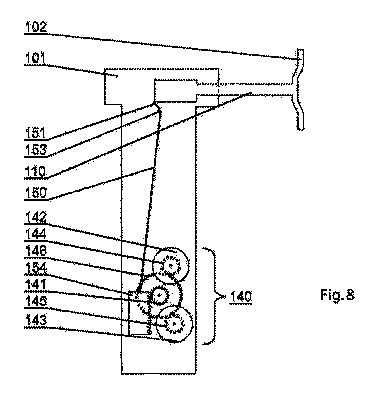
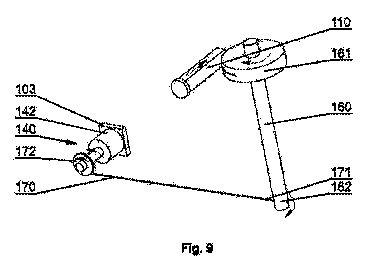
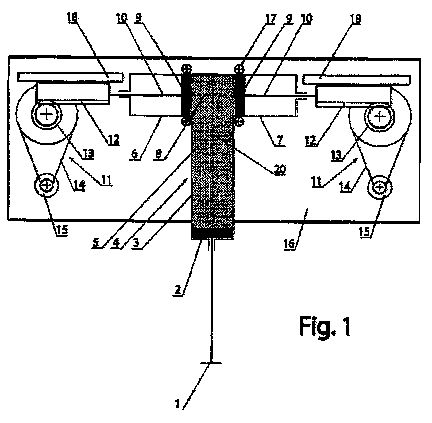
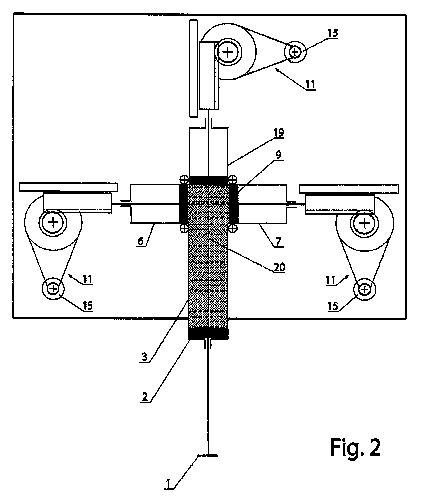
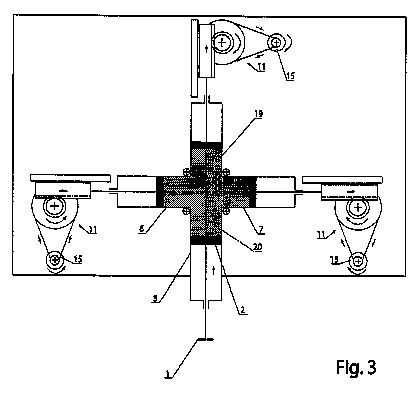
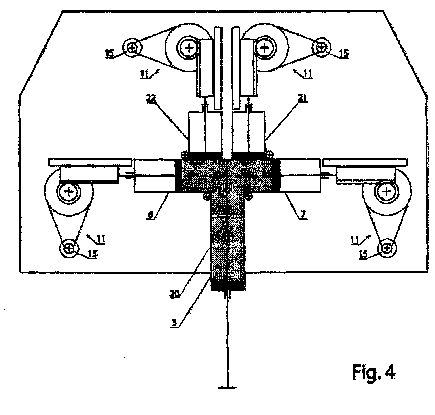
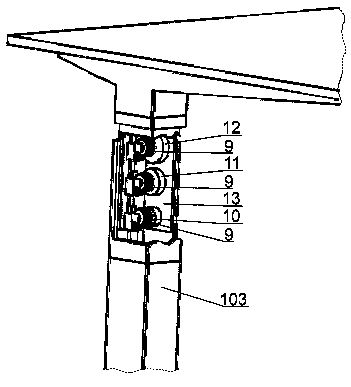
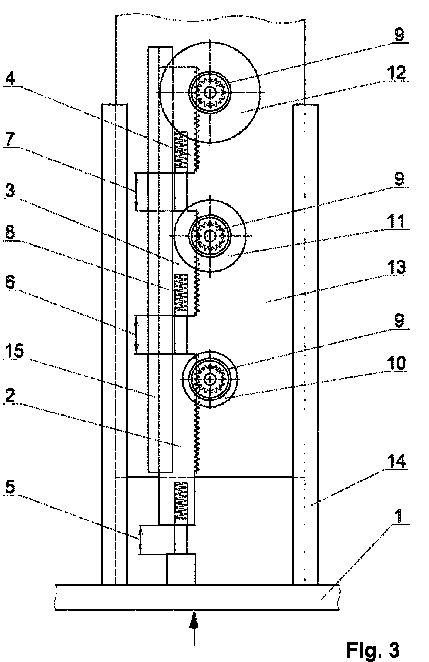
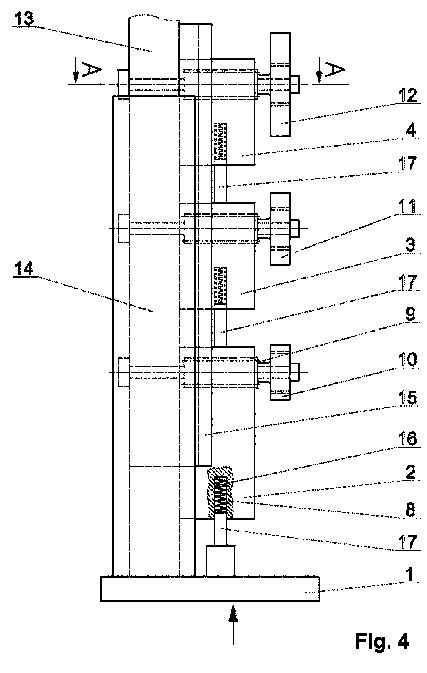
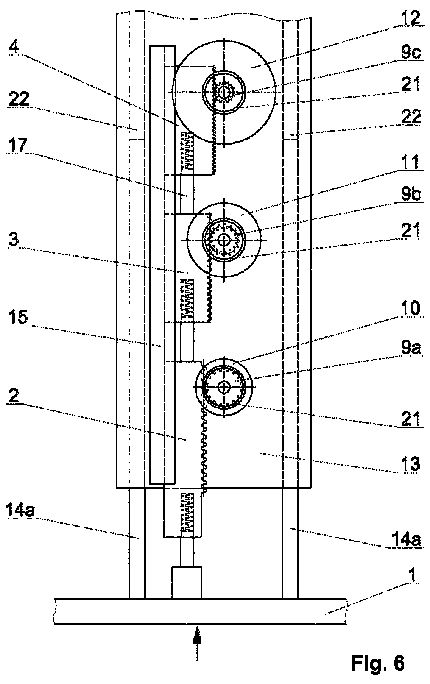
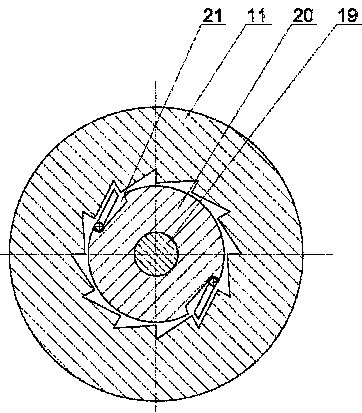
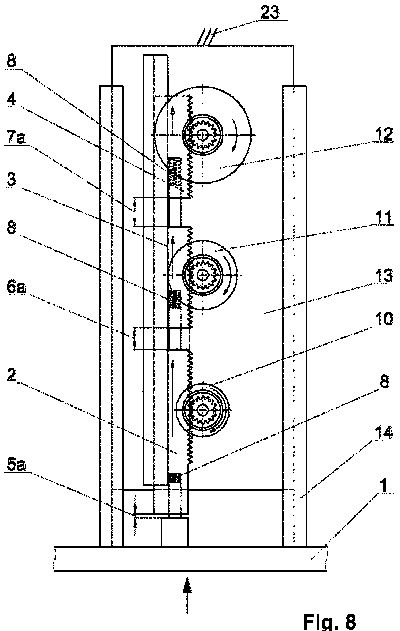
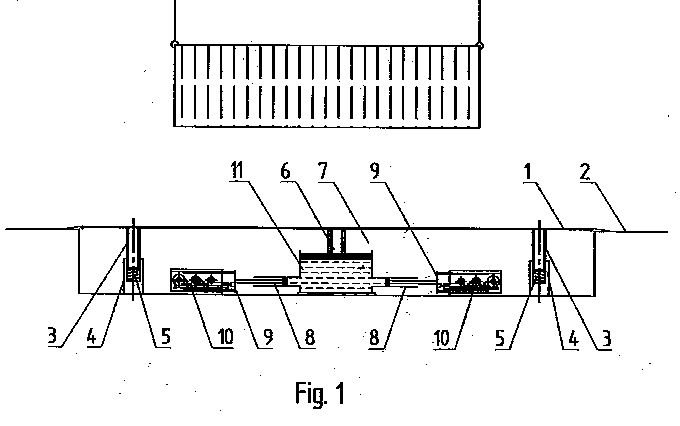
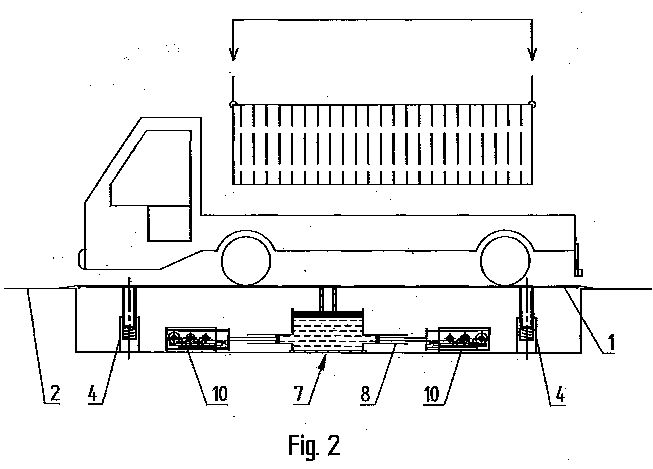
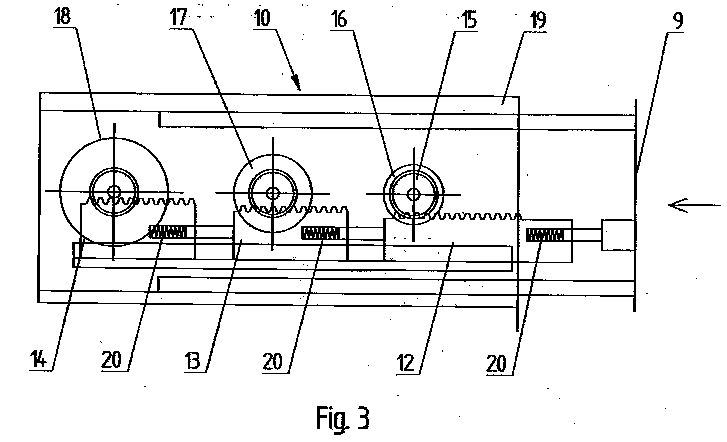
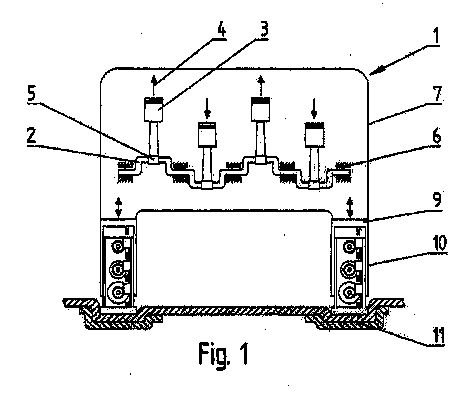
The device converts the translational kinetic energy of a colliding vehicle into rotational kinetic energy of a rotor through a multiplying gear system. The rotor stores the energy, which can then be dissipated as heat, used to generate electricity, or otherwise managed, dramatically reducing impact forces and stopping distance.
Principles
- Energy conversion (translational -> rotational)
- Gear multiplication
- Rotational inertia storage
- Elastic damping
Scientific Domains
Materials
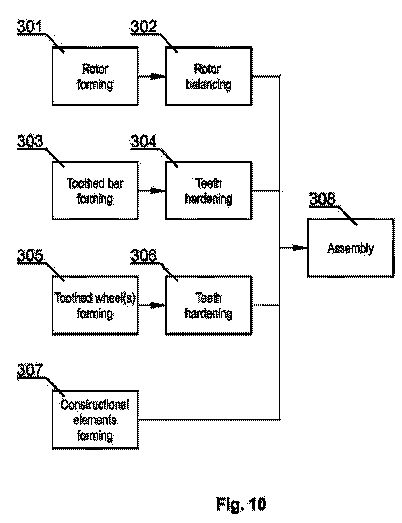
- Steel (rotor, gear, bumper frame)
- Aluminium (lightweight components)
- Rubber/elastic polymer (damping elements)
- Gear teeth (hardened alloy)
Mechanisms of Action
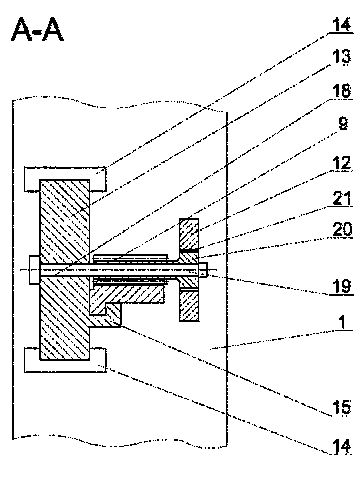
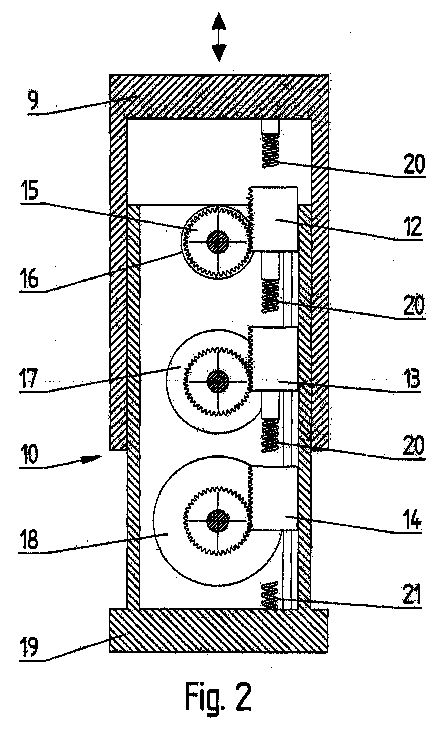
- Rotor connected to bumper via multiplying gear captures vehicle momentum
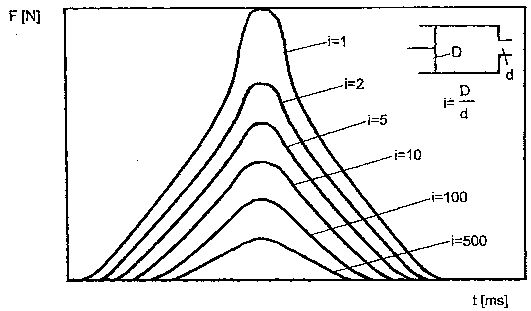
- Gear ratio amplifies torque, allowing rapid rotation of massive rotor
- Elastic elements absorb residual vibrations
- Optional electrical generator converts rotor motion to electricity
Energy Sources
Applications
- Automobile bumpers
- Road safety barriers
- Ship docking energy absorbers
- Rescue landing pads for high-rise fire evacuations
Claimed Performance
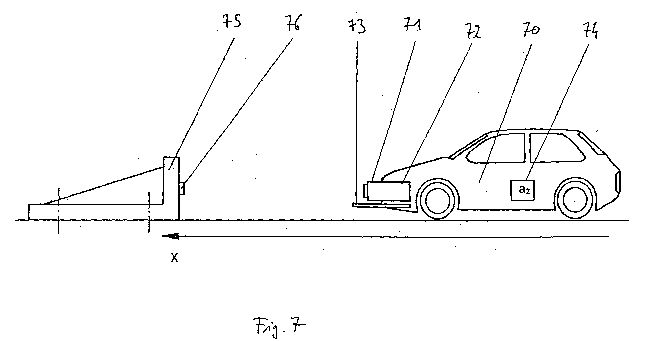
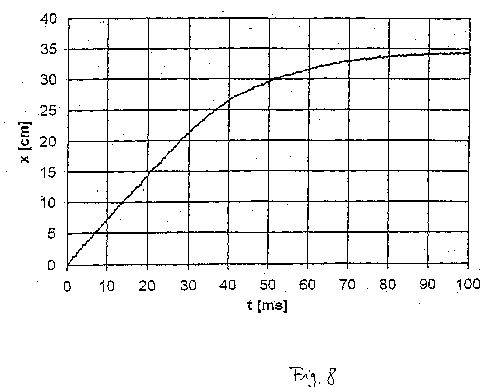
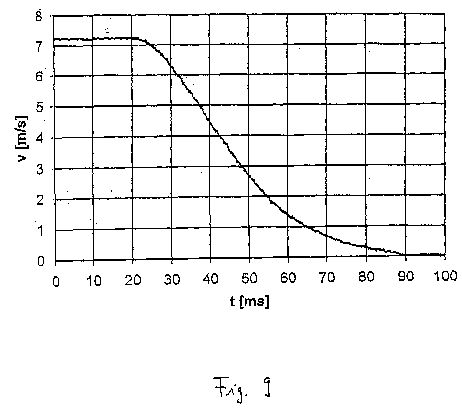
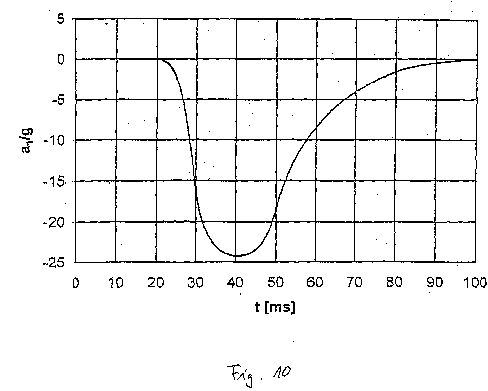
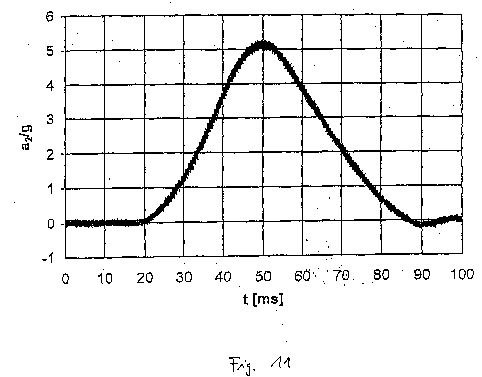
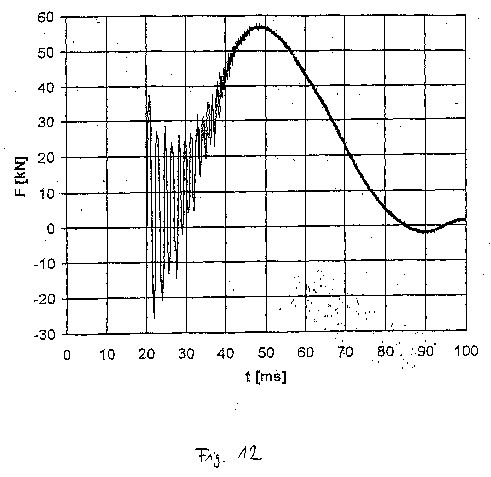
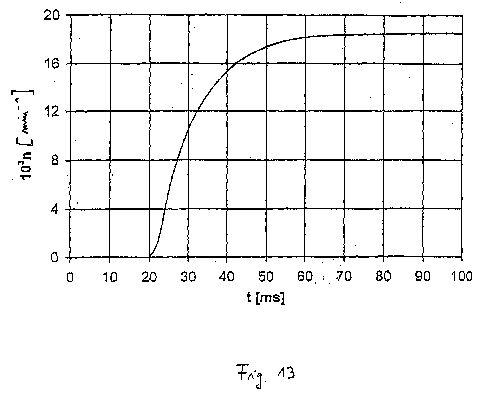
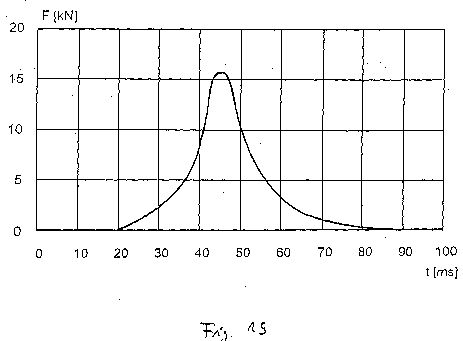
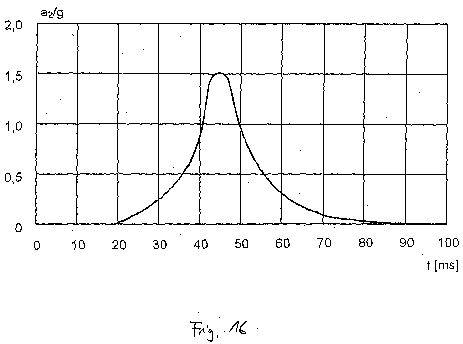
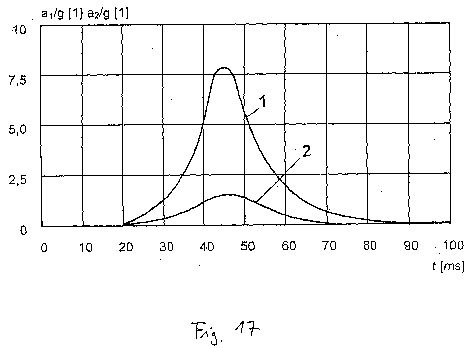
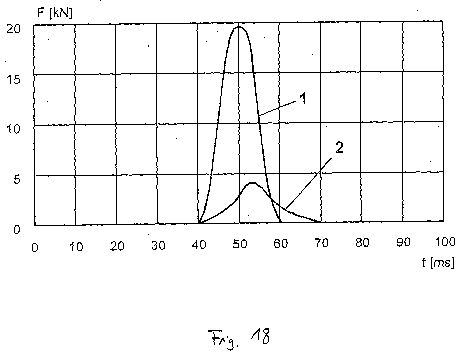
Undamaged bumper after 45 km/h impact; stopping distance reduced to 16 cm; brake distance reduced to one-quarter of normal; near-total conversion of translational energy to rotor rotation.
Experimental Evidence
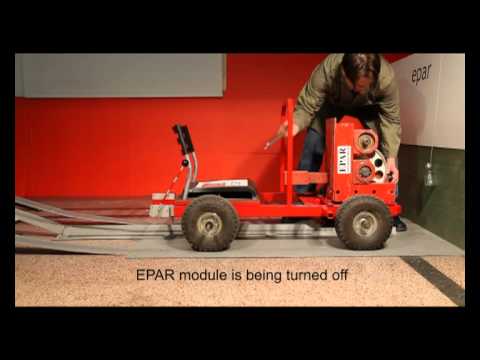
Live demonstration with a Fiat 126p at 45 km/h hitting a concrete wall; bumper remained intact and driver not ejected; video recordings of the test; prototype shown at public event in 1998.
Replication Status
Prototype demonstrated publicly; no commercial adoption; no independent peer-reviewed replication reported.
Limitations
- No rigorous scientific explanation of the conversion mechanism
- Measurement difficulties due to millisecond event duration
- Lack of independent testing or certification
- Scalability to high-speed impacts not demonstrated
Red Flags
- Claims of physics-defying behavior without peer-reviewed data
- Reliance on anecdotal video evidence
- Potential for commercial or political bias (EU funding, conspiracy claims)