Goal
Reduce aerodynamic and hydrodynamic drag on aircraft and underwater vehicles
Problem
High fuel consumption and emissions caused by drag on moving vehicles
Concept Summary
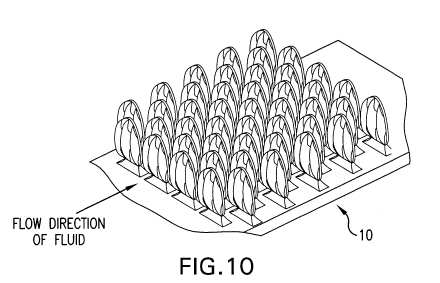
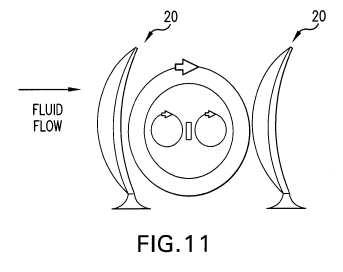
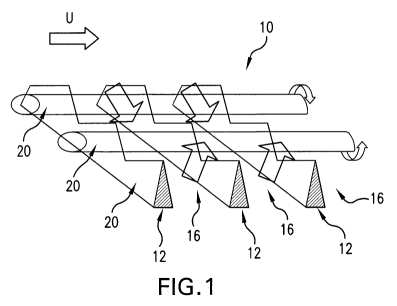
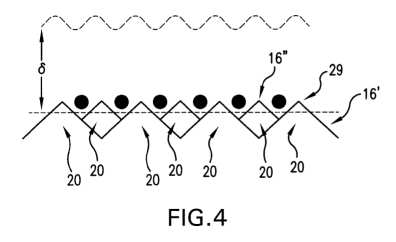
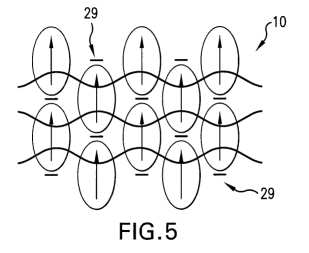
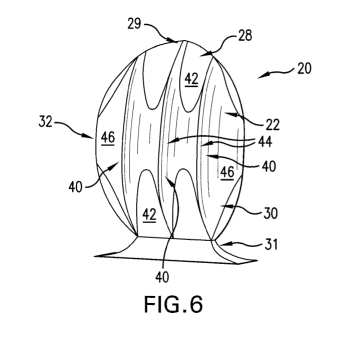
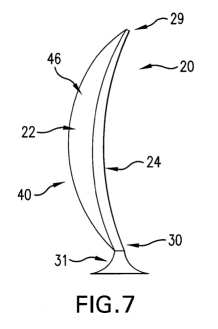
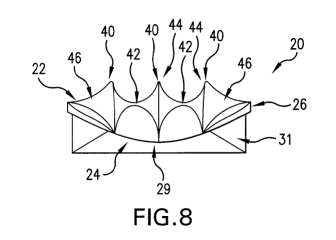
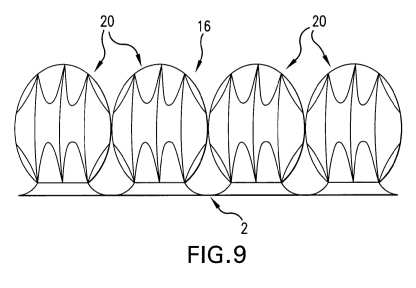
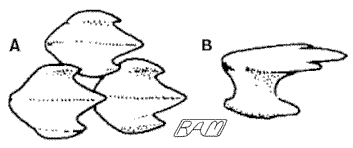
The project studies the micro-scale roughness of shark dermal denticles and replicates their geometry as an array of micro-cavities or ridges on a surface. The patterned surface manipulates the fluid boundary layer to delay transition to turbulence, thereby lowering skin-friction drag.
Principles
- Boundary-layer control
- Micro-roughness induced drag reduction
- Vortex shedding suppression
Scientific Domains
Materials
- Apatite (mineral component of natural denticles)
- Collagen (protein matrix of natural denticles)
- Polymer composites
- Metallic substrates
Mechanisms of Action
- Micro-cavities delay laminar-to-turbulent transition
- Longitudinal ridges break up coherent structures in the boundary layer
- Surface geometry creates favorable pressure gradients
Applications
- Aircraft drag reduction
- Underwater vehicle drag reduction
- Fuel-efficiency improvement
Claimed Performance
Up to 30 % drag reduction reported for aircraft concepts; literature cites up to 8 % drag reduction from natural shark denticles.
Experimental Evidence
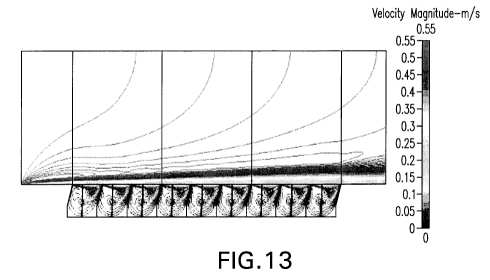
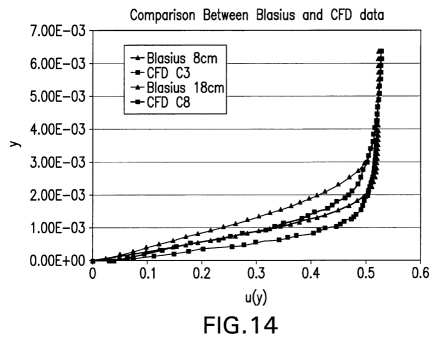
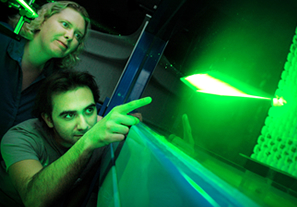
Water-tunnel tests using a 100x scaled shark-skin geometry showed observable boundary-layer modification; prior studies reported 8 % drag reduction for fast-swimming sharks.
Replication Status
Research ongoing; no independent replication or commercial deployment reported.
Limitations
- Scaling the micro-structure to full-size surfaces
- Manufacturing cost and durability of patterned coatings
- Verification under real-world flight conditions