Goal
Reduce skin-friction drag on aerodynamic or hydrodynamic surfaces
Problem
High drag caused by turbulent boundary layers on vehicles and marine vessels
Concept Summary
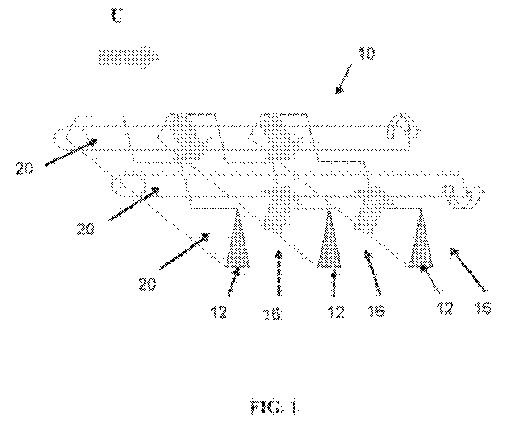
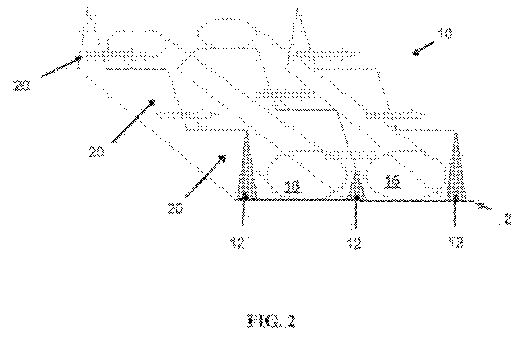
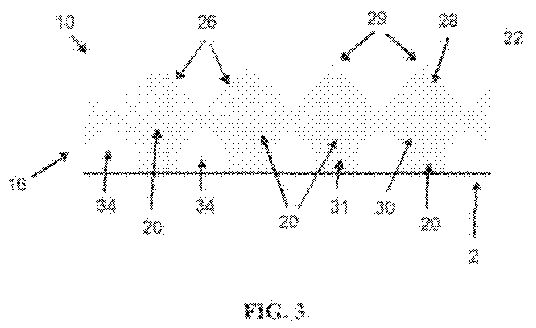
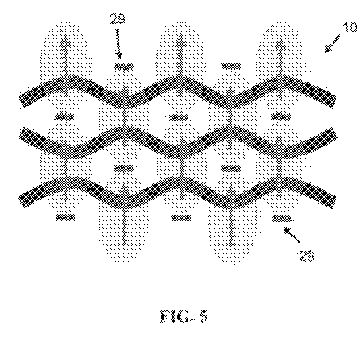
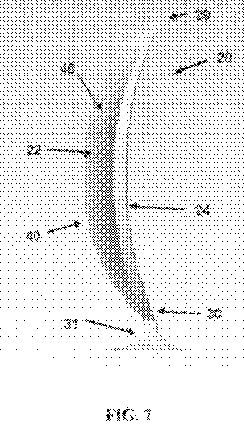
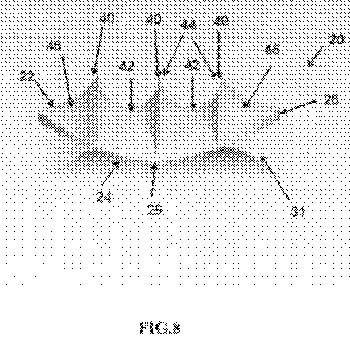
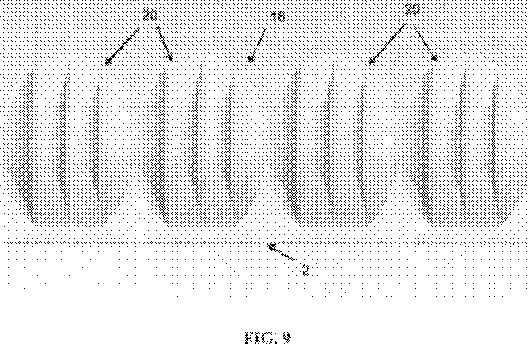
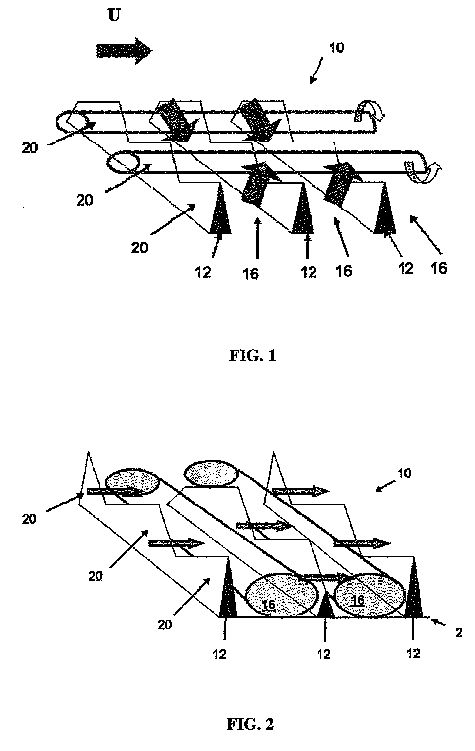
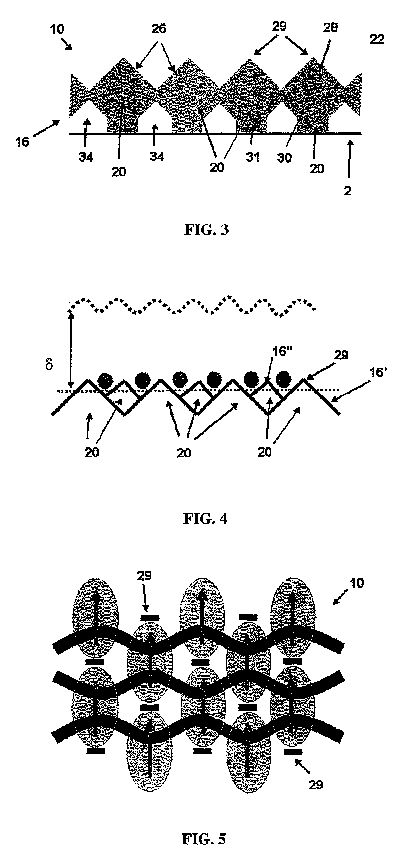
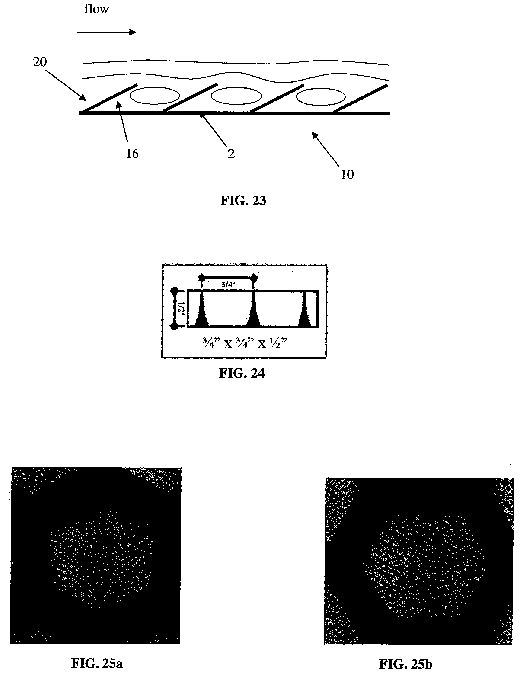
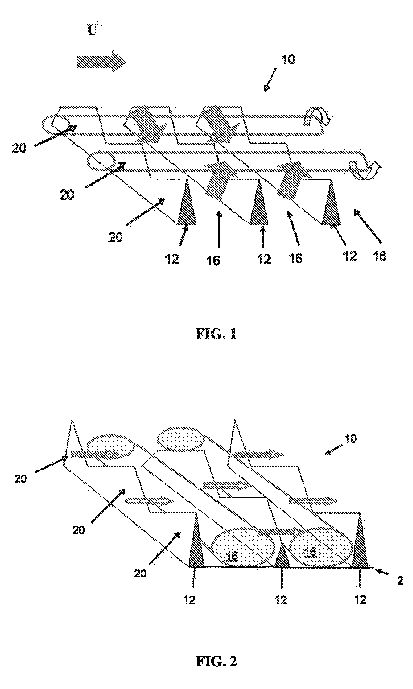
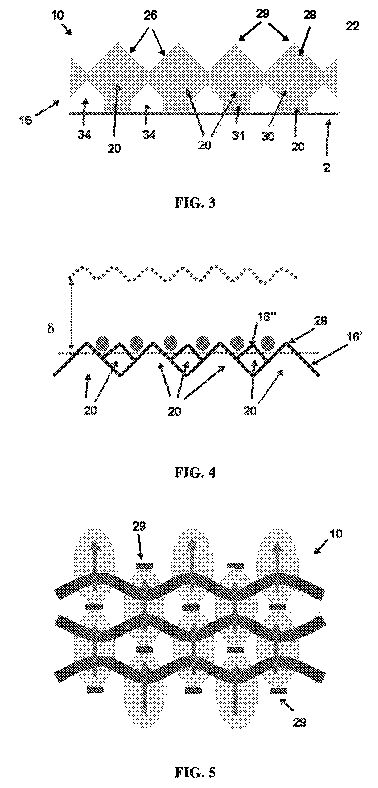
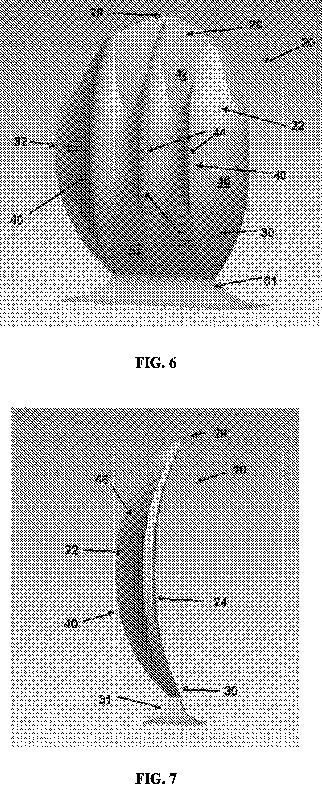
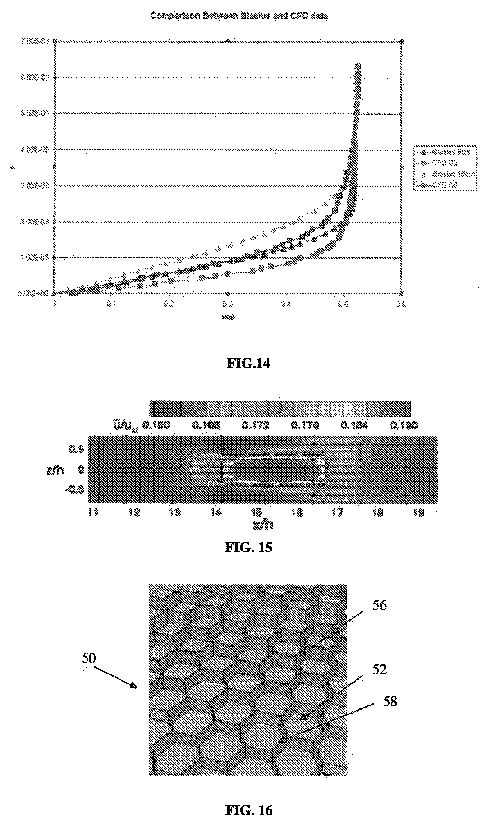
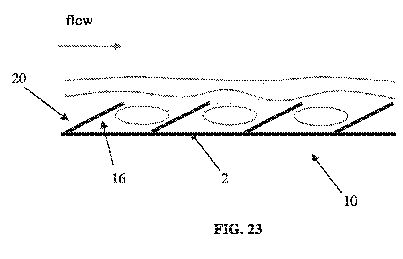
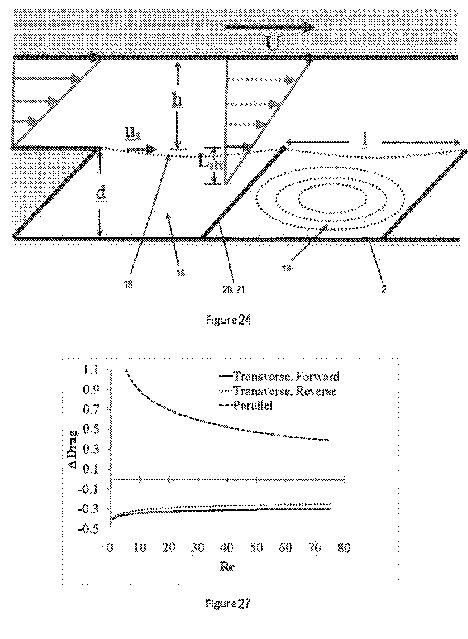
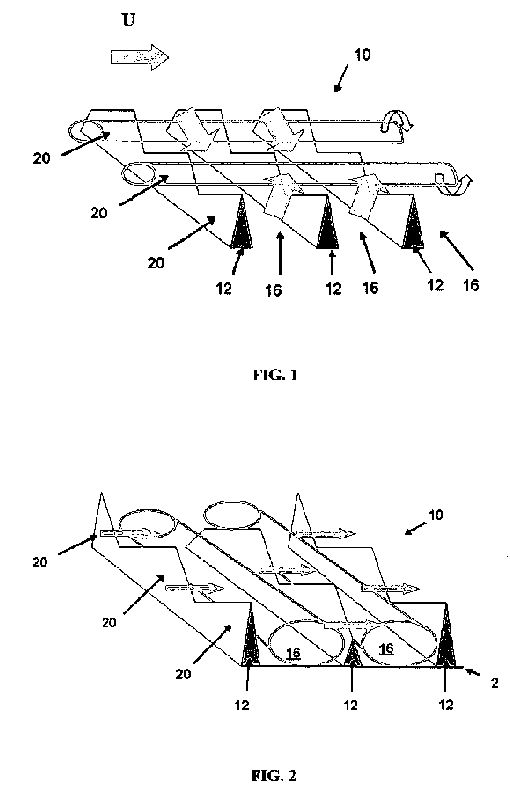
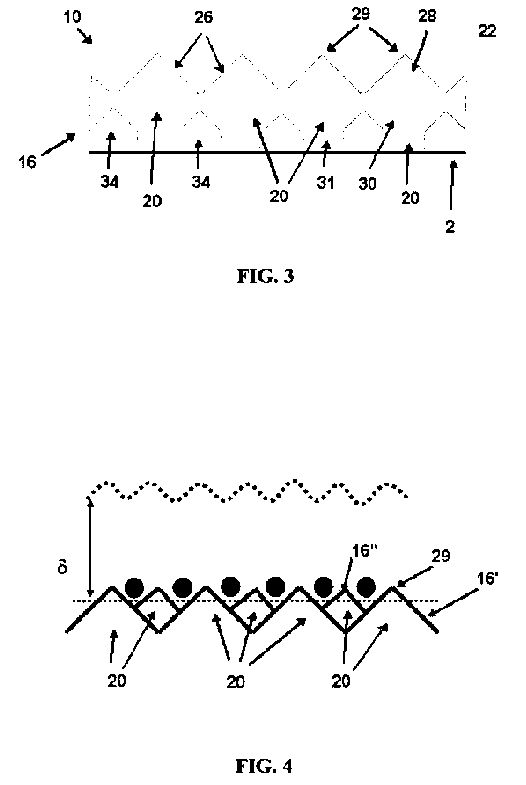
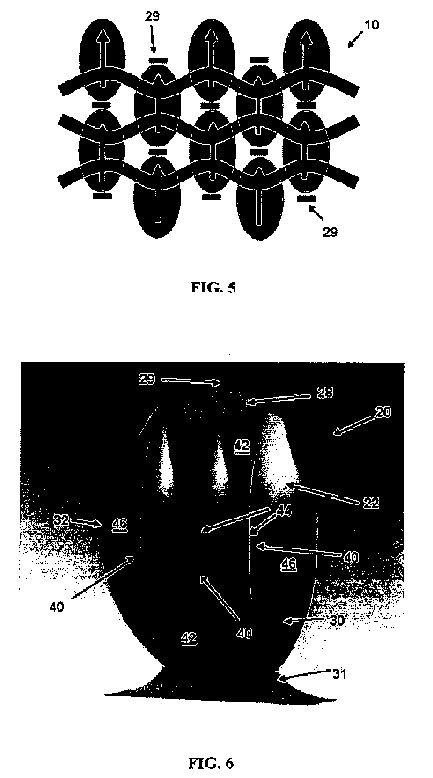
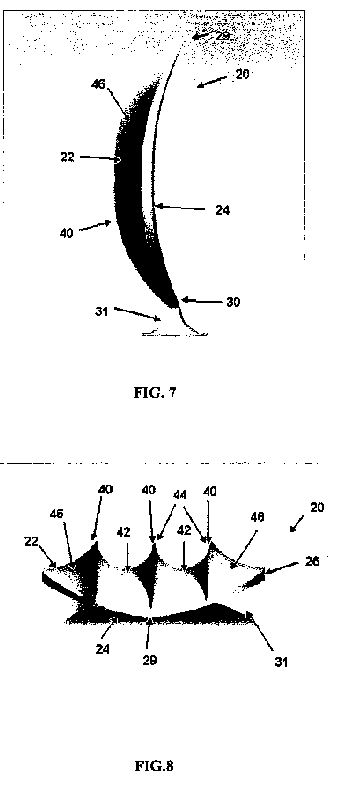
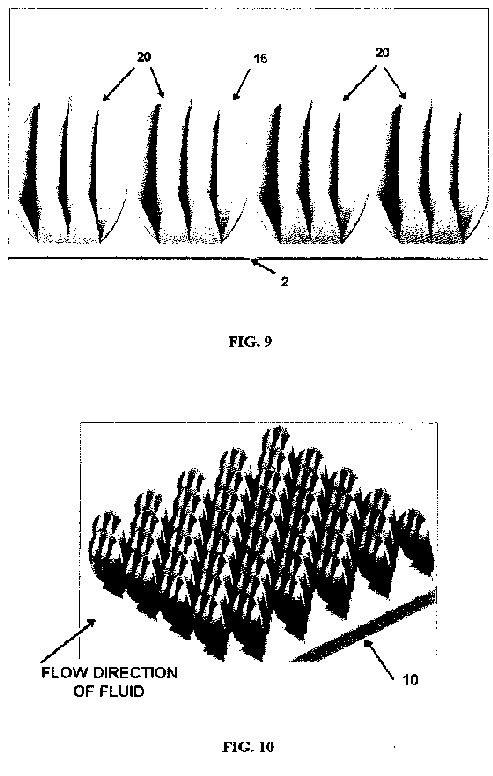
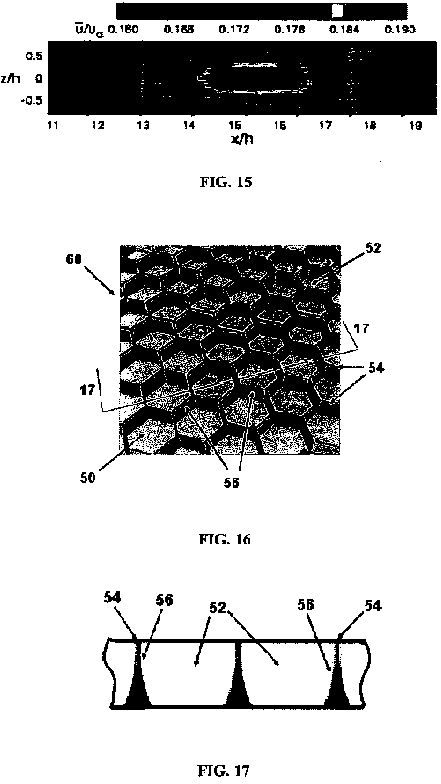
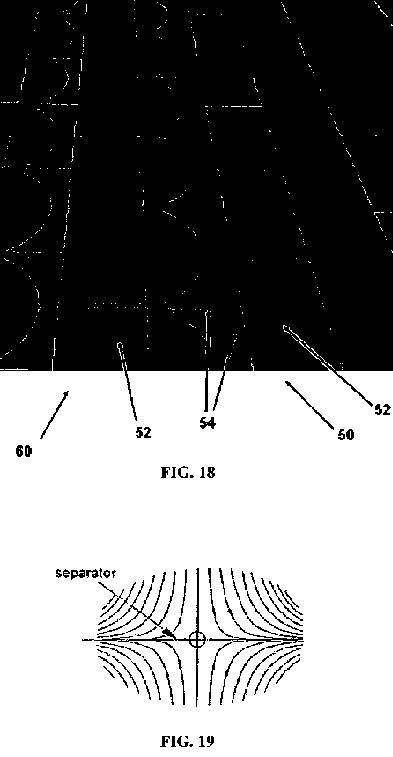
A micro-array surface with three-dimensional cavities (synthetic scales) creates stable embedded vortices that act as a partial-slip boundary condition, thereby reducing the skin-friction drag coefficient.
Detailed Description
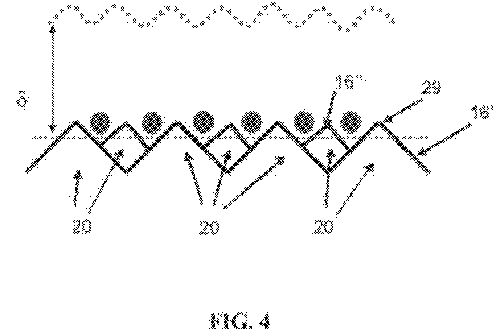
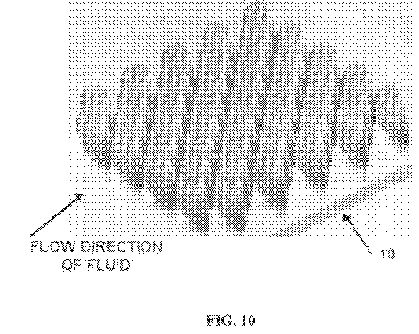
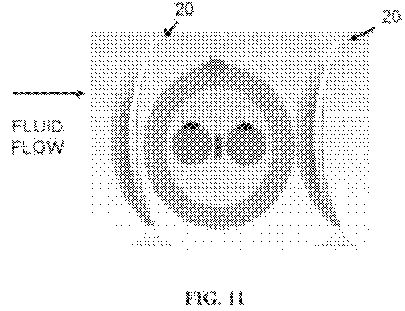
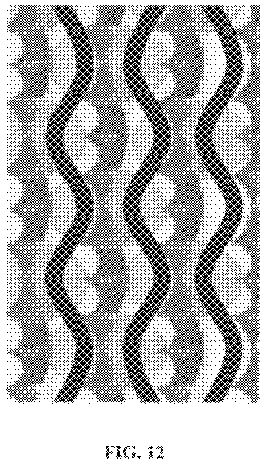
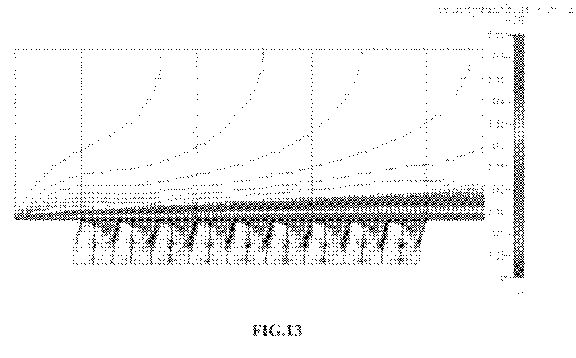
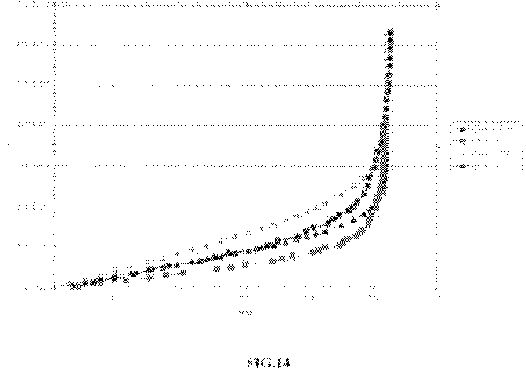
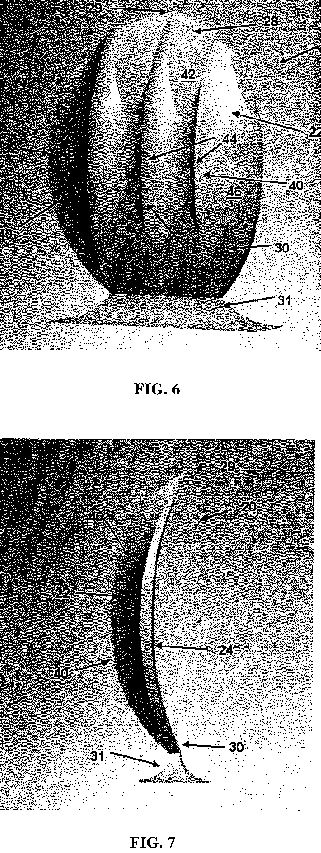
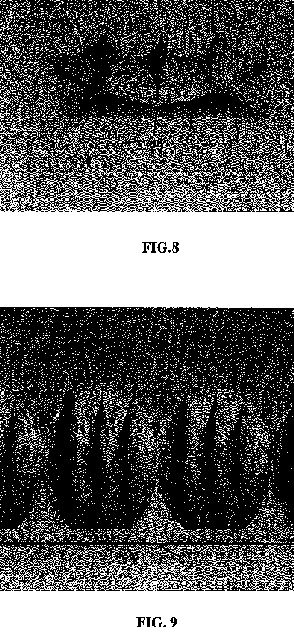
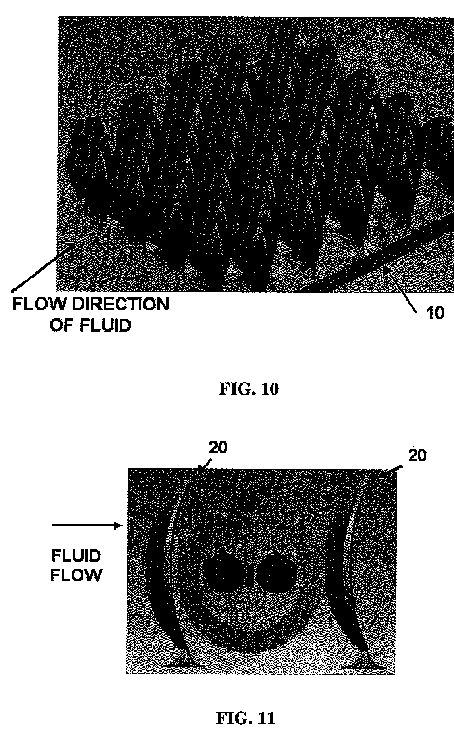
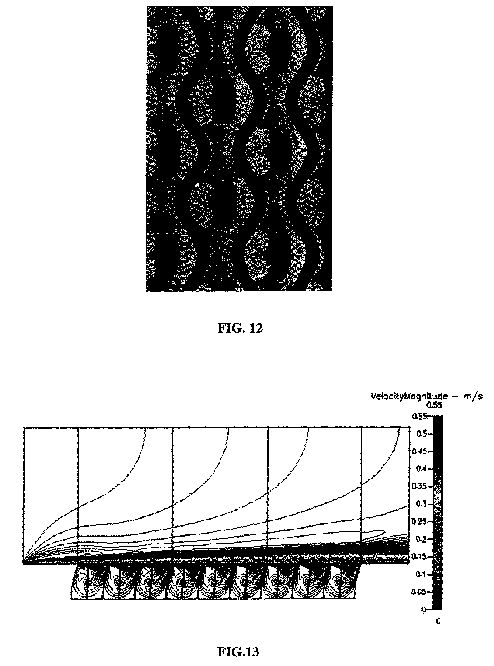
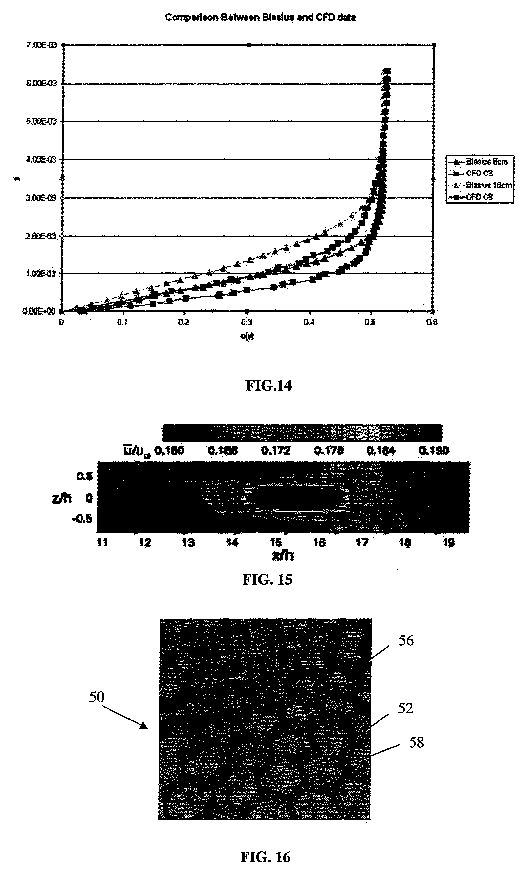
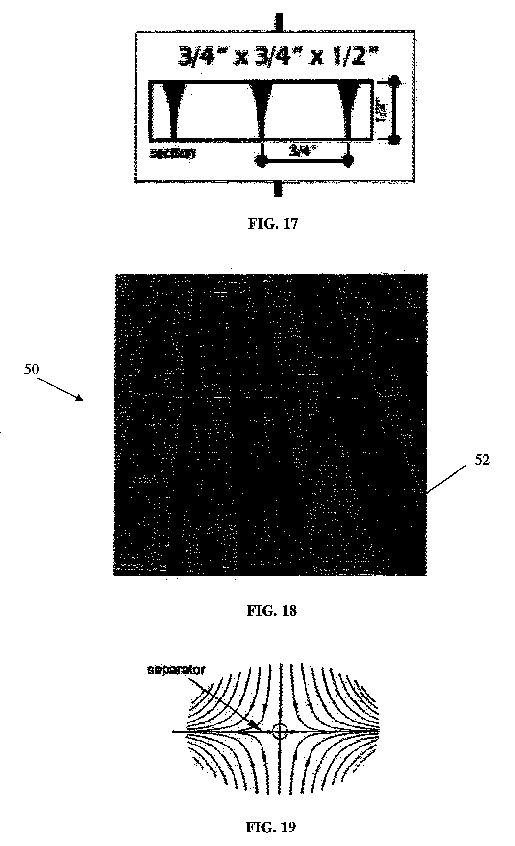
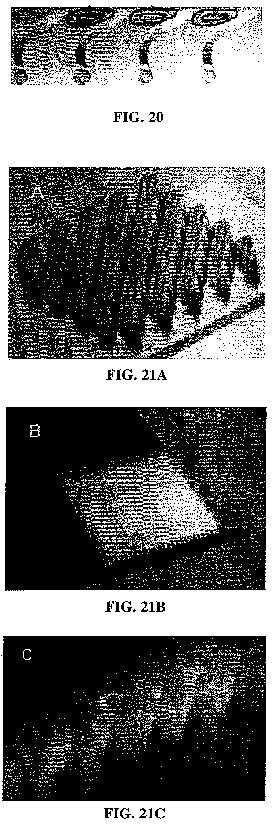
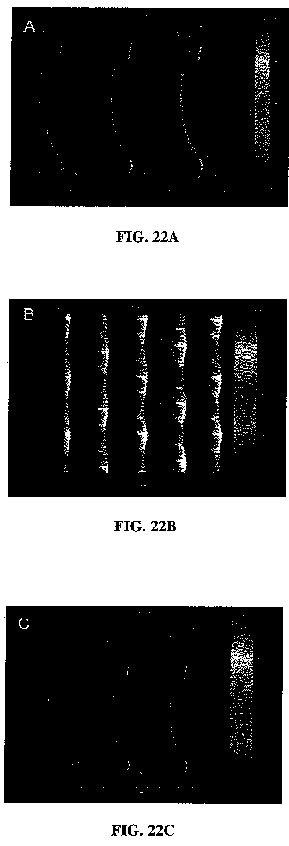
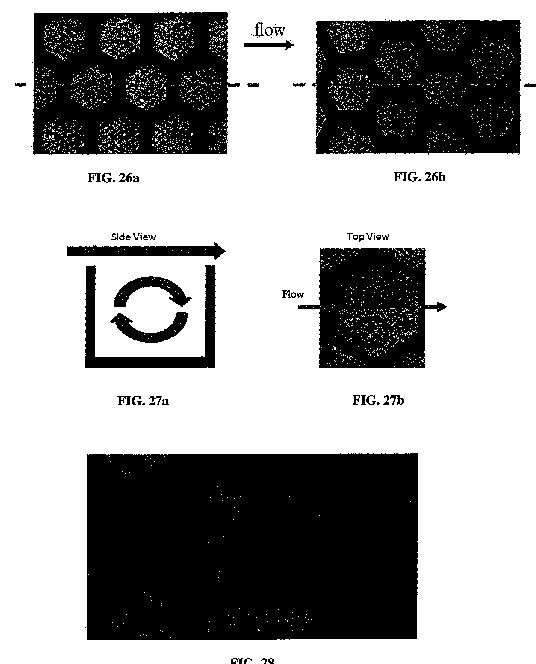
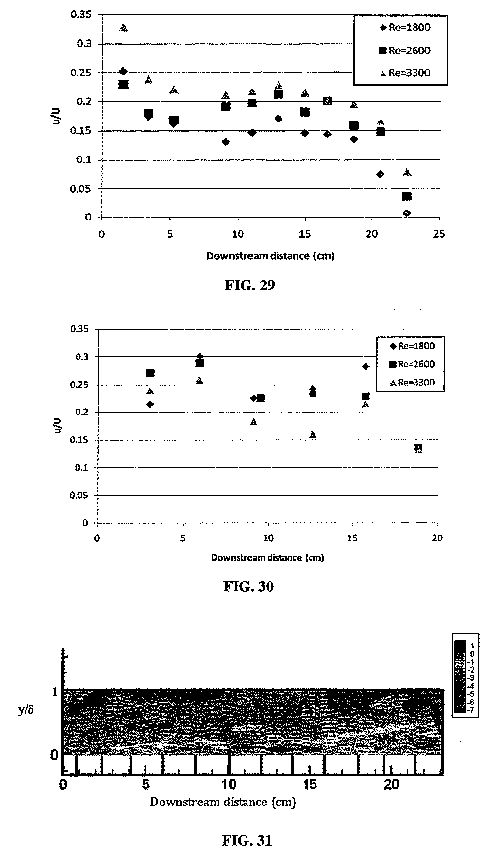
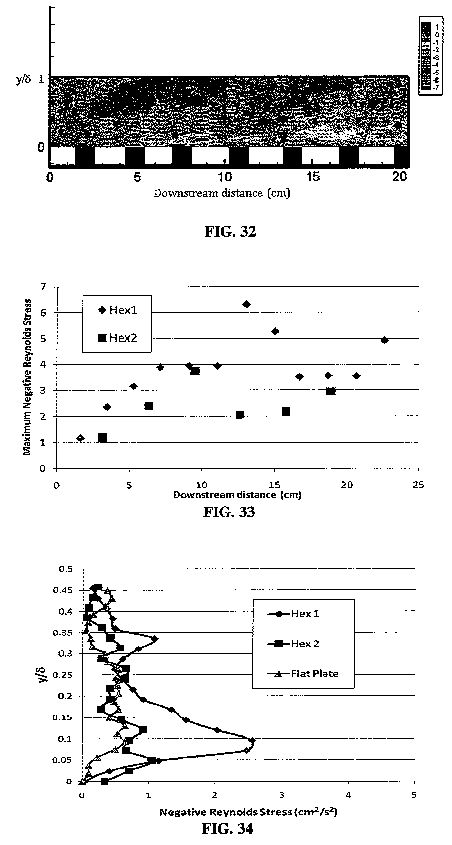
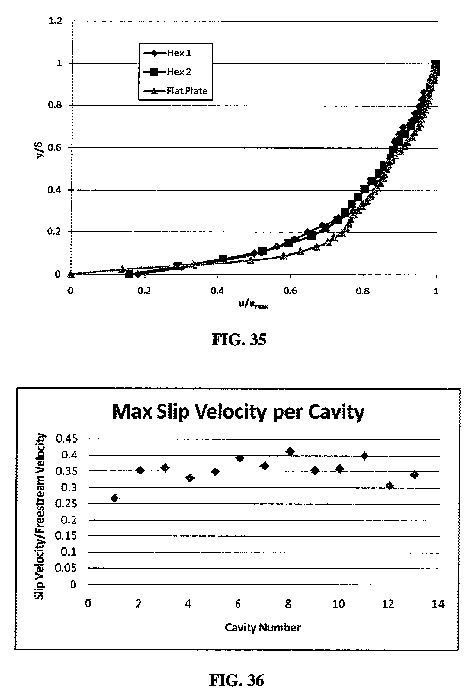
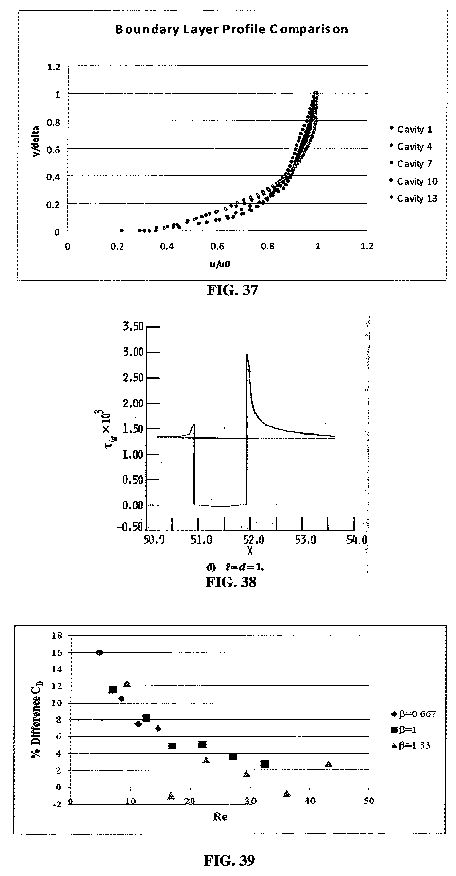
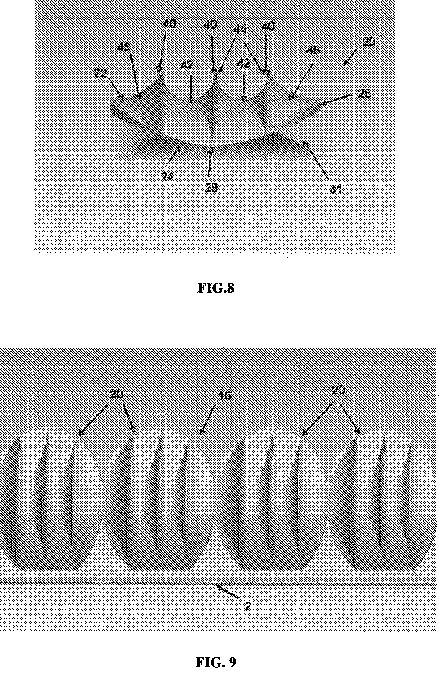
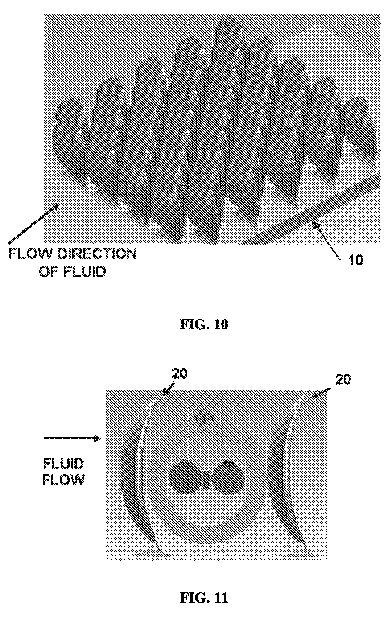
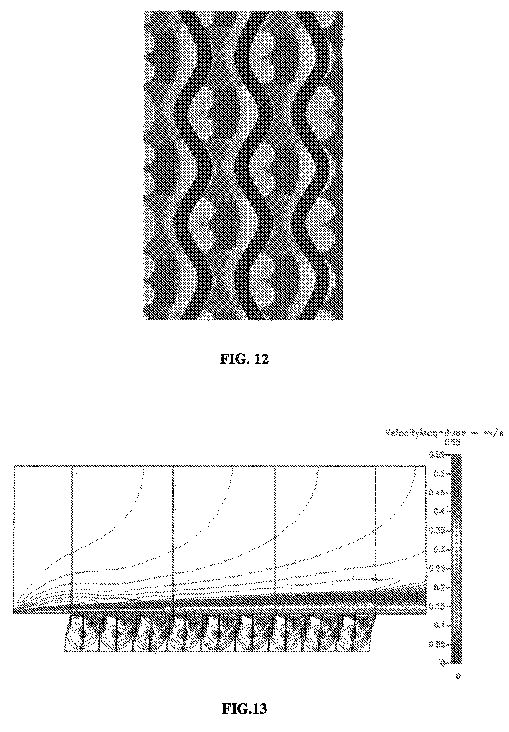
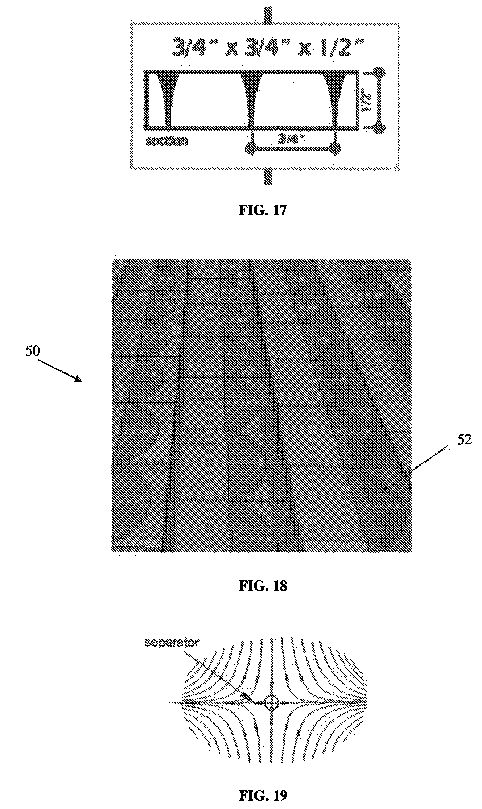
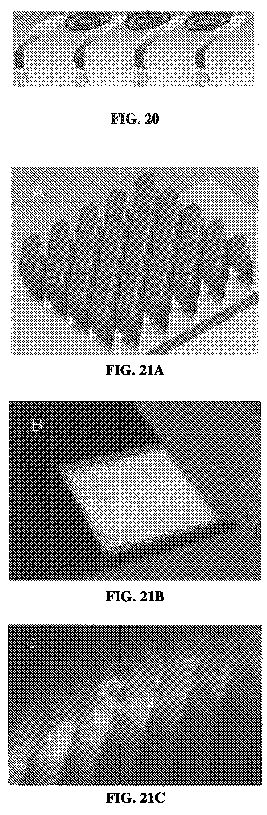
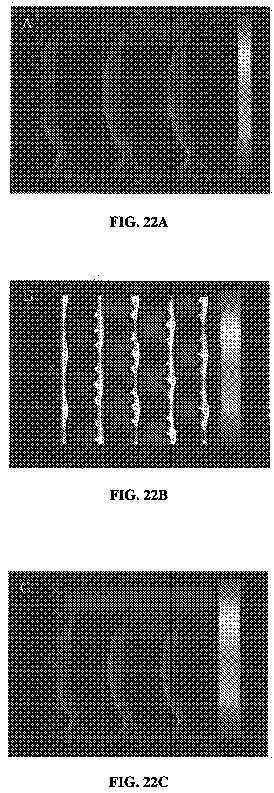
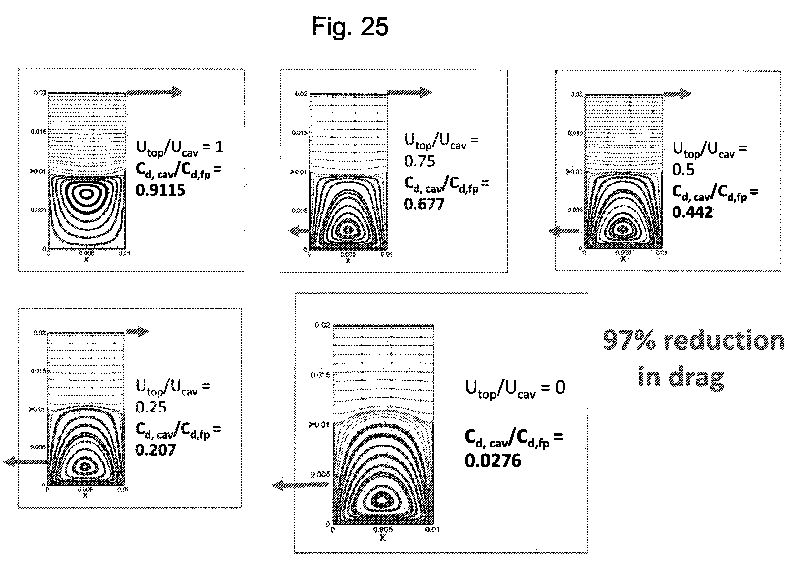
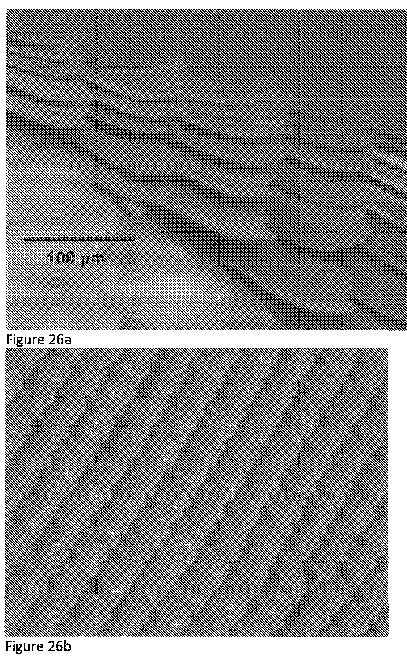
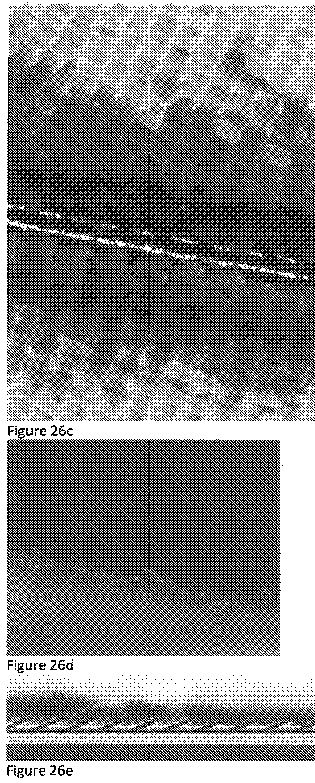
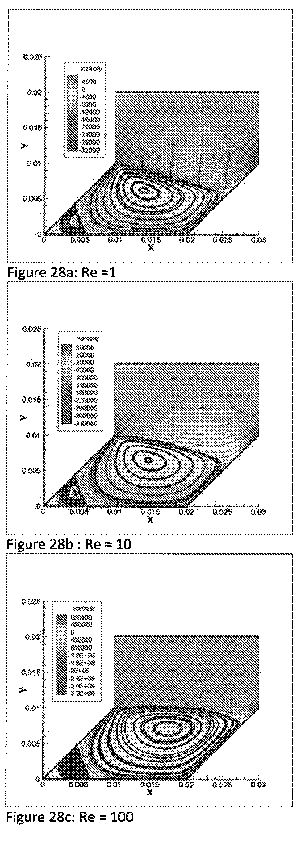
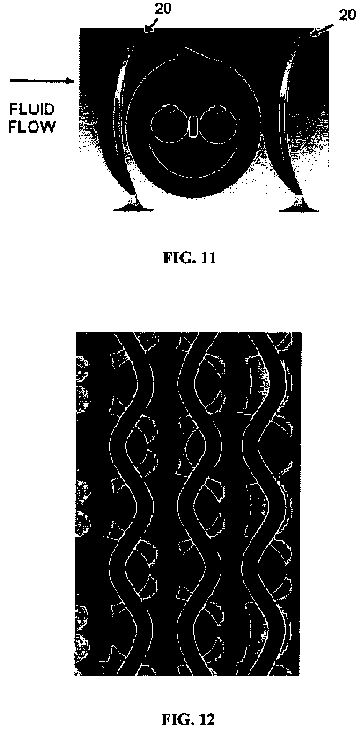
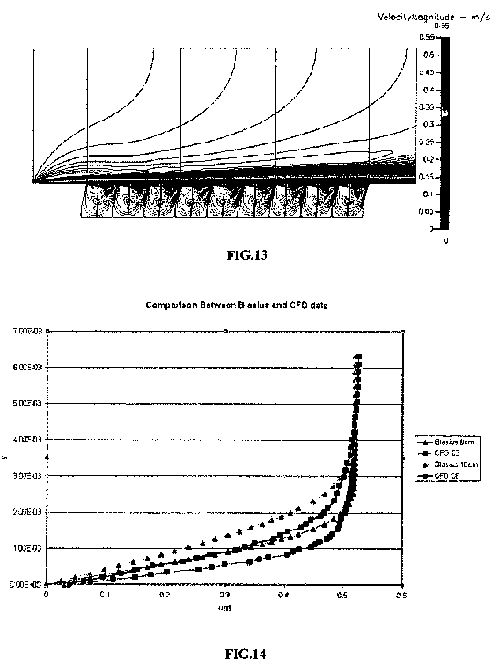
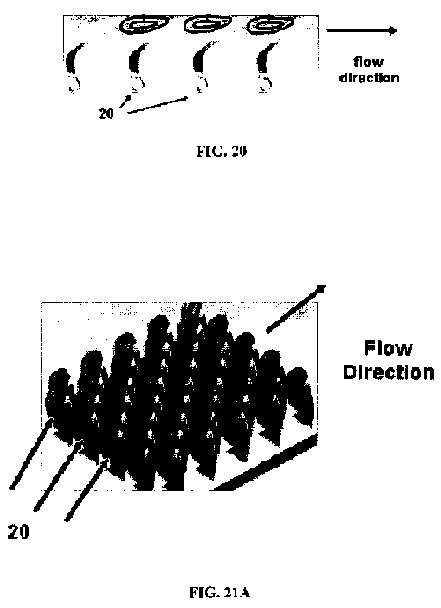
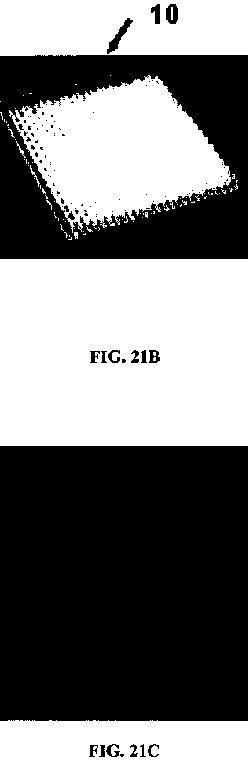
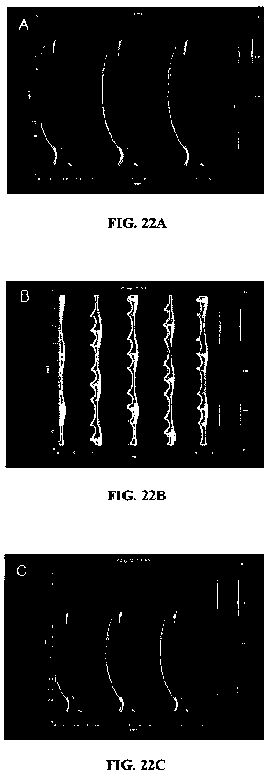
The invention consists of a wall surface patterned with an array of roughness elements (synthetic scales) that form cavities. When fluid flows over the surface, the cavities generate counter-rotating vortices which produce a partial-slip condition, delay transition to turbulence, and lower momentum thickness of the boundary layer. Laboratory tests in a water stream (20 cm s^-^1) with silver-coated nanospheres visualised the vortices, and CFD simulations showed drag-coefficient reductions of 76-84 % for selected cavities.
Principles
- Boundary-layer manipulation
- Embedded cavity vortex generation
- Partial-slip condition
Scientific Domains
Materials
- Enamel (tough enamel for natural scales)
- Synthetic polymer scales
- Silver-coated nanospheres (tracer particles)
Mechanisms of Action
- Formation of stable cavity vortices
- Reduction of near-wall shear stress
- Delay of laminar-to-turbulent transition
Applications
- Torpedoes
- Underwater vehicles
- Aircraft
Claimed Performance
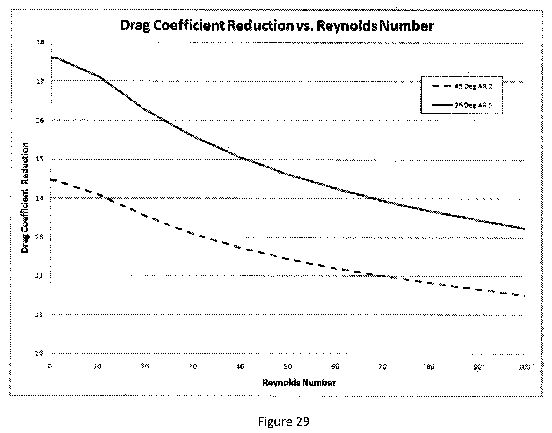
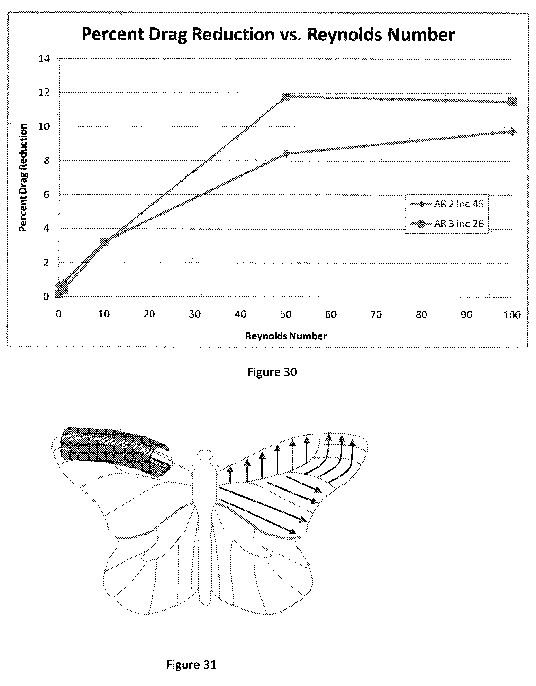
Drag coefficient reduced by 76 %-84 % in CFD and experimental snapshots of individual cavities
Experimental Evidence
Water-flow experiments at 20 cm s^-^1 visualised vortices with laser-illuminated silver nanospheres; CFD at Re=2000 showed momentum-thickness reductions of 16 %-24 % and drag-coefficient reductions of 76 %-84 % for selected cavities
Limitations
- Quantitative drag-reduction not fully measured on full-scale prototypes
- Durability of synthetic scales under real-world conditions not demonstrated