Goal
Provide an aircraft with greatly increased lift at ultra-low airspeeds, short wingspan, inherent stability and self-righting capability without pilot assistance.
Problem
Conventional aircraft require long wings for sufficient lift and are prone to nose-dives, spins and instability at low speeds.
Concept Summary
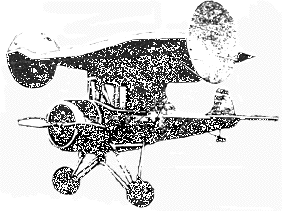
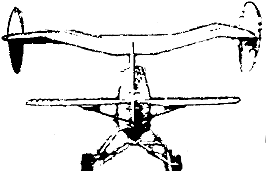
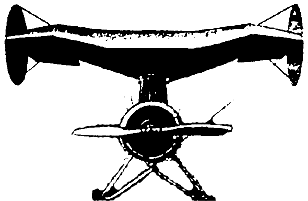
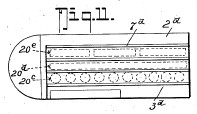
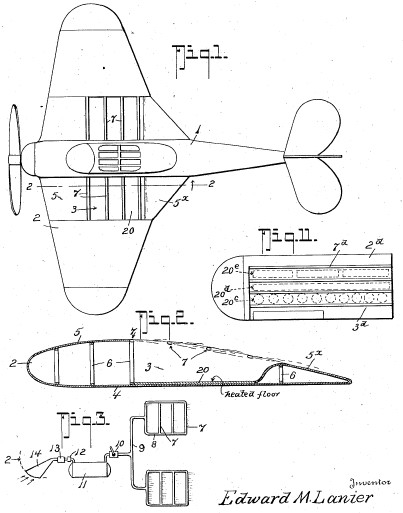
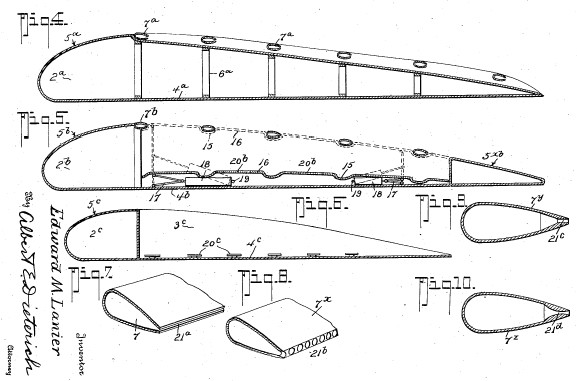
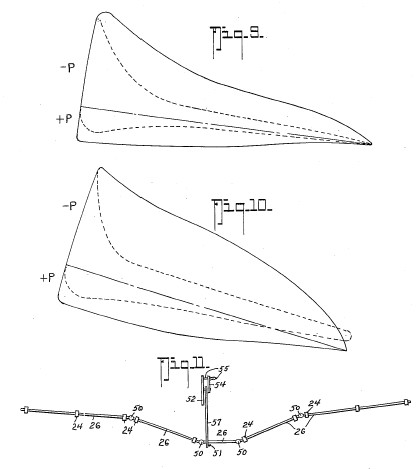
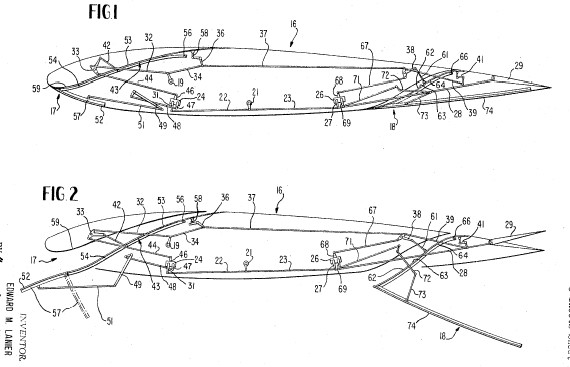
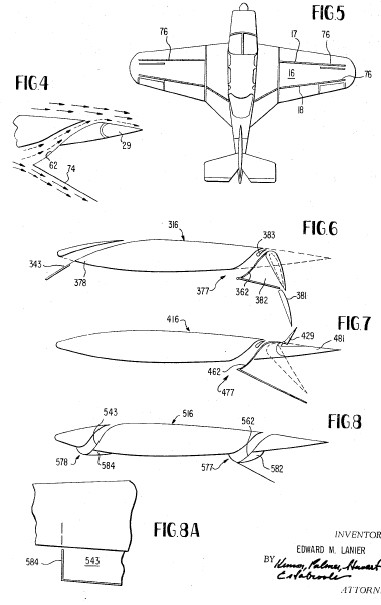
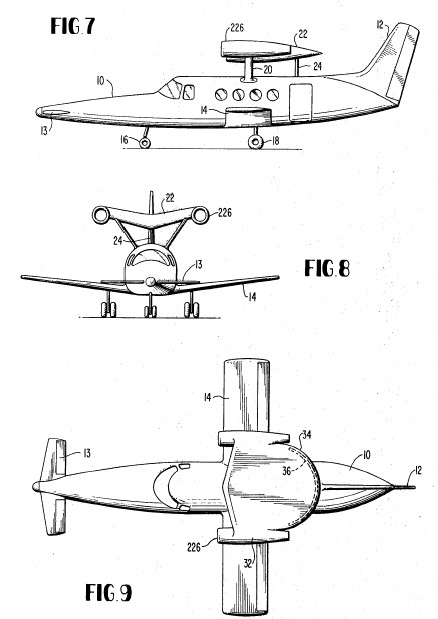
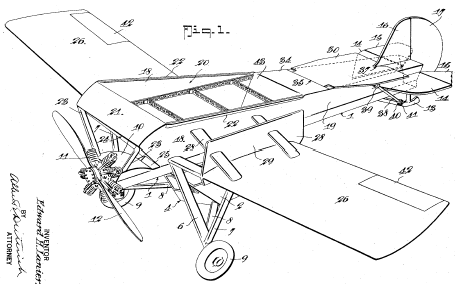
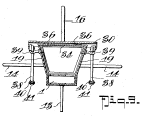
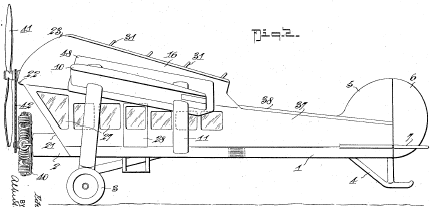
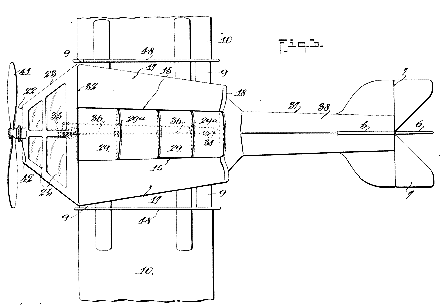
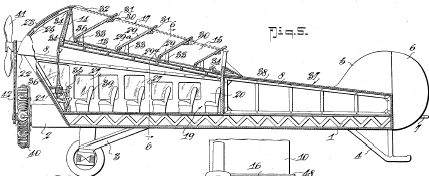
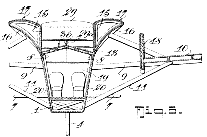
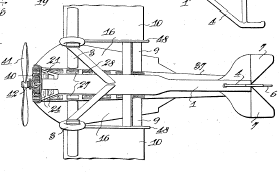
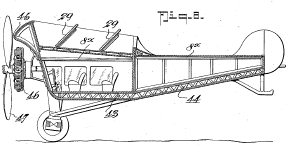
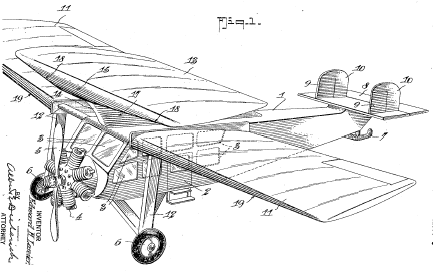
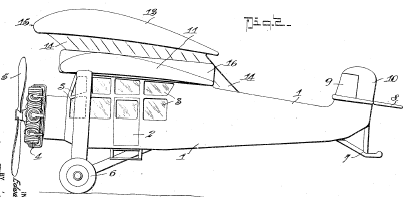
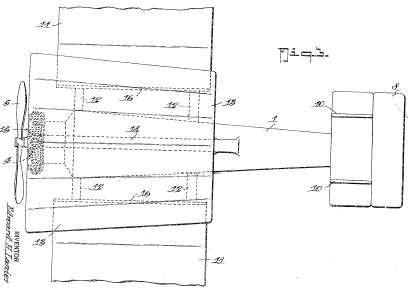
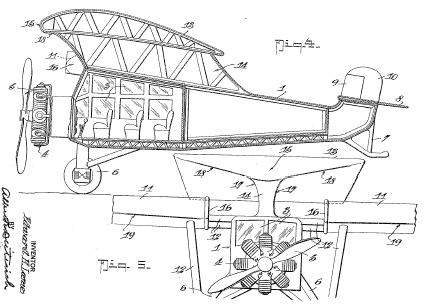
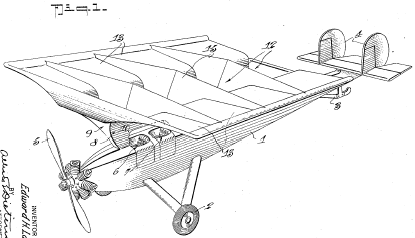
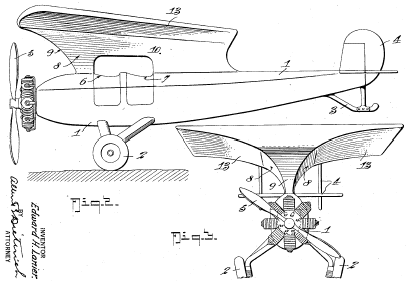
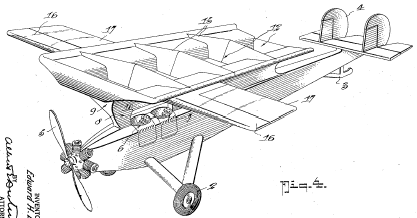
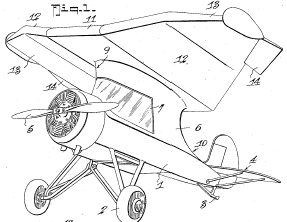
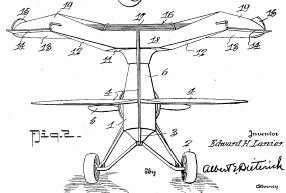
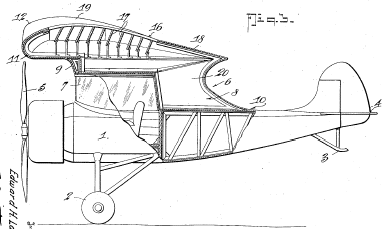
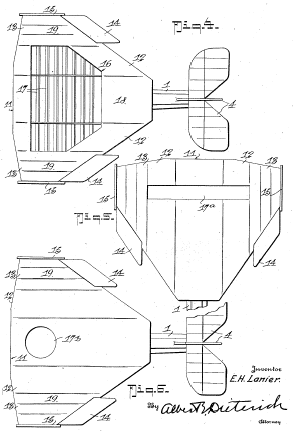
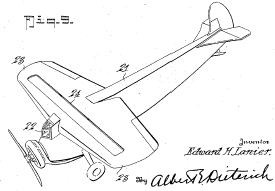
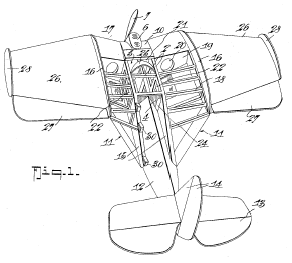
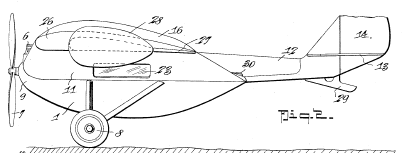
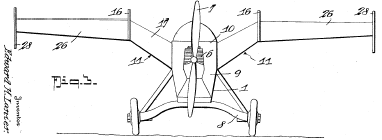
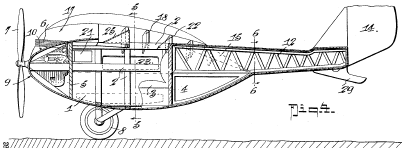
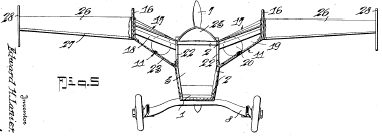
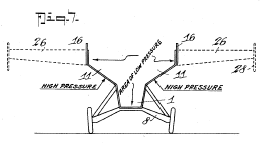
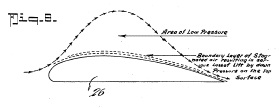
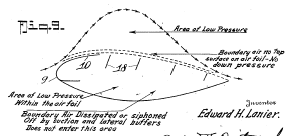
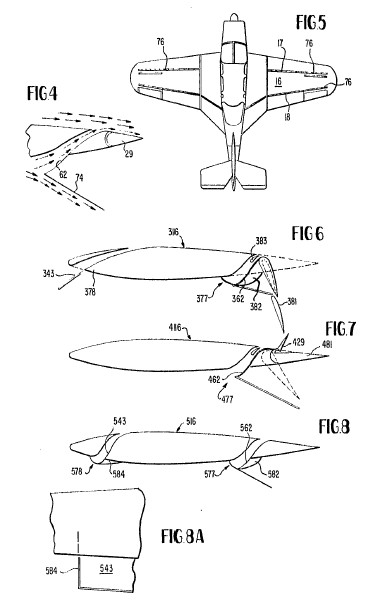
The Vacuplane uses a hollow wing and fuselage section that forms a vacuum chamber (suction cells) on the upper surface. Air flowing through longitudinal channels and over the vacuum chamber creates a pressure differential that augments lift, allowing a very short wing span. Additional features such as wing-tip vortex-reducing disks, a tail-spin check vane, and angled wing tips improve stability and control.
Detailed Description
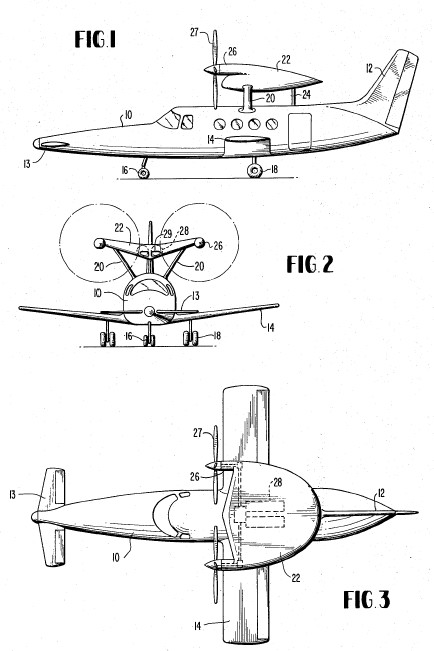
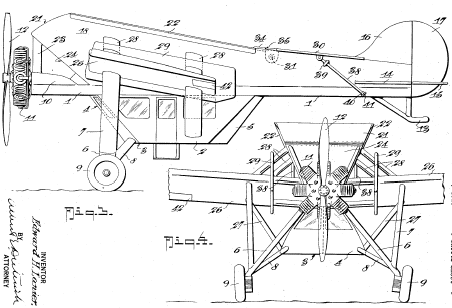
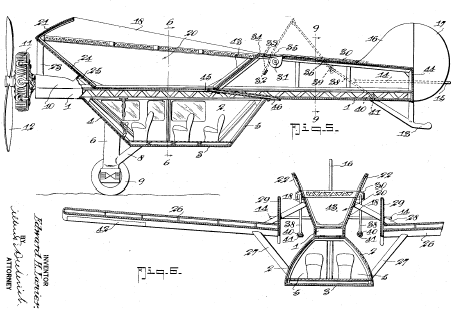
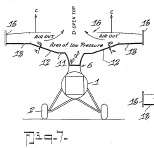
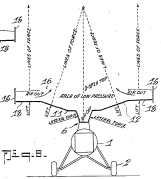
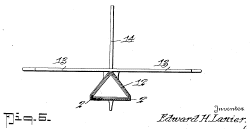
The aircraft's fuselage has an open-top vacuum chamber formed by a hollow upper surface. Air-channel vanes attached to the inner wing ends guide airflow through the chamber, generating a low-pressure region that pulls the plane upward. Wing-tip boards reduce vortex formation, while a hinged tail-spin vane opens during a stall to correct spin. The design includes conventional ailerons, elevators, rudders, and a small internal-combustion engine driving a propeller. The vacuum chamber is positioned at the highest point to align the center of gravity directly beneath it, enhancing stability.
Principles
- Vacuum suction lift
- Air channeling for pressure differential
- Vortex reduction via wing-tip disks
- Tail-spin check vane for self-righting
Scientific Domains
Materials
- Aluminum
- Wood
- Rubber
Mechanisms of Action
- Pressure differential created by vacuum chamber increases lift
- Air flow through longitudinal channels directs airflow to sustain vacuum
- Wing-tip devices disrupt vortex formation, improving lift efficiency
- Tail-spin vane opens to generate corrective yaw moment during spin
Energy Sources
Applications
- Aerial training aircraft
- Short-take-off and landing (STOL) planes
- Low-speed surveillance or observation aircraft
Claimed Performance
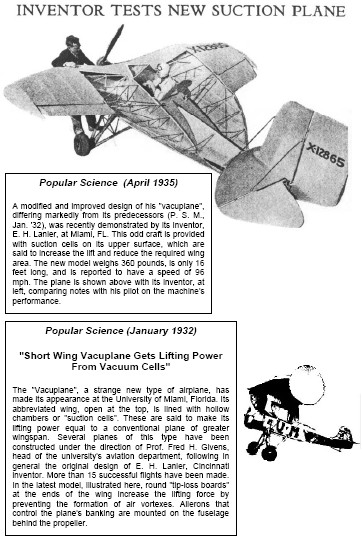
Lift comparable to a conventional aircraft with a much larger wingspan; speed of 96 mph; weight 360 lb; more than 15 successful flights reported.
Experimental Evidence
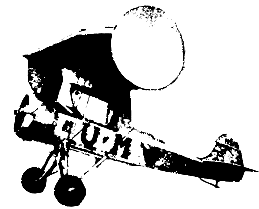
More than 15 successful flights at the University of Miami; speed of 96 mph recorded for a 360-lb model; multiple prototypes built and tested.
Replication Status
Multiple prototypes constructed and flown; no indication of commercial production.
Limitations
- Reliance on maintaining a vacuum chamber without leaks
- Complex wing and fuselage construction
- Limited quantitative performance data