Goal
Achieve highly homogeneous fuel-air mixture to improve combustion efficiency and reduce harmful emissions.
Problem
Inadequate mixing of fuel and air leads to incomplete combustion, carbon monoxide production, and low thermal efficiency.
Concept Summary
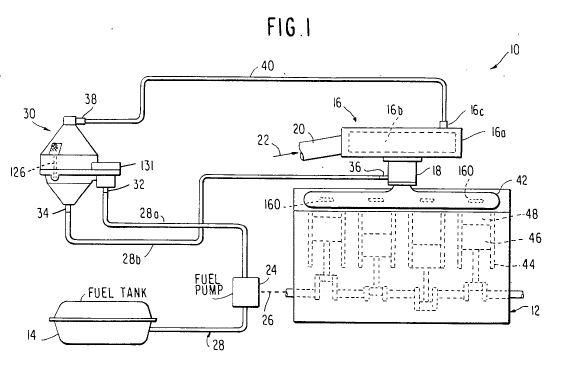
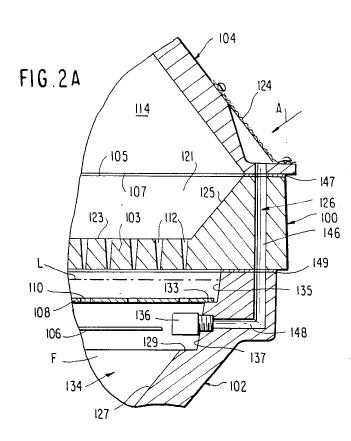
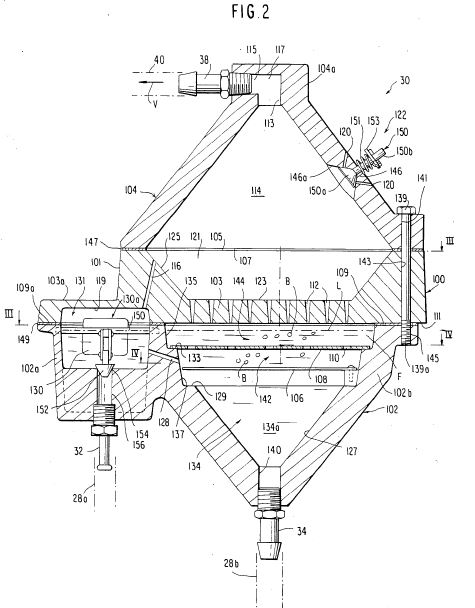
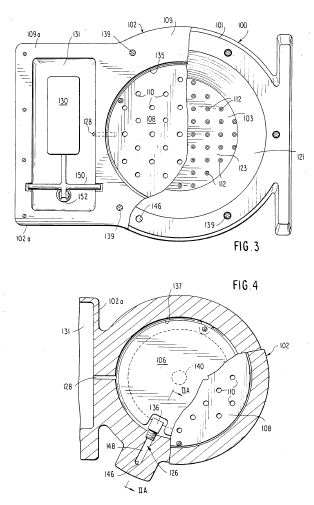
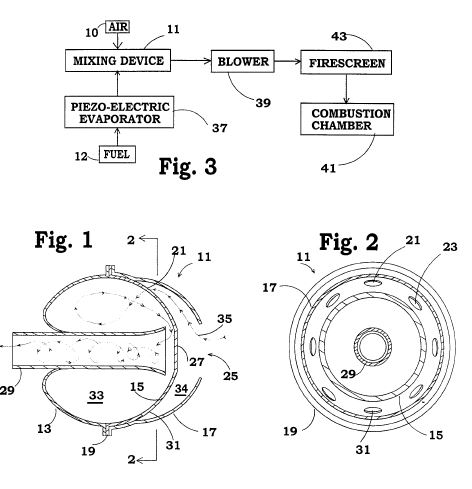
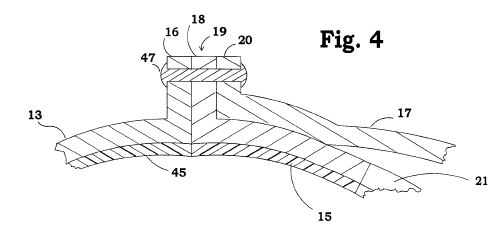
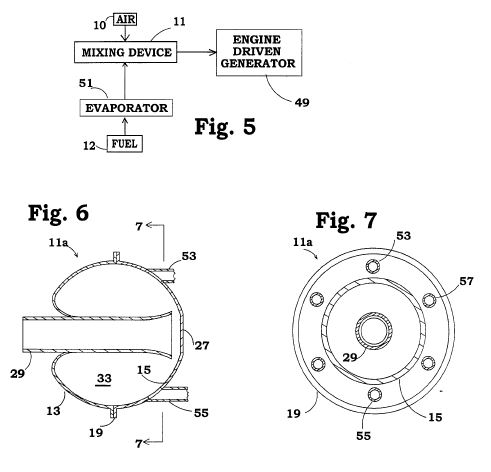
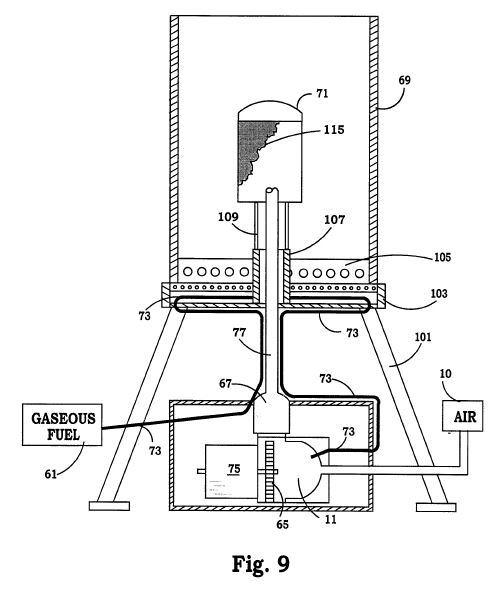
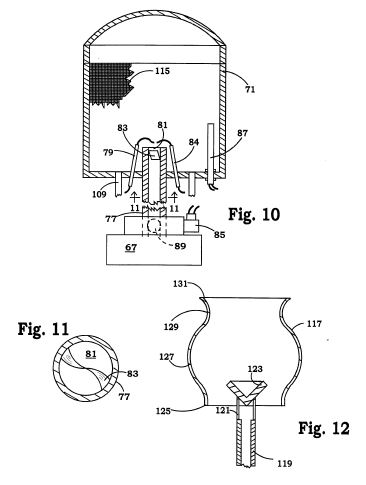
A spheroidal, multi-chamber mixing device composed of hemispherical shells and a toroidal chamber creates turbulent, tornado-like flow that thoroughly blends fuel vapor with air before combustion, delivering a laminar homogeneous mixture to a burner or engine.
Principles
- Fluid turbulence
- Helical (tornado-like) flow
- Laminar output after mixing
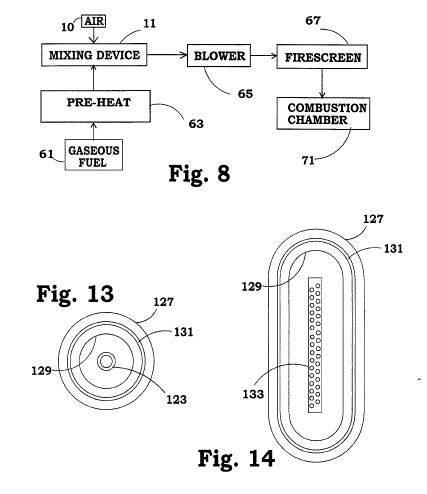
- Pre-heating of fuel vapor
- Homogenization of gas mixtures
Scientific Domains
Materials
- steel
- stainless steel
- ceramic
- polytetrafluoroethylene (PTFE) coating
Mechanisms of Action
- Turbulent mixing in toroidal and spheroidal chambers
- Induced helical flow by flared pipe and flattened surface
- Laminar discharge of fully mixed fuel-air mixture
Energy Sources
Applications
- free-standing space heating
- emergency/back-up generators
- automotive fuel-efficiency enhancement
Claimed Performance
Reported fuel economy improvement of 60-100 mpg in vehicle tests; high-efficiency heat generation in free-standing space heaters; reduced carbon monoxide emissions due to more complete combustion.
Experimental Evidence
A 5-inch diameter mixing device was reported to work well with engines of 60 cc-300 cc displacement, but performance degraded outside that range.
Limitations
- Device size must be matched to engine displacement; too large or too small reduces performance
- Requires a fuel-pre-heating evaporator (e.g., piezoelectric)
- No independent, peer-reviewed testing data available
- Potential scaling challenges for larger power systems
Red Flags
- Lack of peer-reviewed experimental data
- Claims of large fuel-economy improvements without documented test protocols
- Potential for misinterpretation as a "free-energy" claim