Goal
To generate usable electrical power by manipulating magnetic fields and plasma within a vacuum chamber.
Problem
Reliance on conventional electricity generation methods (coal, hydro) that are costly, environmentally damaging, and limited in scalability.
Concept Summary
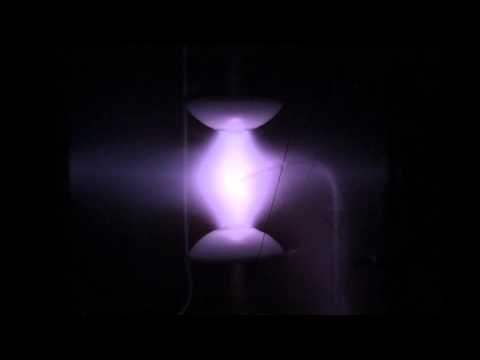
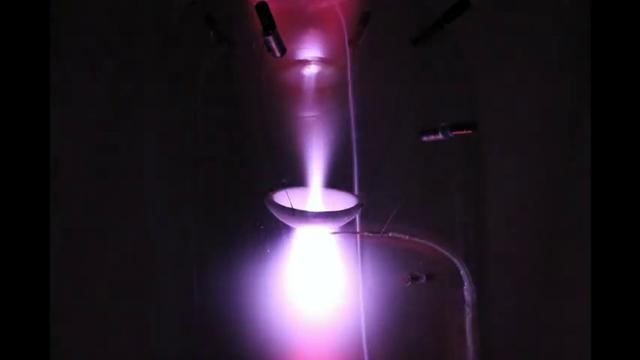
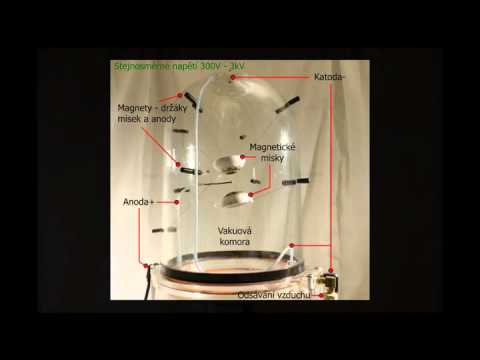
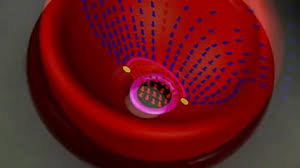
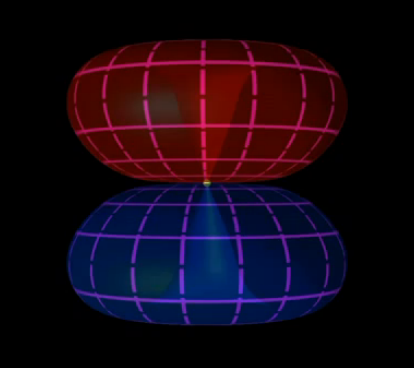
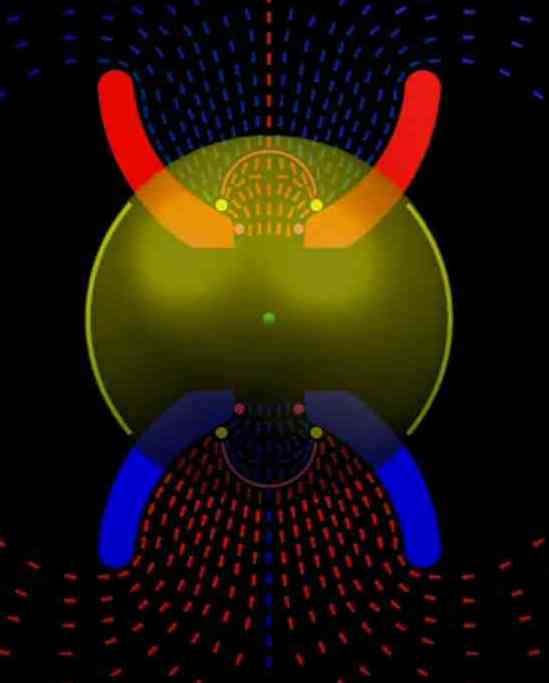
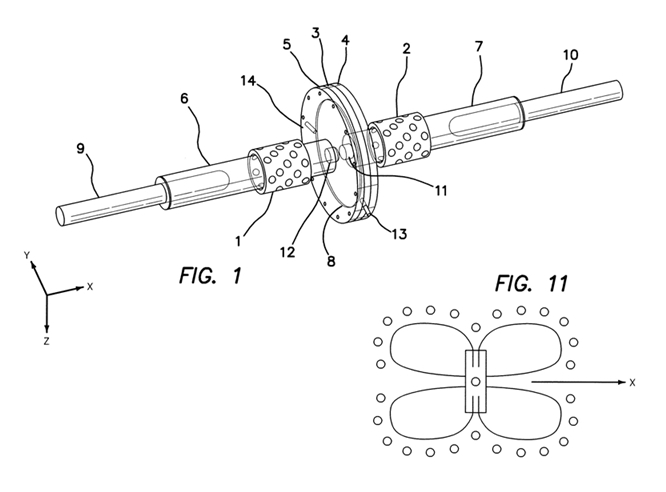
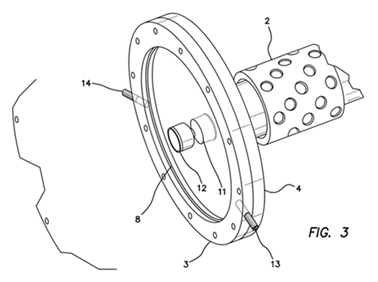
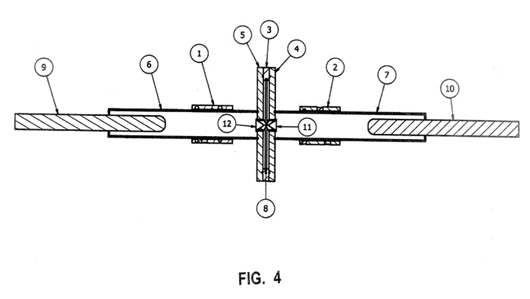
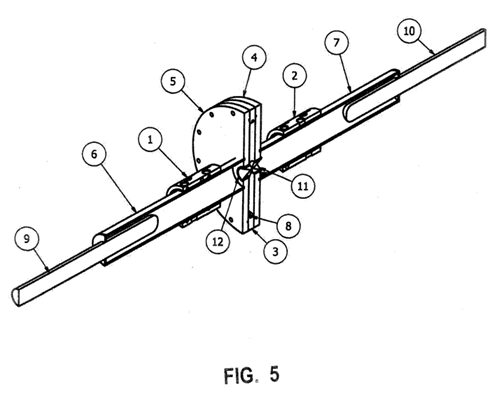
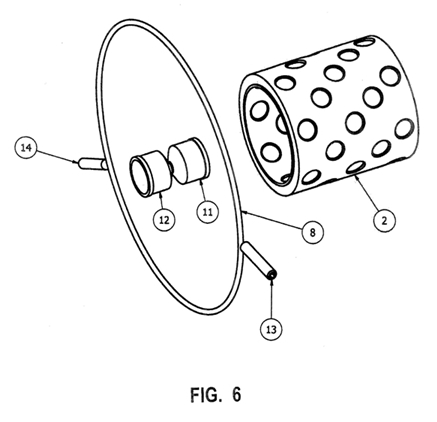
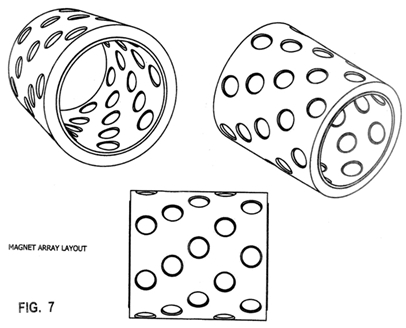
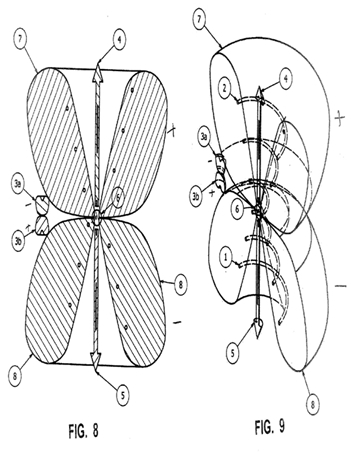
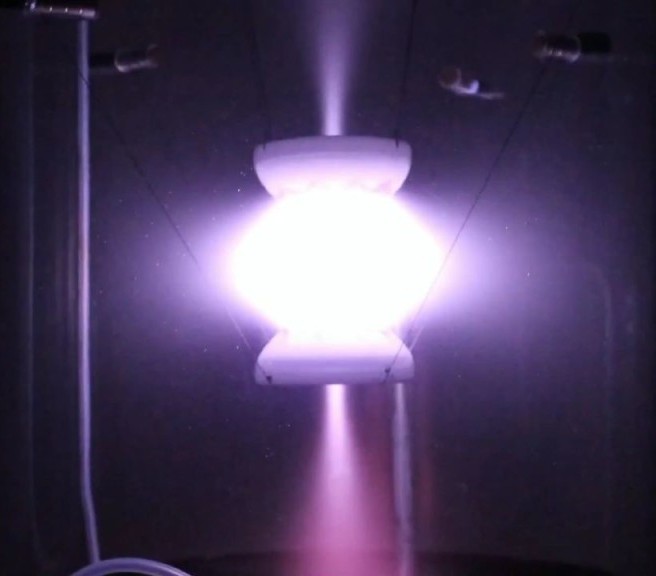
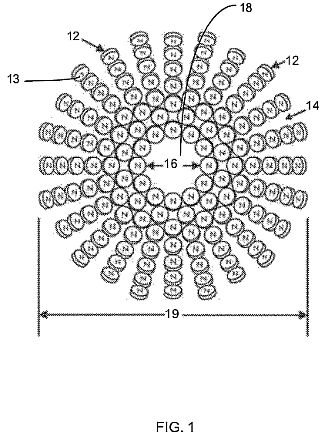
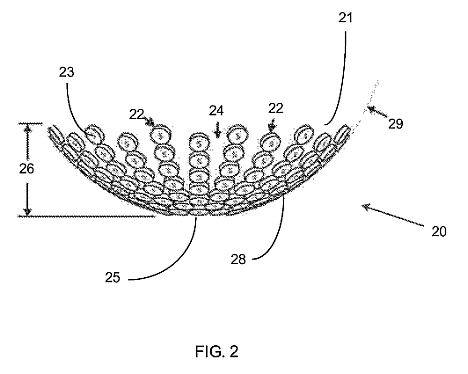
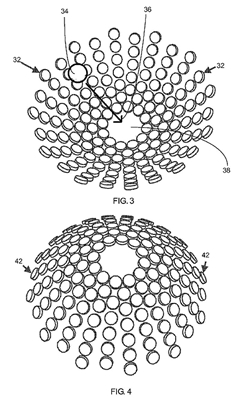
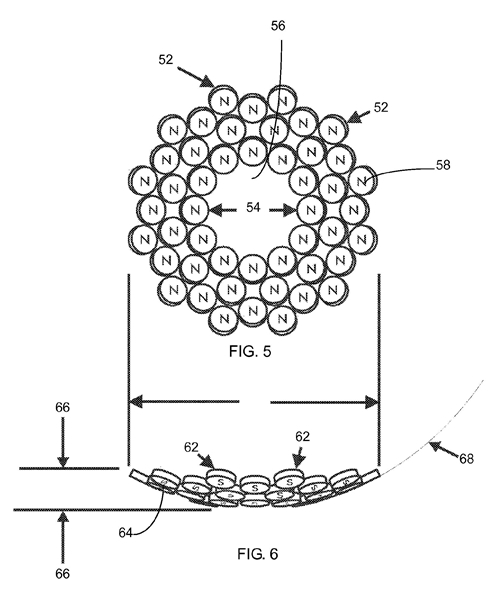
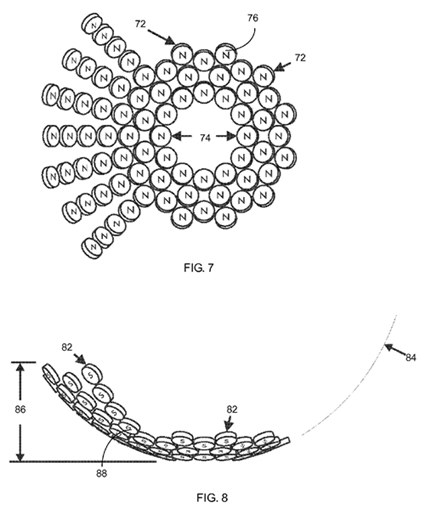
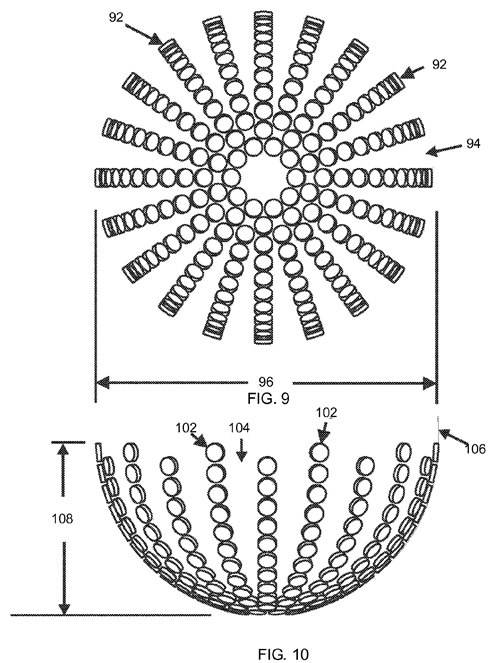
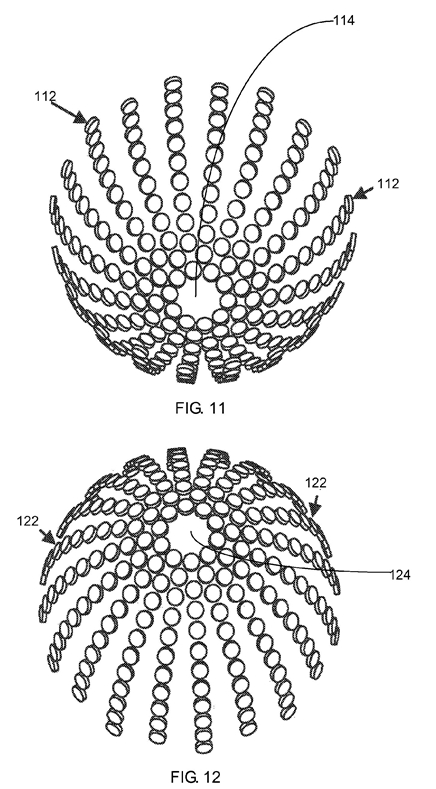
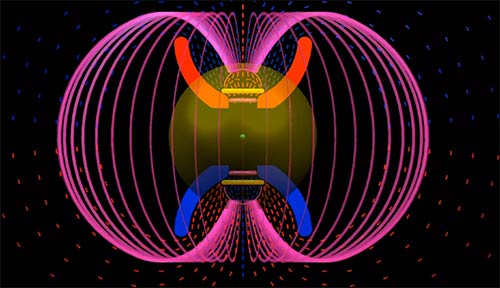
The Primer Field concept uses bowl-shaped magnets (negatively or positively polarized) arranged in a vacuum chamber filled with gas. An electrode creates plasma that collects between opposing magnetic bowls, rotates rapidly, and ejects plasma streamers. The rotating plasma and the magnetic array are claimed to produce an electric field that can be harvested as electrical energy.
Principles
- Magnetic field manipulation
- Plasma dynamics
- Vacuum chamber operation
- Ion/electron flow control
Scientific Domains
Materials
- Anisotropic rare-earth magnets
- Metal
- Polycarbonate
- Rubber
- Foam
- Composite
- Plastic
Mechanisms of Action
- Magnetic array creates a spatially varying magnetic field that influences charged particles
- Charged particles (plasma) are accelerated and rotated between oppositely polarized magnetic bowls
- Rotating plasma induces an electric field that can be collected via a voltage ring
Applications
- Alternative electricity generation for homes or remote sites
- Potential therapeutic effects for electromagnetic field exposure
Experimental Evidence
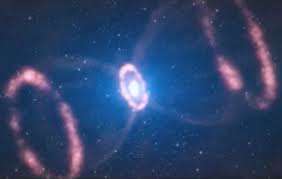
Most of the plasma in the chamber collects in the space between the bowls. It rotates at a high rate of speed and streamers of plasma are ejected from the holes in the bottom of the bowl shaped magnets.
Limitations
- Requires vacuum chamber and specialized magnetic bowls
- No quantitative performance data provided
- Scalability and durability not demonstrated
Red Flags
- Extraordinary energy claims without peer-reviewed data
- Lack of independent replication or third-party testing
- Reliance on vague concepts such as "double toroidal magnetic fields"