Goal
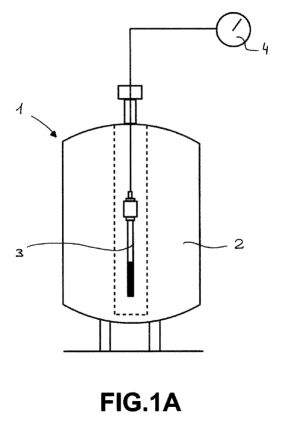
Safe, compact storage of hydrogen and on-demand hydrogen generation from formic acid for energy and automotive applications.
Problem
Hydrogen is highly flammable and requires bulky, high-pressure cylinders for storage, making transport and vehicle integration difficult.
Concept Summary
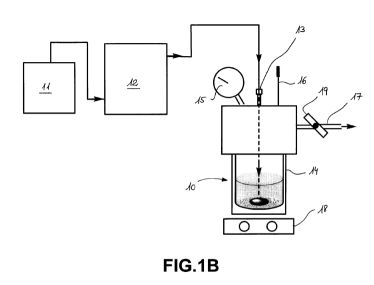
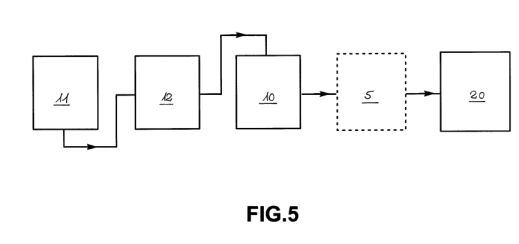
Formic acid is used as a liquid, non-flammable hydrogen carrier. A catalytic process converts formic acid back to hydrogen and carbon dioxide on demand, enabling a reversible energy storage cycle with higher volumetric energy density than compressed hydrogen.
Principles
- Catalytic reversible conversion of formic acid <-> H_2 + CO_2
- Chemical energy storage in a liquid carrier
- On-demand hydrogen release
- Use of inexpensive iron-based catalysts
Scientific Domains
Materials
- Formic acid (HCOOH)
- Water (aqueous medium)
- Iron-based catalyst (or other transition-metal complexes)
- Formate salts (optional)
Mechanisms of Action
- Acid-catalyzed dehydrogenation of formic acid in aqueous solution
- Hydrogen gas evolution while CO_2 remains dissolved or is vented
- Catalyst regeneration and recycling
Energy Sources
Applications
- Vehicle fuel for fuel-cell or combustion engines
- Stationary renewable-energy storage
- Portable power systems
Claimed Performance
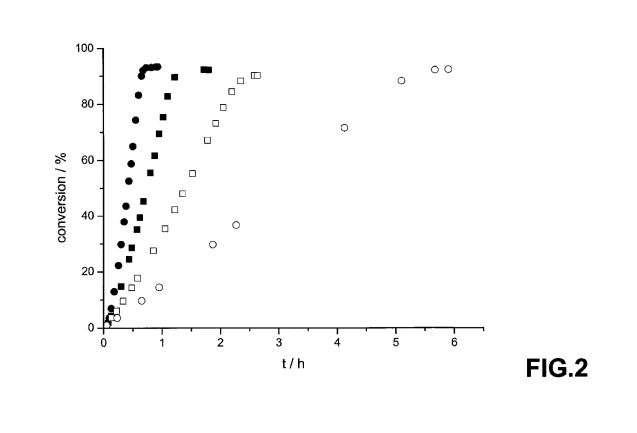
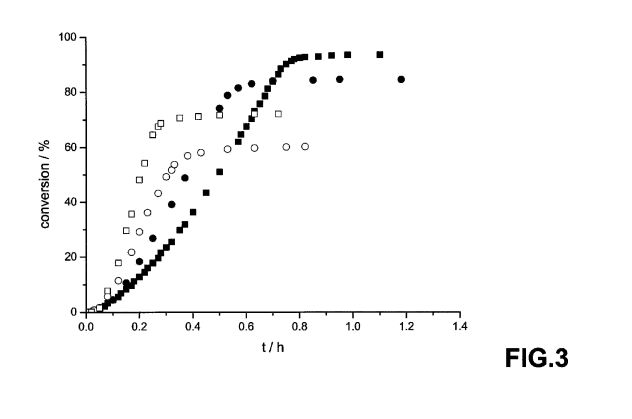
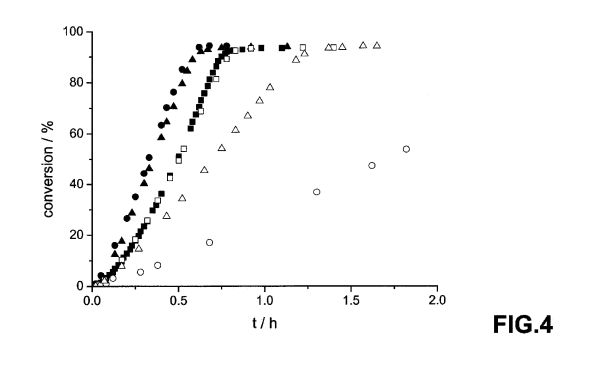
Prototype producing 2 kW of electrical power; up to 90 L H_2 /min per L of reactor volume; >60 % of the original electrical energy recovered; 53 g H per litre of formic acid (~=2x the energy density of 350 bar H_2).
Experimental Evidence
A compact working prototype delivering 2 kW was built; the reaction rate of up to 90 L H_2 /min per L reactor volume is reported; two companies (Granit, Tekion) have obtained licenses to develop the technology.
Replication Status
Licensed to Granit (Switzerland) and Tekion (Canada); no independent third-party replication reported in the article.
Limitations
- Cost of catalyst and system integration
- Overall round-trip efficiency limited to ~60 %
- Need for catalyst recycling and durability testing
Red Flags
- Cost may be a barrier to early adoption
- Efficiency loss during the formic-acid <-> H_2 cycle