Goal
Provide a cheap, high-energy motor fuel that can replace petrol and reduce operating costs.
Problem
High cost and limited energy density of conventional petrol; need for a non-corrosive, non-explosive liquid fuel.
Concept Summary
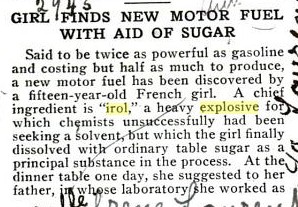
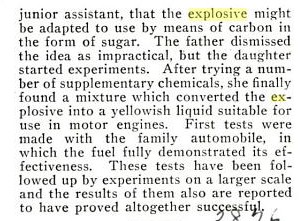
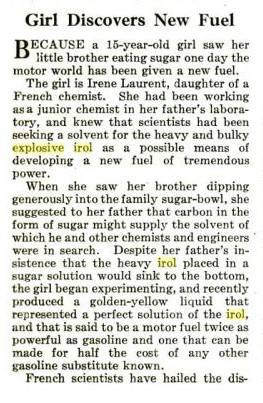
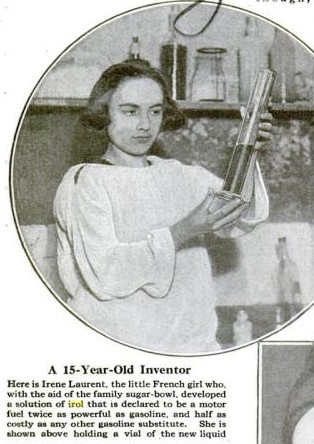
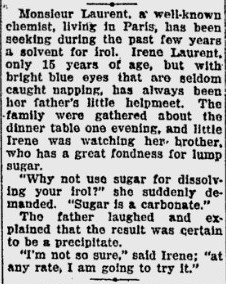
Irolene is a liquid fuel derived from the explosive compound "irol". When heated, irol is transformed into a combustible gas mixture (hydrogen-rich) that can power internal-combustion engines. The invention also includes a catalyst that dissociates steam into hydrogen and oxygen, which can be mixed with hydrocarbons to form a combustible fluid.
Detailed Description
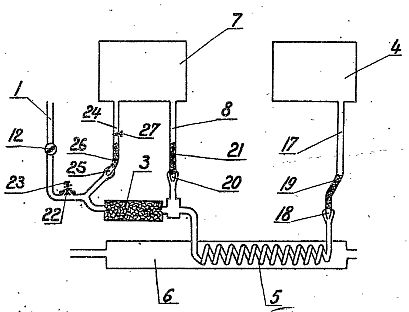
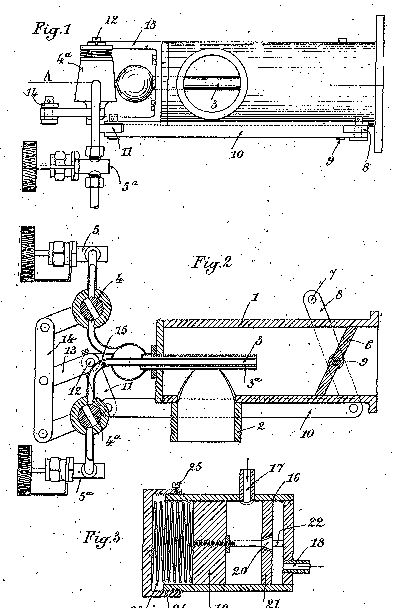
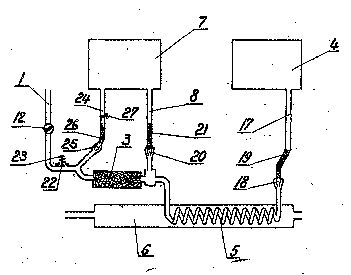
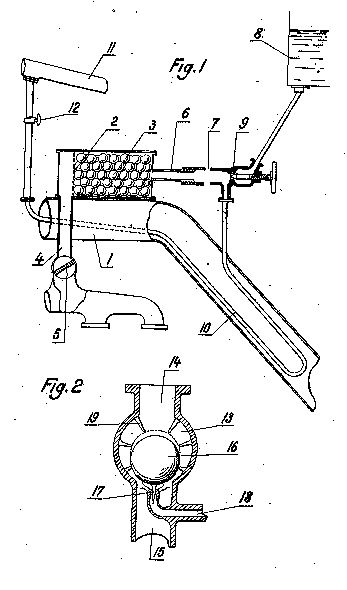
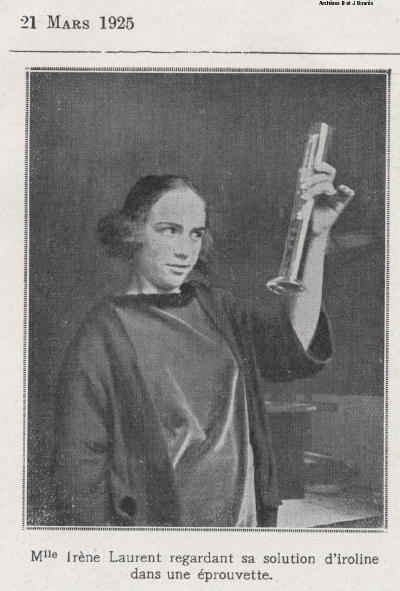
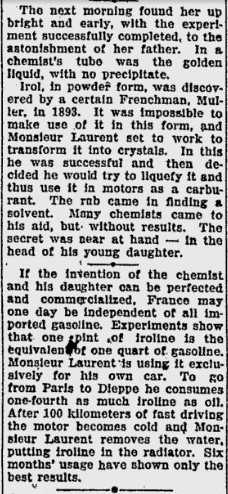
The original "irol" compound, discovered in 1893, is an explosive powder. Laurent converted it into crystals (slightly radioactive) and then into a liquid form that is non-flammable until vaporised by heat. In a test car, a small metal cylinder was fitted near the carburetor and the radiator was filled with Irolene; after warming the engine, the fuel ran entirely on the liquid, demonstrating power comparable to petrol. Separate patents (FR551387 and FR543219) describe catalyst mixtures (e.g., As_2S_5 + C + PbCO_3 or HgI_2 + C + SbCl_5) that dissociate water vapor at >1100 deg C into H_2 and O_2, which then combine with a hydrocarbon (gasoline, acetylene, etc.) to form a combustible gas that can run an engine. The catalyst is formed into porous balls or briquettes, allowing the steam-hydrocarbon mixture to pass through and be transformed before combustion.
Principles
- Catalytic steam dissociation
- Hydrogen-oxygen combustion
- Fuel blending of steam-derived hydrogen with hydrocarbons
Scientific Domains
Materials
- Arsenic sulfide (As_2S_5 or As_2S_2)
- Mercury iodide (HgI_2)
- Carbon (graphite, coke, coal)
- Lead carbonate (PbCO_3)
- Antimony chloride (SbCl_5)
- Water (steam)
- Hydrocarbons (gasoline, acetylene, benzene, alcohol)
- Air (oxygen)
Mechanisms of Action
- High-temperature catalyst splits water into H_2 and O_2
- Resulting gases mix with hydrocarbons to form a high-energy combustible mixture
- Liquid irol is vaporised by engine heat, providing additional combustible gas
Energy Sources
Applications
- Automotive fuel
- Portable power generation
- Heating and lighting
Claimed Performance
Four times as powerful as petrol; cost of about a penny per quart; engine can run on 50-80 % water-derived gas; 125-mile drive for five francs plus oil.
Experimental Evidence
Exhaustive tests in Paris by a body of expert motorists and engineers; a 25-hp car driven 125 miles from Paris to Dieppe at low cost; engine powered by Irolene after warm-up; patent tests reported proper functioning with 50-80 % water-derived gas.
Replication Status
Tested by expert motorists and engineers in Paris (1925); no further independent replication reported.
Limitations
- Use of toxic catalyst components (arsenic, mercury, lead)
- Undefined composition of the original irol compound
- Requires high temperature (>1100 deg C) for steam dissociation
- No modern experimental validation
Red Flags
- Extraordinary performance claims without quantitative data
- Reliance on hazardous materials (arsenic, mercury, lead)
- Historical source only; no modern peer-reviewed studies