Goal
Increase the thermal efficiency of oil-burning heating systems while reducing fuel consumption and toxic emissions.
Problem
Conventional oil burners operate at only 75-85 % efficiency, waste fuel as soot and CO, and generate sludge in the combustion system.
Concept Summary
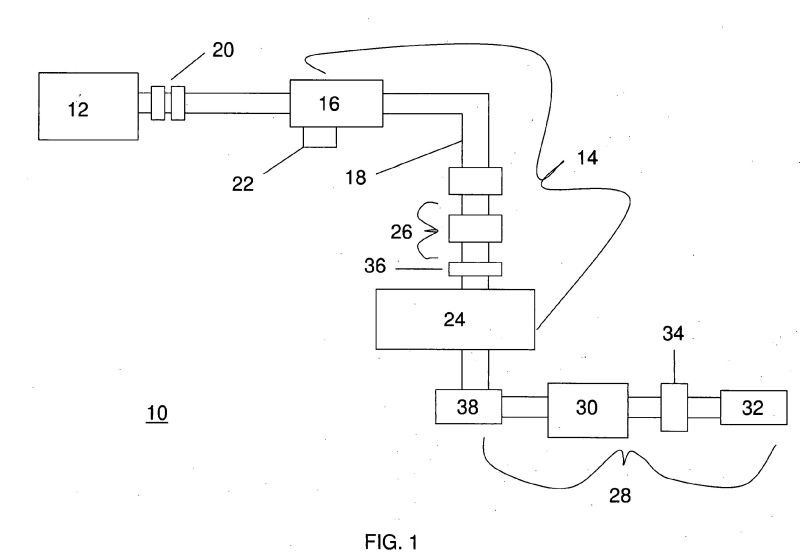
The Burner Booster pressurizes the fuel oil to 1,000-1,600 psi, pre-heats it, and forces it through a fine-mist nozzle after filtration. The high-pressure, atomized fuel burns more completely, keeping heat inside the combustion chamber and reducing soot, CO and other pollutants. Stack temperature is monitored and pressure adjusted to maintain optimal combustion.
Principles
- High-pressure fuel delivery
- Fuel pre-heating to reduce viscosity
- Fine-mist atomization for rapid combustion
- Two-stage filtration to remove impurities
- Stack temperature feedback control
Scientific Domains
Materials
- Number-2 heating oil
- Waste motor oil
- Transmission fluid
- Biofuels
- Light grease
- Paint solvents
- Cleaning solvents
- Diesel
- Kerosene
- Hydraulic oil
Mechanisms of Action
- Increasing fuel pressure creates a fine mist that burns faster and more completely
- Pre-heating the fuel improves atomization and prevents sludge formation
- Filtration removes particulates that could hinder combustion
- Monitoring stack temperature allows dynamic pressure adjustment to maintain efficiency
Energy Sources
Applications
- Residential home heating
- Small- to medium-size commercial heating
Claimed Performance
Real-world oil savings of 28-36 % on average (lab tests higher); field installations showed 25-35 % reduction in fuel consumption.
Experimental Evidence
Field tests in Medway, MA and Dover, NH reported 25-35 % oil reduction; lab tests indicated higher savings. The inventor cites these results as evidence of the device's efficiency.
Replication Status
Two installations reported (Medway, MA and Dover, NH); no independent third-party replication documented.
Limitations
- Must be installed by a licensed oil-burning technician
- Designed for existing oil-burner systems; not a standalone heater
- High-pressure components may increase cost and require regular maintenance
Red Flags
- Performance claims are based on limited field data and have not been independently verified