Goal
Produce hydrogen fuel from water for use in internal combustion engines and other applications.
Problem
High energy cost of conventional hydrogen production and reliance on fossil fuels.
Concept Summary
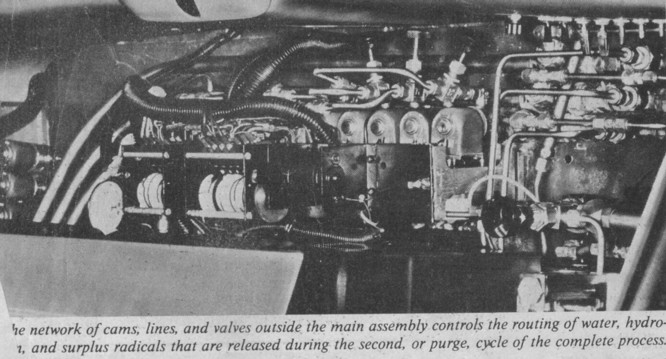
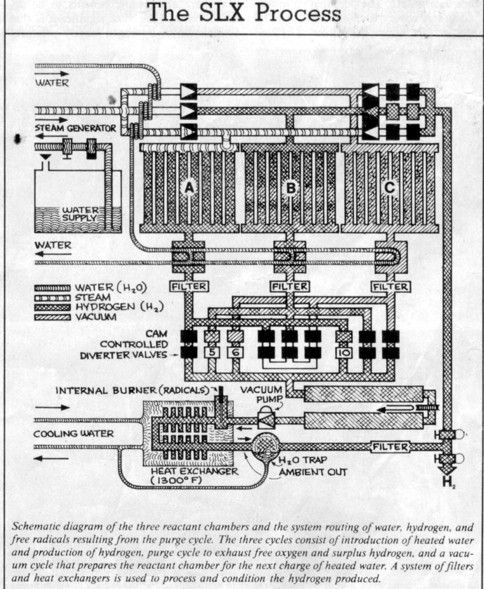
The SLX process heats water to ~300 deg F and passes it through a reaction chamber containing an unidentified metal reactant that captures oxygen atoms, releasing hydrogen. The reaction is exothermic, and the liberated hydrogen atoms recombine via a photochemical step to form H_2. The heat generated is claimed to exceed the input energy, giving efficiencies >100 %.
Principles
- Exothermic oxidizing reaction
- Photochemical recombination of hydrogen atoms
- Magnetic attraction model of H-O bonding
Scientific Domains
Materials
- Stainless-steel case
- Unidentified metal reactant (granules)
- Deionized tap water
- Steam
Mechanisms of Action
- Water heating to steam
- Chemical reactant captures oxygen from water
- Hydrogen atoms released and recombined
- Heat generated powers the reaction
Energy Sources
Applications
- Automotive fuel
- Stationary power generation
- Industrial hydrogen supply
Claimed Performance
System efficiency reported between 143 % and >200 %; self-sustaining hydrogen production sufficient to power a vehicle.
Experimental Evidence
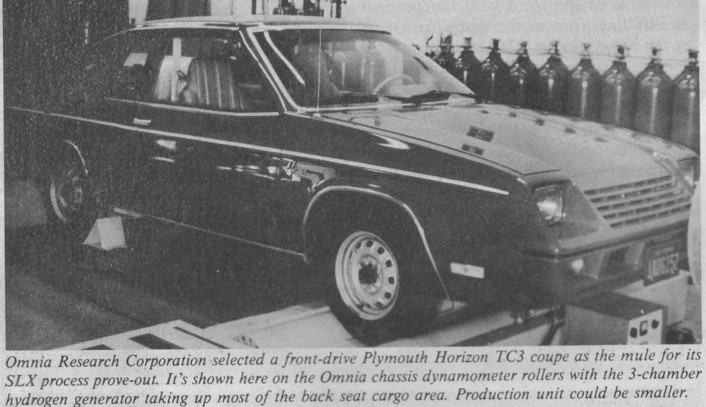
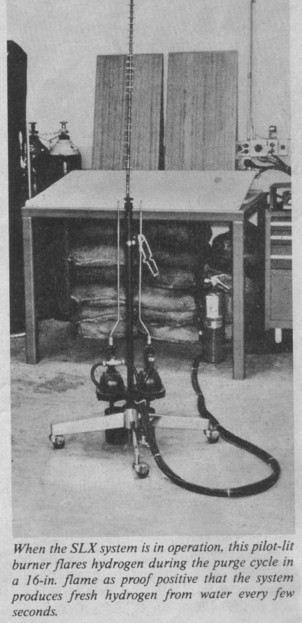
Independent engineering consultants performed energy-balance tests that validated the SLX process as an exothermic machine and demonstrated the lab model could be scaled up or down. A 15-minute flame burst was observed when the device operated on water.
Replication Status
Tested by independent consultants; no publicly documented replication or commercial scaling.
Limitations
- Undefined metal reactant composition
- Claims violate known thermodynamic laws
- Lack of peer-reviewed data
- Scalability and durability not demonstrated
Red Flags
- Violation of thermodynamic principles
- Secrecy around key reactant material
- No independent replication
- Potential perpetual-motion claim