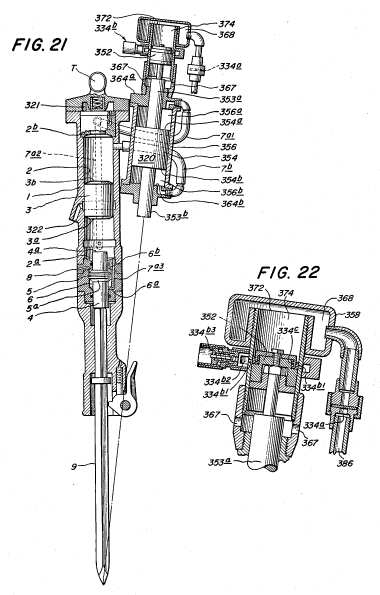
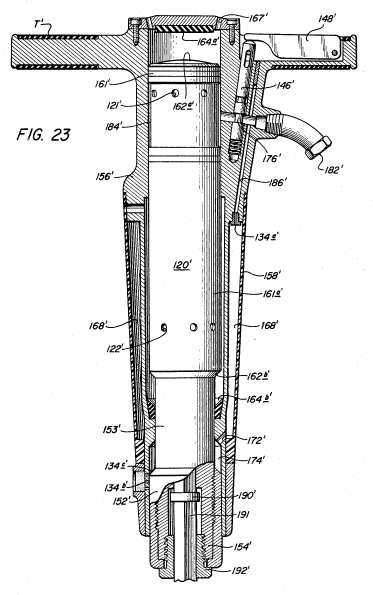
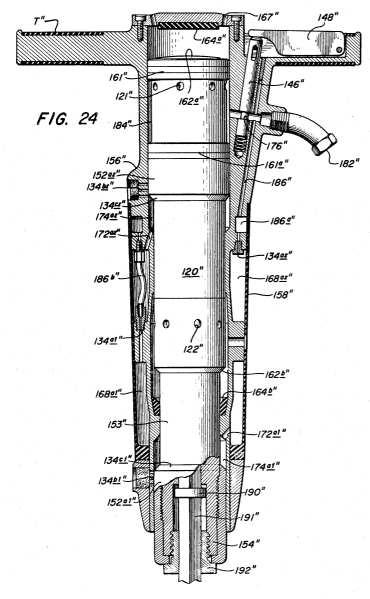
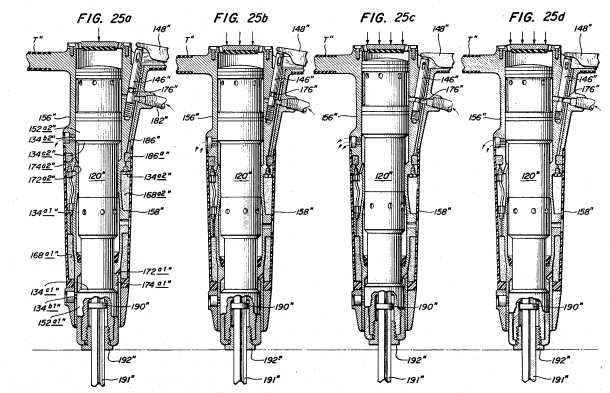
Goal
Provide a pneumatic percussive tool that operates without vibration and with minimal sound while using less energy and reducing wear.
Problem
Excessive noise, vibration, high energy consumption, wear, and environmental impact of conventional jackhammers and pneumatic tools.
Concept Summary
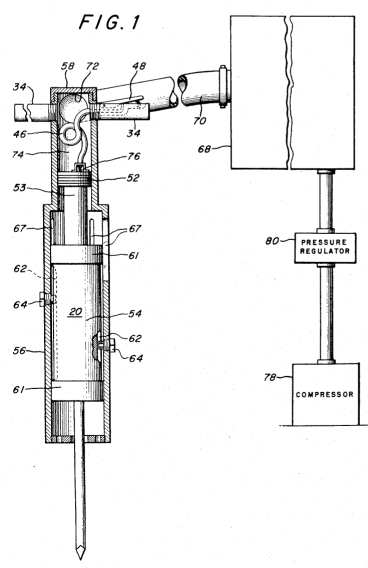
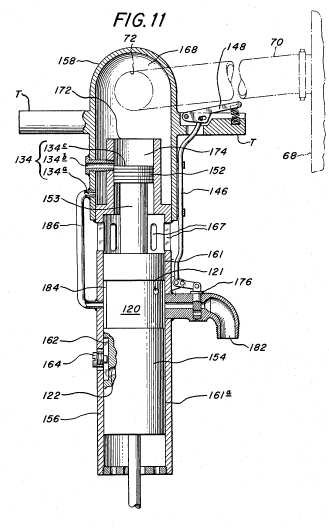
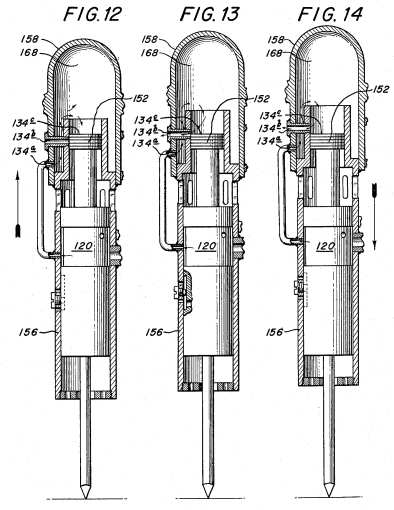
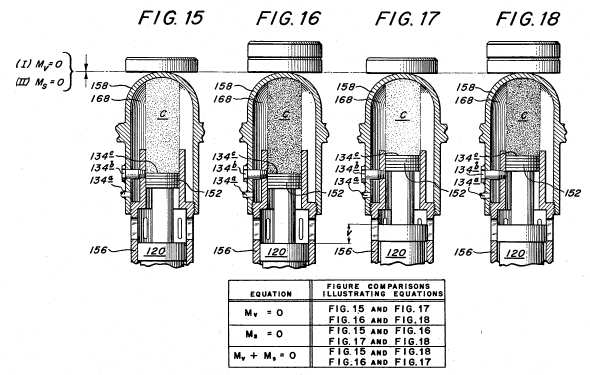
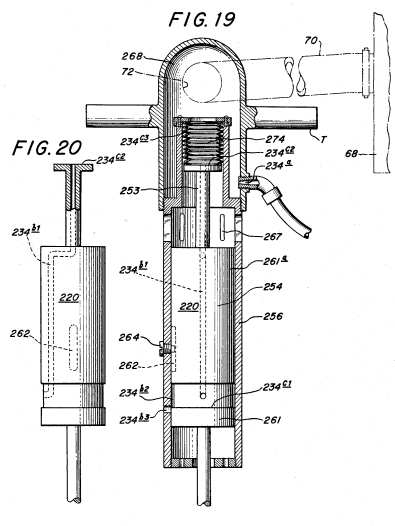
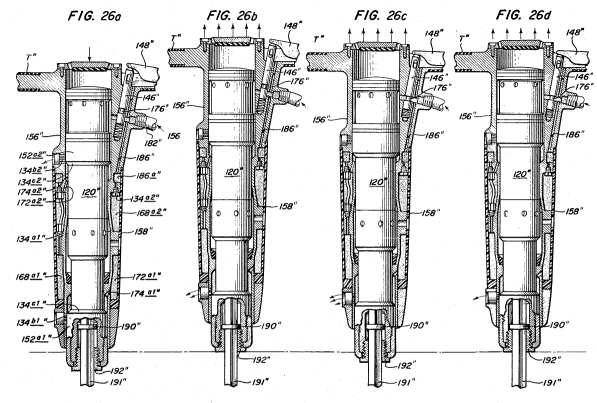
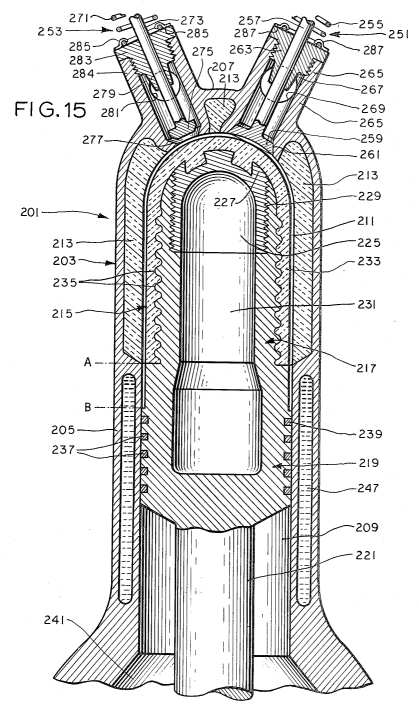
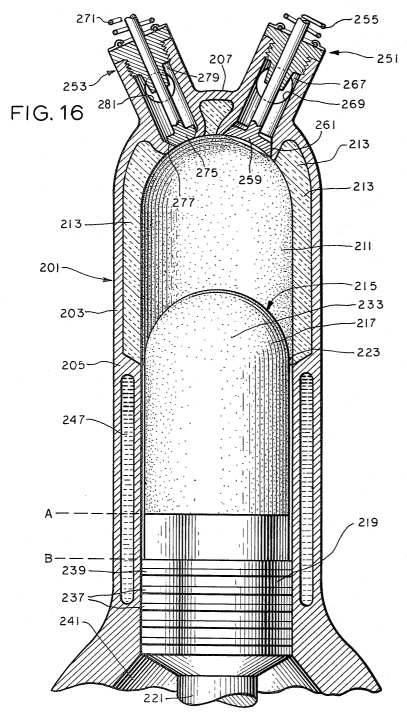
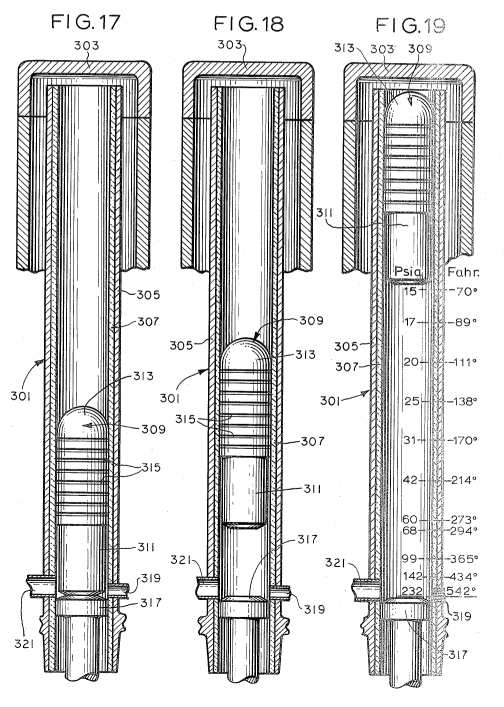
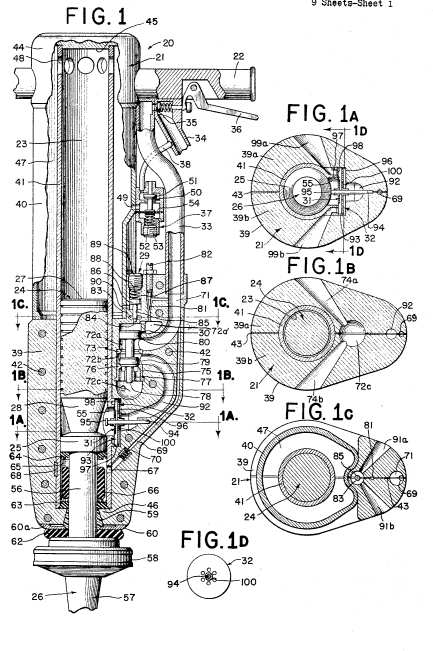
The VAST system uses a constant-pressure pneumatic drive combined with a heat-recovery cycle. By keeping the piston at equal areas on its upper and lower faces and exploiting the heat from adiabatic compression, the tool delivers impact forces without the variable forces that cause vibration and loud exhaust. The design reduces air flow and power requirements while delivering higher impact energy.
Detailed Description
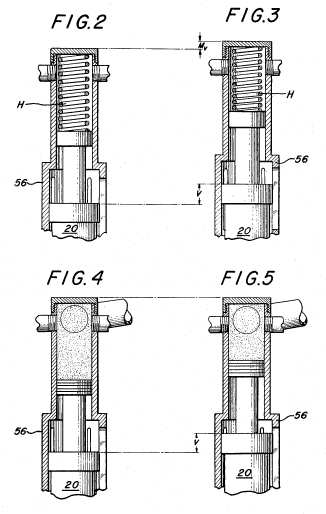
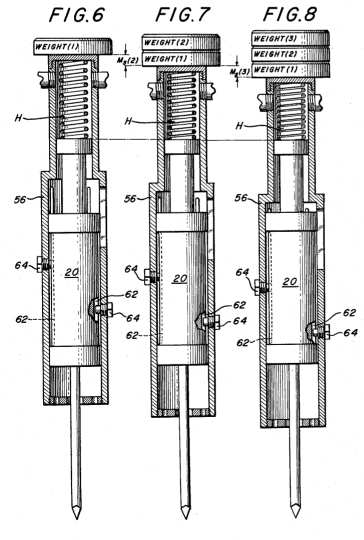
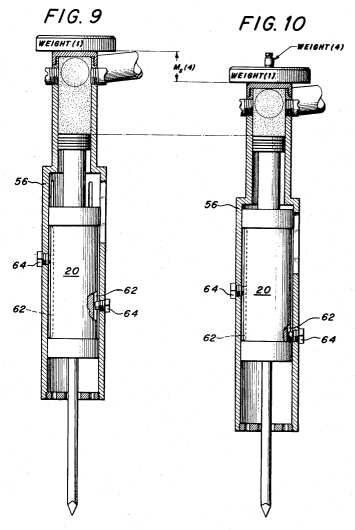
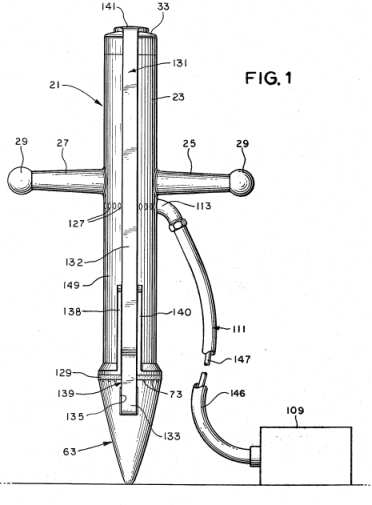
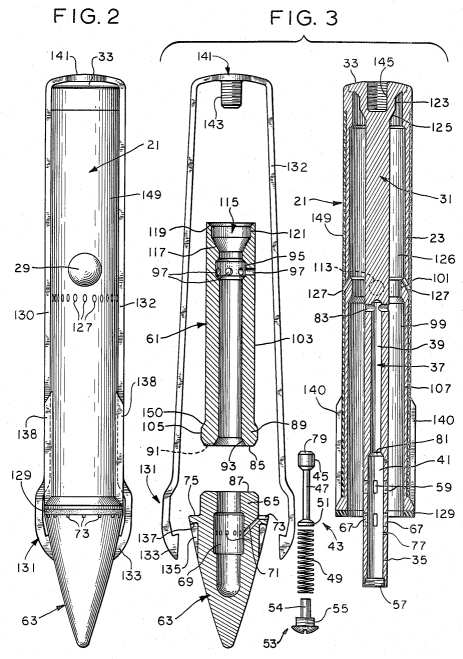
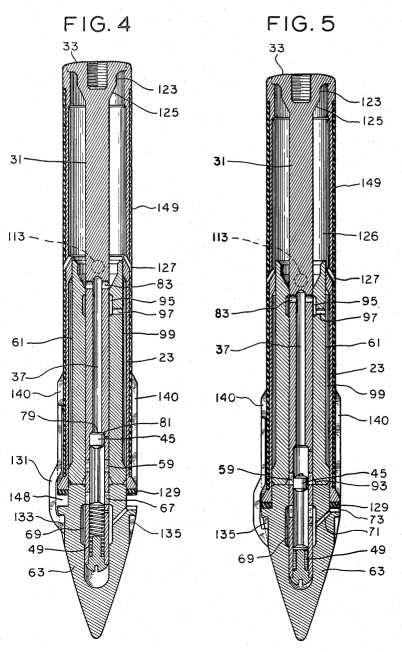
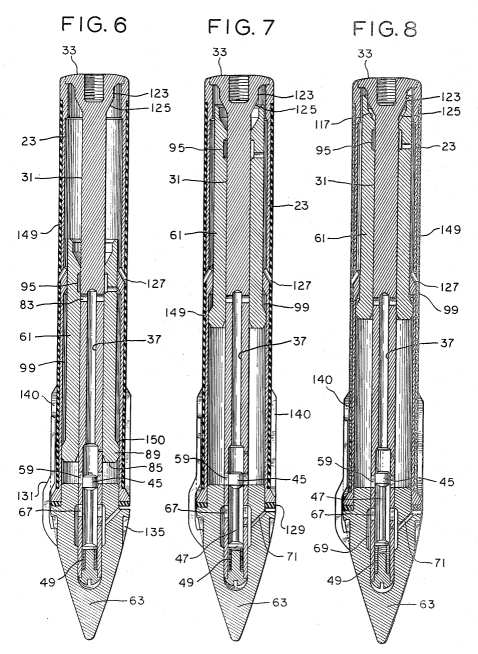
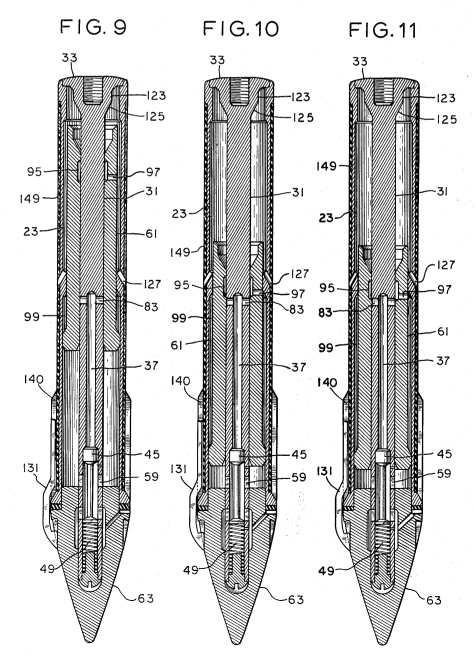
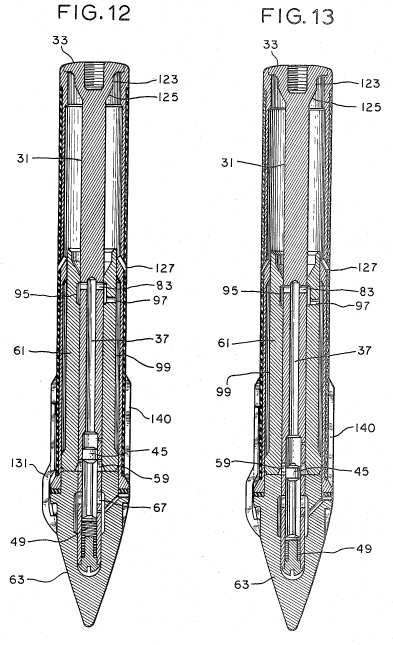
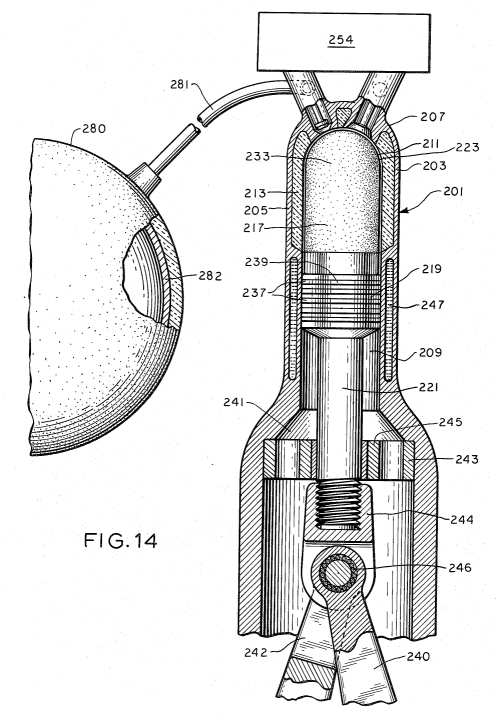
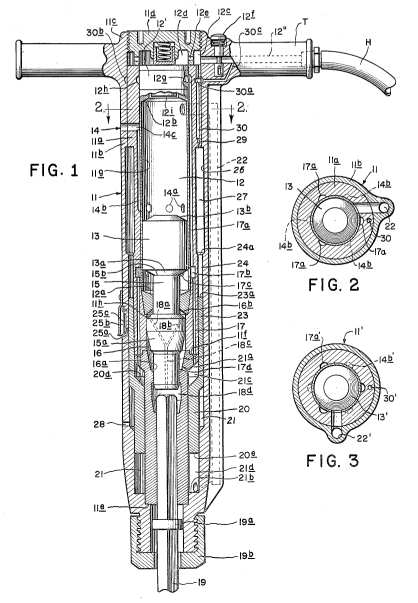
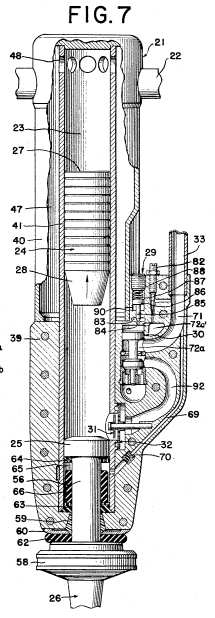
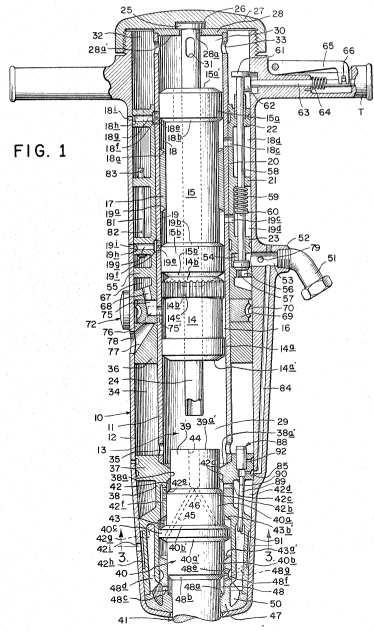
The invention comprises a pneumatic motor that drives a blow-striking hammer. A valving arrangement creates a large-ratio expansion of the compressed gas beneath the hammer, allowing the heat generated during near-adiabatic compression to assist propulsion. The downstroke is powered by constant pressure, eliminating variable forces; the upstroke uses a variable pressure that acts equally on the piston's lower face and the breaker point's upper face, confining forces to a single direction. This reversal of the standard compression cycle eliminates the noisy exhaust and reduces operator push force, air consumption, and vibration.
Principles
- Adiabatic compression heat recovery
- Constant-pressure piston drive
- Equal-area force distribution
- Large-ratio gas expansion
Scientific Domains
Materials
- Steel
- Aluminum
- Compressed air (as working fluid)
Mechanisms of Action
- Utilization of compression heat to augment hammer propulsion
- Constant pressure on piston during downstroke to suppress vibration
- Variable pressure on equal piston areas to produce directed impact force
Energy Sources
Applications
- Construction demolition
- Rock breaking
- Paving and road work
- Drilling and concrete cutting
Claimed Performance
Air flow reduced to one-quarter (21 cfpm vs 84 cfpm), noise level rank 3.13, operator push reduced to 35 lb, 5 hp compressor replaces 25 hp for standard tools, projected fuel savings of 375 million barrels per year if 100 000 tools converted.
Experimental Evidence
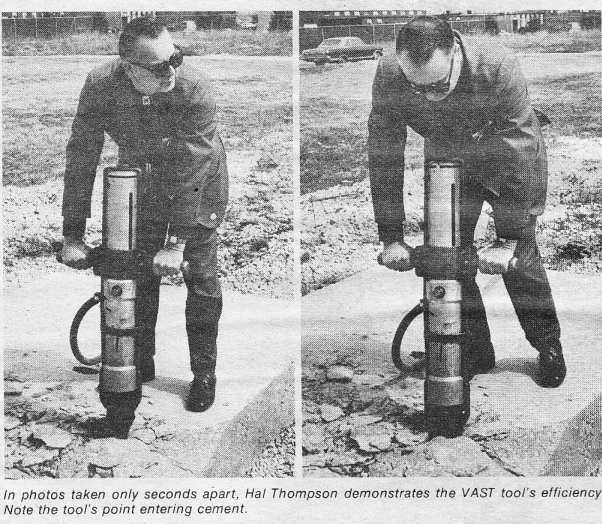
Demonstration breaking a 16-inch concrete slab; sound engineers measured noise ranks; comparison tables of parts count (24 vs 42-44) and air consumption; push-force test showing 35 lb vs 50 lb required.
Replication Status
Demonstration performed; no independent replication reported.
Limitations
- Requires compressed-air infrastructure
- Heat management in confined spaces
- Industry resistance to new tooling
- No large-scale commercial adoption yet
Red Flags
- Claims of 68 % engine efficiency appear optimistic
- Lack of independent peer-reviewed testing
- Potential under-estimation of maintenance for specialized valving