Goal
To describe a theory whereby matter can be dissociated to release its intra-atomic energy, thereby providing a source of free energy.
Problem
The belief that matter is indestructible and the lack of an abundant, easily accessible energy source.
Concept Summary
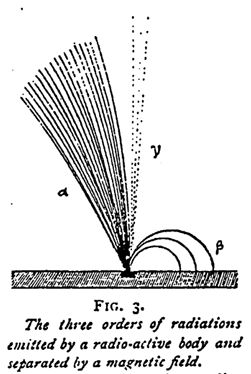
Le Bon proposes that all matter contains a vast amount of intra-atomic energy that can be released when atoms dissociate. He links this energy to radioactivity, ether, and the transformation of matter into radiation (alpha, beta, gamma rays). The work argues that if the dissociation process could be accelerated, unlimited free energy would become available.
Principles
- Intra-atomic energy
- Matter dissociation
- Ether as a medium
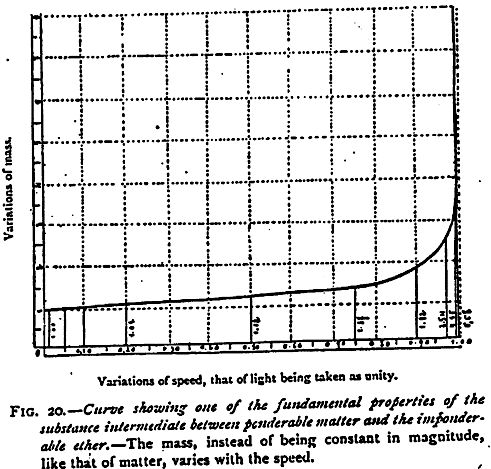
- Energy-mass equivalence
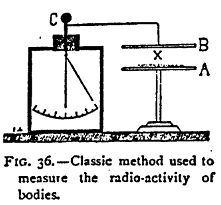
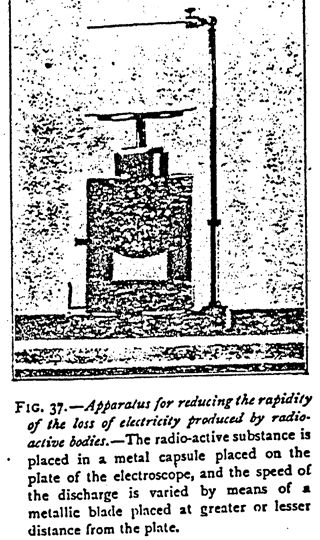
- Radioactive decay as a manifestation of intra-atomic energy
Scientific Domains
Materials
- Radium
- Uranium
- Generic matter (solid, liquid, gas)
Mechanisms of Action
- Rapid dissociation of atomic structures
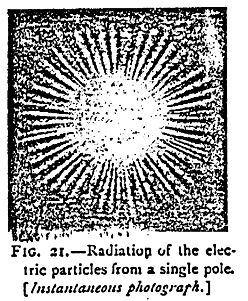
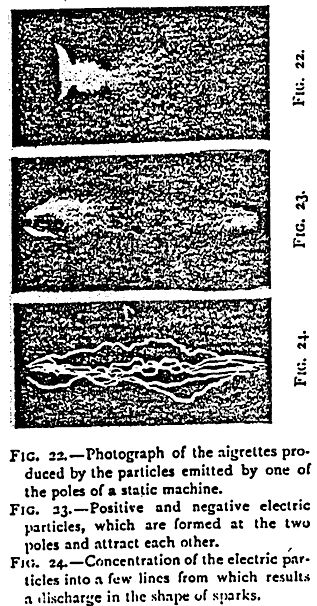
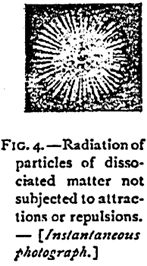
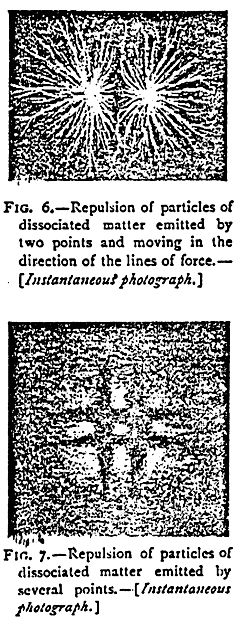
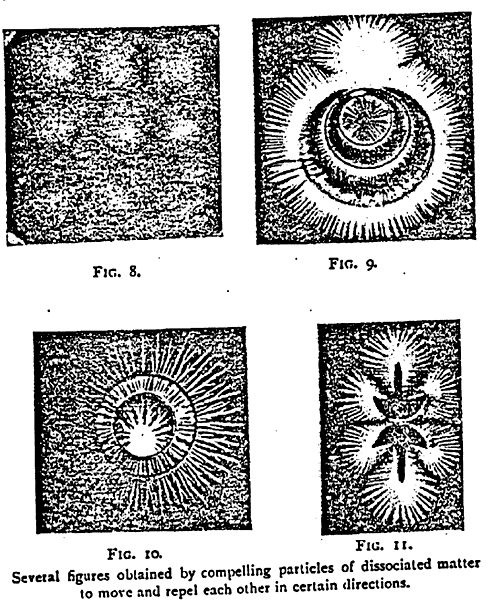
- Emission of high-speed particles (alpha, beta, gamma rays)
- Conversion of mass to kinetic and radiant energy
Energy Sources
Applications
- Energy generation
- Theoretical physics research
- Speculative free-energy devices
Claimed Performance
Energy released from one gram of matter can equal the energy of 1,340,000 barrels of gunpowder; a small coin could power a train around the Earth four times.
Experimental Evidence
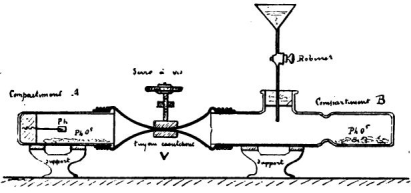
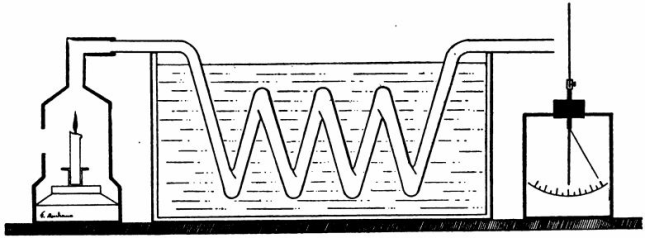
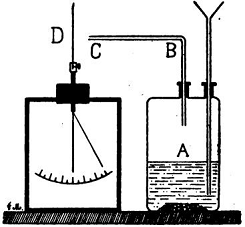
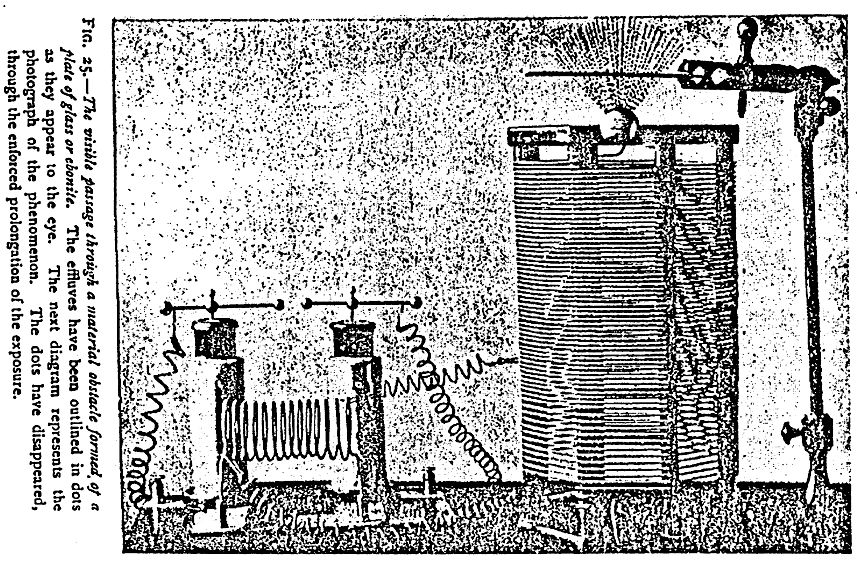
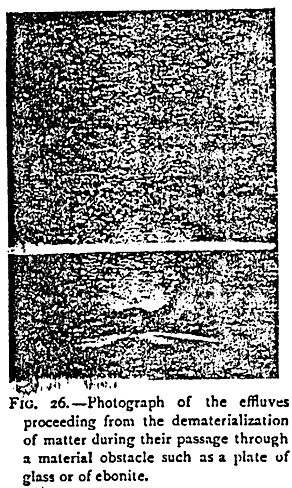
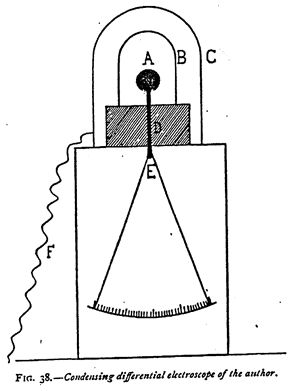
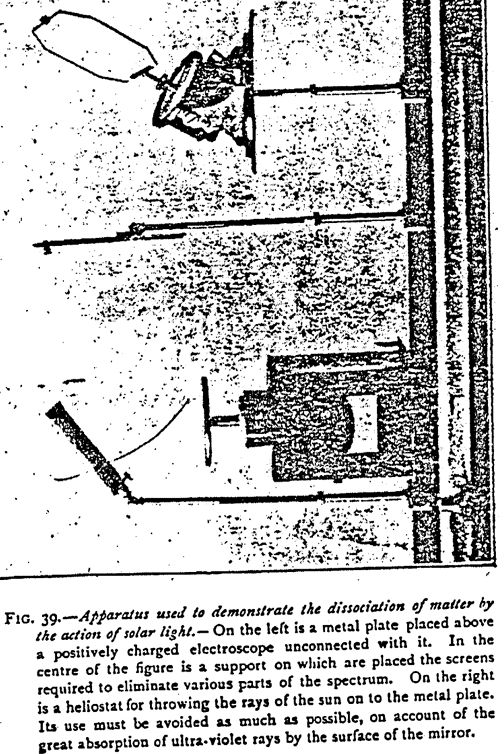
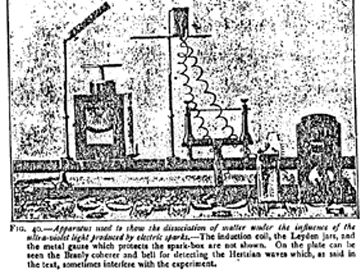
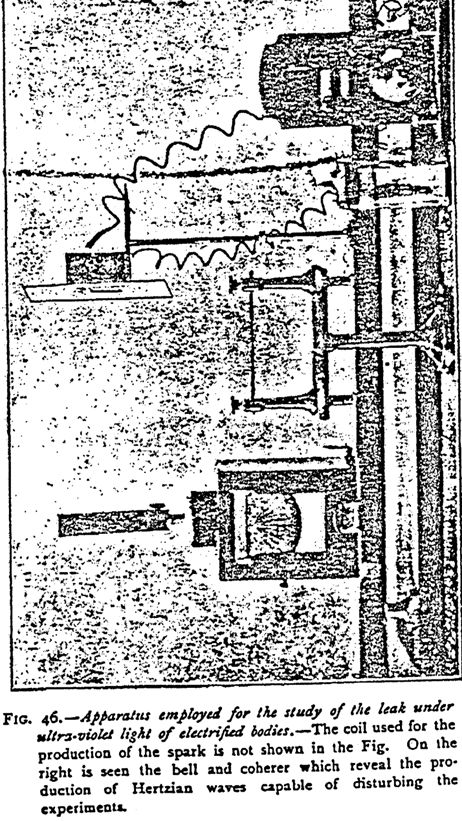
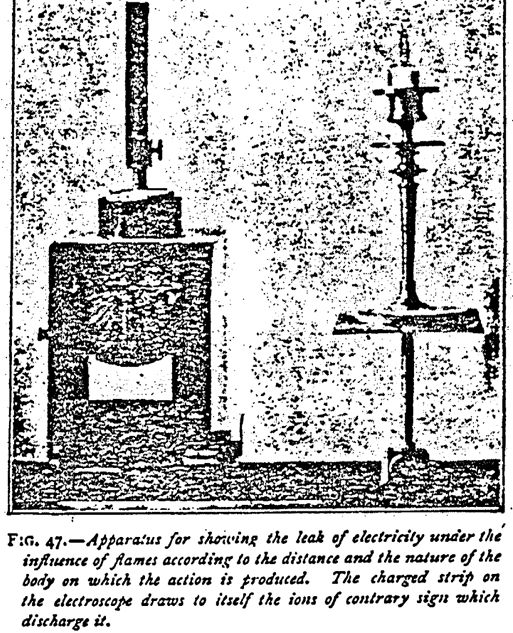
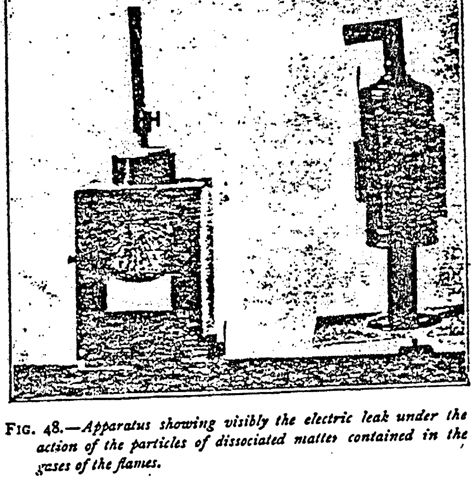
References to measurements by Rutherford, Abraham, and Thomson; observations of particle emission during dematerialization; experiments with cathode rays and X-rays.
Limitations
- No demonstrated method to accelerate matter dissociation
- Relies on outdated ether concept
- Lack of quantitative experimental data
Red Flags
- Extraordinary free-energy claims without reproducible data
- Use of discredited ether theory
- Absence of peer-reviewed experimental validation