Goal
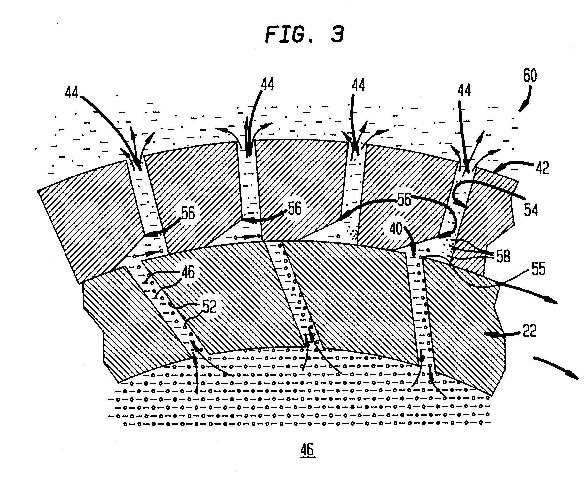
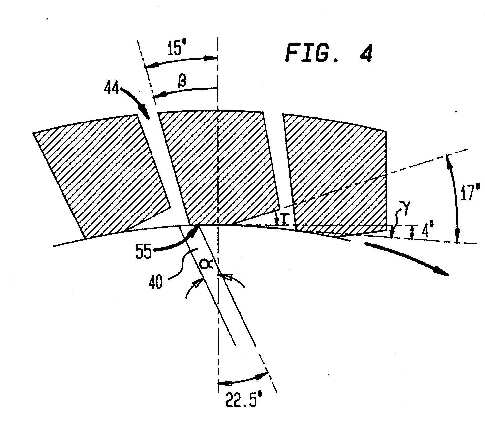
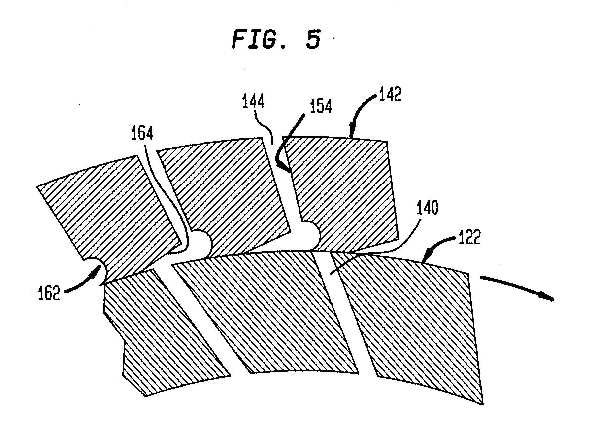
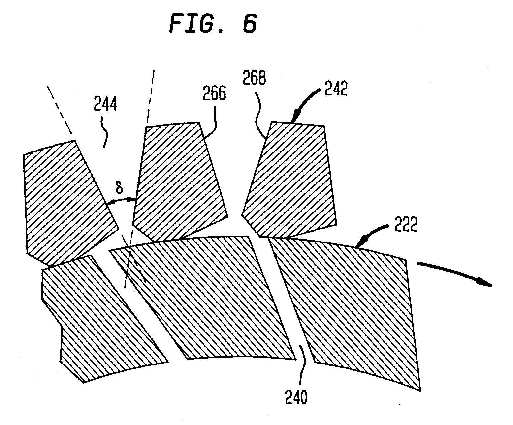
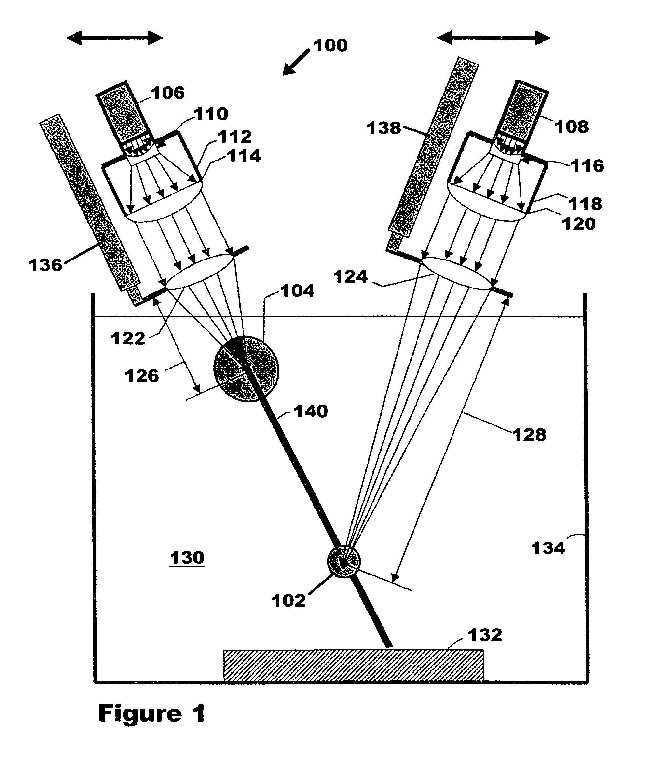
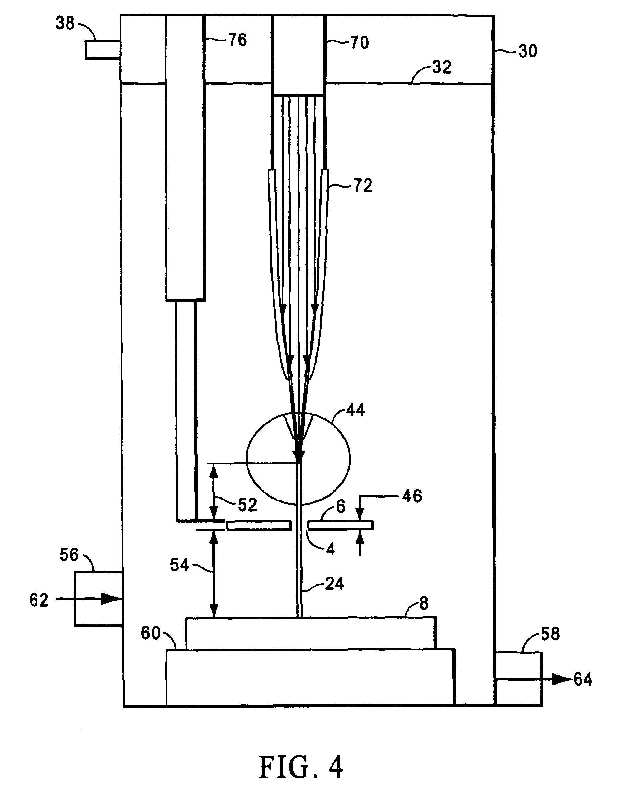
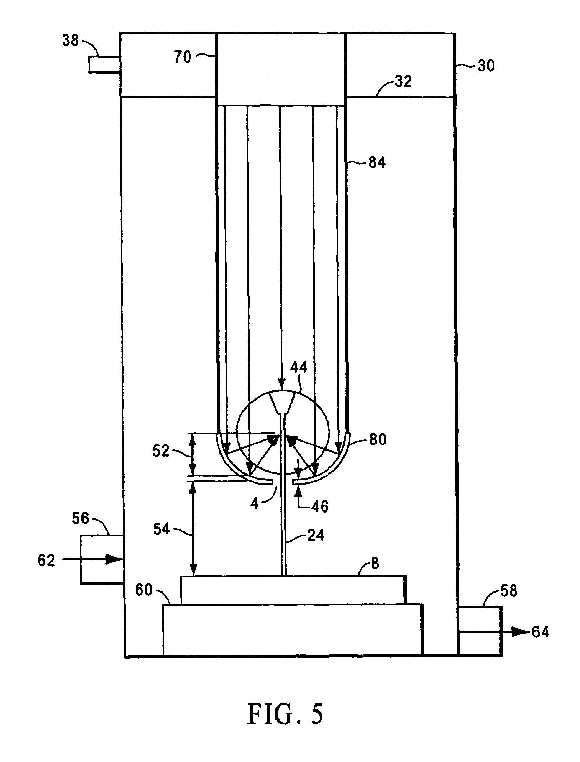
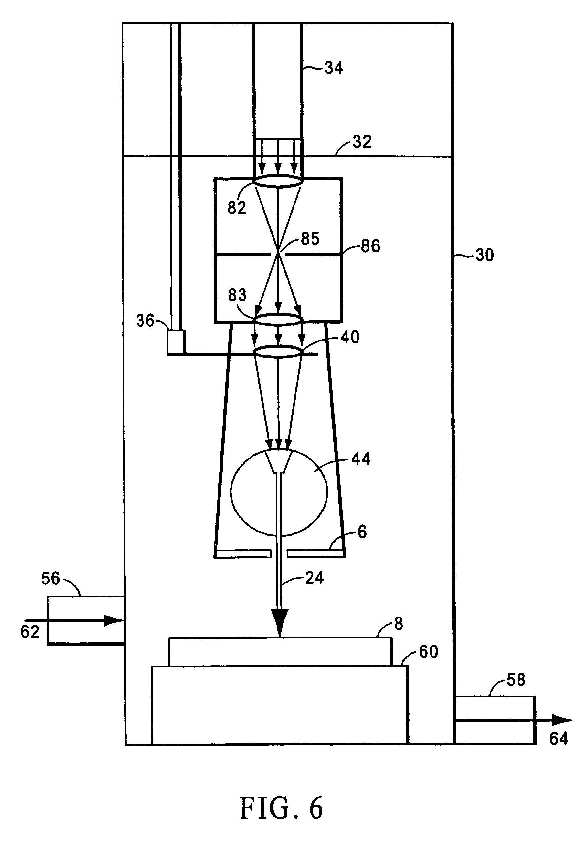
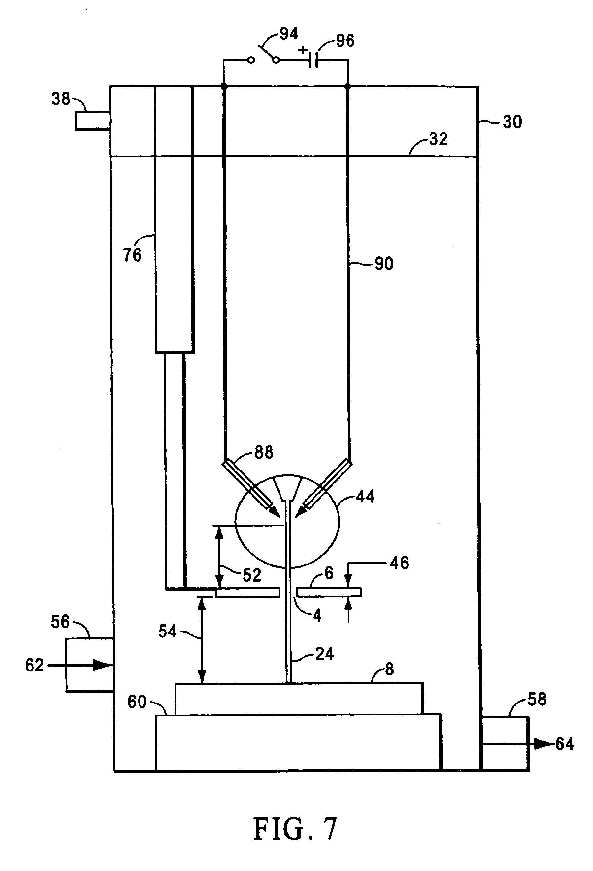
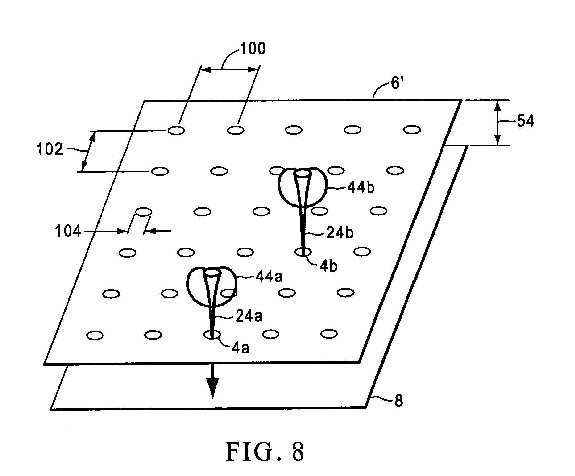
Generate high-speed cavitation re-entrant micro-jets for nanofabrication, hot-water production, and low-cost energy generation while inducing elemental transmutation.
Problem
Need for precise micro/nano machining, affordable large-scale hot-water heating, and alternative energy/resource solutions.
Concept Summary
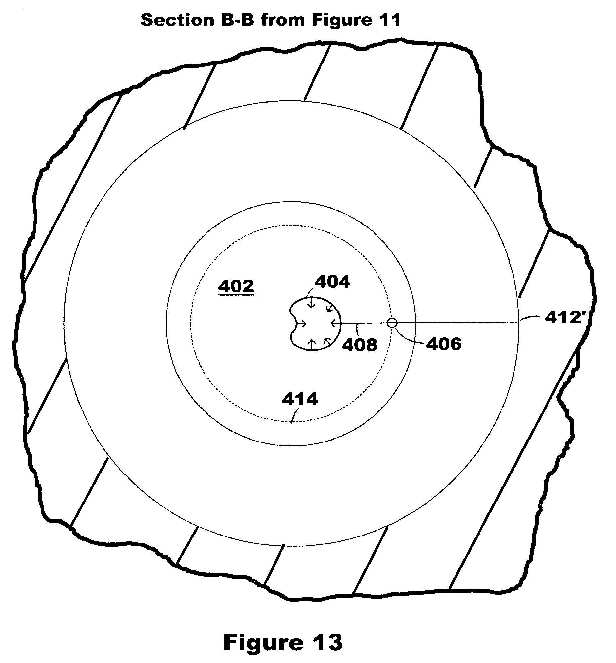
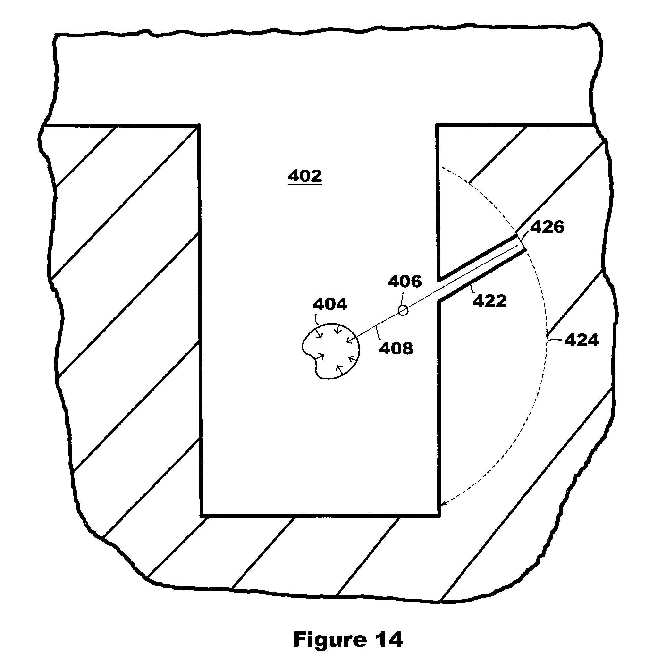
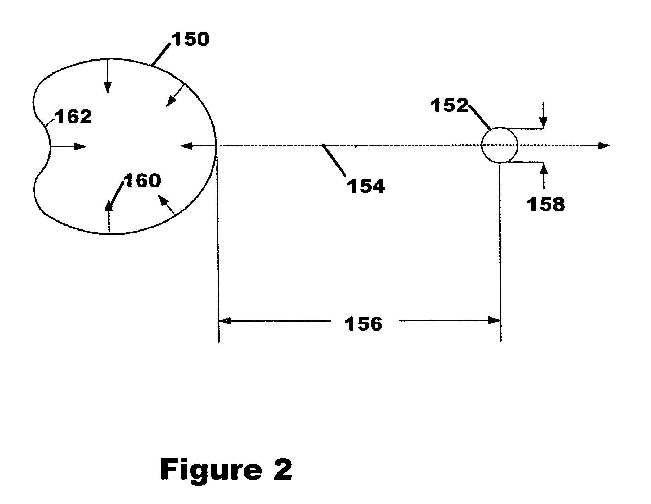
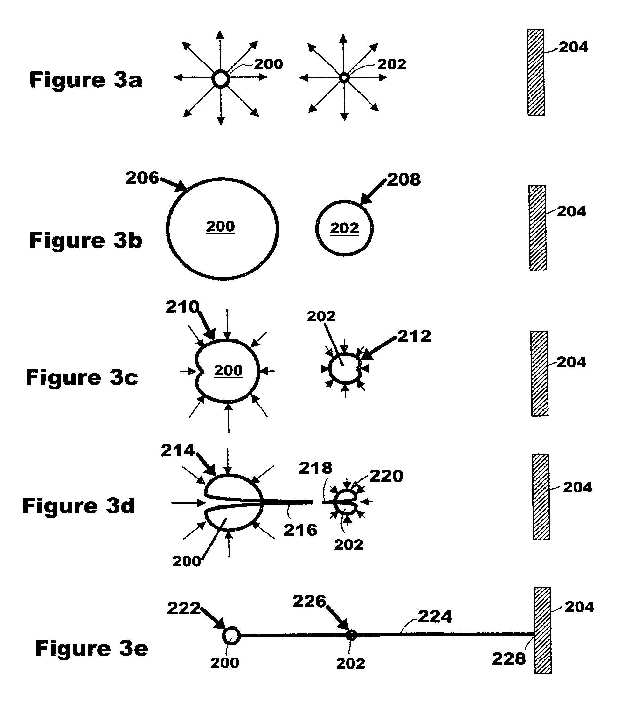
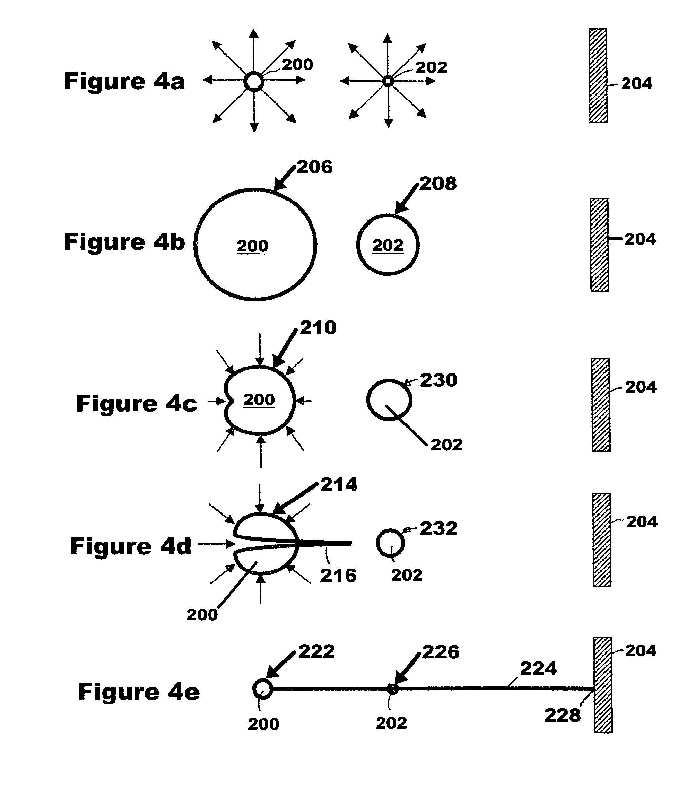
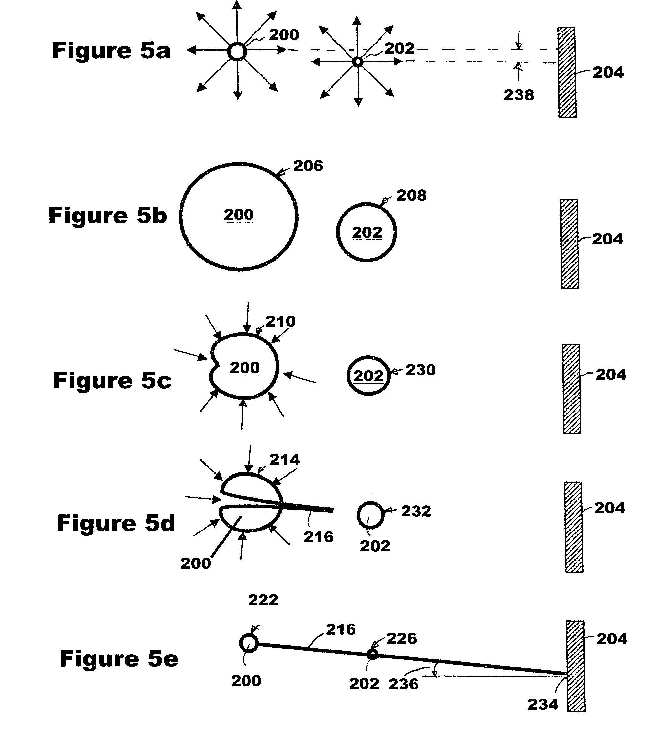
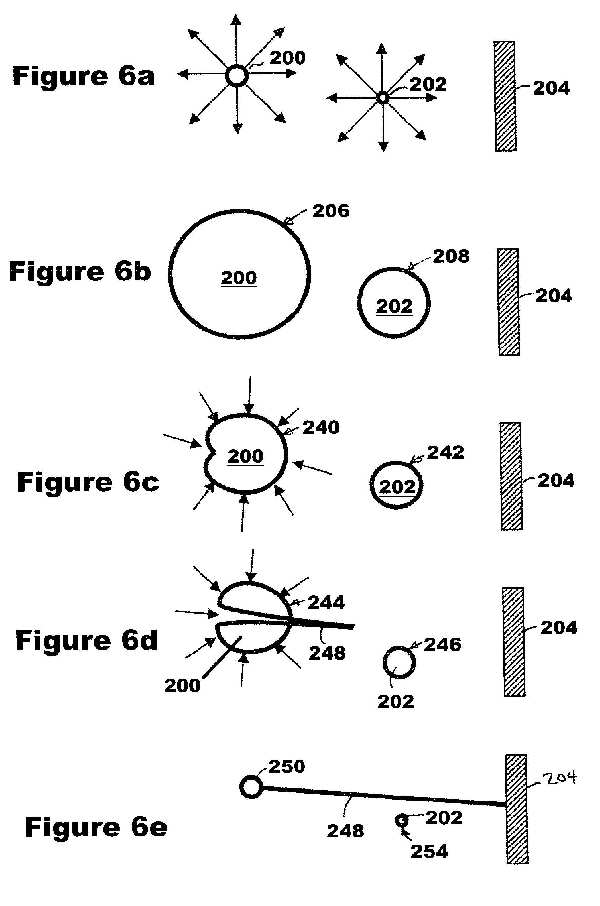
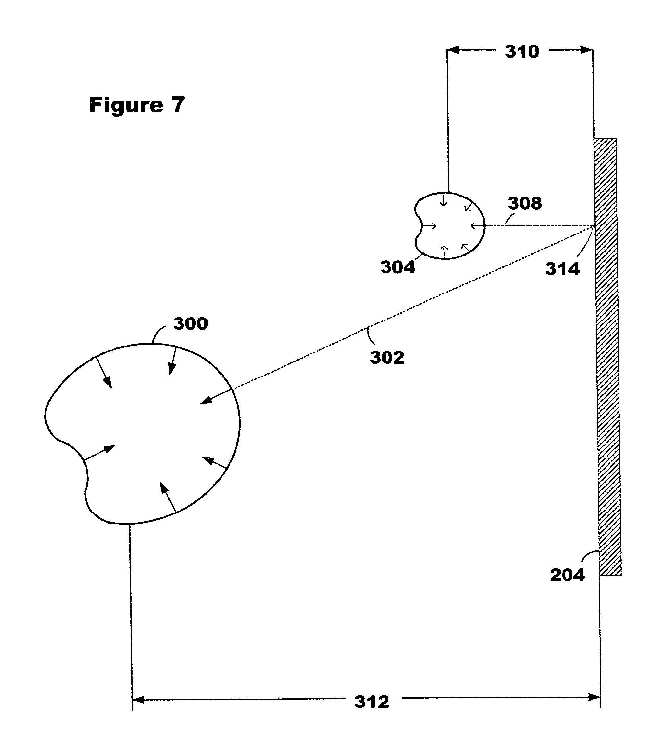
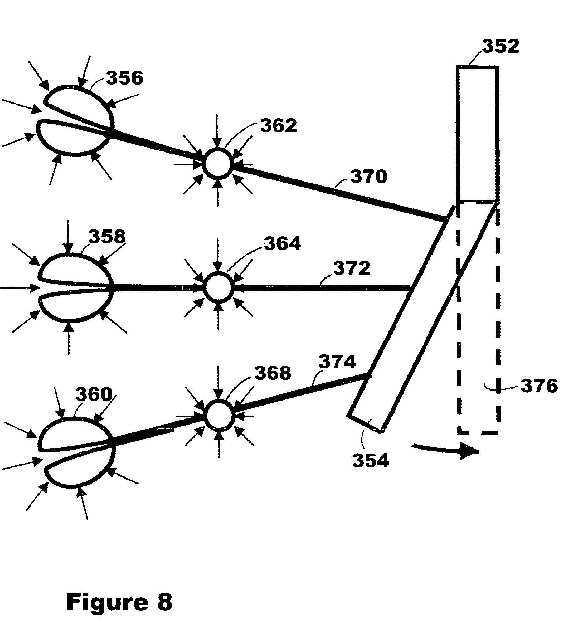
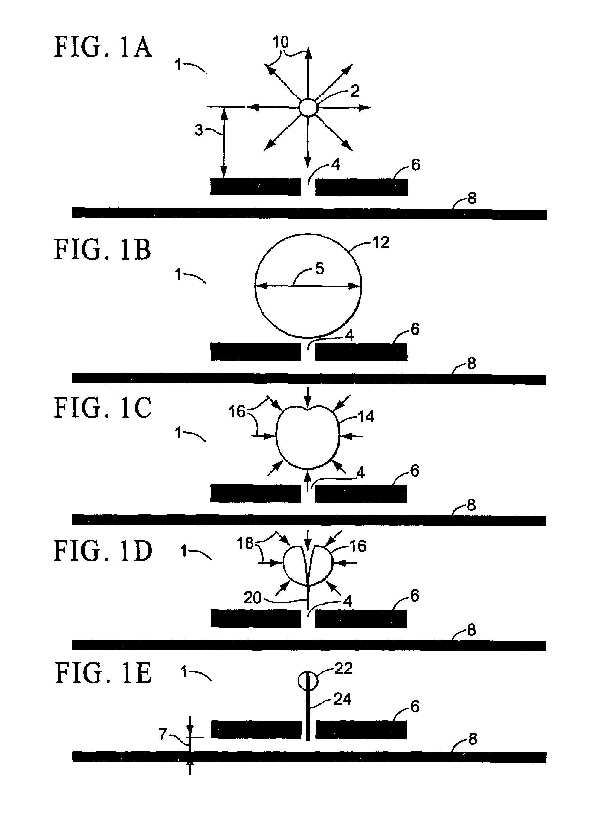
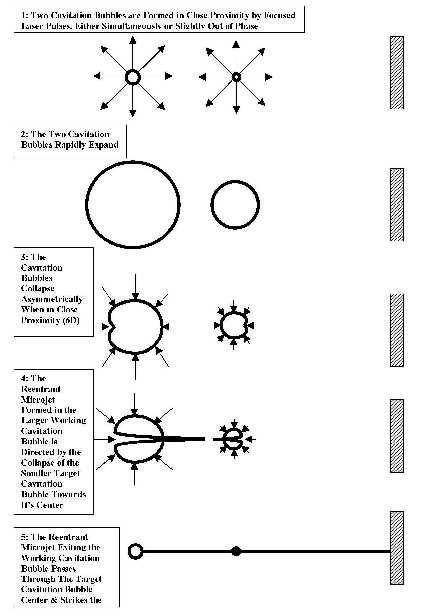
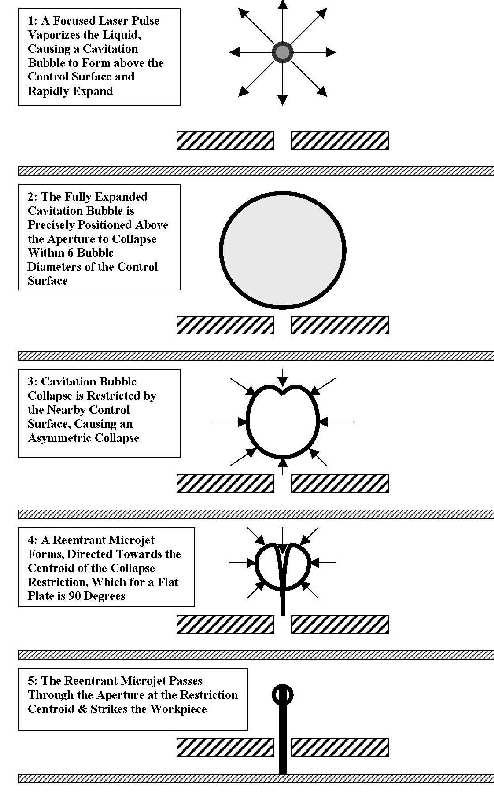
The technology uses cavitation bubble collapse to create charged, crystalline water jets (the LeClair Effect). The jets acquire electrostatic charge and are accelerated by a bow-shock generated via the Casimir force, reaching relativistic speeds over short distances. This acceleration allegedly produces excess heat (COP ~= 3.4) and triggers large-scale elemental transmutation (fusion/fission) in ordinary water.
Detailed Description
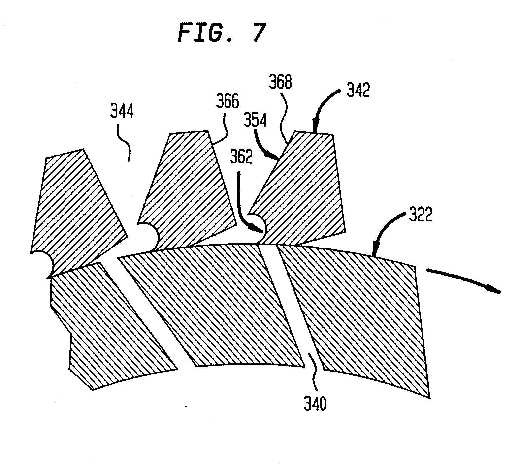
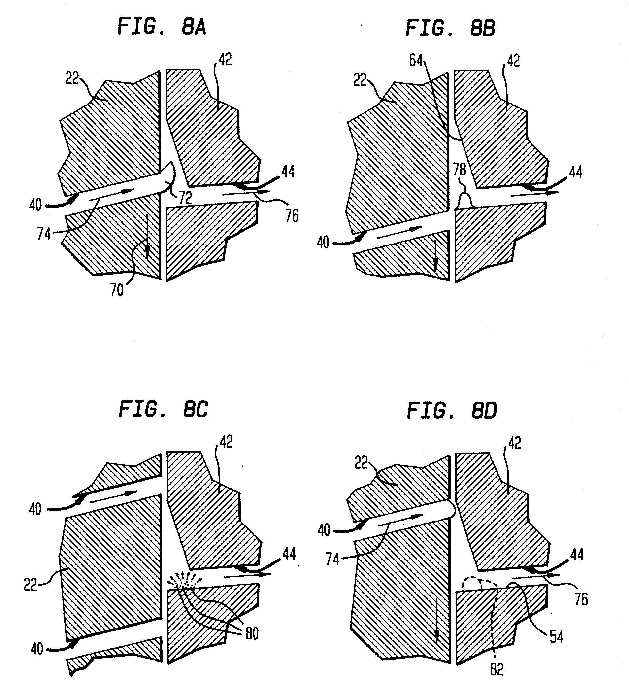
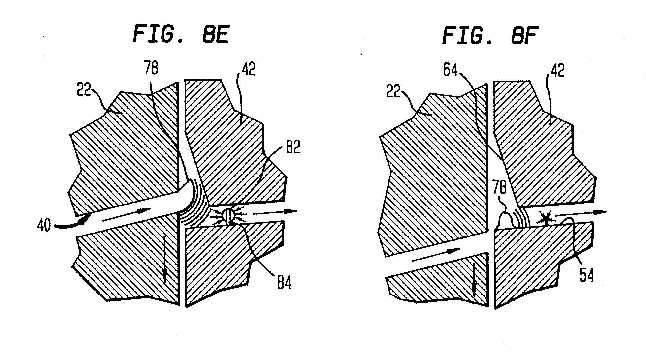
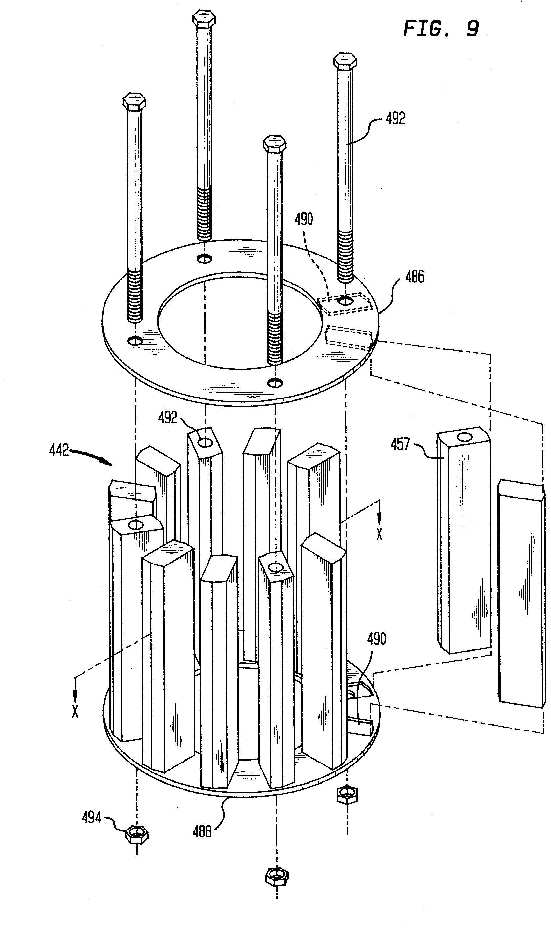
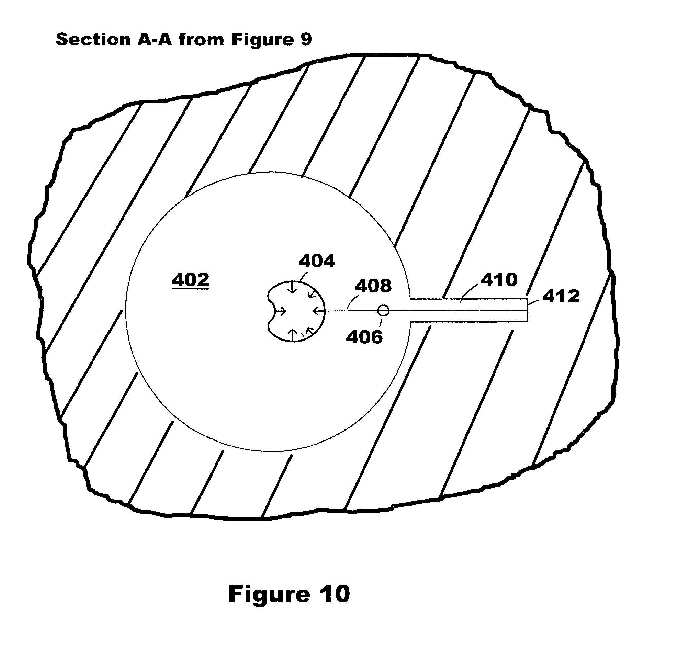
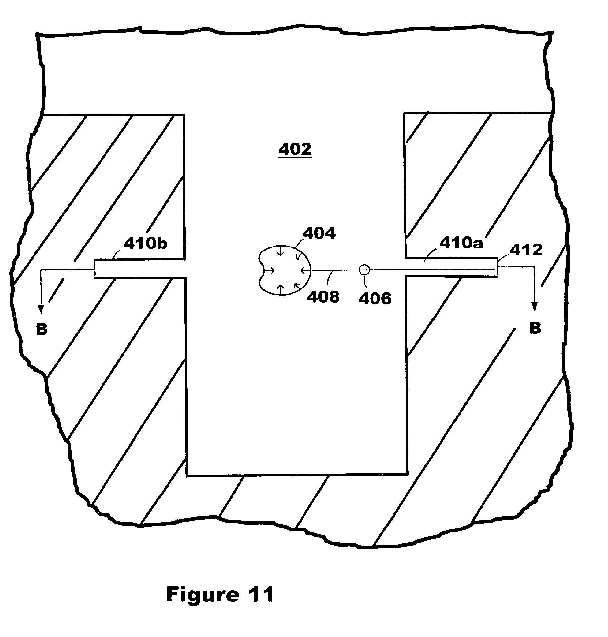
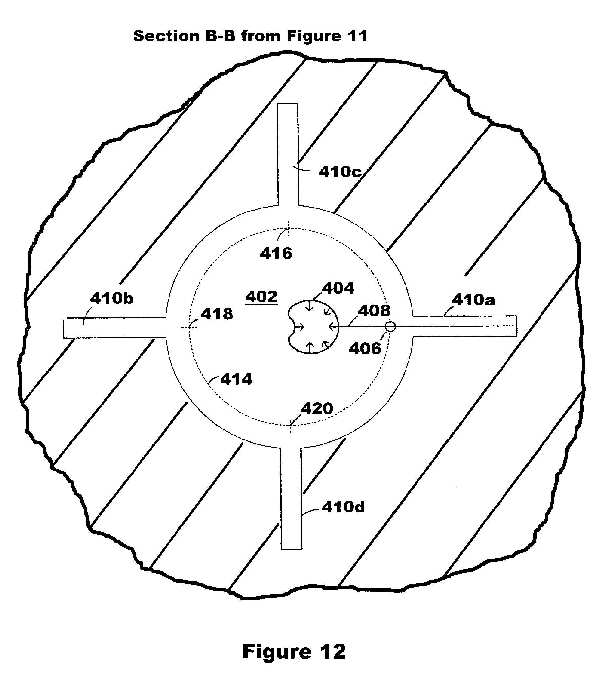
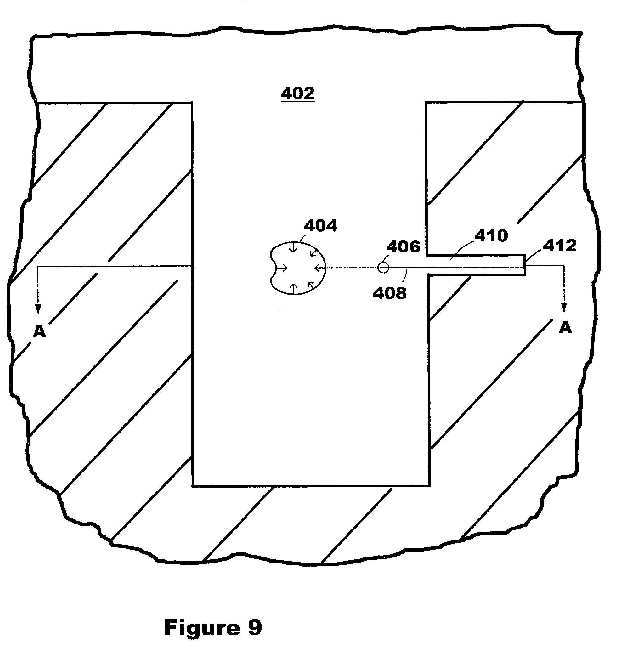
Mark LeClair discovered that cavitation bubbles in water can form faceted, crystalline jets with strong electrostatic charge. When these jets travel, they generate a supersonic bow shock; the positively charged crystal is attracted to the negatively charged shock via the Casimir force, extracting zero-point energy and accelerating to relativistic speeds. The high-energy interaction etches hexagonal trenches in materials and, according to the authors, induces nuclear reactions that transmute water into a wide range of elements and isotopes. A reactor built in 2007 used this effect to heat water (2.9 kW output from 0.84 kW electrical input) and produced transmuted material verified by SEM, XPS, and LA-ICP-MS analyses. Twelve repeat experiments showed consistent excess heat and transmutation, though radiation exposure and acute sickness were reported.
Principles
- Cavitation bubble collapse
- Electrostatic charging of jets
- Casimir force-driven acceleration
- Zero-point energy extraction
- Relativistic jet velocities
- Induced nuclear transmutation
Scientific Domains
Materials
- Water
- Crystalline water (van-der-Waals crystal)
- Aluminium perforated plate
- PVC enclosure
- Diamond-like glassy coating
Mechanisms of Action
- Formation of re-entrant micro-jets from collapsing cavitation bubbles
- Electrostatic attraction of charged crystal faces to a bow shock
- Casimir-force acceleration of crystals
- Triggering of fusion/fission reactions within the high-energy jet-shock interaction
- Heat generation from exothermic nuclear processes
Energy Sources
Applications
- Industrial hot-water production
- Micro-/nano-scale machining, drilling, welding
- Algae extraction for biodiesel
- Targeted drug delivery
- Microsurgery tools
Claimed Performance
Coefficient of performance (COP) ~= 3.4 (2.9 kW heat from 0.84 kW input); water temperature rise 18 deg C average with spikes of 28 deg C; detection of 34-78 elements and 108 isotopes in transmuted material.
Experimental Evidence
Twelve repeat experiments with 100 % repeatability; temperature measurements; SEM-EDAX, XPS, and LA-ICP-MS analyses showing multi-element transmutation; visual trench patterns on reactor cores; radiation tracks observed on PVC enclosure.
Replication Status
Internal replication only (12 experiments performed by the inventors; no independent third-party replication reported).
Limitations
- Reliance on precise cavitation control
- Radiation safety concerns (reported acute sickness)
- Lack of independent verification
- Scalability of the LeClair effect not demonstrated
- Potential regulatory hurdles for nuclear transmutation
Red Flags
- Extraordinary claims of nuclear transmutation and over-unity energy without peer-reviewed publication
- Reported radiation sickness in investigators
- No third-party replication or independent validation
- Potential for fraud or misinterpretation of analytical data