Goal
Increase vehicle fuel mileage and reduce emissions by pre-treating fuel before combustion.
Problem
Low fuel economy and high exhaust emissions caused by incomplete combustion of hydrocarbon fuels.
Concept Summary
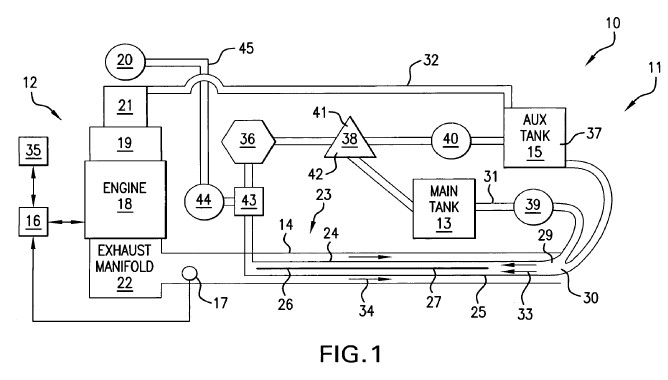
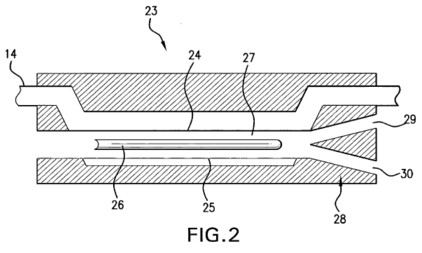
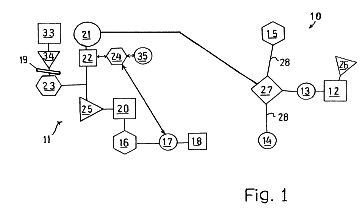
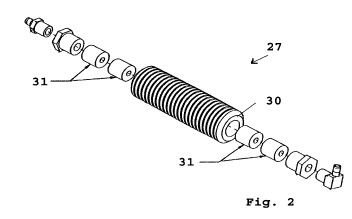
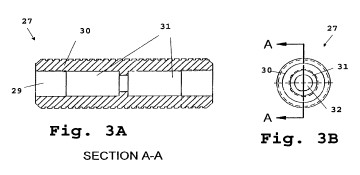
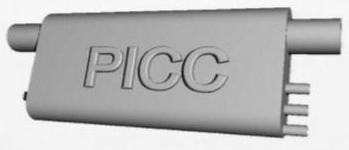
The PICC installs a magnetic/electrical reactor upstream of the engine intake. A magnetic (iron) rod in the high-temperature exhaust zone catalyzes electro-chemical cracking of hydrocarbon molecules, creating a plasma of smaller fuel fragments. The plasma-fuel is then fed back into the engine, allowing more complete combustion, higher mileage (claimed >100 mpg) and reduced pollutants. The system is paired with a Hydro-Assist Fuel Cell (HAFC) that supplies a hydrogen/oxygen mixture and pre-heats the fuel.
Detailed Description
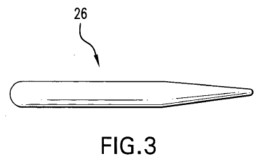
According to the patent application (US 20090038591) the PICC uses a reactor rod made of magnetic material (preferably iron) placed in a multi-pass reaction zone. High exhaust temperature oxidizes the iron surface, providing catalytic sites for hydrocarbon cracking. Ionized fuel particles generate an electromagnetic field that further magnetizes the rod, creating a feedback loop that intensifies ionization until the fuel reaches a plasma state. Hydrogen cations are injected downstream to stabilize the plasma; the reformed gaseous fuel is stored in an auxiliary tank while uncracked liquid fuel recirculates. The system claims to eliminate NOx formation by excluding air from the reaction zone and to improve cold-start and rapid-acceleration performance.
Principles
- magnetic catalysis
- electrochemical quasi-catalytic reaction
- plasma formation
- multi-pass fuel reforming
Scientific Domains
Materials
- iron
- stainless steel
- catalytic material (unspecified)
Mechanisms of Action
- fuel cracking via magnetic iron rod
- electromagnetic feedback loop ionizing fuel
- plasma generation for complete combustion
Energy Sources
Applications
- automotive fuel-efficiency improvement
- emission reduction
Claimed Performance
Up to five-times the gas mileage; >100 mpg (city or highway); 50-70 L h^-^1 of H_2/O_2 mixture from HAFC.
Experimental Evidence
The article mentions "scientific testing" and HAFC producing 50-70 L h^-^1 of hydrogen/oxygen, but provides no quantitative, independent data for the PICC itself.
Limitations
- Device not yet commercially available
- HAFC described as "problematic"
- Claims lack independent verification
Red Flags
- Alleged scam history of inventor
- No peer-reviewed data or third-party testing
- Claims of >100 mpg are extraordinary and unsupported