Confidence
0.90
Practicability
0.70
Evidence
0.50
Fringe Score
0.20
Risk
0.20
TRL
5
Goal
Enhance plant metabolism and growth by supplying a negatively ionized atmosphere.
Problem
Plants receive limited benefit from atmospheric ionization; existing ionizers are complex, expensive, and require external power.
Concept Summary
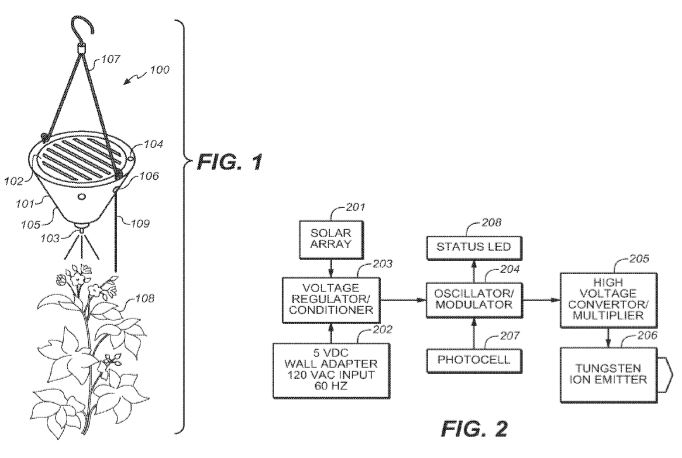
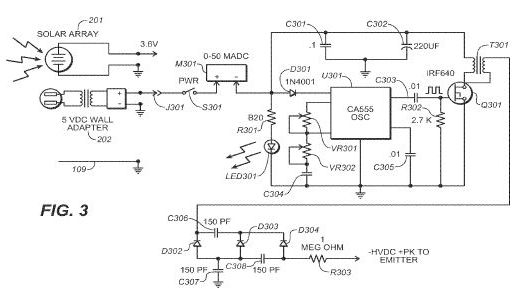
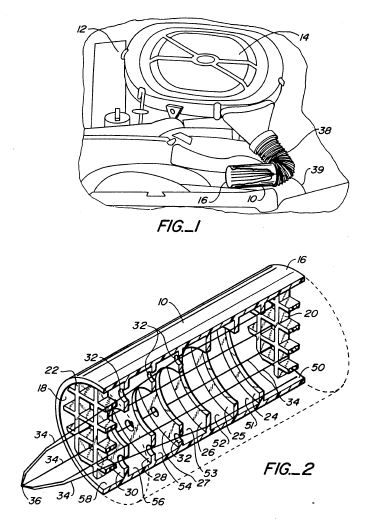
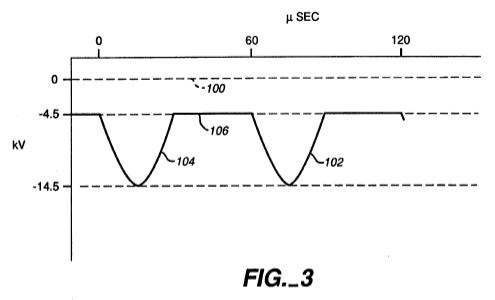
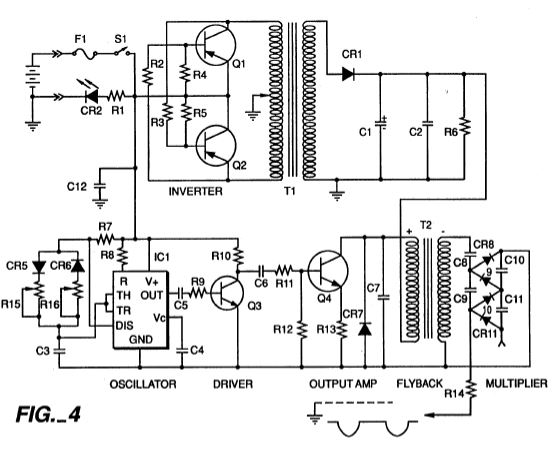
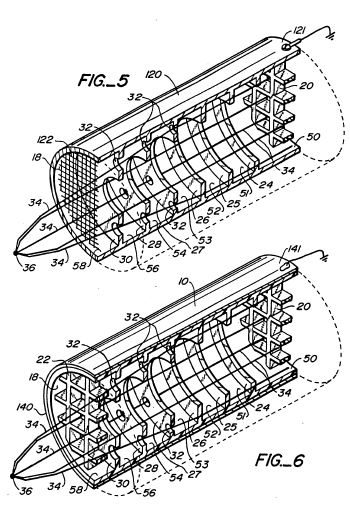
A solar-powered air ionizer that converts sunlight to DC, steps it up to pulsed high voltage, and creates a corona discharge from a tungsten emitter to generate negative ions that are absorbed by plants, boosting photosynthesis and growth.
Principles
- Photovoltaic energy conversion
- High-voltage pulse generation
- Corona discharge ionization
- Negative ion enhancement of CO_2 uptake
Scientific Domains
Materials
- Tungsten wire (emitter)
- Plastic housing
- Solar cells (photovoltaic panels)
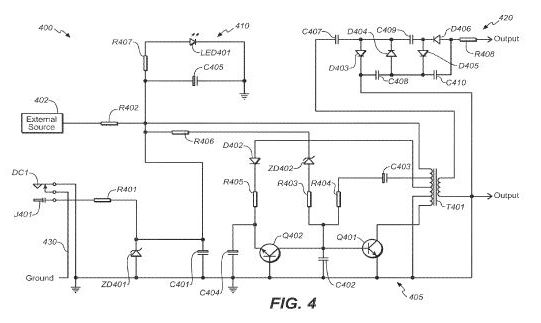
- Electronic components (capacitors, resistors, diodes, MOSFETs, transformer)
Mechanisms of Action
- Generation of negative atmospheric ions
- Increased absorption of ionized CO_2 by plants
- Mild electrical charging of plant tissue
- Reduction of herbivore presence
Energy Sources
Applications
- Agriculture
- Horticulture
- Indoor plant cultivation
Claimed Performance
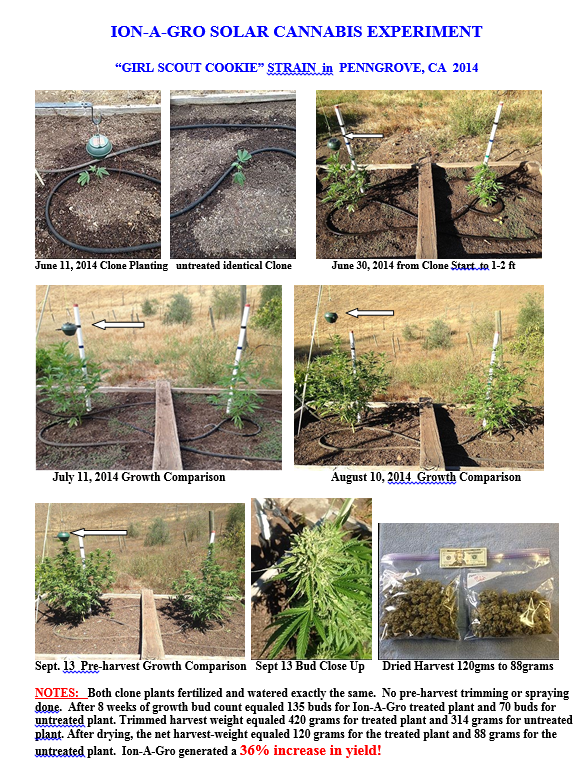
Plant growth increase of 35%+; ion production >10,000,000 ions*cm^-^3*s^-^1 (up from ~1,000,000 ions*cm^-^3*s^-^1).
Experimental Evidence
Measured ion production 6 inches from the emitter increased from ~1,000,000 ions*cm^-^3*s^-^1 to >10,000,000 ions*cm^-^3*s^-^1 when a ground-bleed wire was added.
Limitations
- Performance depends on sufficient sunlight
- Requires handling of high-voltage circuitry
- Limited ion field radius without external ground wire
Red Flags
- Growth increase claim (35%+) lacks independent peer-reviewed verification