Goal
To dramatically reduce water, energy, and chemical usage in cleaning while improving cleaning effectiveness, especially on delicate or hard-to-reach surfaces.
Problem
Current industrial and domestic cleaning consumes excessive water and power, generates contaminated runoff, and cannot safely clean delicate or complex surfaces.
Concept Summary
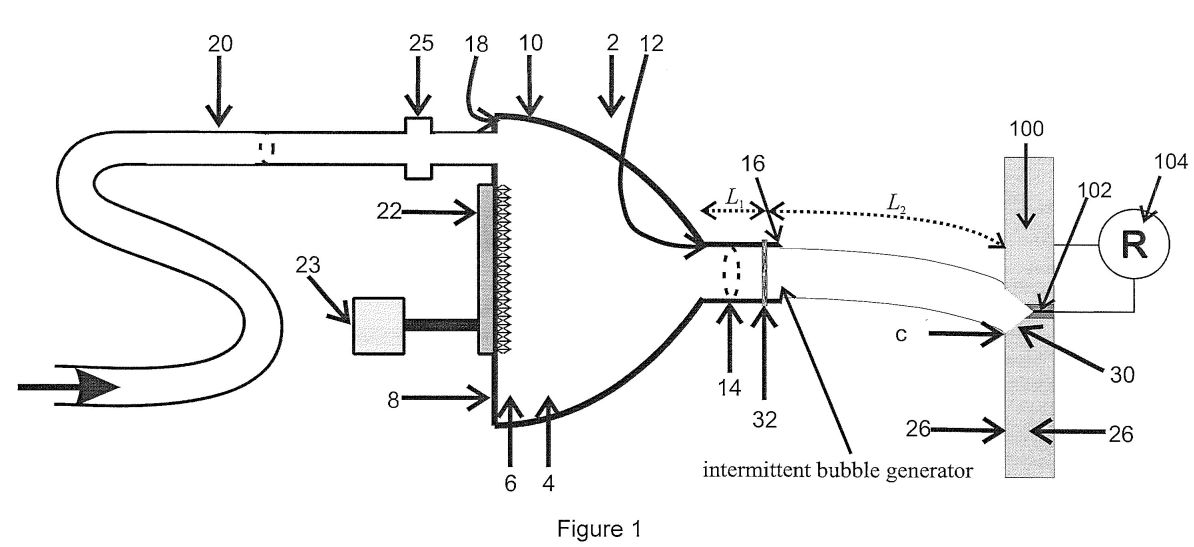
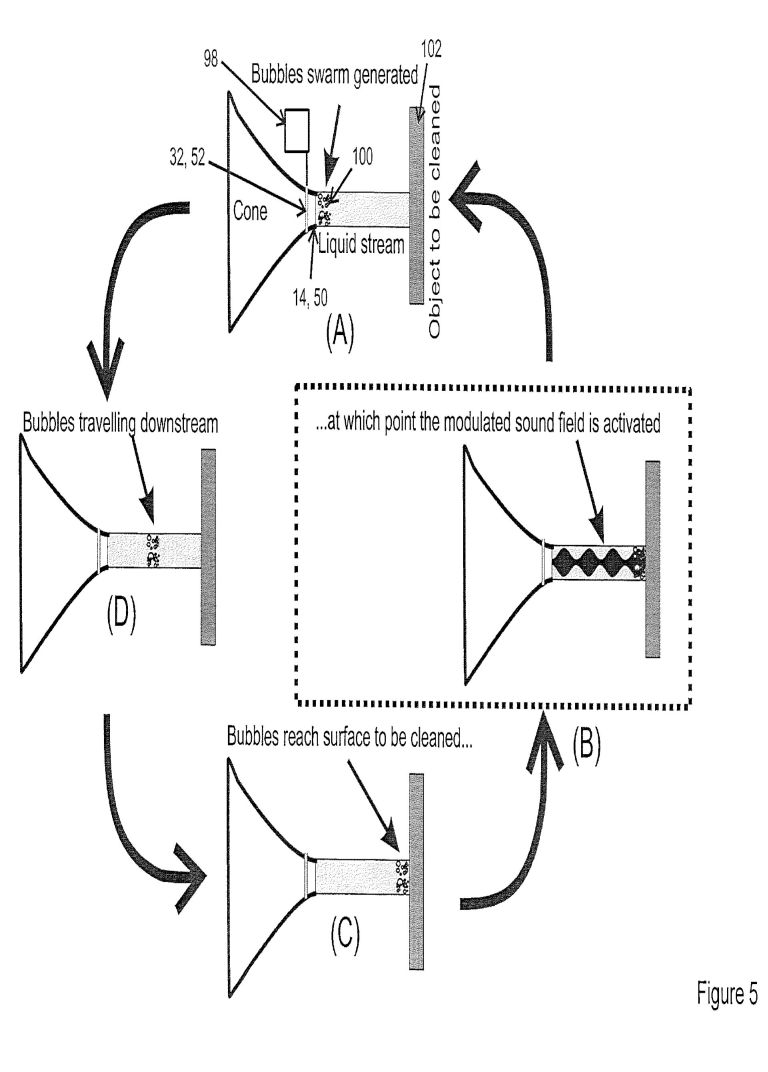
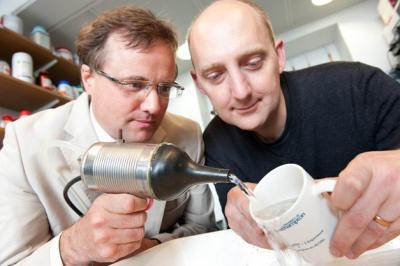
An ultrasonic attachment that fits on the end of a tap or hose. Water passes through a chamber containing an acoustic transducer and a gas-bubble generator (electrolytic electrodes). The transducer injects high-frequency sound into the flow, while the bubble generator creates a swarm of micro-bubbles that act as 'smart scrubbers'. Synchronized bursts of ultrasound and bubbles produce shear forces that remove dirt from crevices. The system operates on cold water and uses less than 200 W of electricity - comparable to a light-bulb.
Detailed Description
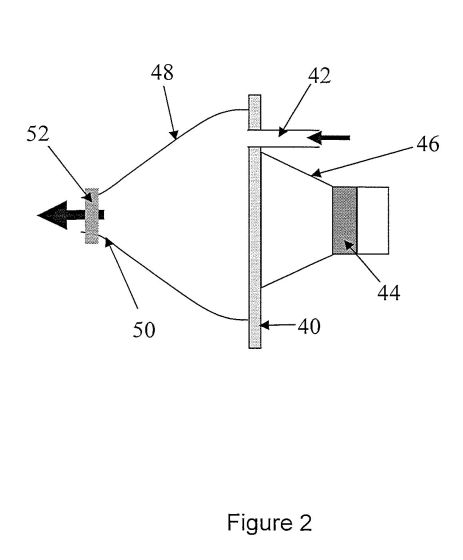
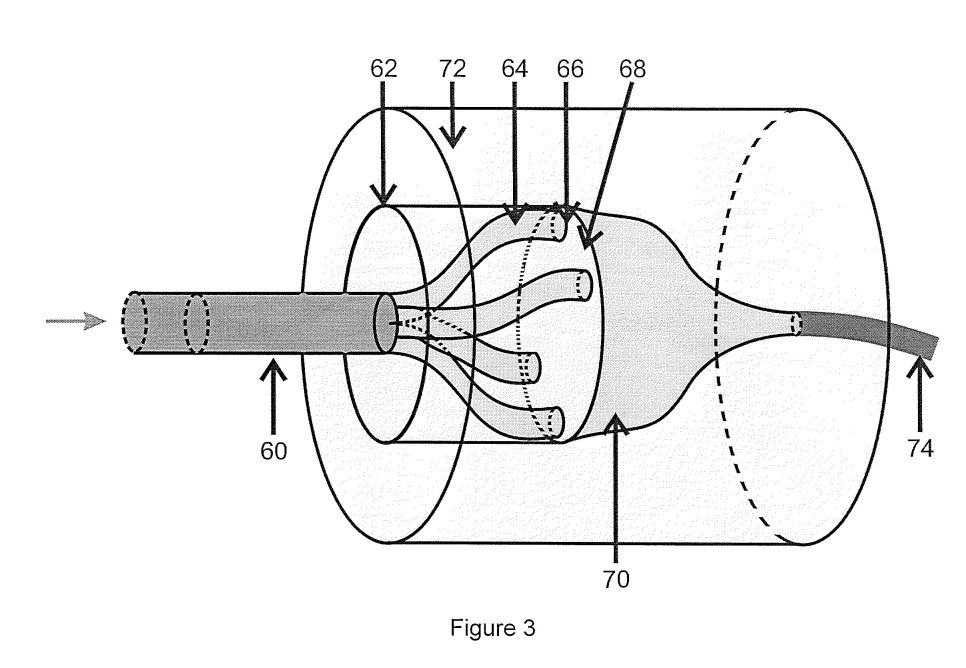
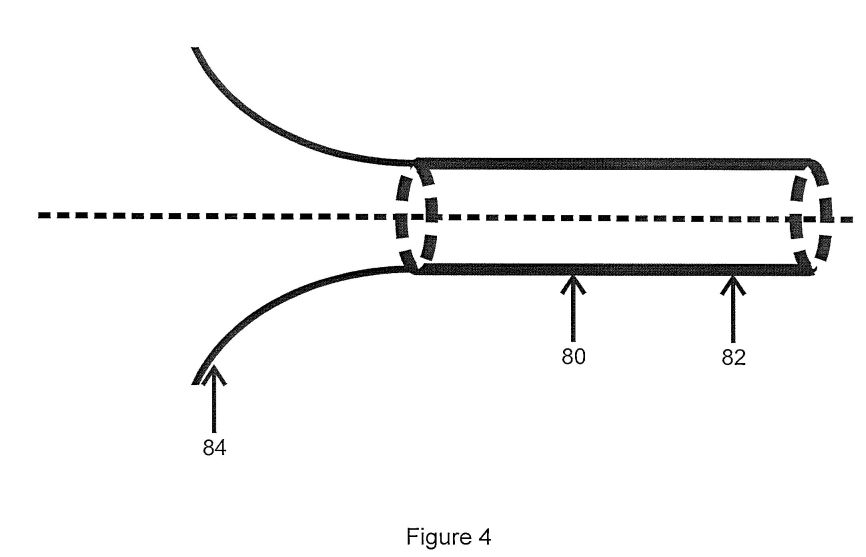
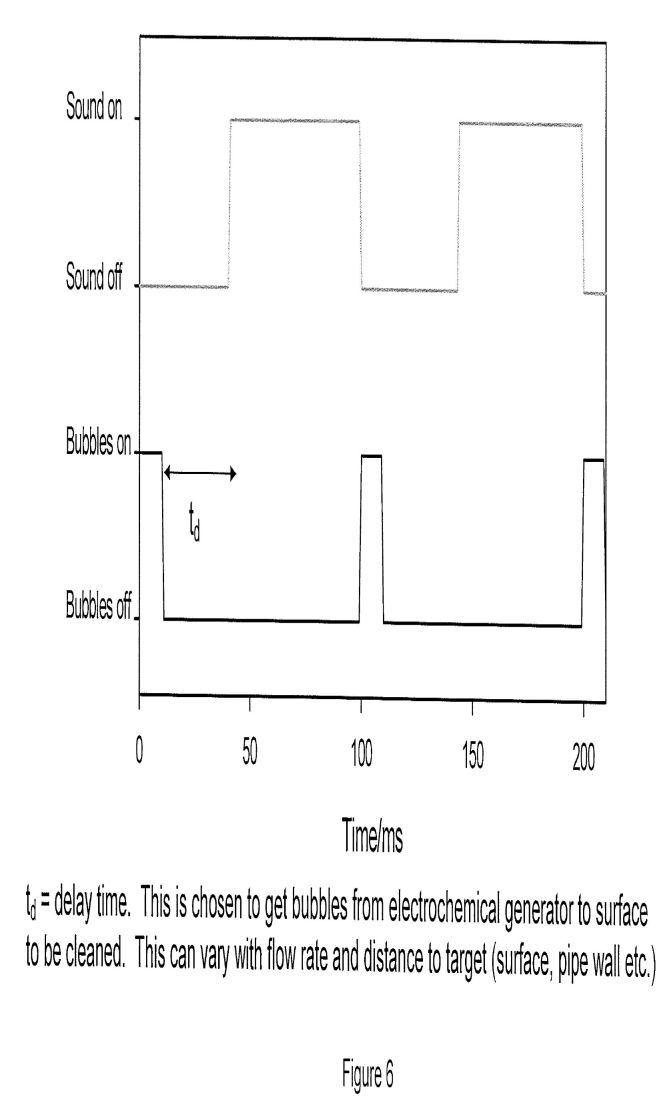
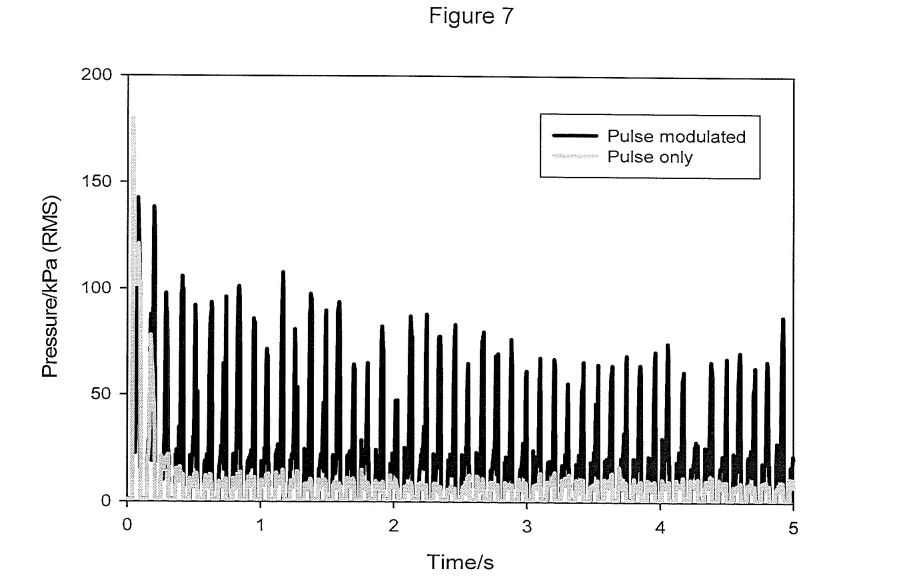
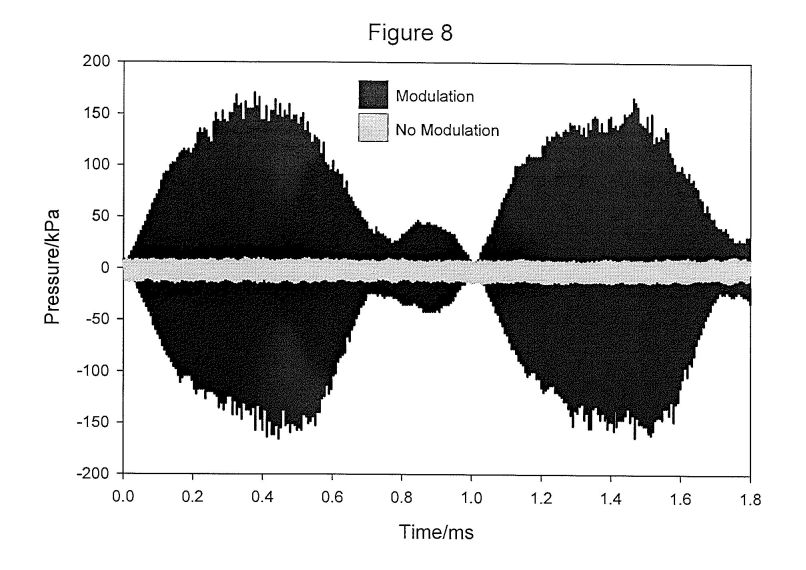
The device consists of a chamber with an inlet for water, an outlet that feeds a nozzle, an acoustic transducer mounted on the rear wall, and a gas-bubble generator (electrodes that electrolytically produce bubbles). The chamber walls are made of pressure-release material (cellular foam or rubber) to match acoustic impedance. Controllers pulse-modulate the transducer and bubble generator so that sound and bubbles arrive at the target surface in a coordinated fashion. The nozzle can operate at high-power (for robust cleaning) or low-power (for delicate items such as hands or food). Compared with a conventional pressure washer (~=20 L min^-^1, 2 kW) the nozzle uses ~=2 L min^-^1 and <200 W, producing <1/100 of the stream pressure and far less aerosol runoff.
Principles
- Acoustic cavitation
- Micro-bubble scrubbing
- Shear-force removal
- Pulsed ultrasonic energy
- Electrolytic bubble generation
- Acoustic impedance matching
Scientific Domains
Materials
- Water
- Air
- Rubber
- Cellular foam
- Metal electrodes (e.g., copper or stainless steel)
Mechanisms of Action
- Inertial cavitation
- Micro-jet formation
- Shear stress from bubble collapse
- Acoustic pressure field
- Synchronization of sound and bubble arrival
Energy Sources
Applications
- Food preparation cleaning
- Hospital hygiene
- Dental instrument cleaning
- Manufacturing line cleaning
- Domestic kitchen cleaning
- Industrial decontamination (e.g., nuclear, chemical plants)
Claimed Performance
Uses ~2 L min^-^1 water vs ~20 L min^-^1 for a pressure washer; consumes <200 W vs 2 kW; stream pressure <1/100 of a pressure washer; comparable cleaning efficacy on delicate and complex surfaces.
Experimental Evidence
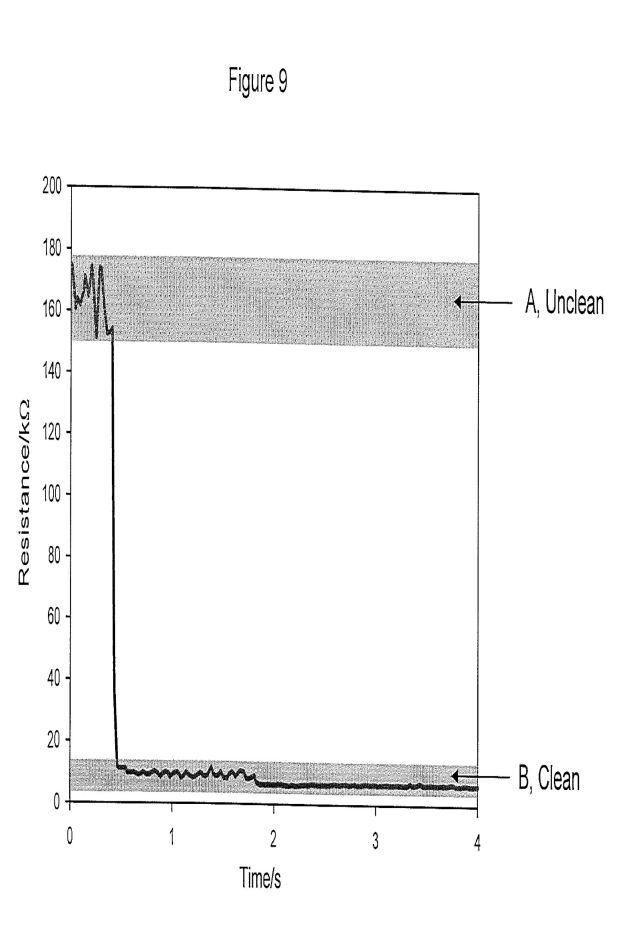
Prototype demonstrated on tap and hose connections; comparative flow and power measurements provided; licenses granted to several companies for pilot testing in food, healthcare, and manufacturing sectors.
Replication Status
Licensed to multiple companies for trial products; no independent third-party replication reported in the article.
Limitations
- Effectiveness on heavily soiled or large debris not demonstrated
- Electrode wear may limit long-term bubble generation
- Performance depends on water flow rate and pressure
- Limited data on cleaning of bio-hazardous contaminants