Goal
Remove amyloid plaques and restore memory function in Alzheimer's disease
Problem
Amyloid-beta accumulation in Alzheimer's disease leading to cognitive decline
Concept Summary
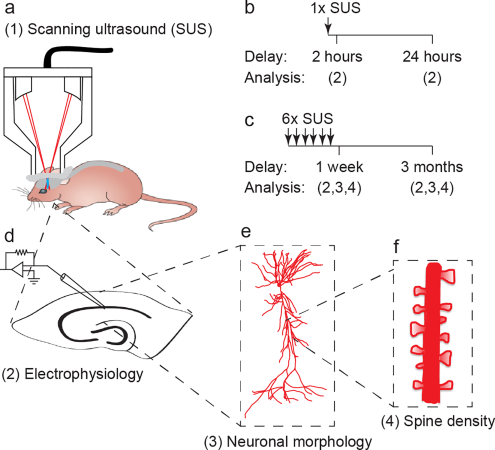
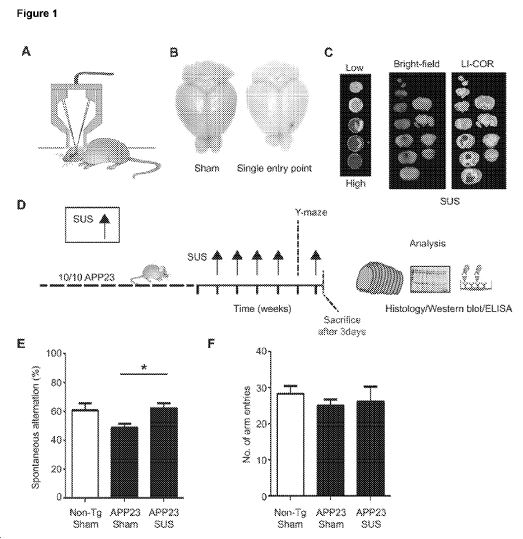
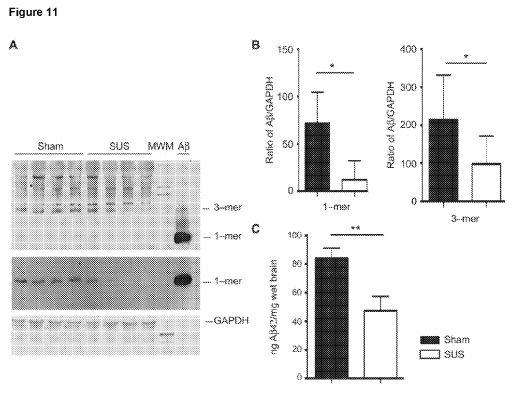
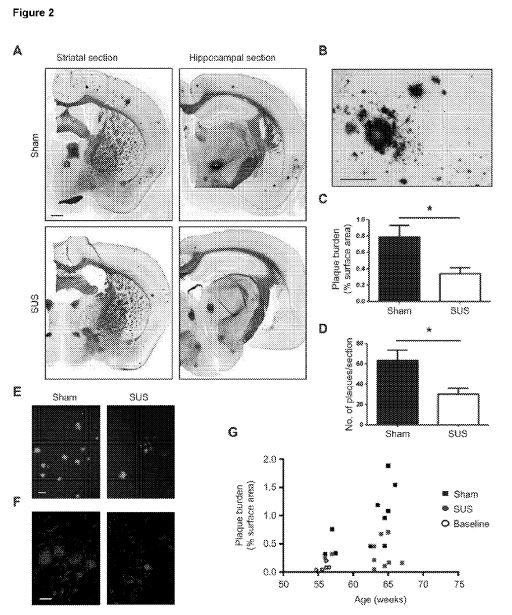
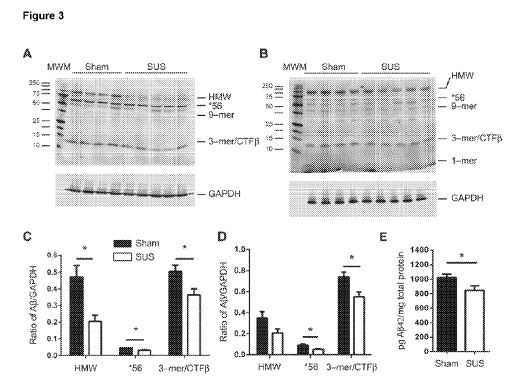
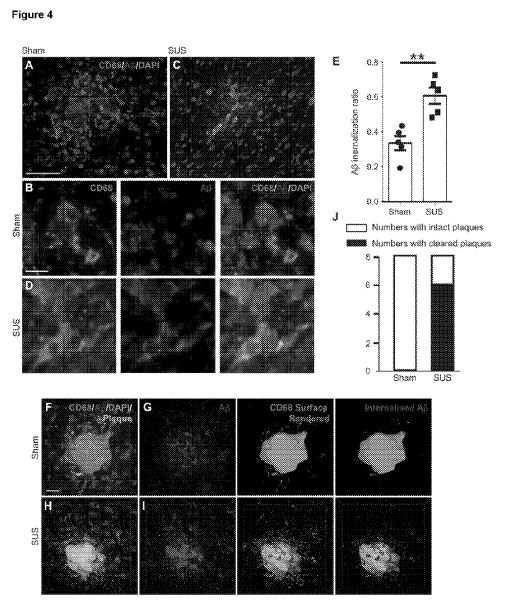
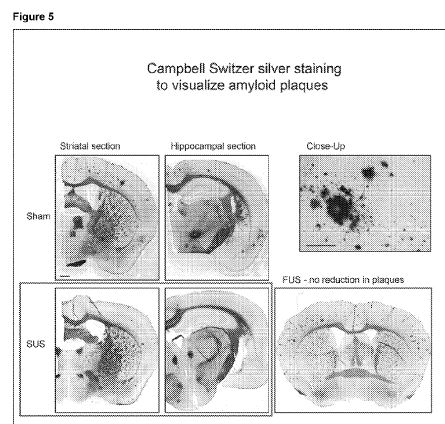
Repeated scanning ultrasound (SUS) treatments combined with intravenously injected microbubbles transiently open the blood-brain barrier, activate resident microglia, and promote lysosomal degradation of amyloid-beta plaques, resulting in reduced plaque burden and improved memory performance in mouse models of Alzheimer's disease.
Principles
- Acoustic cavitation
- Blood-brain barrier disruption by microbubble oscillation
- Microglia activation and lysosomal clearance
- Focused ultrasound scanning
Scientific Domains
Materials
- DSPC (1,2-distearoyl-sn-glycero-3-phosphocholine)
- DSPE-PEG2000 (1,2-distearoyl-sn-glycero-3-phosphoethanolamine-N-[methoxy(polyethylene glycol)-2000])
- Octafluoropropane gas
- Phosphate-buffered saline (PBS)
- Glycerol
Mechanisms of Action
- Ultrasound induces microbubble oscillation causing mechanical stress on vascular walls
- Transient opening of tight junctions in the BBB allows entry of blood-borne factors
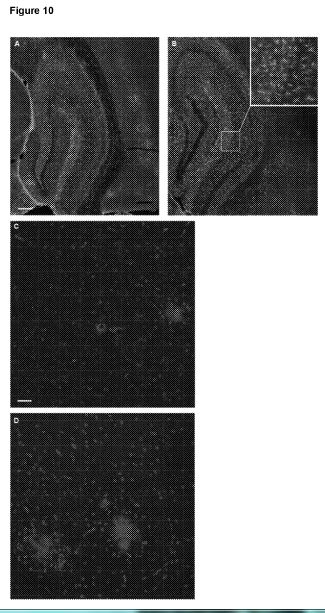
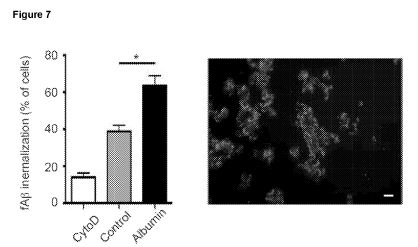
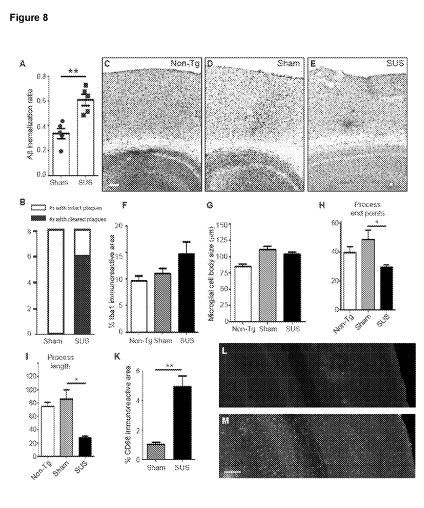
- Activated microglia internalize amyloid-beta into lysosomes for degradation
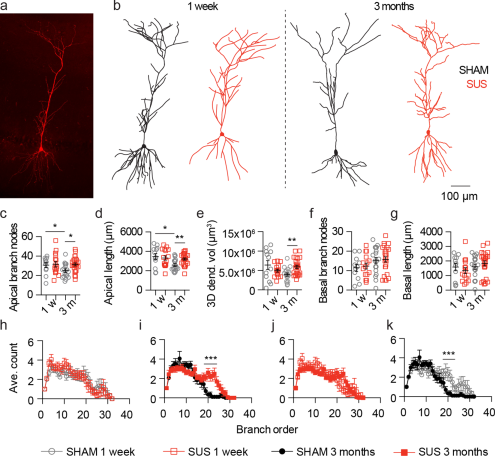
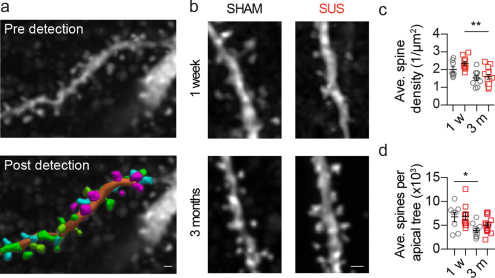
- Repeated treatments prevent age-related dendritic loss
Energy Sources
Applications
- Therapeutic treatment of Alzheimer's disease
- Neurodegenerative disease therapy
- Cognitive function enhancement
Claimed Performance
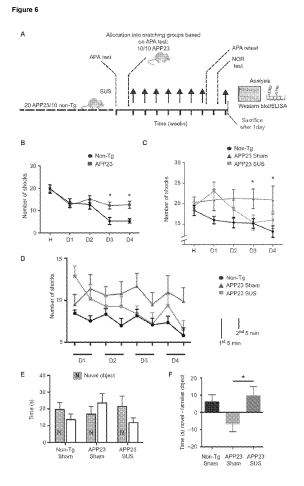
Cleared amyloid plaques in 75 % of SUS-treated mice; restored memory performance in three behavioral tests; prevented age-related dendritic loss in wild-type mice.
Experimental Evidence
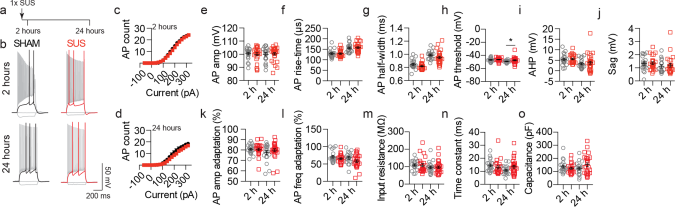
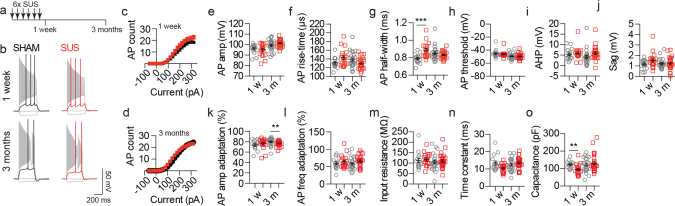
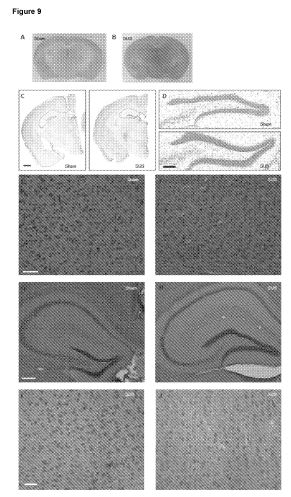
Mouse studies (APP23 transgenic Alzheimer's model and wild-type mice) showing plaque reduction, microglial internalization of amyloid, unchanged neuronal excitability, and preserved dendritic morphology after repeated SUS treatments; data published in Science Translational Medicine (2015) and PLOS ONE (2016).
Replication Status
Only reported by the original investigators; no independent replication noted in the article.
Limitations
- Efficacy demonstrated only in mouse models
- Requires intravenous microbubble injection
- Human safety and dosing parameters not yet established
- Potential off-target effects of BBB opening
Red Flags
- Reliance on pre-clinical animal data without human trials
- Potential regulatory hurdles for BBB-disrupting devices
- Risk of unintended delivery of peripheral substances into the brain