Goal
Provide a low-cost, high-strength, lightweight reinforcement material by producing cellulose nanocrystals from renewable biomass.
Problem
Existing CNC production is expensive, multi-step, and yields material that is highly sensitive to water; a simpler, cheaper, and scalable process is needed.
Concept Summary
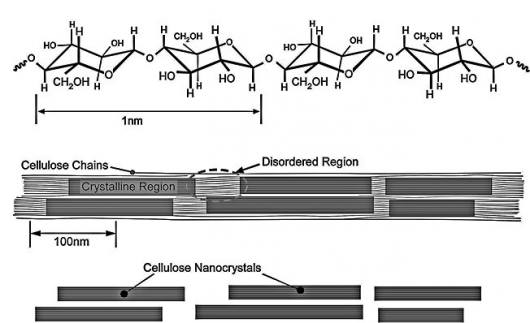
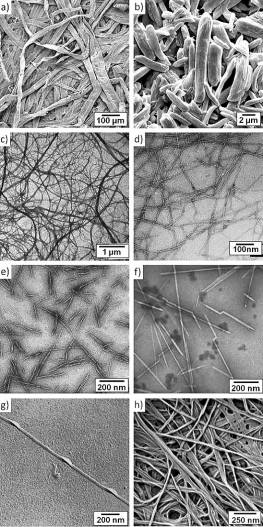
The invention describes a one-step chemical process that uses an inorganic persulfate (e.g., ammonium persulfate) at moderate temperatures to dissolve lignin and amorphous cellulose, yielding clean cellulose nanocrystals with high mechanical properties and surface carboxylic groups. The CNCs can be incorporated into composites for armor, aerospace, automotive, and biomedical applications.
Principles
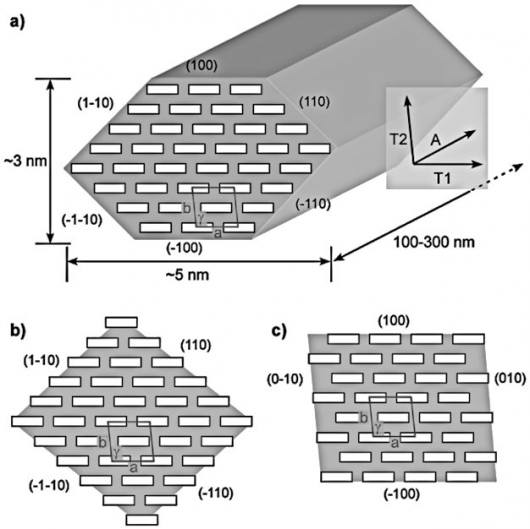
- Hydrogen bonding in crystalline cellulose
- Acid hydrolysis of amorphous regions
- Oxidative dissolution using persulfates
- Nanocrystal self-assembly
Scientific Domains
Materials
- Cellulose (wood pulp, hemp, flax, agricultural residues)
- Ammonium persulfate ((NH4)2S2O8)
- Sodium persulfate (Na2S2O8)
- Potassium persulfate (K2S2O8)
- Water
Mechanisms of Action
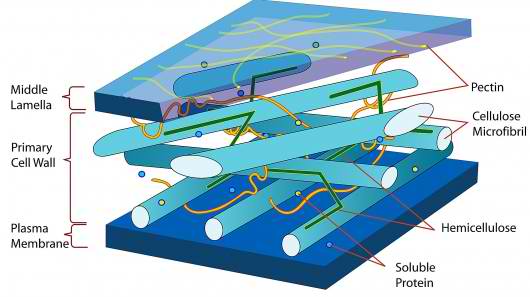
- Persulfate oxidation dissolves lignin, hemicellulose, and pectin
- Elevated temperature promotes reaction kinetics
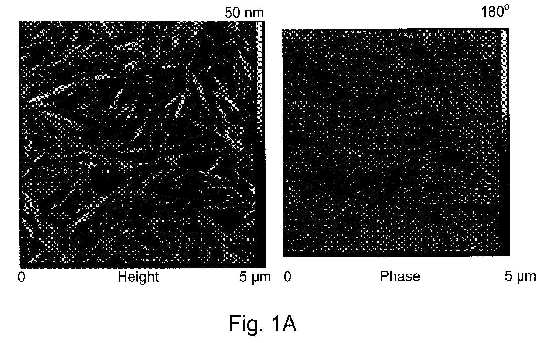
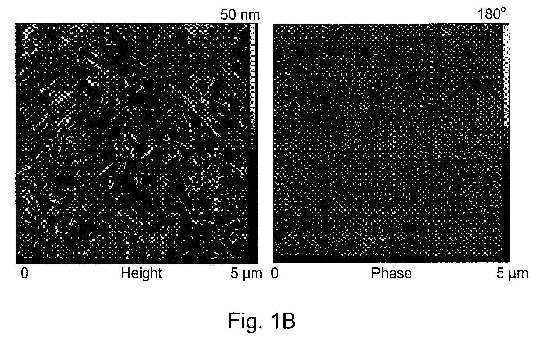
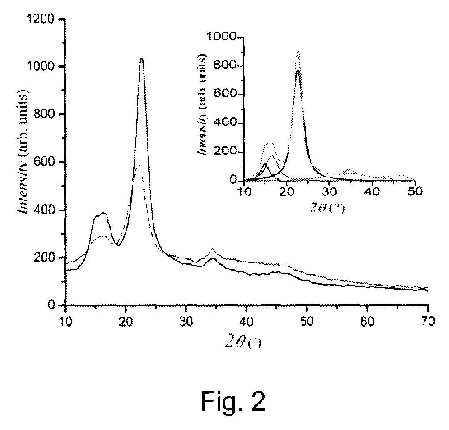
- Removal of amorphous cellulose yields highly crystalline nanorods
- Surface carboxylation occurs via persulfate oxidation
Energy Sources
Applications
- Lightweight armor
- Ballistic glass
- Automotive structural components
- Aerospace panels
- Electronics casings
- Consumer products
- Medical devices
- Enzyme immobilization
- Drug delivery
Claimed Performance
Elastic modulus ~=150 GPa, tensile strength ~=7.5-10 GPa; cost <10 % of Kevlar/carbon fiber; pilot-plant yield ~=30 %; target cost $10 / kg (potentially $1-2 / kg at scale).
Experimental Evidence
US$1.7 M pilot plant built; measured modulus 150 GPa and tensile strength 7.5 GPa; yield of CNCs from wood pulp ~30 %; cost projections provided.
Replication Status
Pilot plant operational (US Forest Products Laboratory).
Limitations
- Hydrophilic nature leads to water-induced swelling and loss of strength
- Current yield limited to ~30 %
- Acid/oxidant handling requires safety measures
- Need for hydrophobic matrix or protective coating in humid environments