Goal
Improve seed germination rate, early growth uniformity, and final crop yield
Problem
Low and inconsistent germination and growth of seeds; need for a reproducible, economical seed-treatment method
Concept Summary
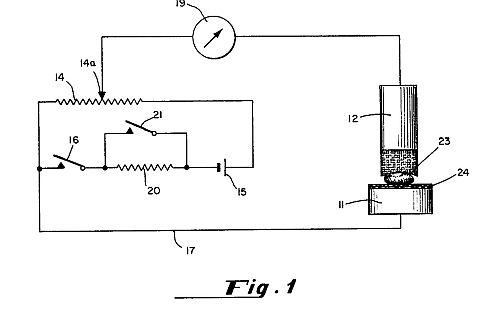
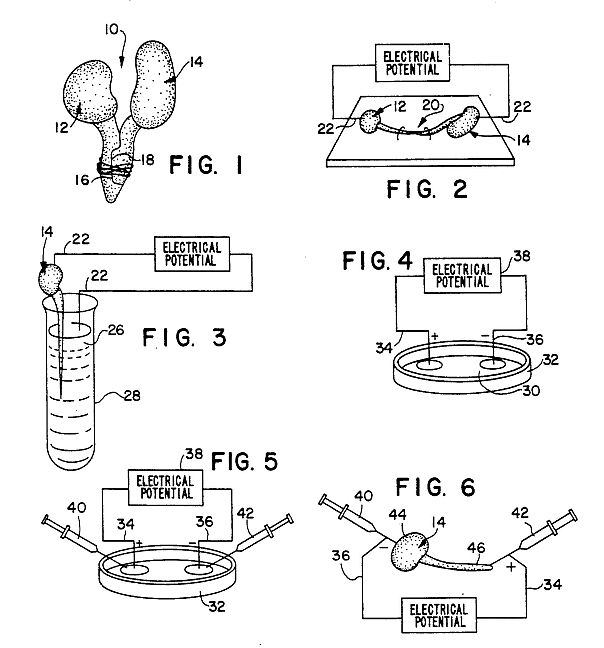
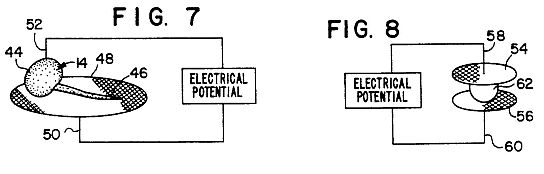
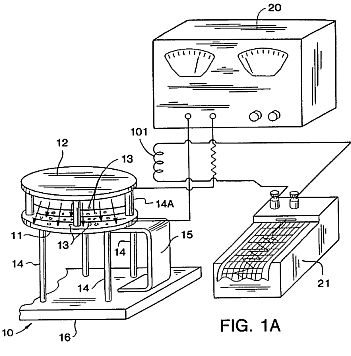
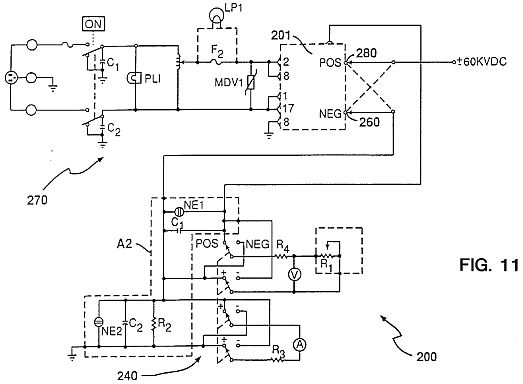
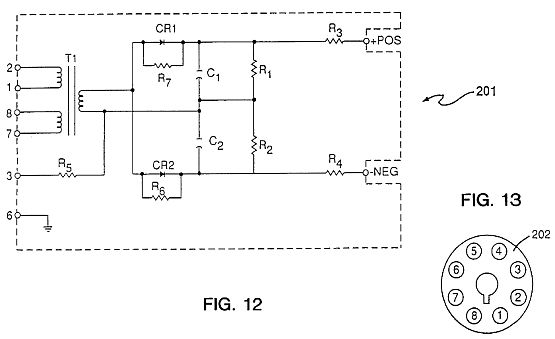
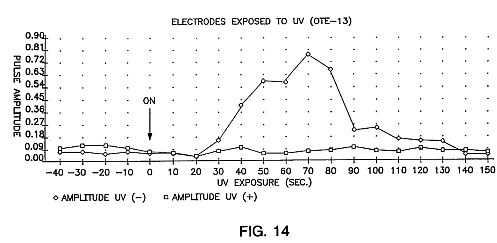
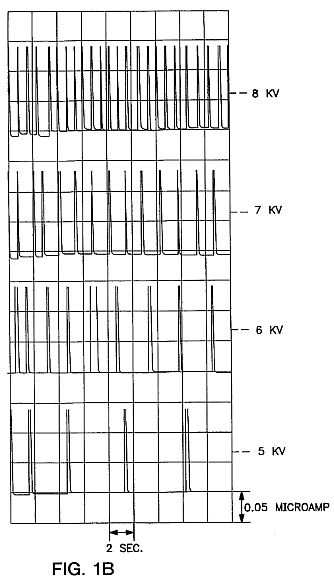
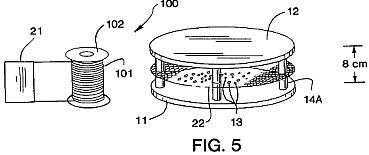
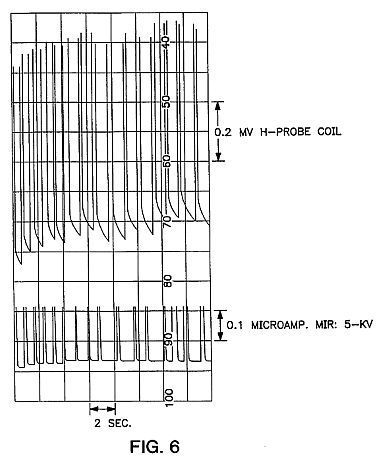
Seeds are placed between a spaced-apart anode and cathode. A high-voltage DC supply with an impressed low-frequency AC ripple creates self-organized electron avalanches that travel from the cathode into the seed. The brief exposure (seconds to minutes) induces biochemical changes (e.g., redox ratio shifts) that persist during storage and result in higher germination, faster early growth, and increased yields. A solenoid coil detects the avalanche pulses for monitoring.
Principles
- Electron avalanche
- Pulsed electric fields
- Ion-electron interaction
- Redox modulation
Scientific Domains
Materials
- Aluminum (electrode plate)
- Copper wire (solenoid coil)
- Dielectric polymer (support legs)
- Seeds (plant material)
Mechanisms of Action
- Electron penetration alters seed cellular biochemistry
- Changes in redox ratio affect respiration and metabolism
- Stimulated germination pathways
- Enhanced early root and shoot development
Energy Sources
Applications
- Agricultural crop production
- Seed quality control
- Yield enhancement for food crops
Claimed Performance
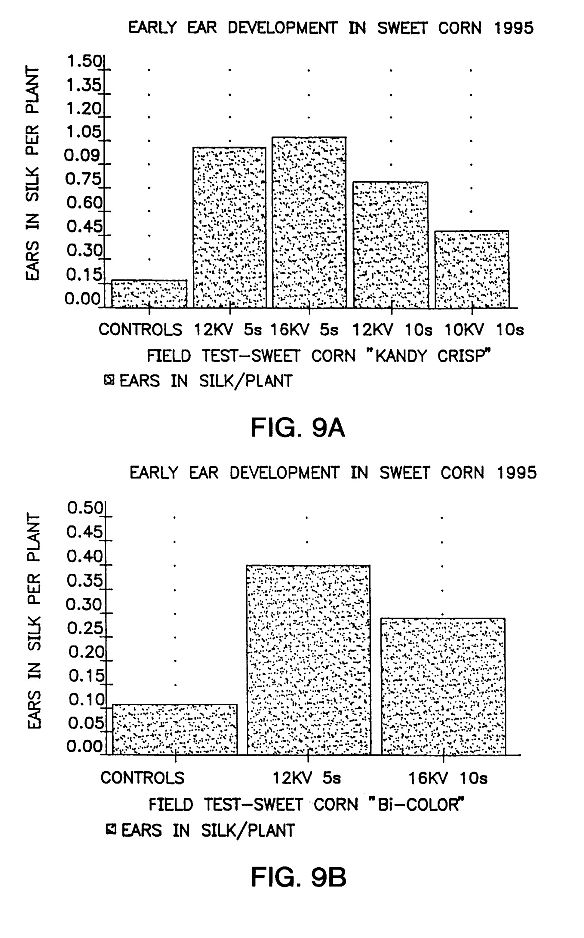
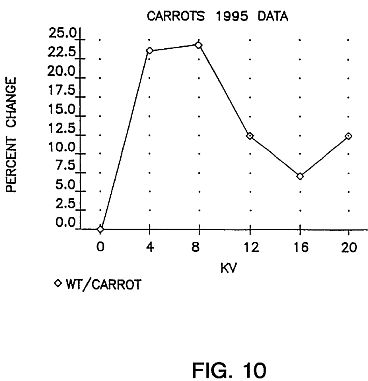
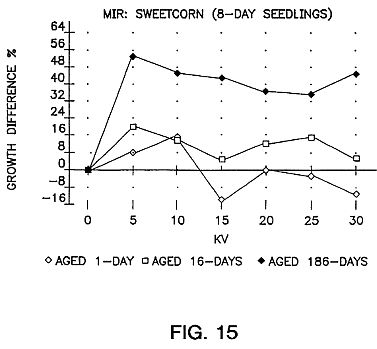
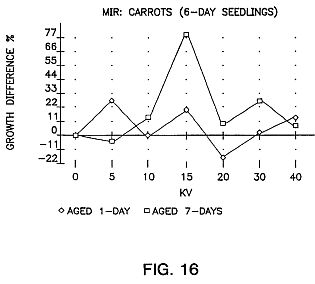
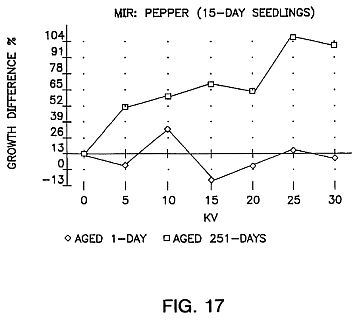
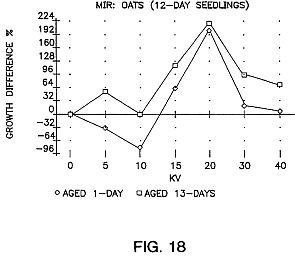
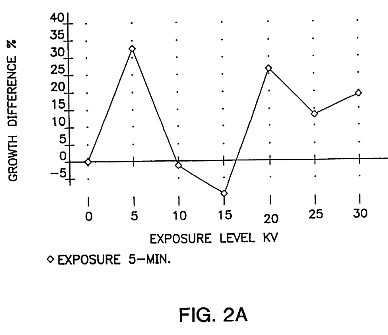
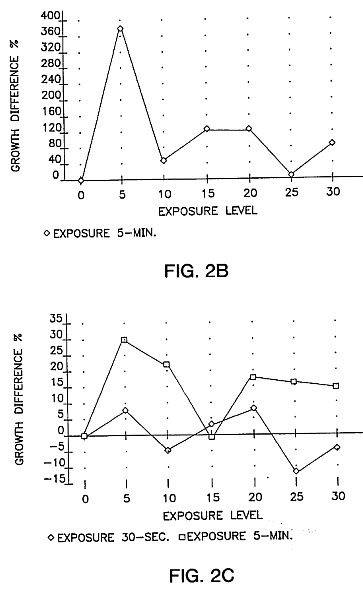
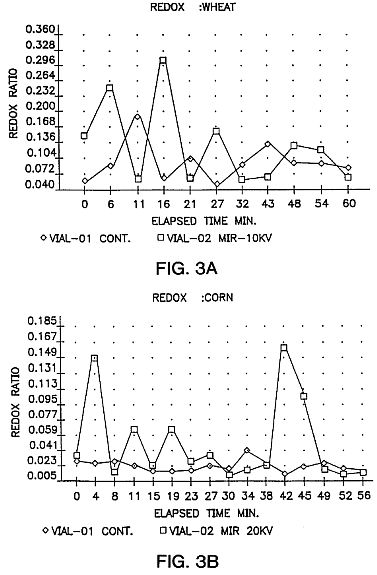
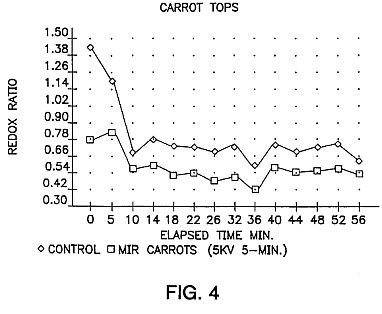
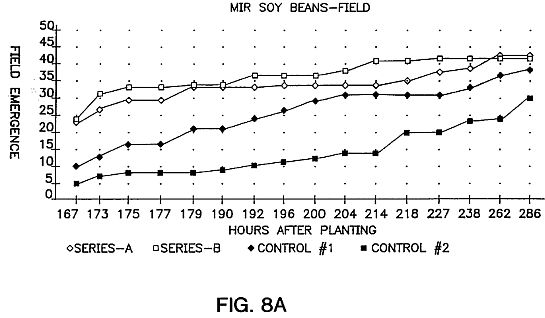
Laboratory and field tests showed higher germination percentages, more extensive seedling growth, and yields up to several percent above controls; peak performance observed at 5 kV (secondary peak at 20 kV). Redox ratios in treated seedlings were lower than controls.
Experimental Evidence
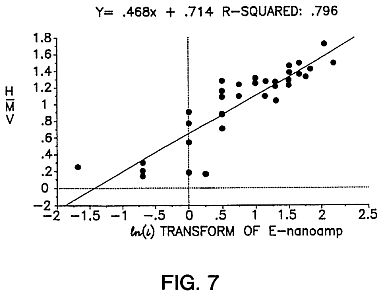
Data from germination experiments on Phaseolus vulgaris, tomato, pepper, carrot, sweet corn, and soybeans; graphs of emergence rates, hypocotyl extension, and fruit/ear development; redox ratio measurements on wheat, maize, and carrot foliage after exposure to 5-30 kV pulses.
Limitations
- Requires high-voltage equipment and safety precautions
- Effectiveness varies with voltage level and exposure time
- Limited data on long-term field performance and scalability
- No independent replication reported
Red Flags
- Lack of independent replication or peer-reviewed confirmation
- Claims of yield gains based on limited field trials
- High-voltage safety concerns for operators