Goal
Recycle diesel tractor exhaust into a soil fertilizer, reducing conventional fertilizer use and sequestering carbon.
Problem
Soil nutrient depletion, high fertilizer costs, greenhouse-gas emissions from agriculture, drought-induced yield loss.
Concept Summary
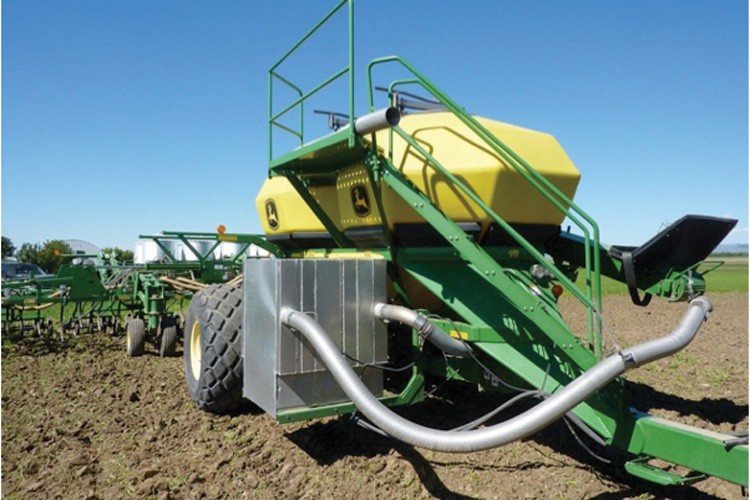
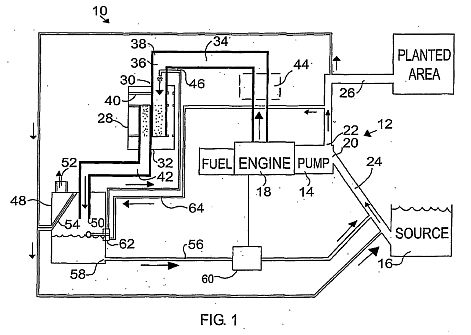
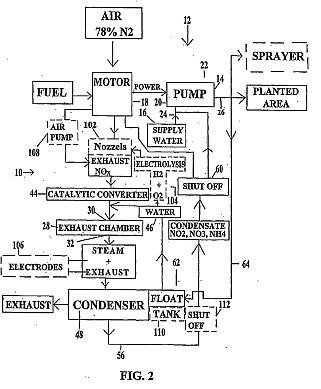
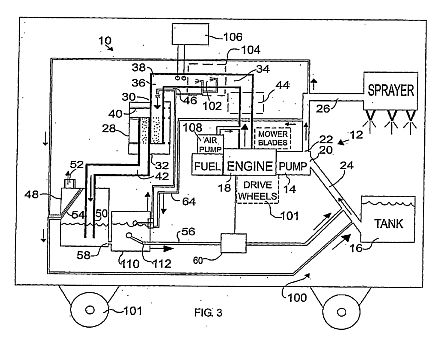
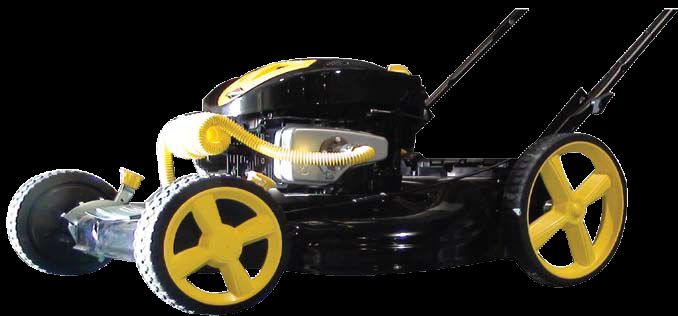
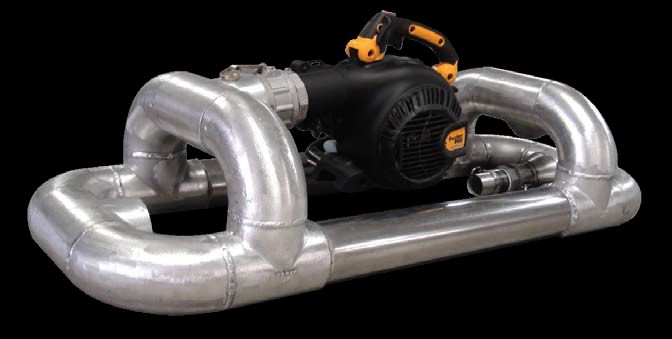
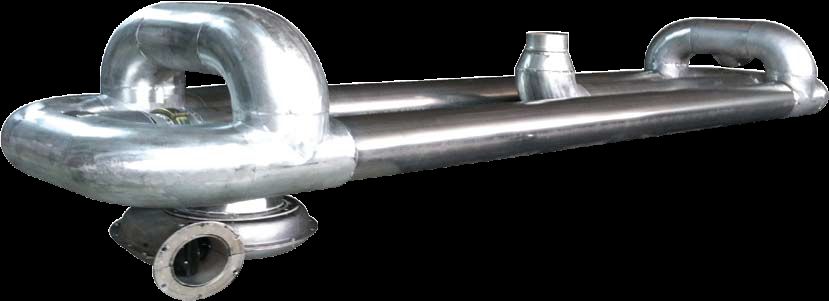
A tractor-mounted add-on cools diesel exhaust to ~30 deg C, routes it through metal tubing and injects the gaseous mixture (CO_2, N_2, trace metals, formaldehyde, etc.) into the soil together with seeds. The exhaust gases stimulate soil microbes, alter pH, and coat seeds, thereby enhancing nutrient availability and plant growth while sequestering carbon.
Principles
- Carbon sequestration
- Soil microbial stimulation
- Seed coating with exhaust particulates
- Soil pH moderation via acidic condensate
Scientific Domains
Materials
- Carbon dioxide
- Nitrogen gas
- Zinc
- Copper
- Magnesium
- Iron
- Formaldehyde
- Diesel fuel
Mechanisms of Action
- Cooling diesel exhaust and delivering CO_2 and N_2 to soil
- Introducing trace metals (Zn, Cu, Mg, Fe) that act as micronutrients
- Coating seeds with soot and formaldehyde-rich condensate for pathogen protection
- Acidic condensate neutralizes alkaline soils, improving nutrient uptake
Energy Sources
Applications
- Agricultural fertilization
- Carbon sequestration
- Soil remediation
- Reduced reliance on synthetic fertilizers
Claimed Performance
A 400-HP tractor emits ~1 100 kg CO_2 per hectare; users report up to four-fold increase in soil phosphorus and yield improvements; savings of $50 000 - $500 000 in fertilizer costs reported.
Experimental Evidence
Field trials in Canada, the US, Britain and South Africa; Montana State University Northern study showed higher yields and increased soil phosphorus with no dangerous heavy metals detected; some independent agronomists observed no yield increase, indicating mixed results.
Replication Status
Trials are being replicated in Canada, Britain, South Africa and Tanzania; over 100 farmers have purchased the system.
Limitations
- Potential exposure to toxic exhaust components
- Limited large-scale, peer-reviewed data
- Initial equipment cost ($20 000-$55 000)
- Variable results across trials
Red Flags
- Claims of high yield without robust, independent replication
- Use of toxic exhaust gases in the environment
- Marketing language suggesting "free energy" benefits