Goal
Provide high-efficiency solar heating without moving parts by concentrating sunlight onto a wedge-shaped absorption tube.
Problem
Low efficiency of conventional flat-plate solar collectors and the need for complex, motorized tracking mechanisms.
Concept Summary
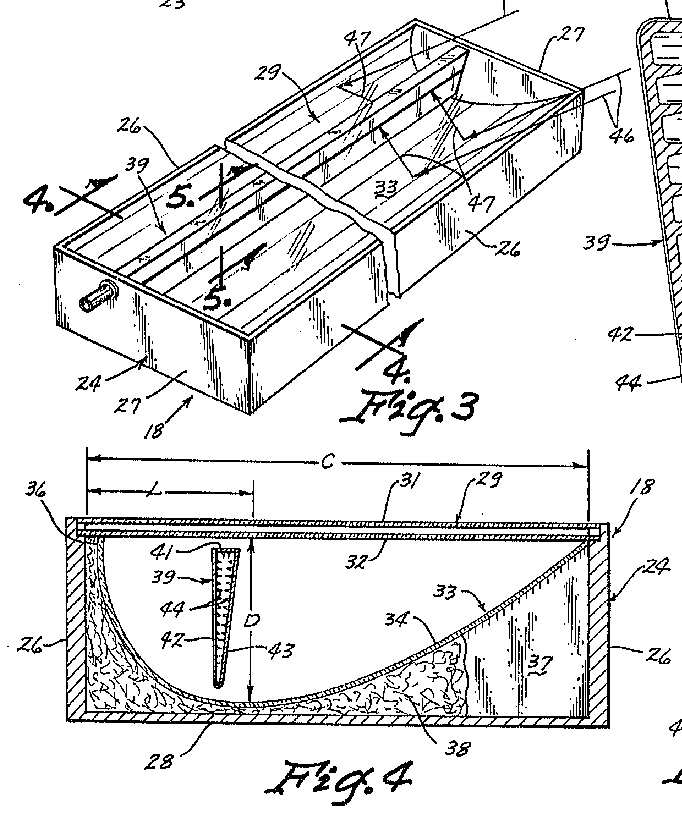
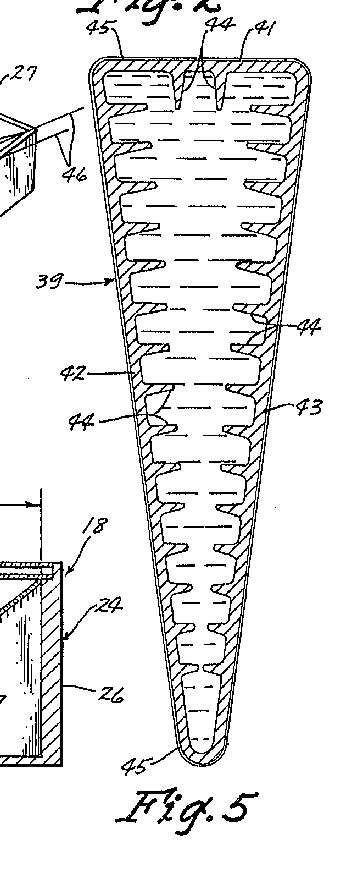
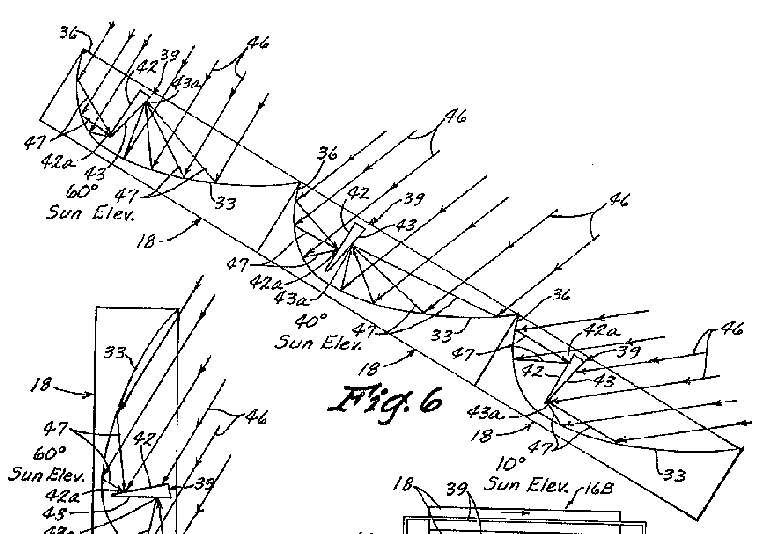
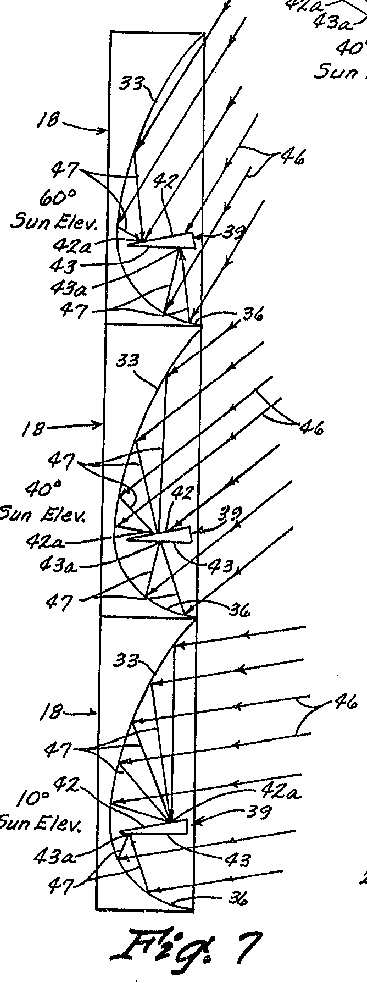
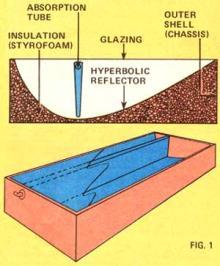
A stationary solar collector that uses a specially curved, mirror-finished aluminum reflector to focus incoming sunlight onto a triangular-section aluminum absorption tube. The geometry causes the focal line to move across the tube as the sun moves, allowing continuous concentration over a wide arc without mechanical tracking.
Detailed Description
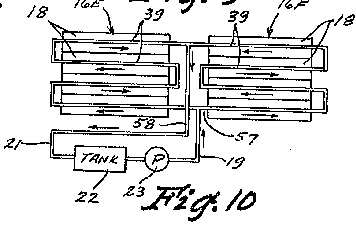
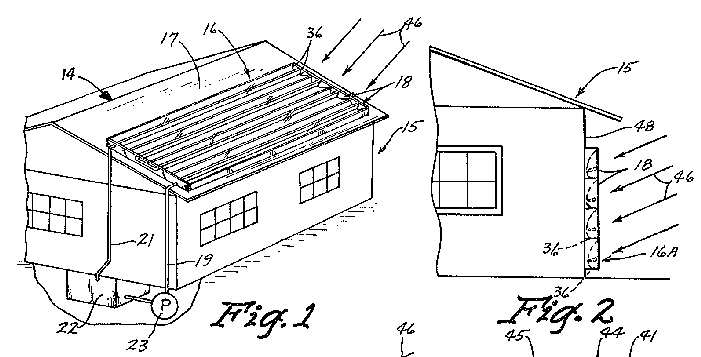
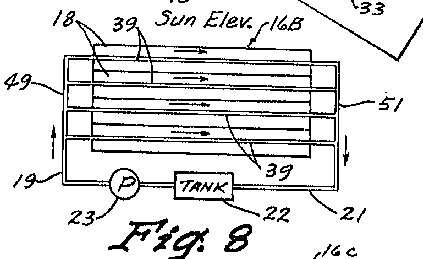
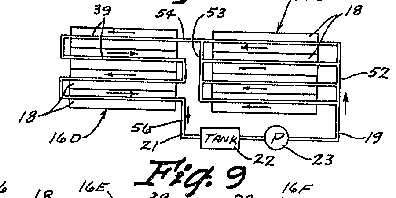
The collector consists of an aluminum frame holding a pre-shaped styrofoam block that insulates the structure and supports a mirror-finish aluminum reflector with a hyperbolic curvature. Along the deepest part of the reflector's curve lies a triangular-section aluminum absorption tube (the "hot line"). Sunlight entering the panel is reflected onto the tube, heating the air (or water) flowing through it. The collector is covered with Kalwall Sun-Lite fiberglass glazing that transmits most sunlight even at oblique angles. A blower forces room air through the tube, delivering heated air (up to ~140 deg C) back into the space. The design works from sunrise until the sun is >60 deg above the horizon, achieving heat-recovery efficiencies in the high 80 % to low 90 % range, roughly double that of typical flat-plate collectors.
Principles
- Concentrated solar radiation
- Passive geometric sun tracking
- Thermal absorption in a wedge-shaped tube
Scientific Domains
Materials
- Aluminum (reflector, frame, absorption tube)
- Styrofoam
- Fiberglass (Kalwall Sun-Lite glazing)
- Mirror-finish aluminum sheet
Mechanisms of Action
- Curved reflective surface concentrates sunlight onto absorption tube
- Triangular-section tube captures heat from a moving focal line
- Air (or water) flow transports collected heat to the building
Energy Sources
Applications
- Room heating
- Space heating
- Potential water heating (under development)
Claimed Performance
Heat-recovery percentages in the very high 80 % or low 90 % range; air temperatures up to 140 deg C; one 16-ft^2 panel can heat a typical room during daytime.
Experimental Evidence
Preliminary tests by independent observers report 80-90 % heat-recovery efficiency. Eighteen units have been installed in Iowa for room-air heating.
Replication Status
A total of 18 Hot-Line units have been installed in Iowa (all air-heating models).
Limitations
- No official efficiency data from the inventor
- Performance limited to sun angles <60 deg above horizon
- Current commercial models are air-heating only