Goal
Normalize pathological processes, improve cellular metabolism, detoxify the body, and provide rejuvenating and anti-aging effects.
Problem
Heavy isotopes (deuterium) in ordinary water slow cellular energy processes and contribute to toxin accumulation, metabolic disorders, and age-related degeneration.
Concept Summary
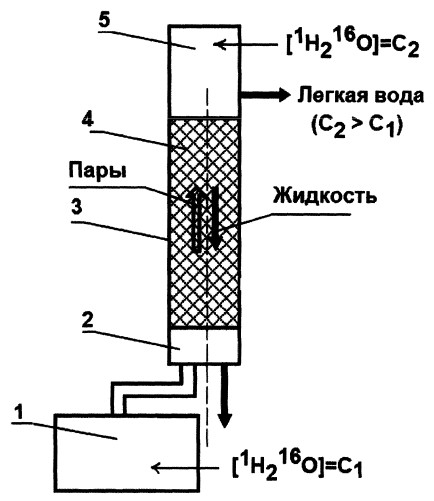
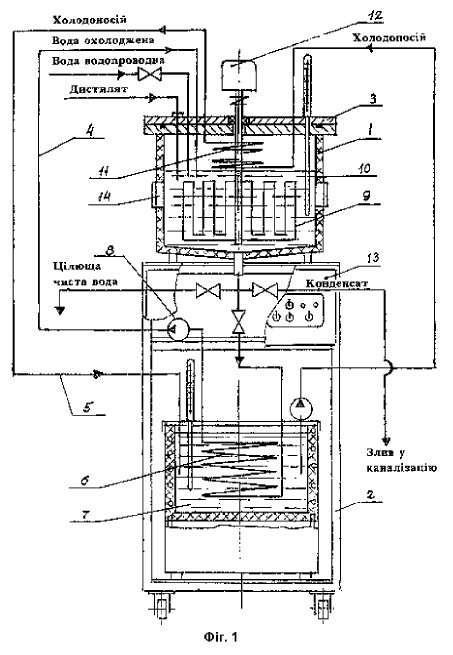
Light water is produced by fractional distillation and isotope-depletion to remove heavy hydrogen (deuterium) and heavy oxygen isotopes. The resulting low-deuterium water is claimed to have higher solubility, lower viscosity, and enhanced ability to penetrate cell membranes, leading to detoxification, anti-inflammatory actions, metabolic regulation, and skin regeneration.
Principles
- Isotope depletion (deuterium reduction)
- Increased solubility of solutes
- Reduced viscosity
- Enhanced membrane permeability
Scientific Domains
Materials
- Water (H_2O) with low deuterium content
Mechanisms of Action
- Detoxification by removing heavy isotopes
- Stimulation of cellular energy metabolism
- Anti-inflammatory and anti-edema effects
- Inhibition of tumor cell proliferation
Applications
- Cosmetic skin regeneration
- Adjunct therapy for metabolic disorders (diabetes, hypertension, obesity)
- Supportive treatment in oncology
- General health and longevity supplementation
Claimed Performance
Reduces blood sugar and cholesterol, lowers triglycerides, improves skin regeneration, increases cellular energy resources by ~30 %, inhibits tumor cell multiplication, and normalizes metabolic disorders such as diabetes, hypertension, obesity, and atherosclerosis.
Experimental Evidence
Clinical tests in Russian cosmetology clinics reported increased epithelization, skin moisture, and anti-inflammatory effects. In-vitro studies at the Moscow Scientific Research Oncological Institute showed inhibition of tumor cell multiplication. Laboratory tests at the Scientific Centre of Children Health reported a 30 % increase in cellular energy resources and toxin protection. Endocrinology department studies showed 52 % reduction in beta-lipoprotein index and 113 % reduction in atherogenic coefficient in metabolic patients.
Replication Status
Multiple Russian research institutes reported clinical and laboratory tests, but no independent replication or peer-reviewed publication is cited.
Limitations
- Lack of peer-reviewed clinical trials
- Claims are largely anecdotal or based on internal reports
- Dosage and long-term safety not rigorously defined
Red Flags
- Extraordinary health and longevity claims without robust scientific validation
- Potential commercial bias (product marketed under brand names)
- Absence of published, peer-reviewed data