Goal
Increase the efficiency of air-compression systems and internal-combustion engines, reducing energy consumption by up to 20 % compared with conventional piston compressors.
Problem
Traditional up-and-down piston compressors waste air and energy, leading to high electricity use in applications such as waste-water aeration, industrial blowers, and automotive supercharging.
Concept Summary
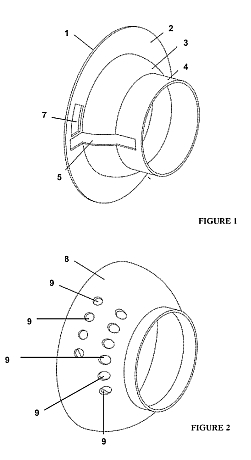
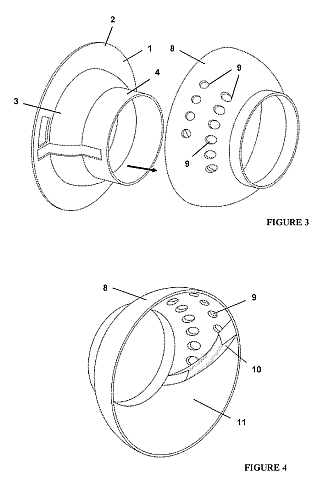
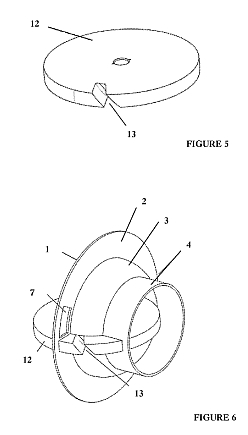
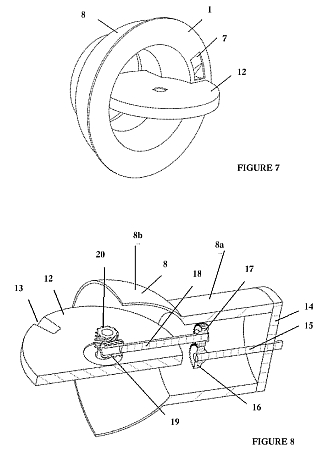
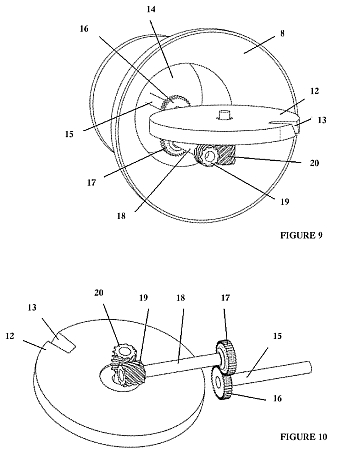
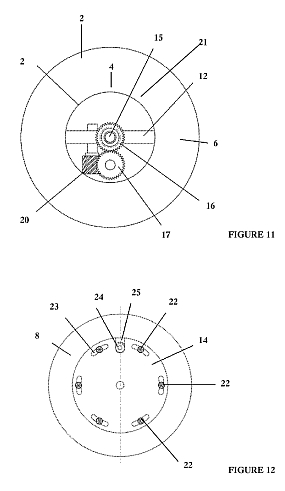
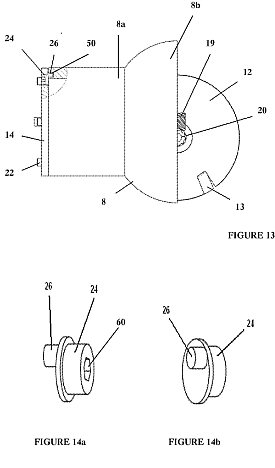
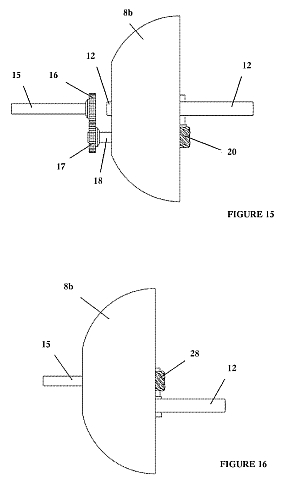
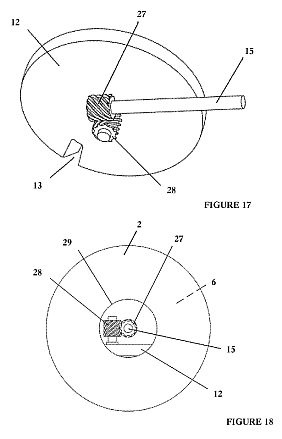
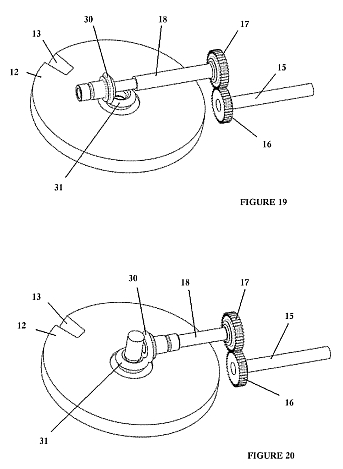
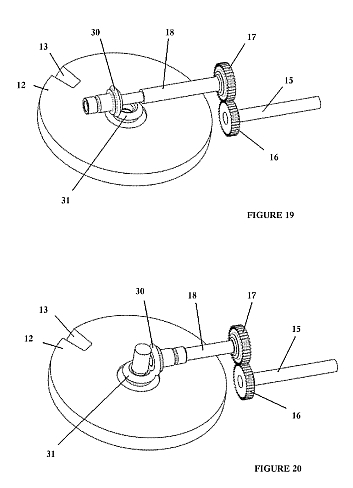
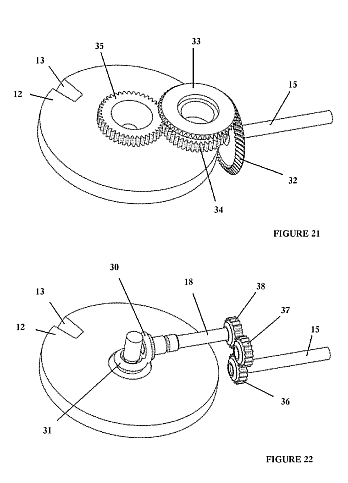
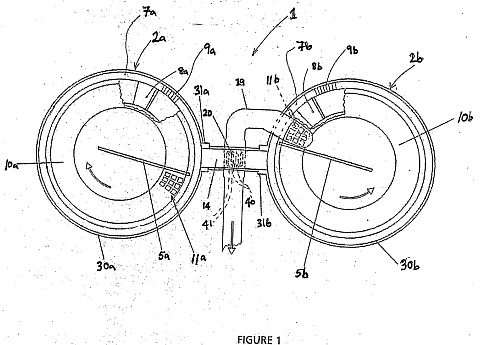
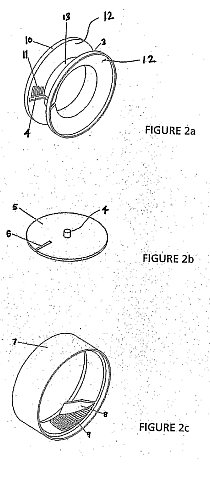
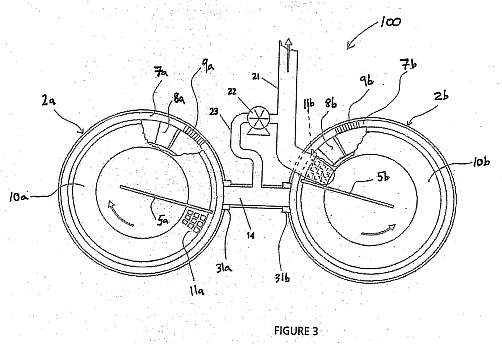
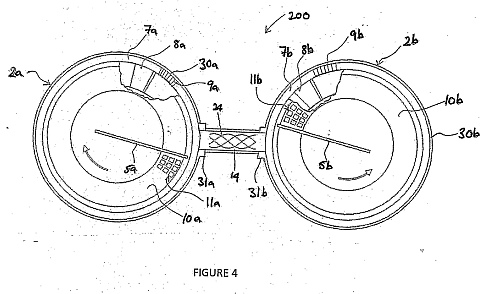
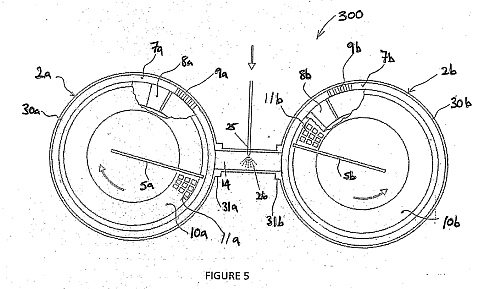
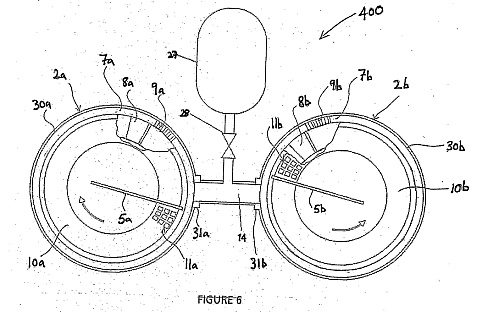
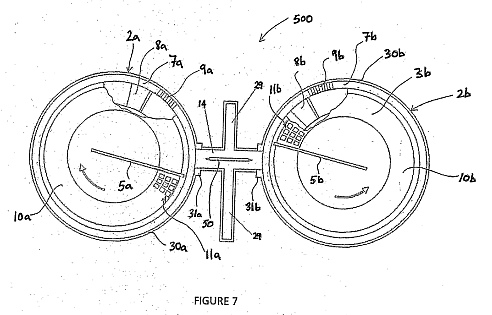
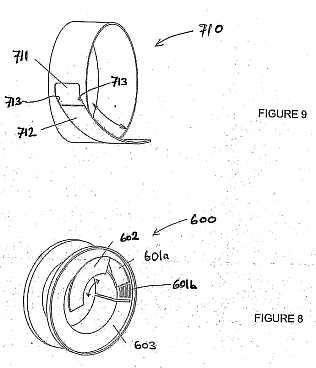
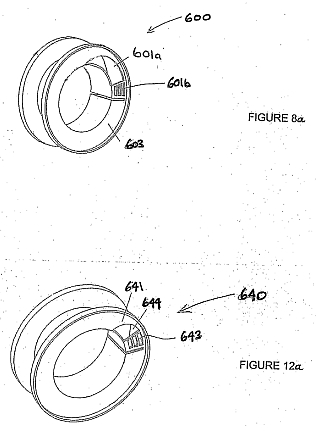
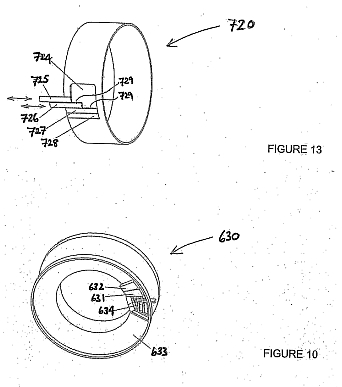
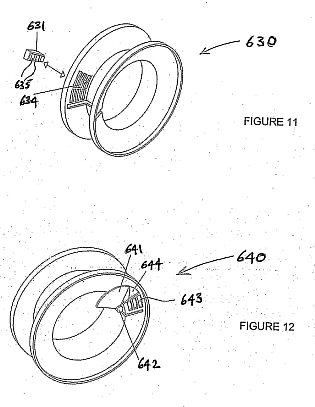
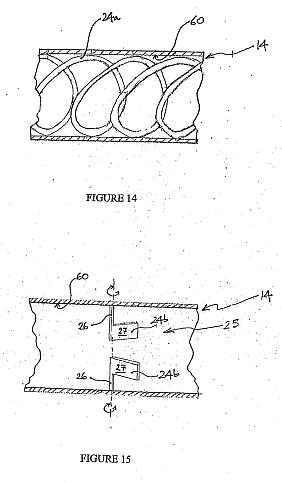
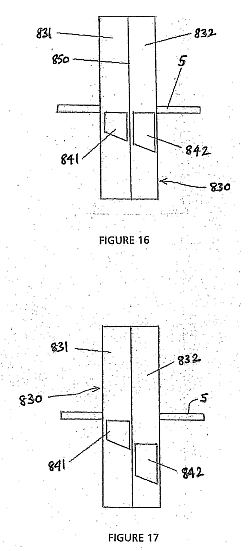
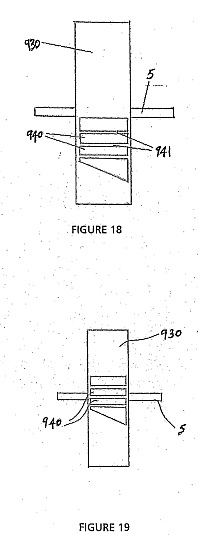
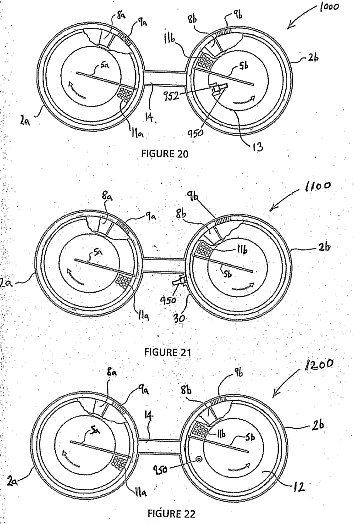
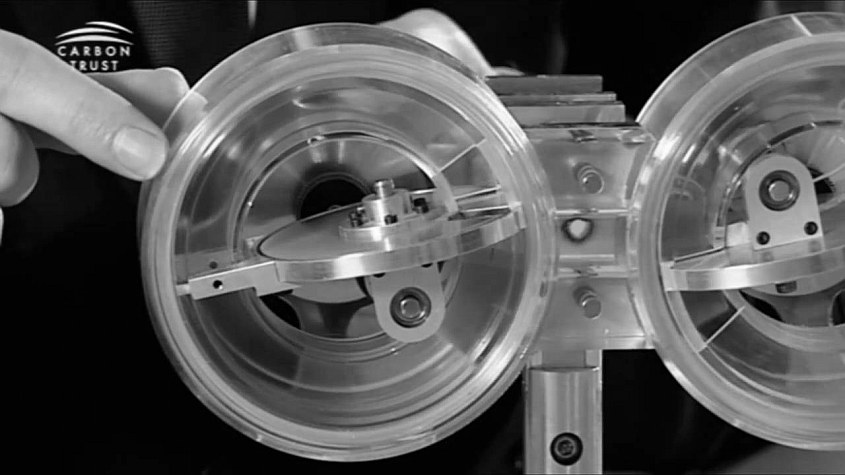
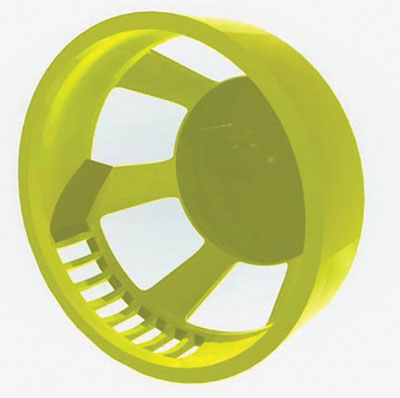
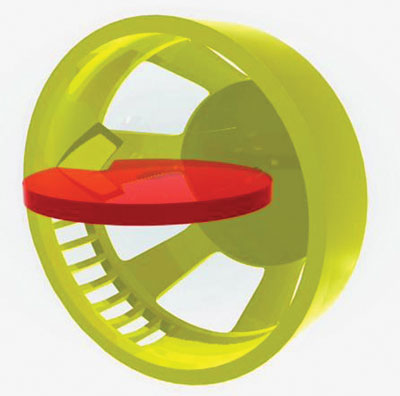
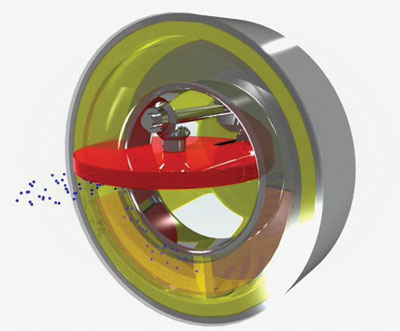
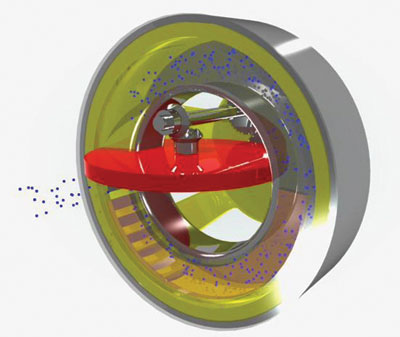
The Blade Compressor replaces the reciprocating piston with a compact rotary device that uses a rotating blade moving through a slot in a rotating disc inside a wrapped toroidal chamber. The double-acting rotary motion continuously compresses air (or gas) with minimal wastage, while a variable-port inlet allows real-time flow and pressure control without changing rotational speed. The design is oil-free, low-vibration, and can be integrated into compressors, superchargers, and engines.
Detailed Description
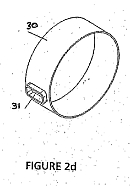
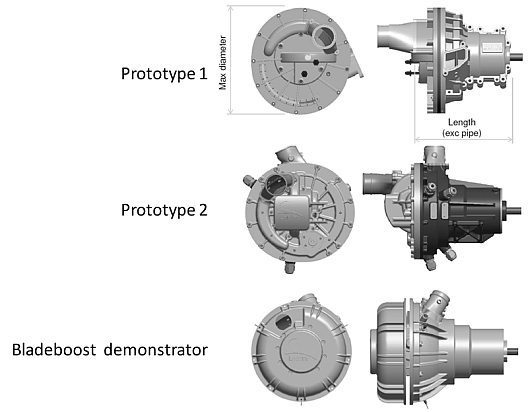
The core geometry consists of a toroidal chamber surrounding a rotating disc. A blade attached to the disc passes through a fixed slot once per rotation, creating two compression phases per cycle (double-acting). The inlet port can be varied to adjust mass flow and internal compression ratio on the fly, maintaining high volumetric and thermal efficiency. Because the device is rotary, it can be made compact, quiet, and oil-free. The same principle is extended to a Blade Supercharger, a Blade Expander, and the Lindsey Engine, which combines two such compressors to form a four-stroke cycle with optimized combustion-compression ratios. Prototypes have been installed in a Severn Trent sewage-works blower, logging >10 000 h and delivering a 3 % reduction in the plant's electricity bill. A BladeBoost demonstrator showed a 20 % efficiency gain over conventional superchargers in bench tests.
Principles
- Rotary positive-displacement compression
- Variable-port inlet design
- Wrapped toroidal chamber geometry
- Double-acting compression cycle
- High volumetric and thermal efficiency
- Oil-free operation
- Heat recovery through chamber design
Scientific Domains
Materials
- Metal alloys (cast and machined steel/aluminum)
- Standard industrial casting materials
Mechanisms of Action
- Rotating blade compresses gas as it moves through a slot in a rotating disc
- Continuous double-acting motion reduces dead-space and waste
- Variable inlet port adjusts mass flow and compression ratio without speed change
- Toroidal chamber promotes efficient heat transfer and recovery
Energy Sources
Applications
- Waste-water aeration blowers
- Industrial air compressors
- Automotive superchargers
- Marine power generation
- Combined heat and power (CHP)
- Unmanned aerial vehicle (UAV) power systems
Claimed Performance
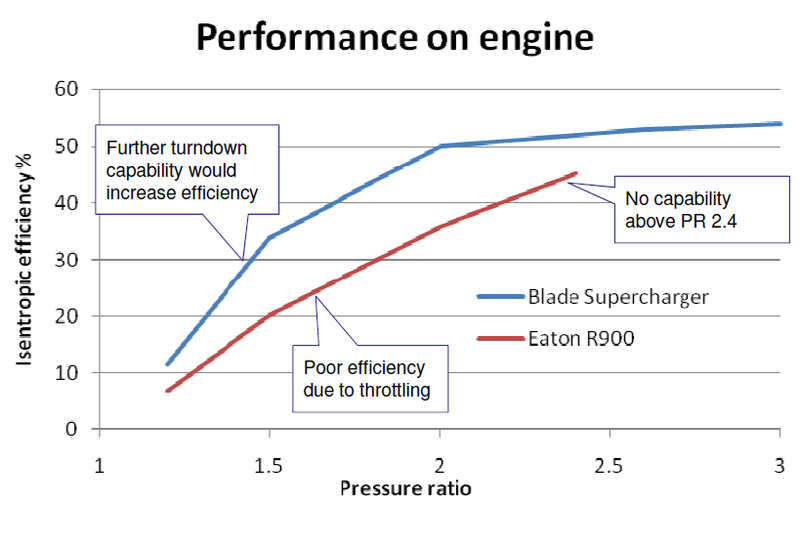
Up to 20 % efficiency gain over conventional piston compressors; 3 % reduction in electricity cost in a waste-water blower; prototype BladeBoost shows 20 % higher thermal efficiency than an Eaton R900 TVS supercharger; modelling of the Lindsey Engine predicts up to 37 % part-load efficiency improvement.
Experimental Evidence
Prototype installed at Severn Trent sewage plant ( >10 000 h of operation, 3 % electricity bill reduction. Bench tests of BladeBoost demonstrator showed 20 % efficiency gain versus a leading supercharger. Company press releases and Carbon Trust reports confirm performance claims.
Replication Status
Prototype tested in an industrial wastewater-treatment blower; production units for waste-water machines are rolling off a production line; licensing agreements in place with a global manufacturer.
Limitations
- Requires integration with existing mechanical drive systems
- Long-term durability under continuous high-speed rotation not yet fully proven
- Cost-benefit analysis versus optimized piston compressors not disclosed