Goal
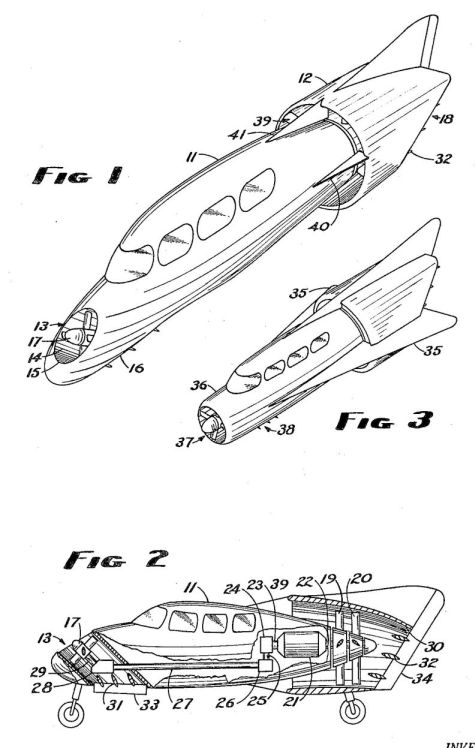
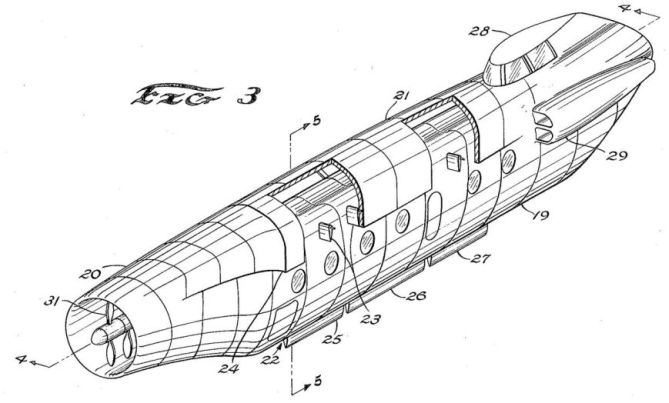
Provide vertical take-off and landing (VTOL) capability using coaxial shrouded propellers with deflected slipstream, eliminating the disadvantages of tail-sitter designs and aiming for high speed and efficient lift.
Problem
Conventional VTOL aircraft suffer from complex control, poor aerodynamic efficiency, and tail-sitter stability issues; the Aerodyne seeks a simpler, more efficient wing-less VTOL solution.
Concept Summary
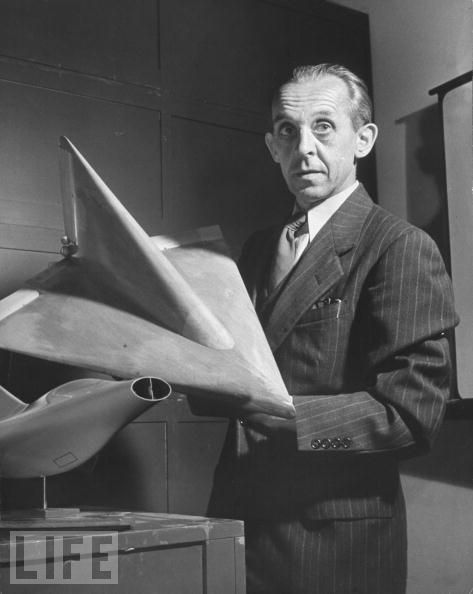
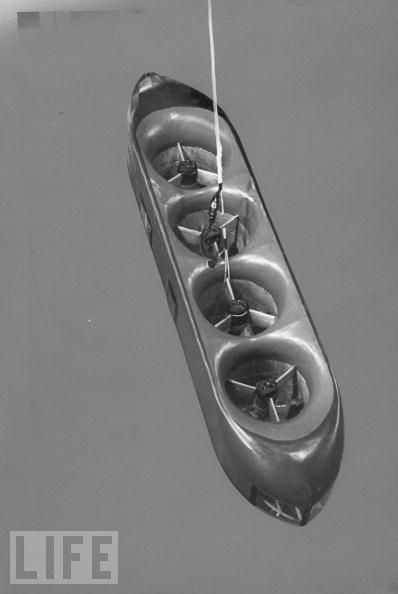
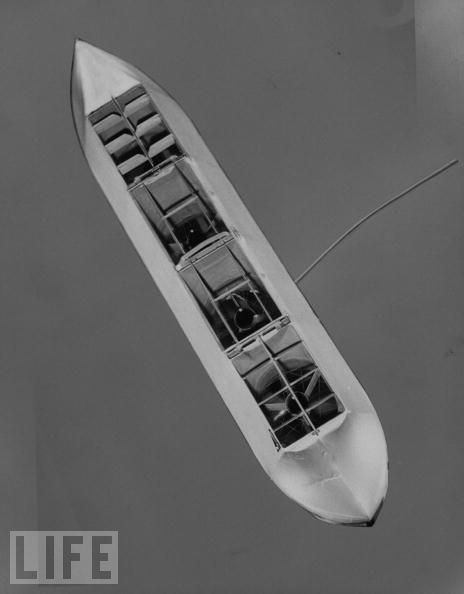
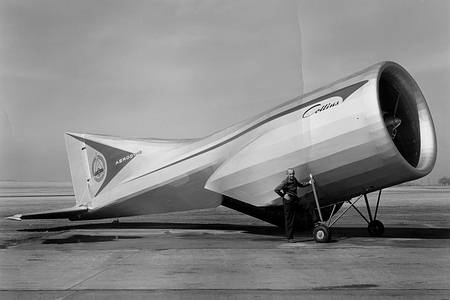
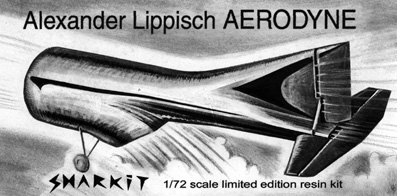
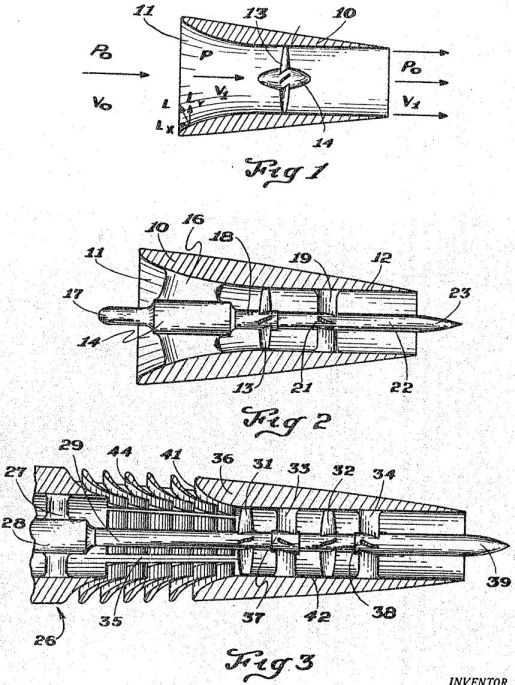
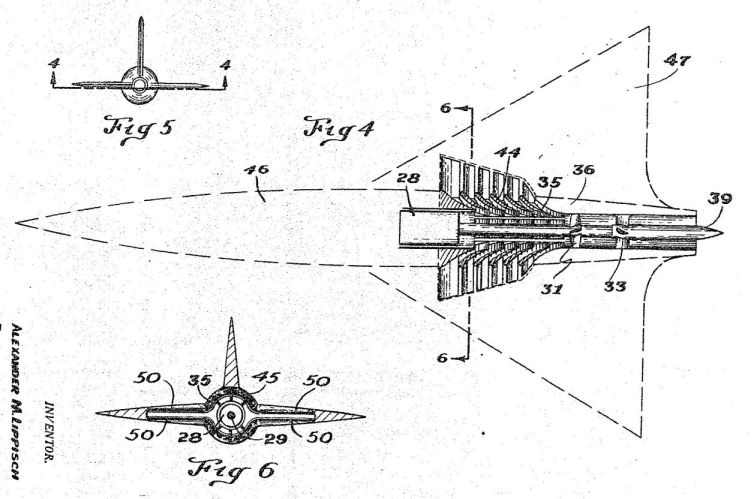
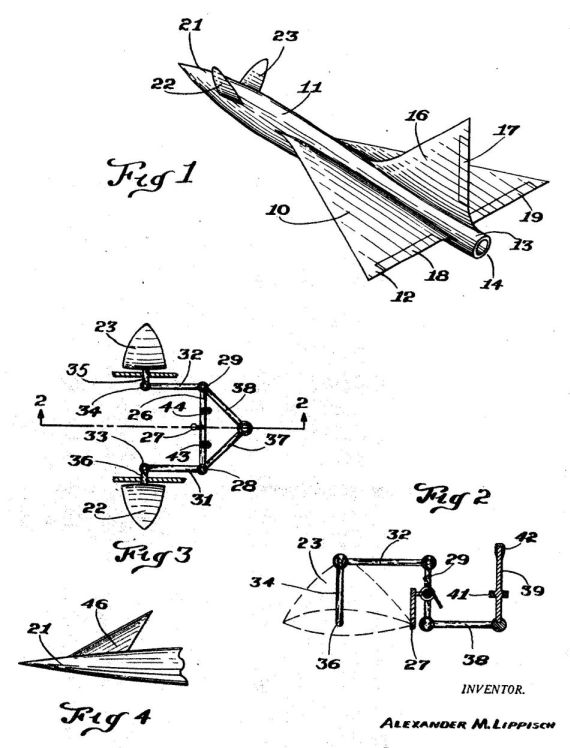
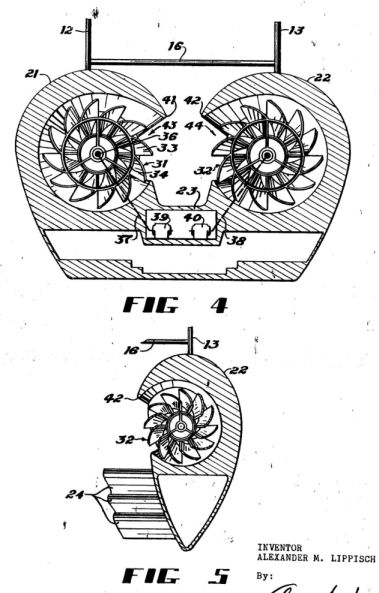
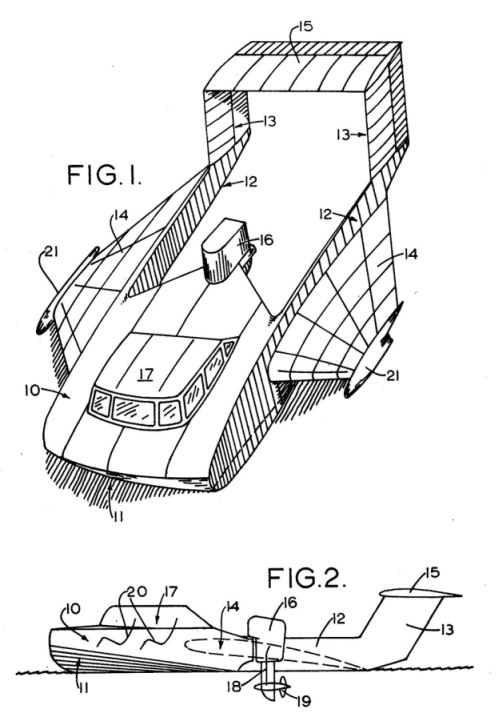
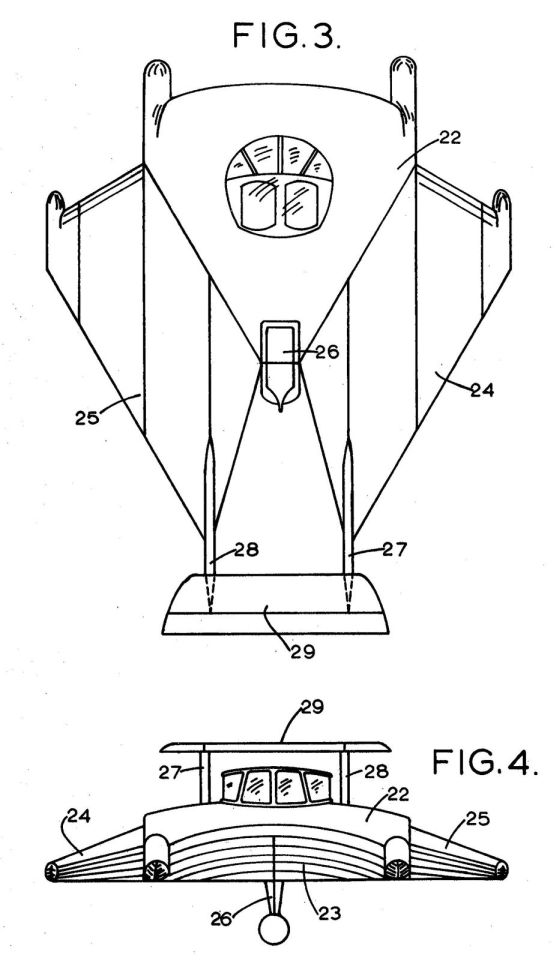
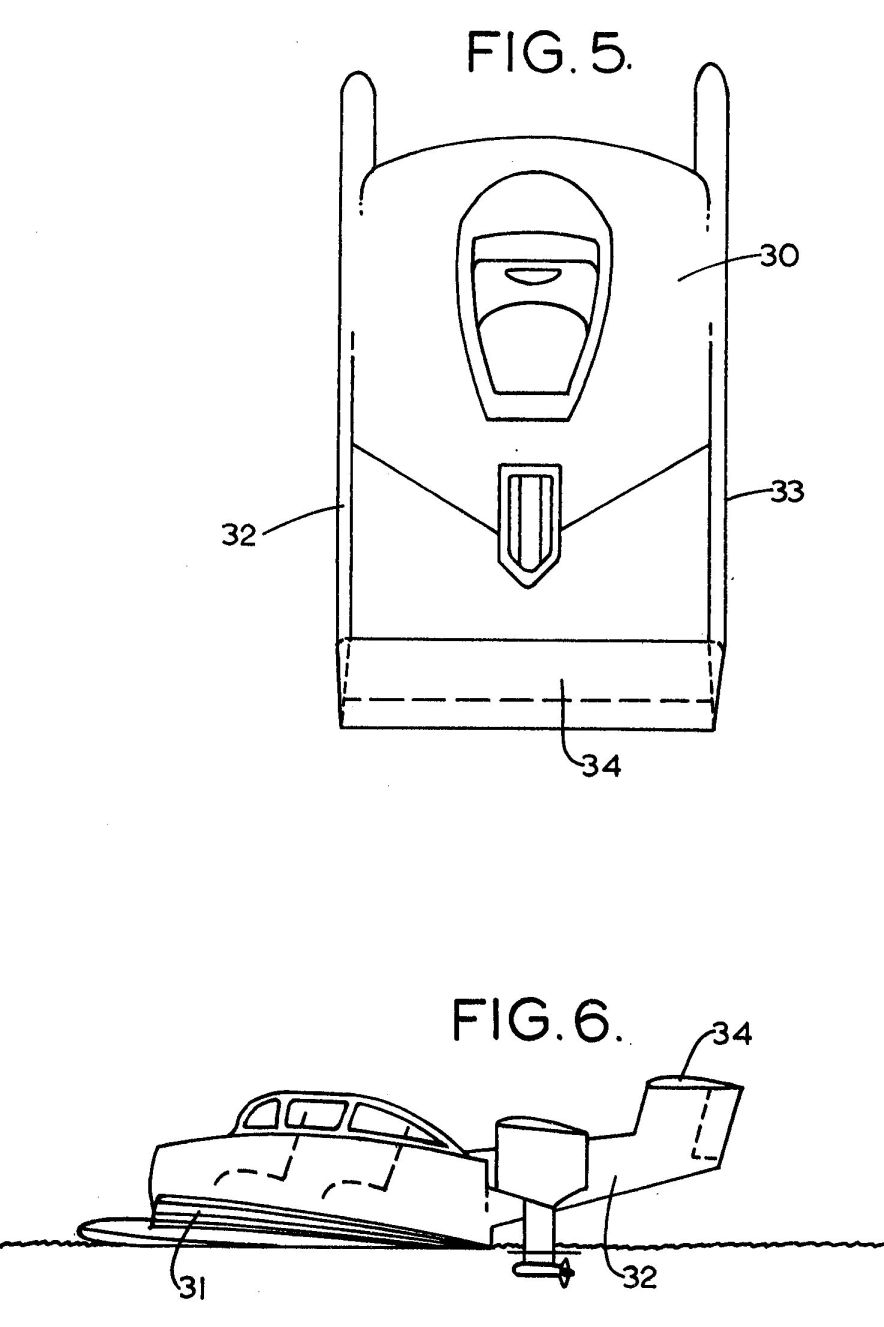
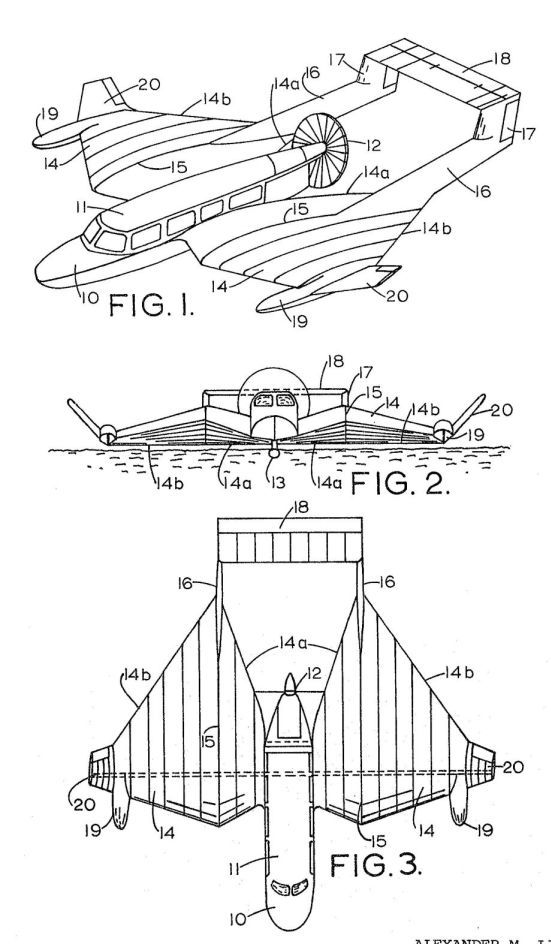
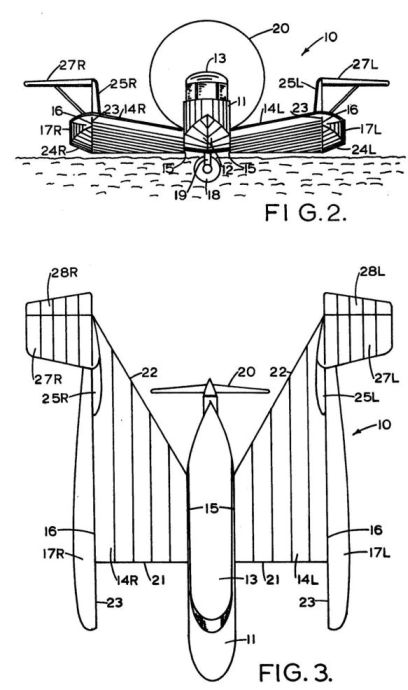
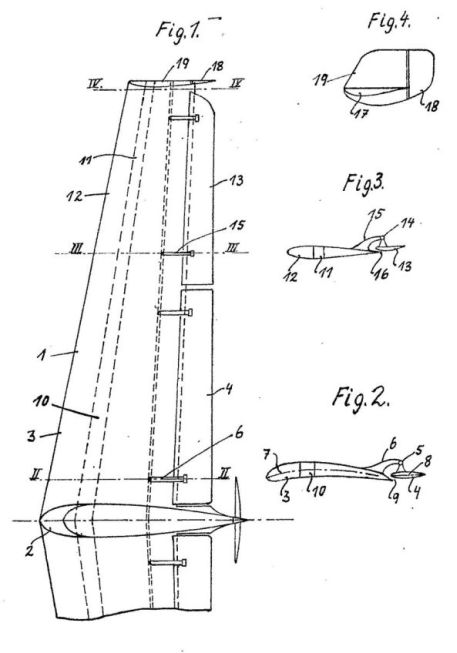
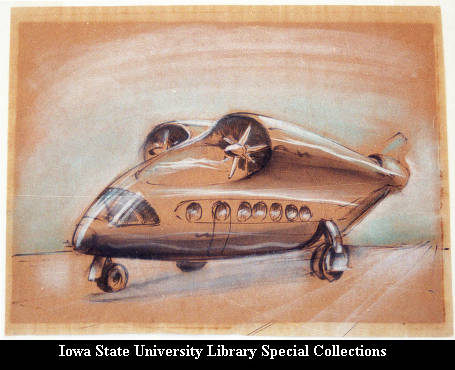
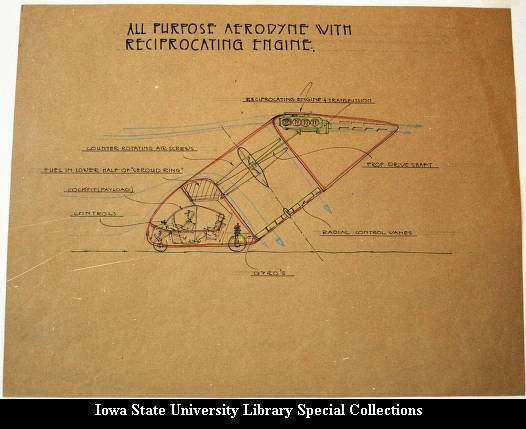
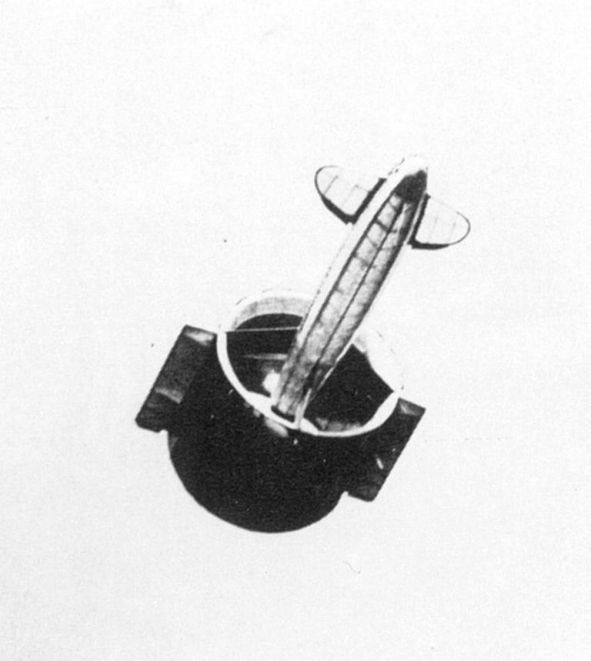
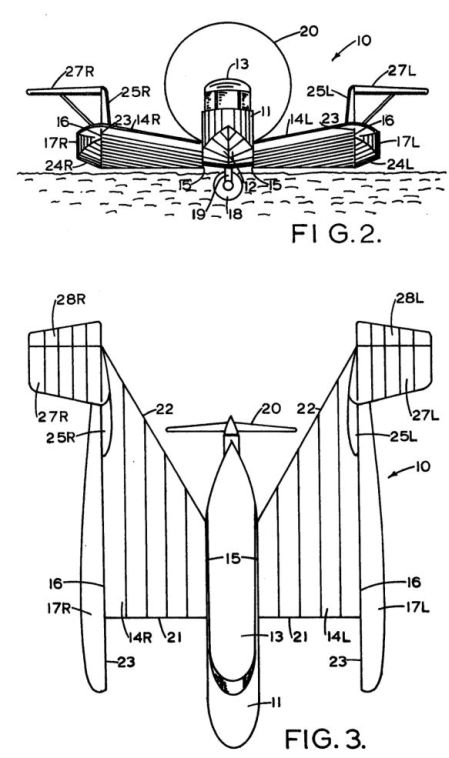
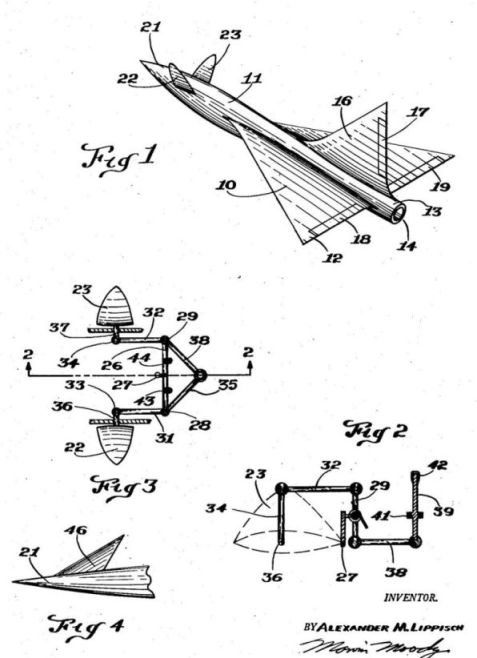
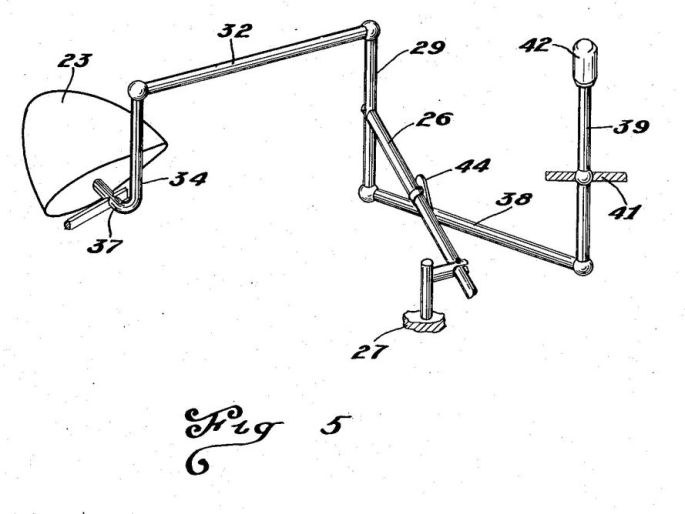
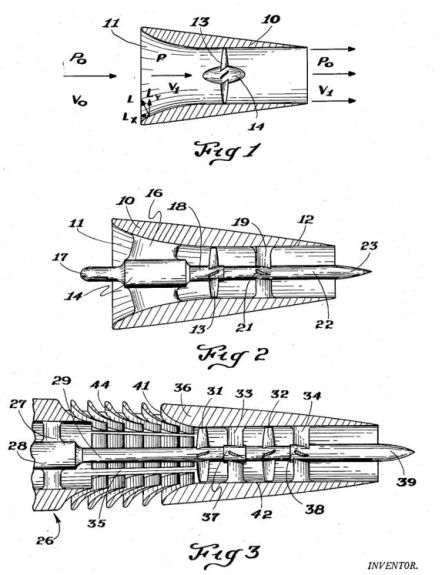
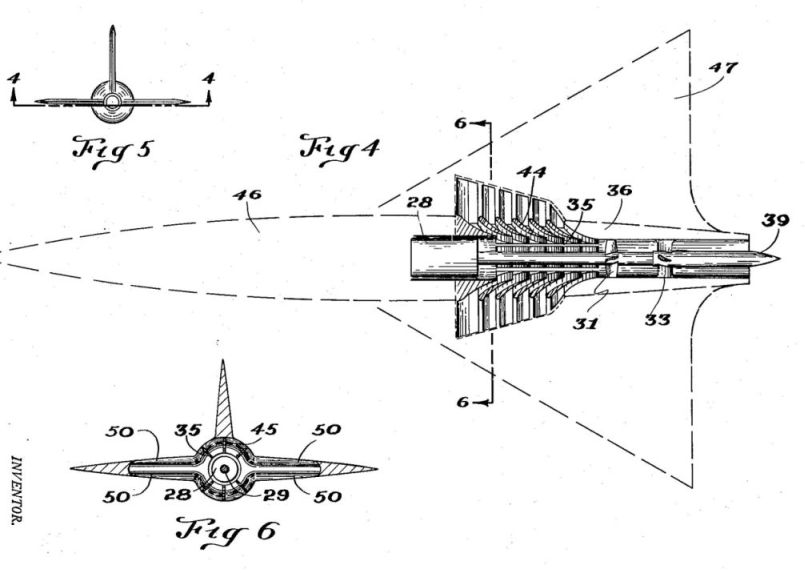
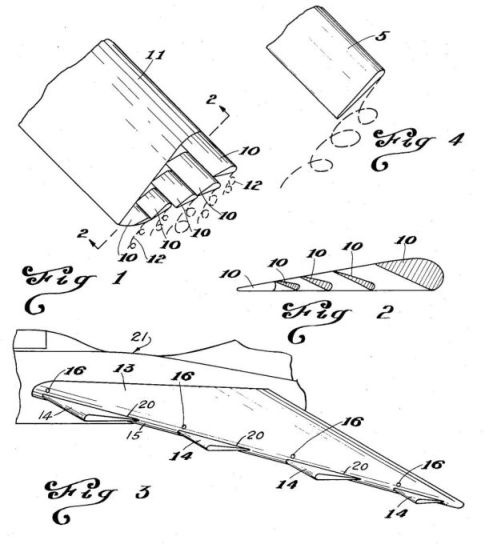
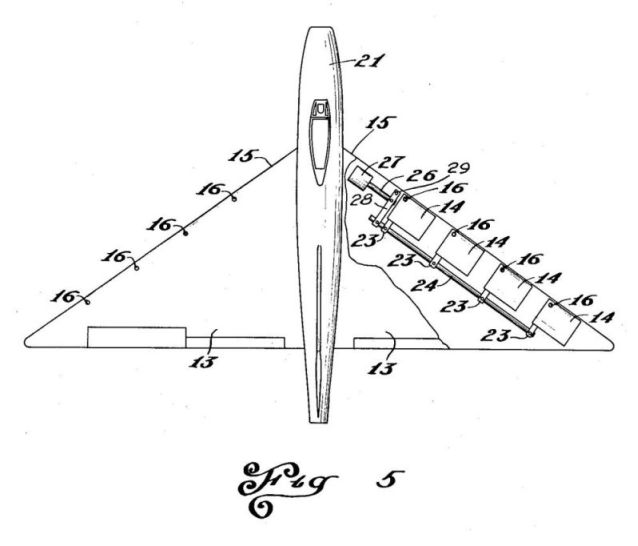
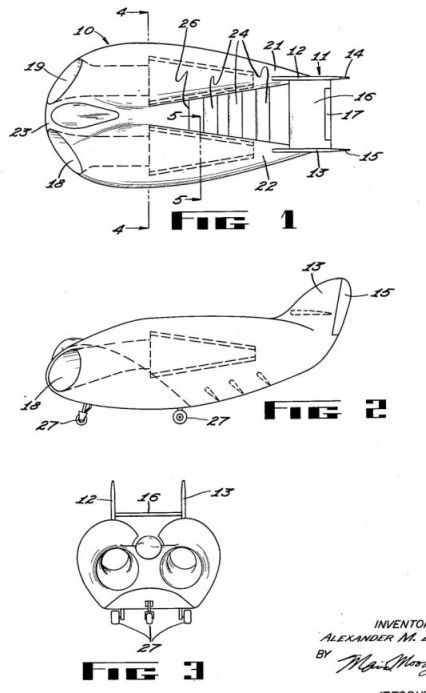
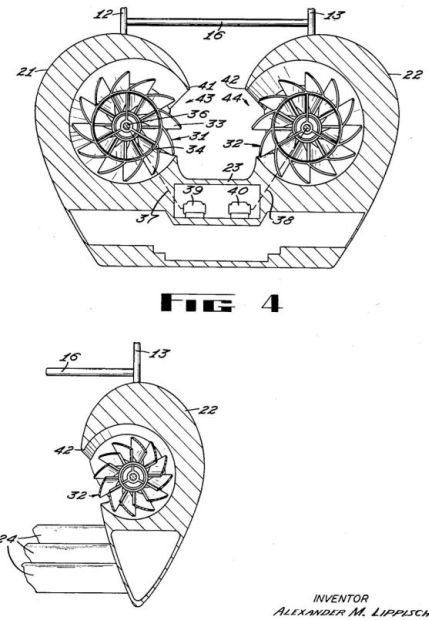
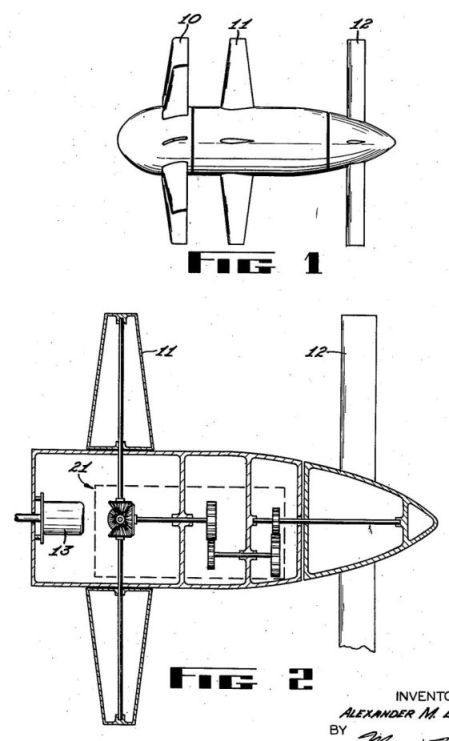
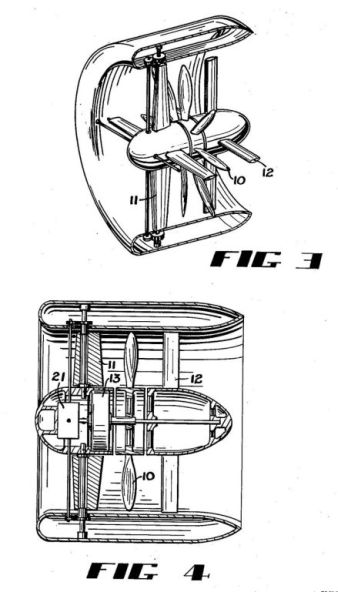
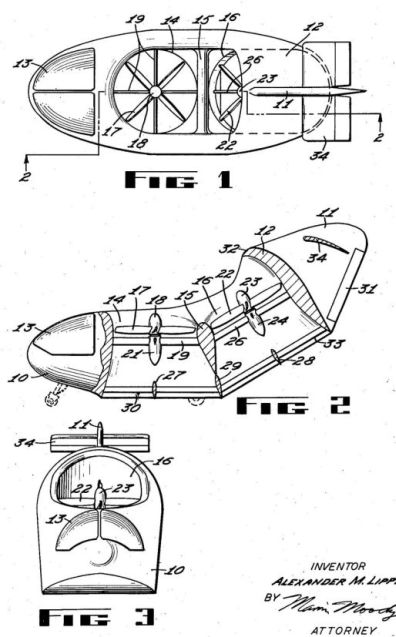
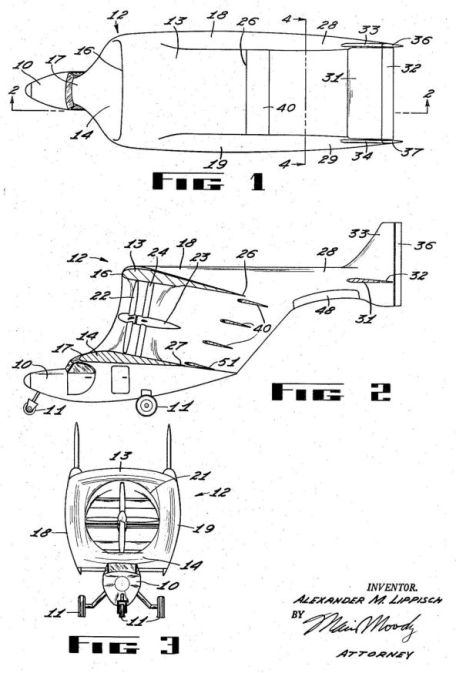
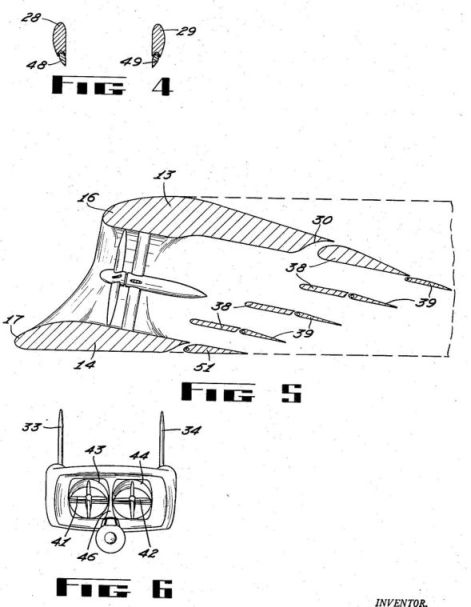
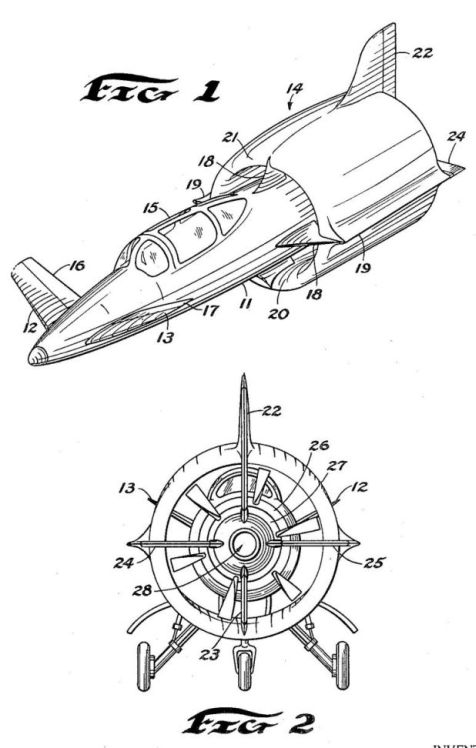
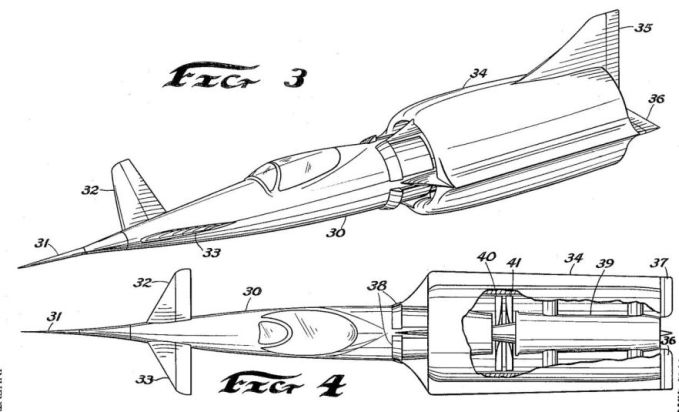
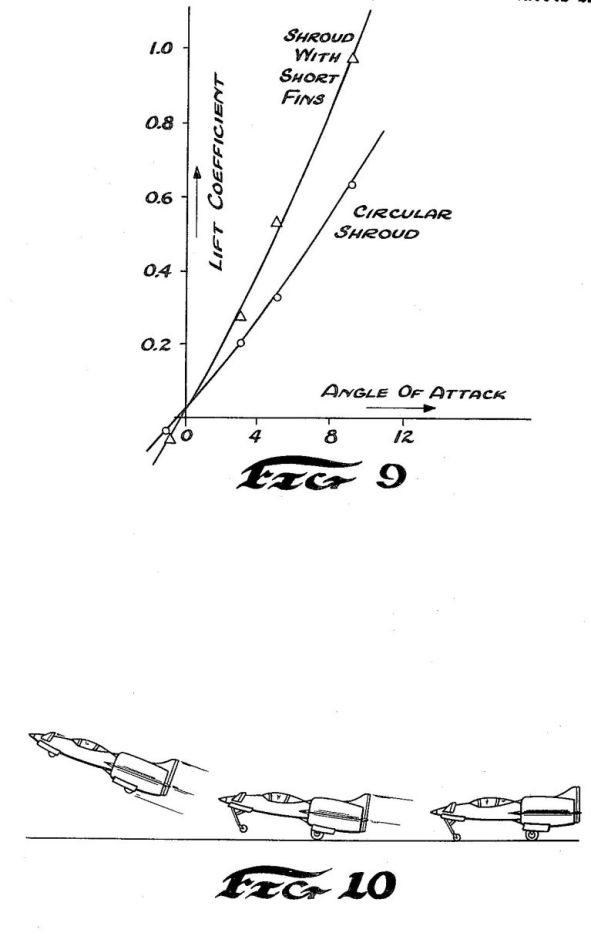
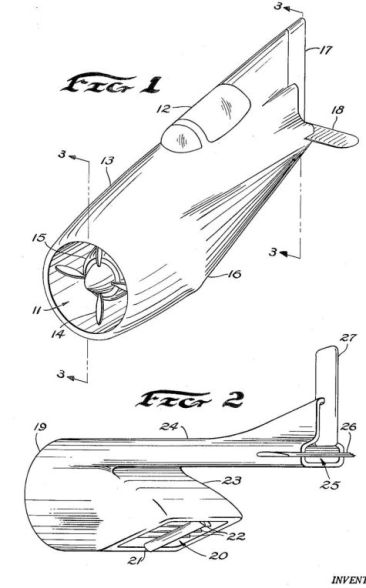
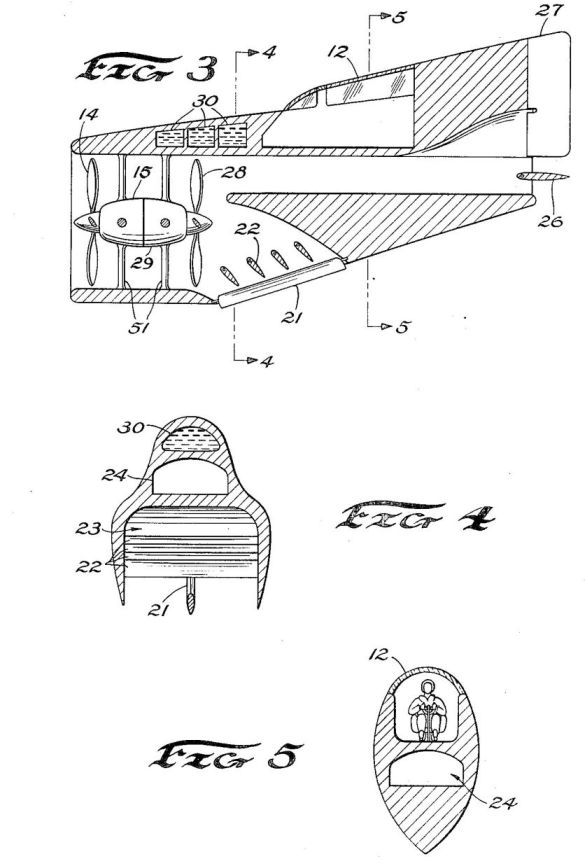
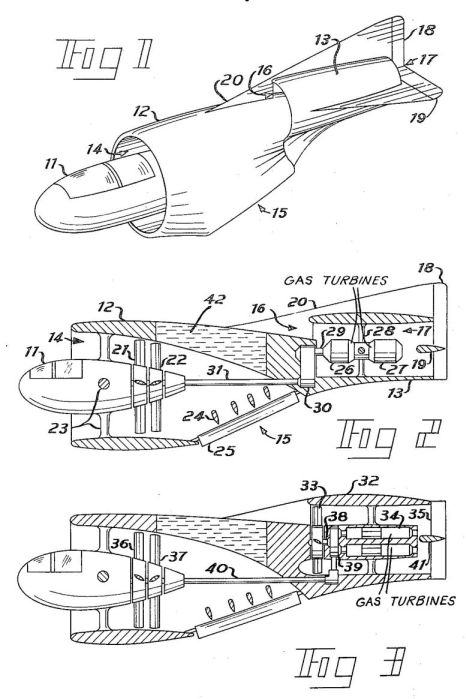
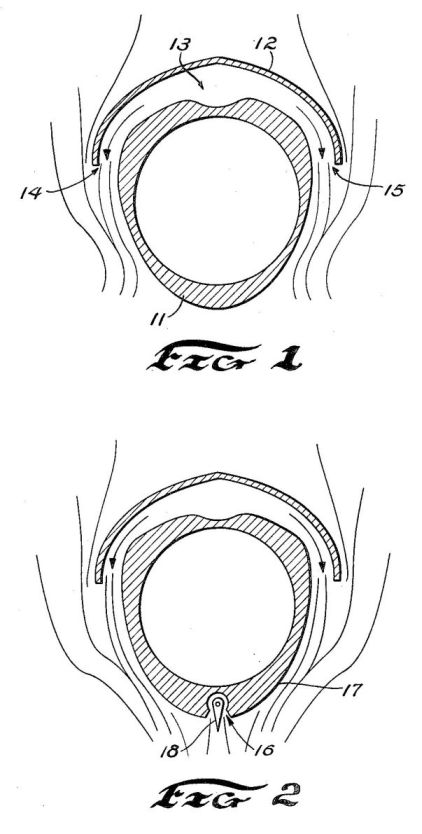
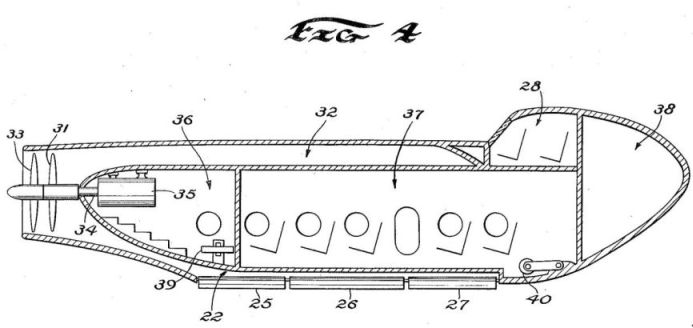
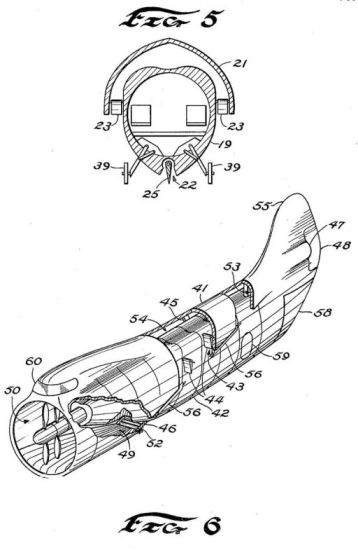
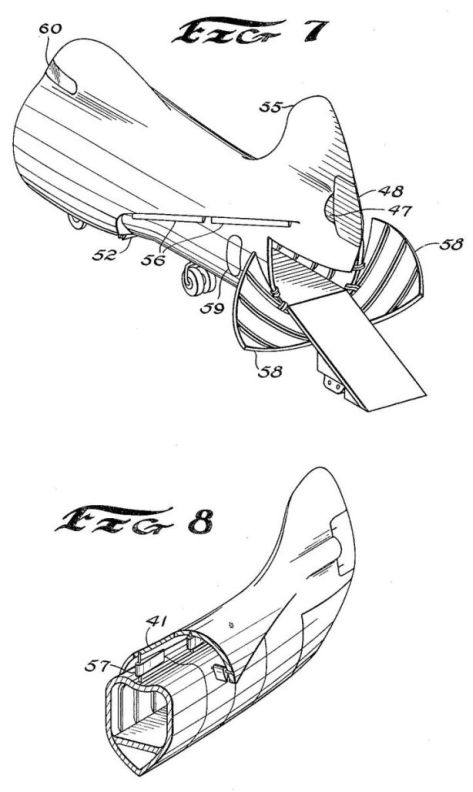
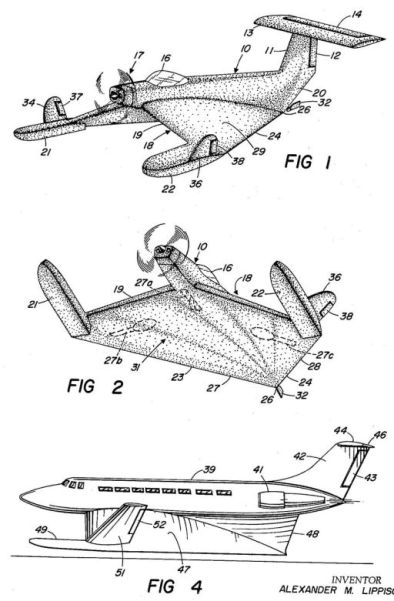
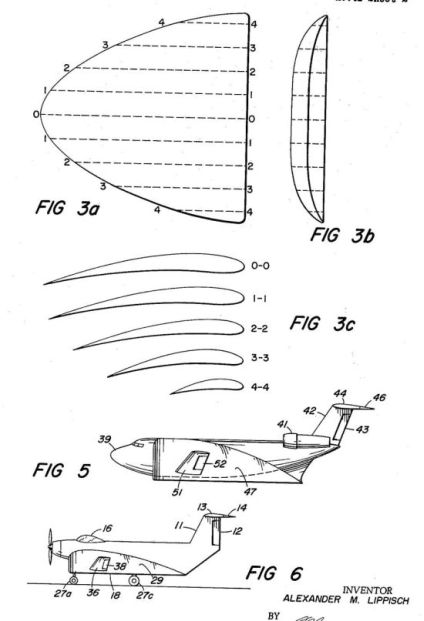
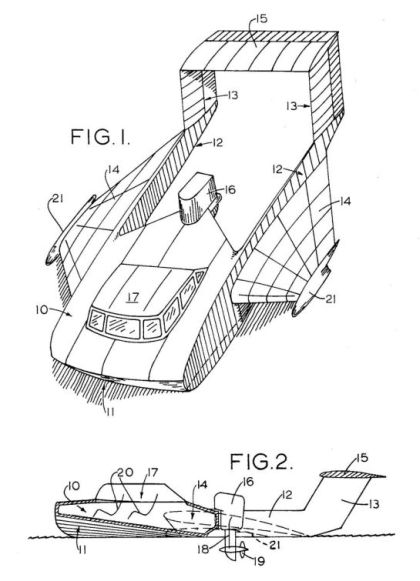
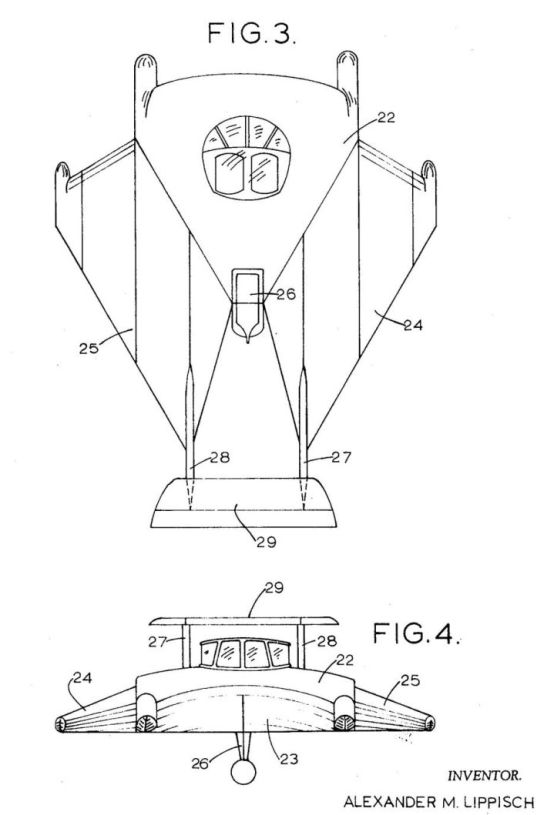
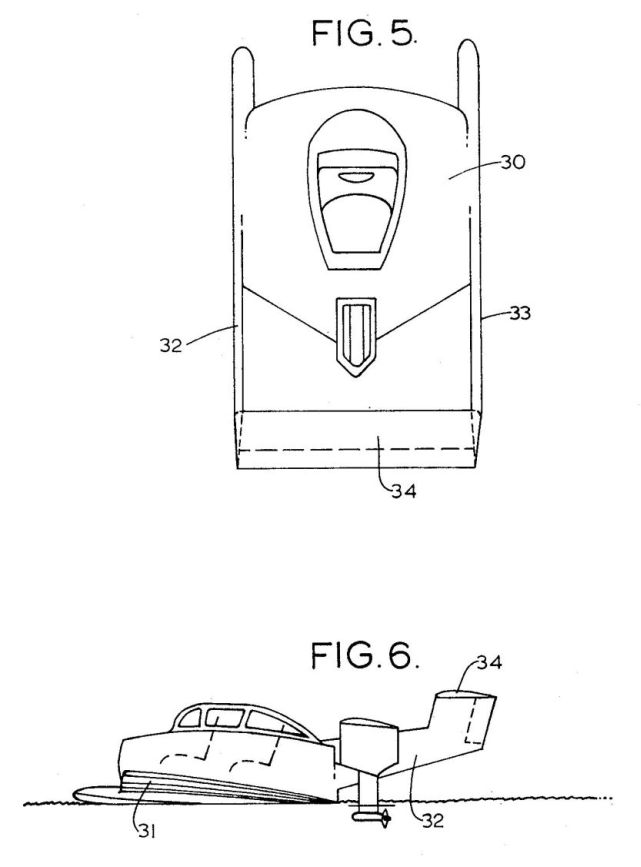
The Aerodyne uses two coaxial shrouded propellers whose downward-deflected slipstream, controlled by flaps, generates lift for VTOL. Additional control is achieved by deflecting part of the slipstream at the tail boom and via propeller-stream flaps. The design promises high thrust-to-weight ratios and the potential for supersonic flight.
Principles
- Aerodynamic lift from ducted fans
- Thrust vectoring via slipstream deflection
- Ground-effect utilization
- Coaxial shrouded propeller dynamics
Scientific Domains
Mechanisms of Action
- Coaxial shrouded propellers generate high-velocity slipstream
- Flaps deflect slipstream downward to produce lift
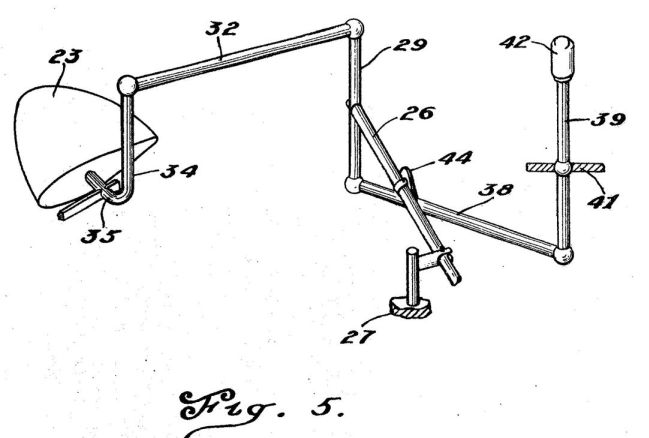
- Tail-boom slipstream deflection provides pitch/yaw control
- Propeller-stream flaps fine-tune thrust direction
Applications
- VTOL drones
- Hovercraft
- High-speed vertical take-off aircraft
Claimed Performance
Outpace conventional aircraft with the same weight-to-power ratio and achieve supersonic speed.
Experimental Evidence
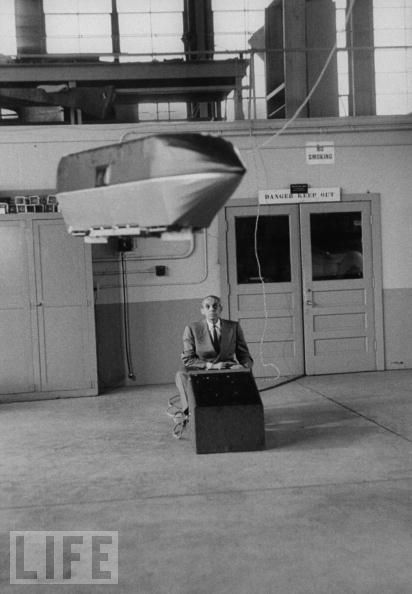
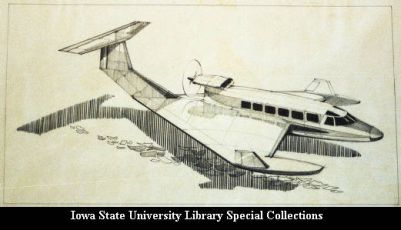
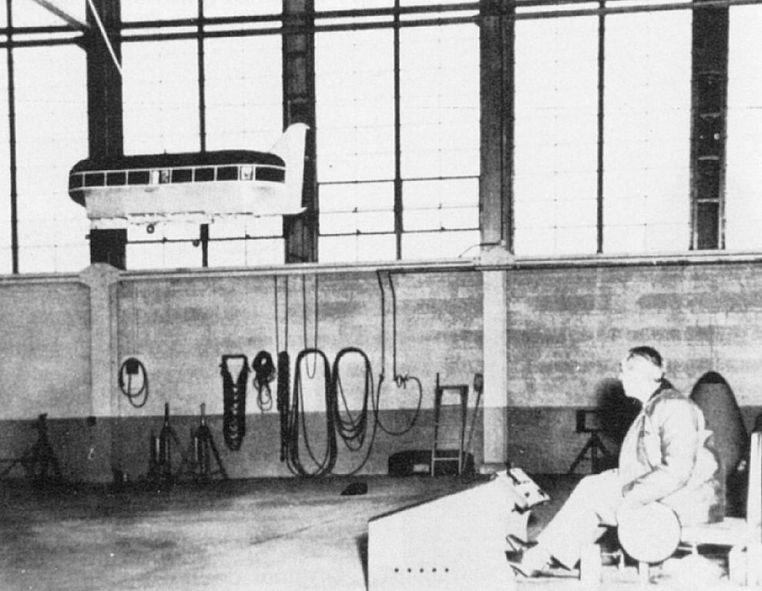
Unmanned Aerodyne prototypes were built and tested; the Dornier aerodyne "E1" was flight-tested in 1972, showing smooth attitude stabilization and minimal ground-effect disturbances.
Replication Status
Prototype built and flight-tested (Dornier E1, 1972).
Limitations
- Only unmanned prototypes built
- No commercial deployment
- Control authority limited to slipstream deflection