Goal
Provide a self-contained soft actuator capable of lifting >1000x its own weight with high strain and stress at low voltage.
Problem
Existing soft actuators require high voltage, external compressors, or have low strain/stress density, limiting untethered soft-robot applications.
Concept Summary
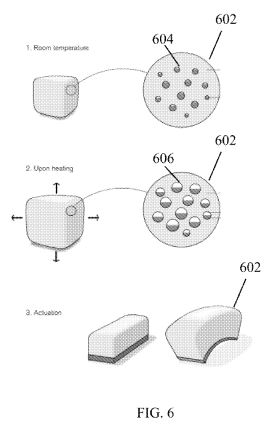
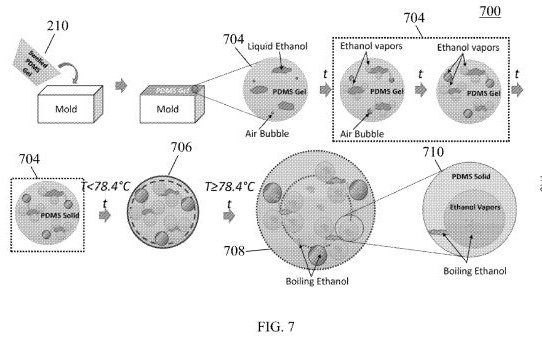
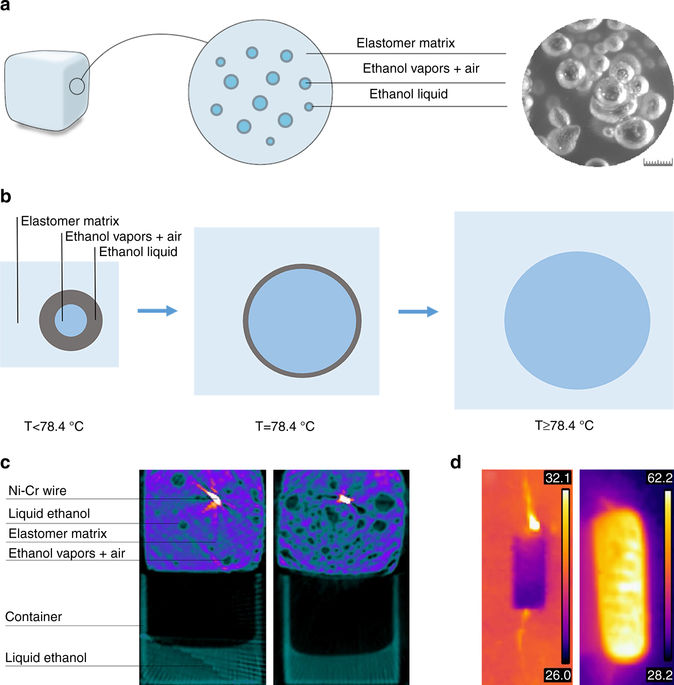
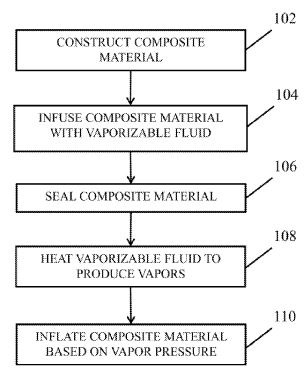
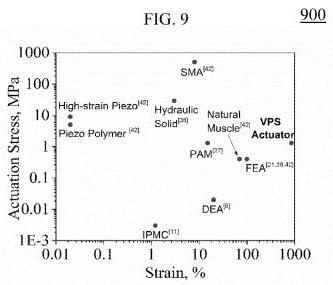
A 3-D-printed composite of silicone elastomer (PDMS) containing ethanol-filled micro-bubbles. Electrical resistive heating vaporizes ethanol, causing rapid bubble expansion and macroscopic actuation. The actuator operates at ~8 V, 1 A, achieving up to 900 % strain and >1 MPa stress while remaining lightweight and low-cost.
Detailed Description
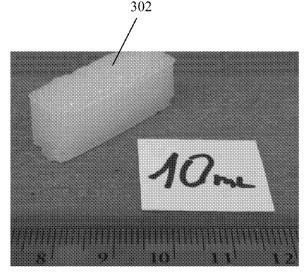
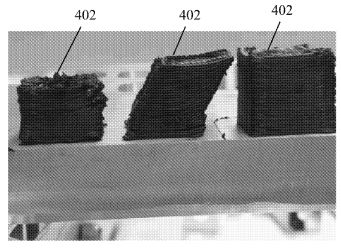
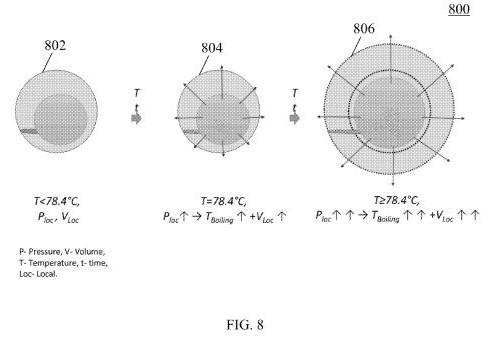
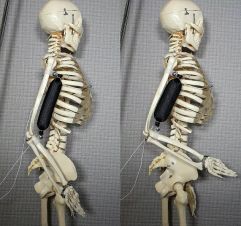
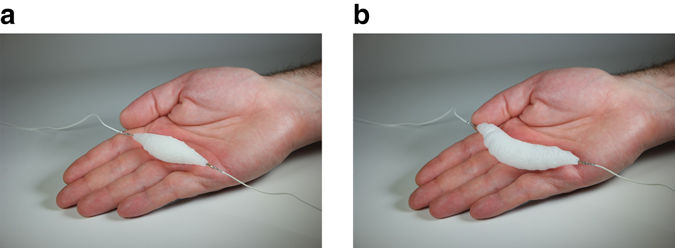
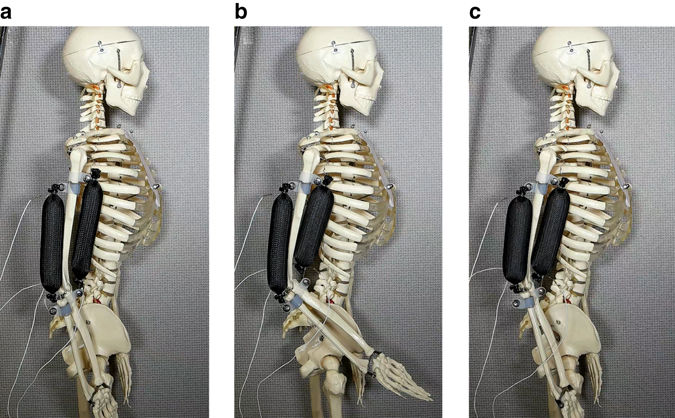
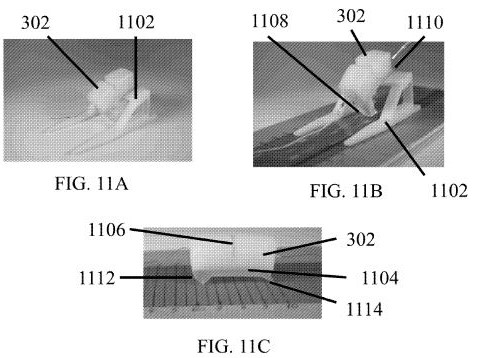
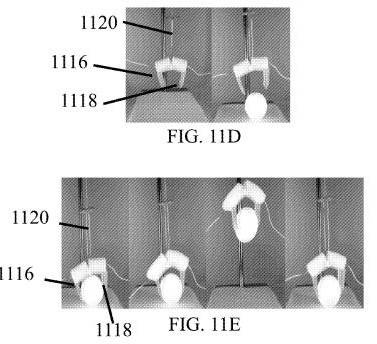
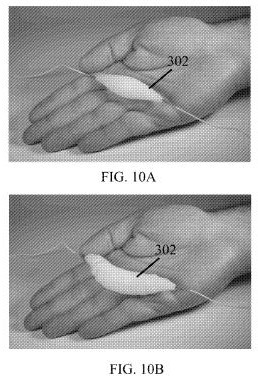
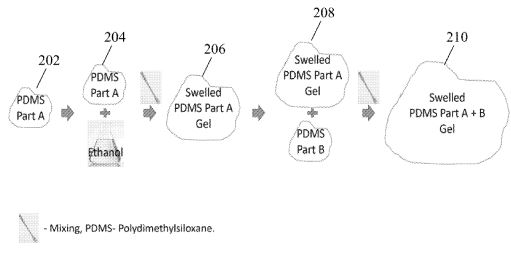
The material is prepared by mixing 20 vol % ethanol into a two-part platinum-catalyzed silicone rubber (Ecoflex 00-50). After hand-mixing, the composite can be cast or 3-D-printed into arbitrary shapes and cures at room temperature. A thin Ni-Cr (NiaCr) resistive wire is embedded in a helical configuration; when a low-voltage current passes through, the wire heats the surrounding matrix, raising the temperature above ethanol's boiling point (78.4 deg C). The phase-change vaporization expands the micro-bubbles, stretching the silicone matrix. Measured performance includes up to 915 % volumetric expansion at 90 deg C, stress up to 1.3 MPa, and the ability to lift a 1 kg load with a 13 g actuator. Demonstrations include a McKibben-type muscle, a bicep-style actuator, and agonist-antagonist pairs, all powered solely by the internal resistive heating.
Principles
- Phase-change (liquid-vapor) expansion
- Thermal actuation via resistive heating
- Elastic deformation of silicone matrix
- Additive manufacturing (3-D printing) of composite
Scientific Domains
Materials
- Silicone elastomer (Ecoflex 00-50, PDMS)
- Ethanol (>=99.5 %)
- Platinum catalyst (part of silicone system)
- Ni-Cr resistive wire (NiaCr)
Mechanisms of Action
- Ethanol vaporization inside micro-bubbles
- Heat generation by Ni-Cr wire
- Elastic recovery of silicone elastomer
Energy Sources
Applications
- Soft humanoid robots
- Medical assistance devices
- Manufacturing automation
Claimed Performance
Strain up to 900 %, stress up to 1.3 MPa, volumetric expansion ~=915 % at 90 deg C, lift ~=1700x its own weight (e.g., 1 kg with 13 g actuator).
Experimental Evidence
Measured 915 % volume expansion at 90 deg C, blocked directional force up to 1.3 MPa, demonstrated lifting of 1 kg with a 13 g actuator, and successful actuation in multiple robot prototypes.
Replication Status
Results published in a peer-reviewed Nature Communications article; experimental data provided by the authors, but no independent replication reported.
Limitations
- Requires electrical heating; limited by ethanol boiling point
- Potential degradation of micro-bubbles over repeated cycles
- Actuation speed constrained by heating/cooling rates
Red Flags
- Heating element may pose burn risk if not insulated
- Ethanol vapor could be flammable in poorly ventilated environments