Goal
To generate living cells and potentially resurrect dead organisms using mineral salt solutions.
Problem
Absence of a method to create life artificially or revive dead tissue.
Concept Summary
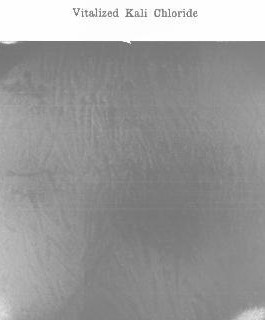
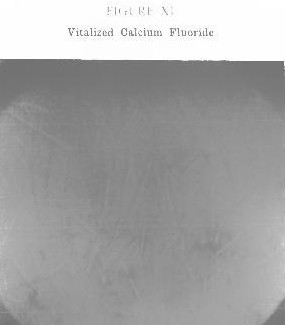
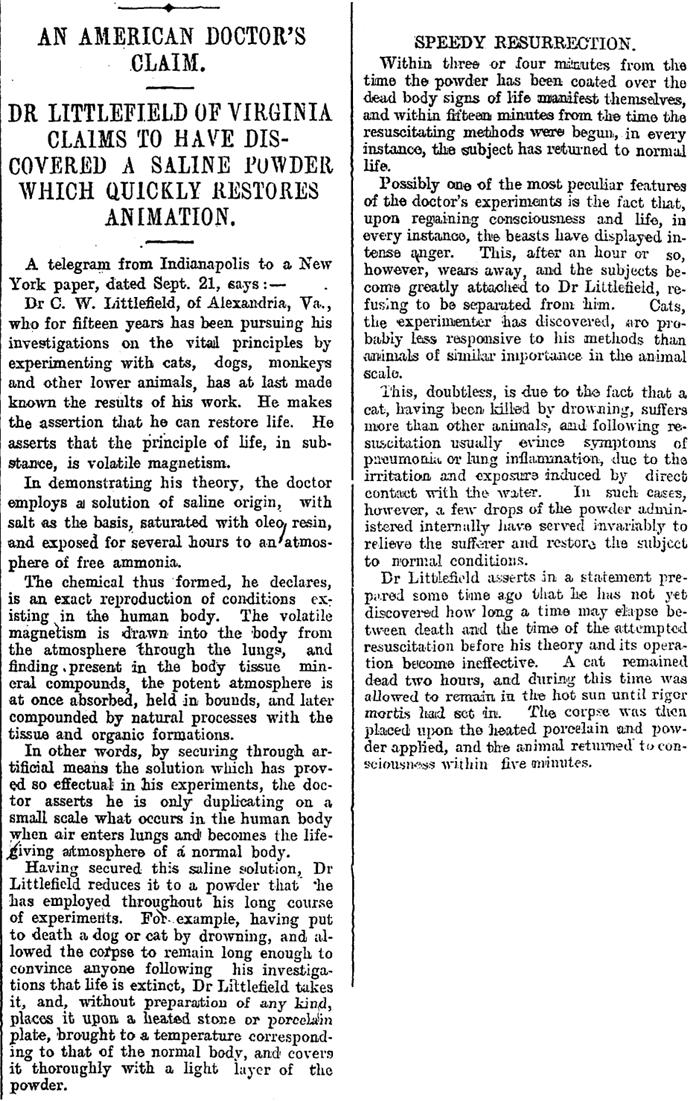
A saline solution saturated with oleo-resin is exposed for several hours to an atmosphere of free ammonia, then reduced to a powder. Repeated recrystallization under monochrome light is claimed to revitalize the salts, producing microscopic cell-like structures and, allegedly, the ability to resurrect dead tissue.
Detailed Description
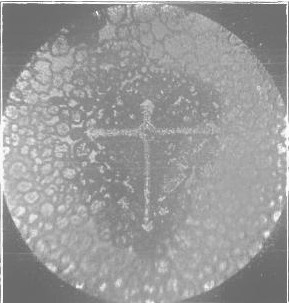
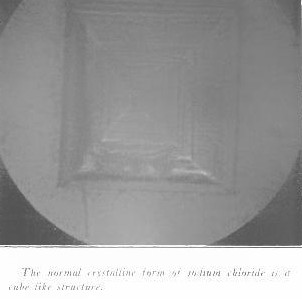
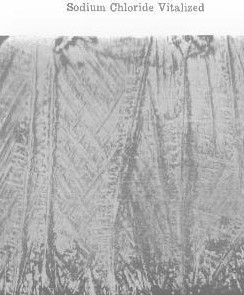
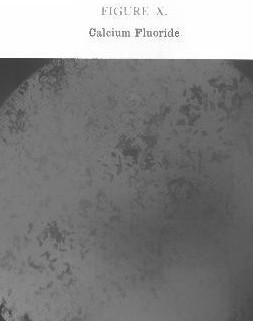
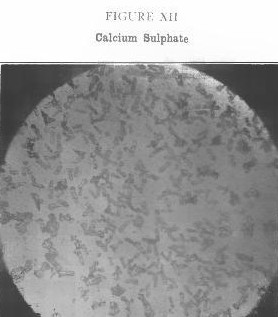
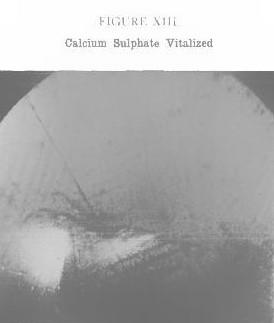
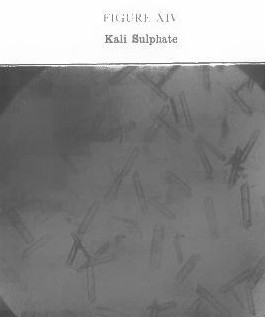
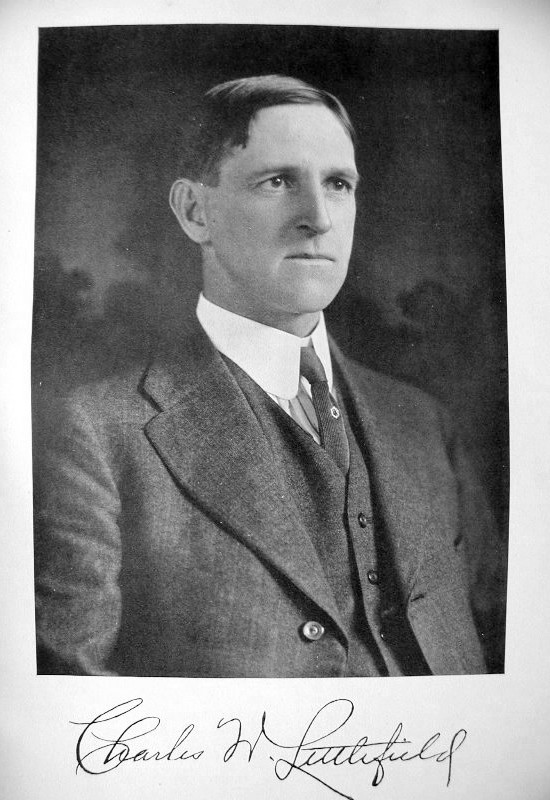
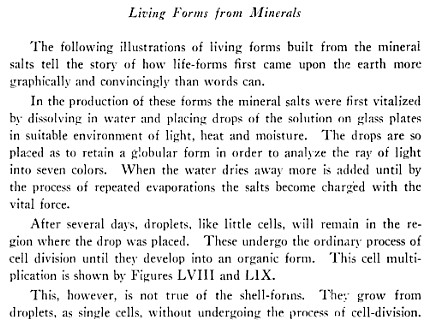
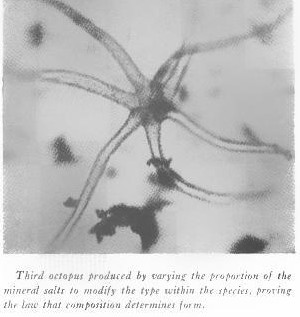
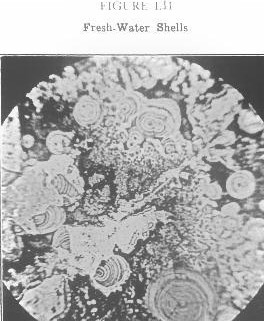
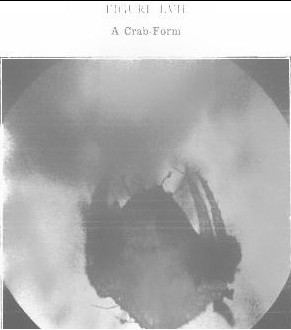
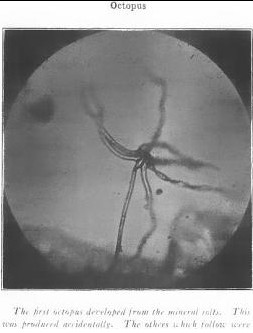
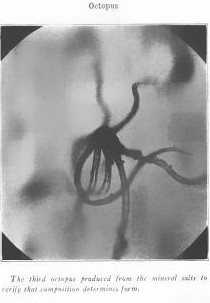
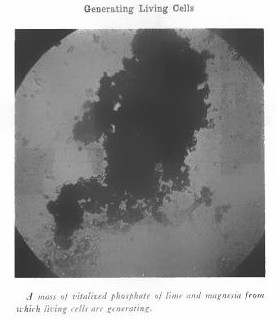
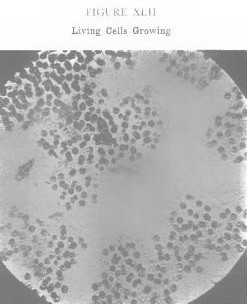
The process begins with common table salt (sodium chloride) dissolved in distilled water, to which 90 % alcohol is added. A portion of this solution is transferred to shallow dishes, then aqua-ammonia is stirred in and the dishes are placed under a bell jar containing ammonia gas. Bubbles of hydrogen form, followed by the appearance of transparent cubic sodium-chloride crystals and later hexagonal crystals. According to Littlefield, these hexagonal crystals transform into smooth, disk-shaped cells that resemble red blood cells, which then develop pseudopodia and even insect-like forms. The entire cycle is repeated under monochrome light to "revitalize" the mineral salts, producing a powder claimed to have resurrective properties.
Principles
- Crystallization
- Photochemical activation
- Chemical reaction with ammonia
- Ether vibration theory
- Abiogenesis
Scientific Domains
Materials
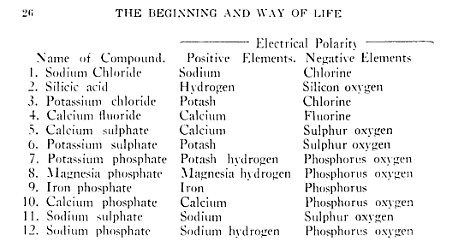
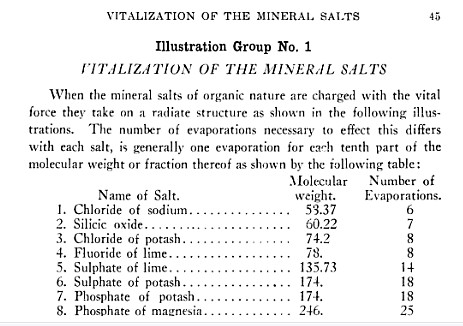
- Sodium chloride
- Potassium chloride
- Calcium fluoride
- Calcium sulfate
- Potassium sulfate
- Potassium phosphate
- Magnesium phosphate
- Ferric phosphate
- Calcium phosphate
- Sodium sulfate
- Sodium phosphate
- Silica gel
- Alcohol (90 % pure)
- Aqua ammonia
- Distilled water
- Oleoresin
Mechanisms of Action
- Saturation of mineral salts with oleo-resin
- Exposure to ammonia gas
- Recrystallization under monochrome light
- Formation of hexagonal crystals that purportedly become cell-like structures
Energy Sources
Applications
- Medical resuscitation
- Synthetic life generation
- Biological research
Claimed Performance
The powder allegedly can resurrect dead organisms; the process produces living cells and even insect-like forms from mineral salts.
Experimental Evidence
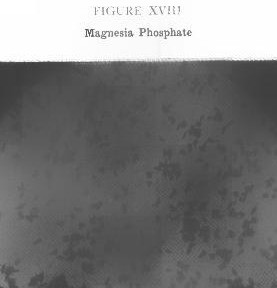
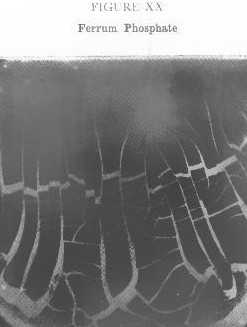
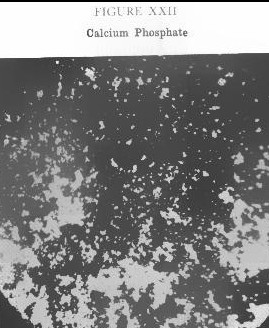
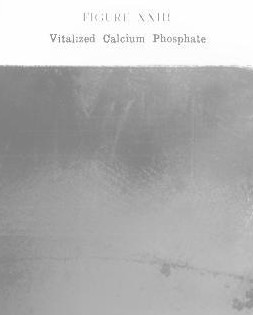
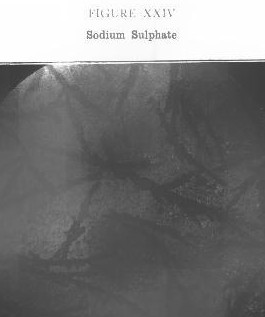
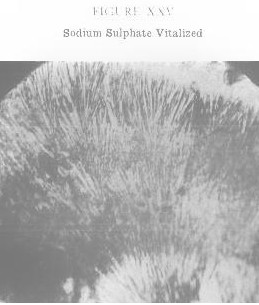
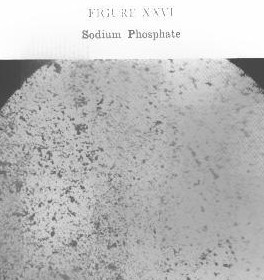
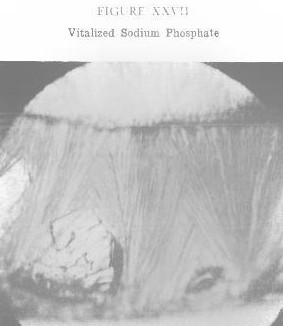
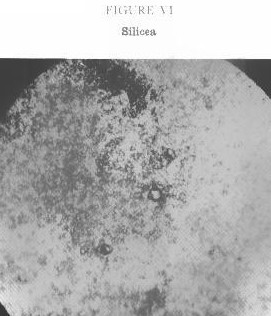
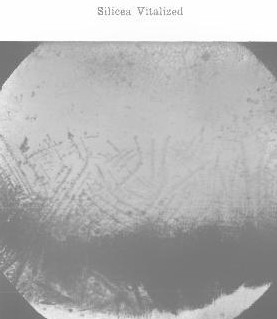
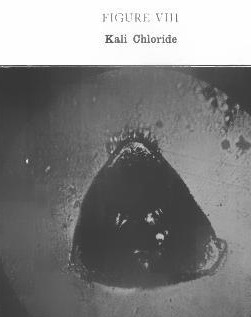
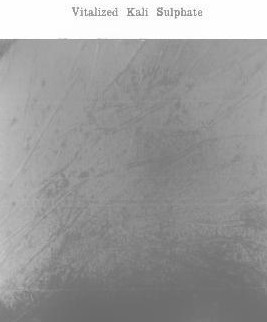
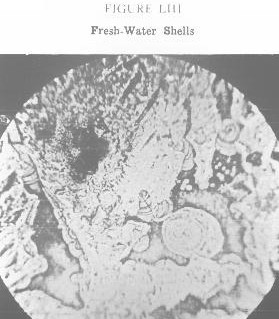
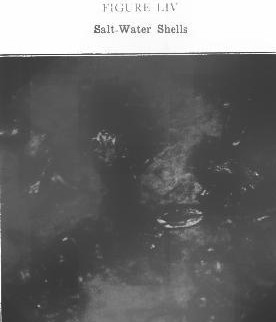
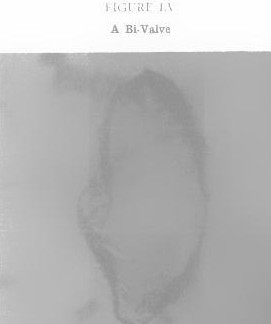
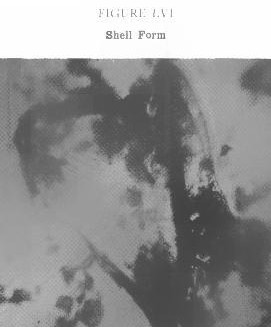
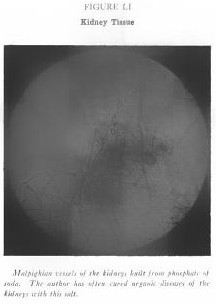
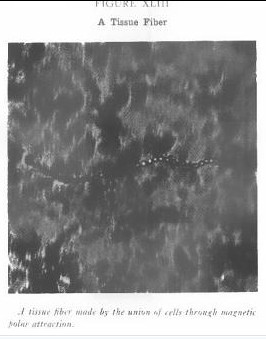
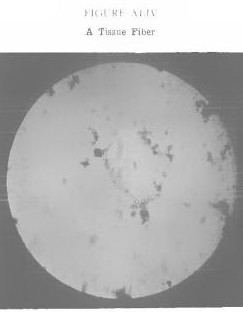
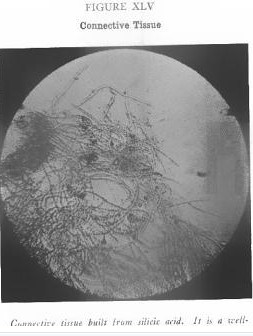
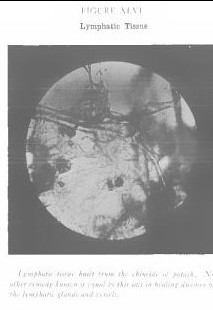
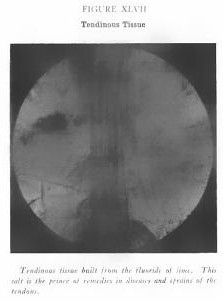
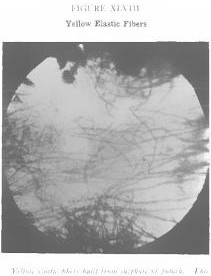
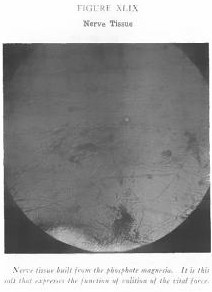
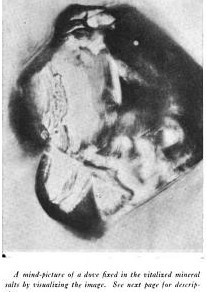
Photographic documentation of before/after crystallization and microscopic images of cell-like structures; anecdotal claim of resurrecting dead tissue.
Replication Status
The author of the review performed the experiment multiple times with similar observations, but no independent, peer-reviewed replication is reported.
Limitations
- Lack of reproducible, peer-reviewed data
- Potential contamination not ruled out
- Mechanism relies on discredited ether vibration theory
- No quantitative performance metrics
Red Flags
- Extraordinary claim of resurrecting the dead without rigorous evidence
- Use of outdated ether theory
- Reliance on anecdotal photographs rather than controlled experiments