Goal
To stimulate the patient's own immune system to recognize and combat cancer cells.
Problem
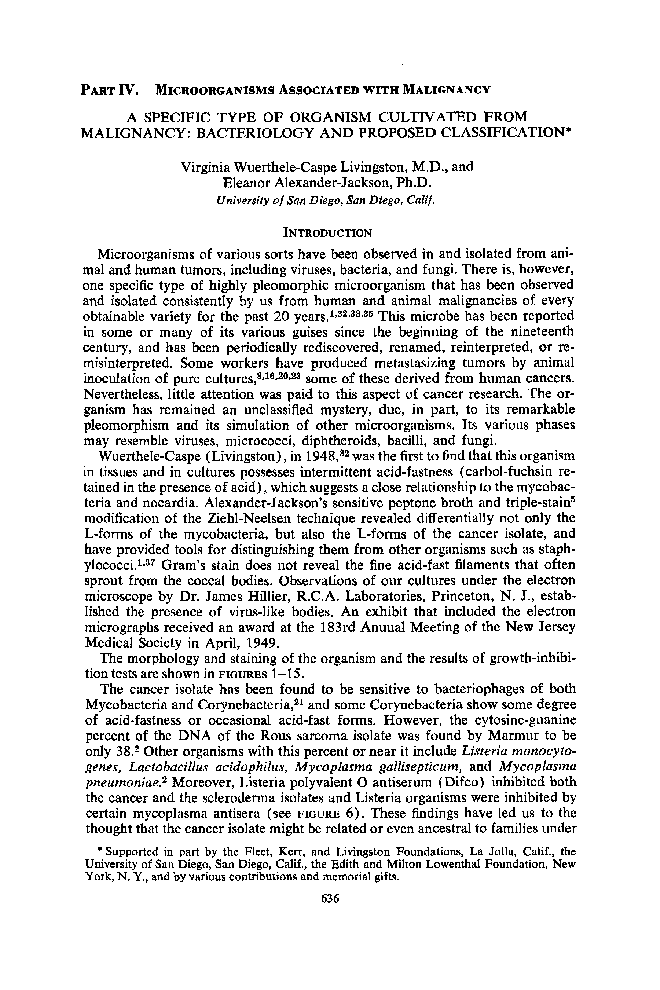
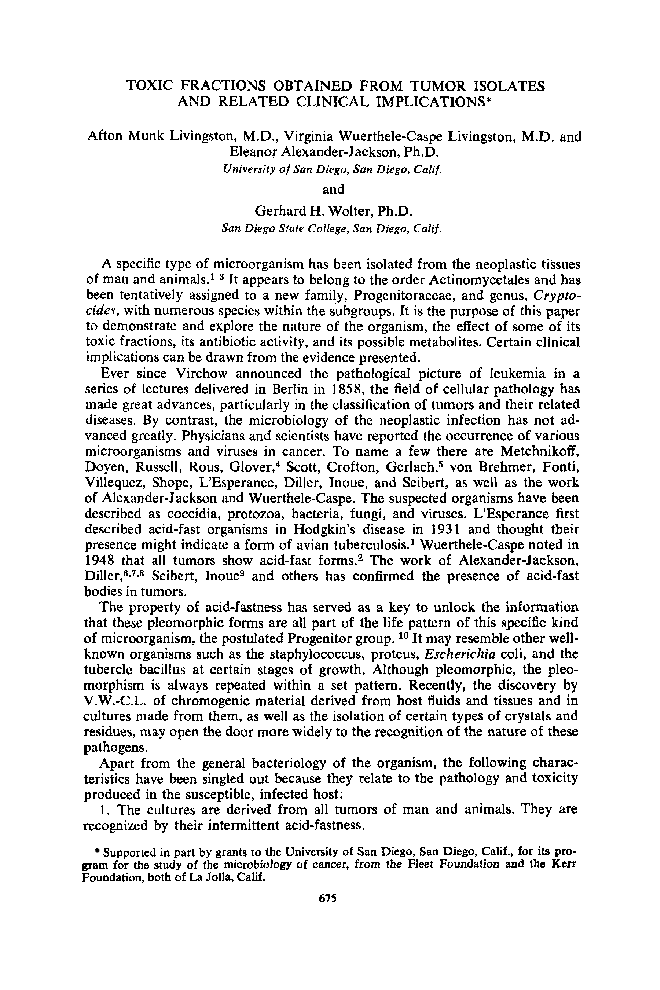
Cancer presumed to be caused by a specific bacterium (Progenitor cryptocides); lack of effective immunotherapeutic treatments.
Concept Summary
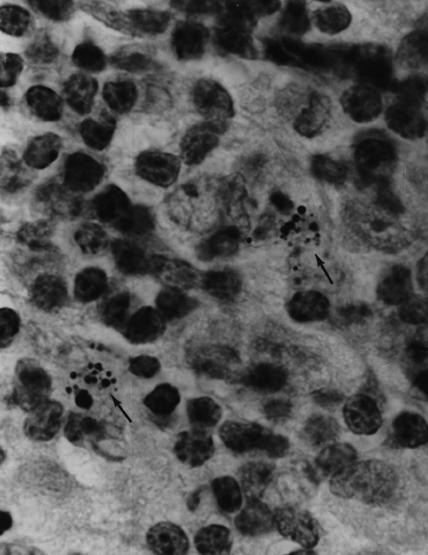
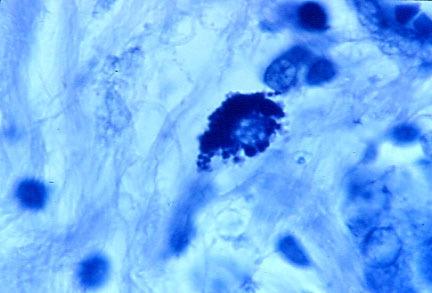
Livingston's therapy involves isolating bacteria from a cancer patient's urine and blood, culturing them, and preparing an autogenous (patient-specific) vaccine intended to provoke an immune response against the tumor.
Detailed Description
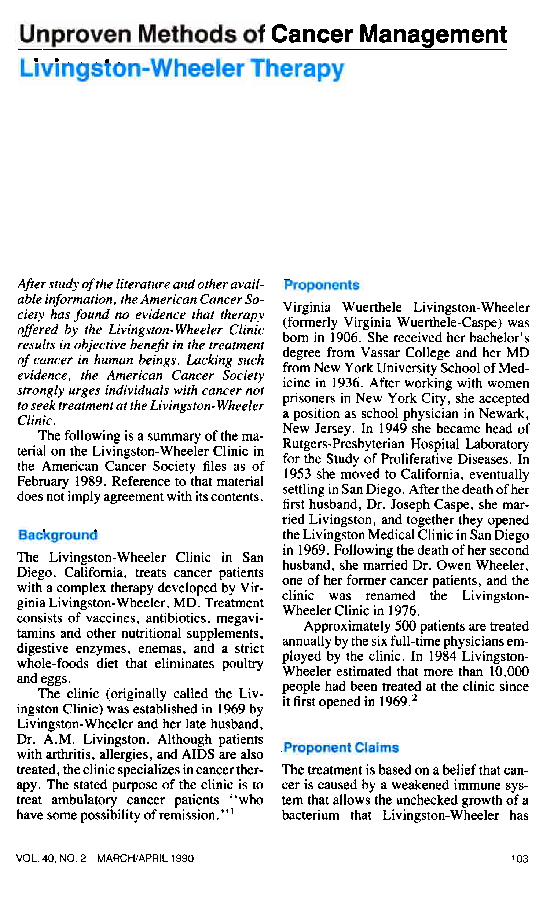
The method extracts bacterial isolates from tumor-related bodily fluids, grows them in culture, and formulates an injectable vaccine. The vaccine is not an anti-cancer drug per se but an immunomodulator meant to enhance host immunity. The approach was patented (US 4692412) and administered at the Livingston-Wheeler Clinic, but it has never been validated by mainstream clinical trials.
Principles
- Autologous vaccination
- Bacterial antigen stimulation
- Immunomodulation
Scientific Domains
Materials
- Patient-derived cancer bacteria (cell wall-deficient forms)
- Urine sample
- Blood sample
Mechanisms of Action
- Introduction of patient-derived bacterial antigens to activate adaptive immunity
- Stimulation of innate immune pathways via bacterial cell wall-deficient forms
Applications
- Cancer treatment
- Immunotherapy
- Personalized vaccine development
Claimed Performance
Up to 83 % success rate claimed by proponents.
Experimental Evidence
The article provides no quantitative data or peer-reviewed studies; claims are based on anecdotal reports and the author's opinion.
Replication Status
No independent replication or clinical trial data reported.
Limitations
- Lack of peer-reviewed clinical data
- Unclear safety profile of autogenous bacterial vaccine
- Regulatory approval not obtained
Red Flags
- Claims of bacterial cause of cancer not supported by mainstream science
- Use of an unapproved autogenous vaccine
- Potential for fraudulent or unsubstantiated medical claims