Goal
Create a generator that produces a single, isolated magnetic pole for use in power generation, propulsion, fusion research and other electromagnetic applications.
Problem
Conventional electromagnets generate bipolar (north-south) fields and cannot isolate a single magnetic pole for separate use.
Concept Summary
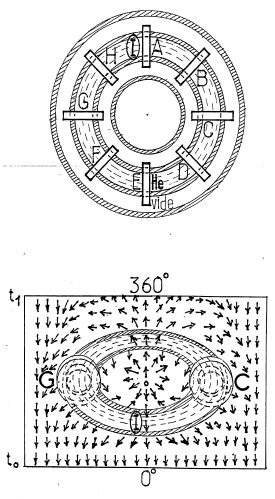
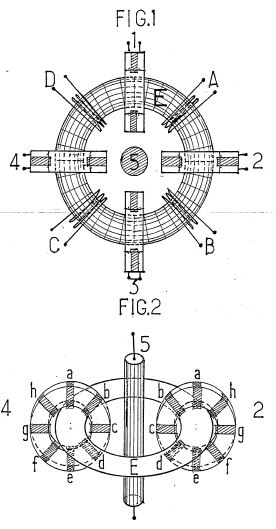
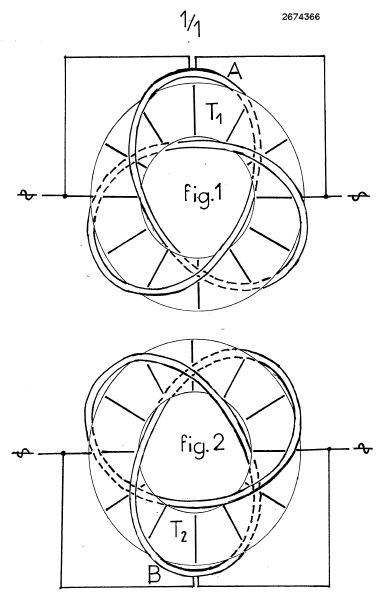
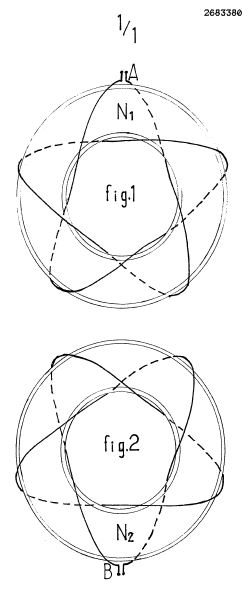
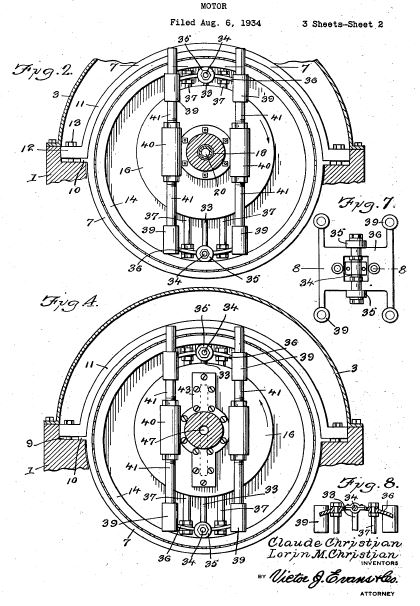
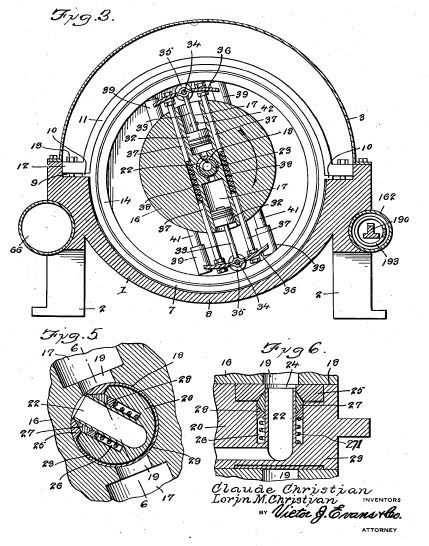
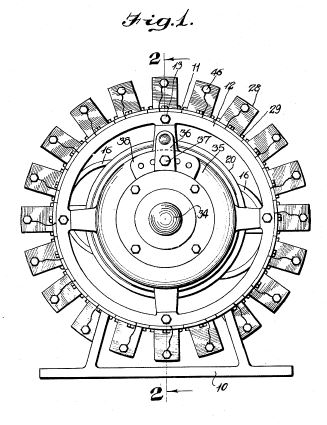
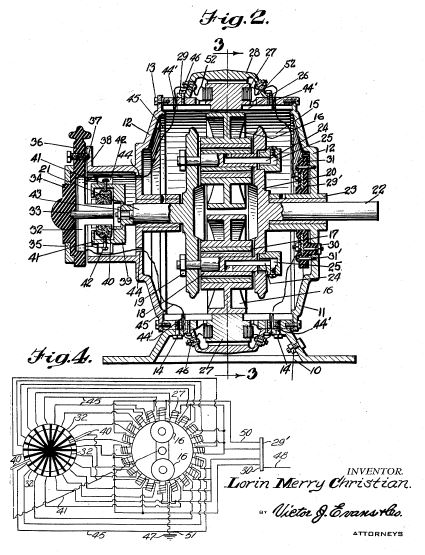
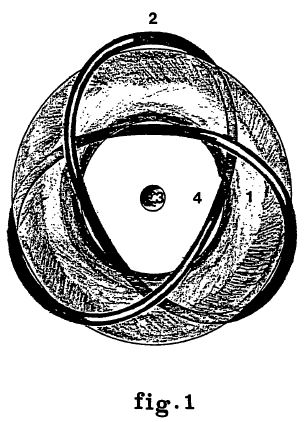
The invention uses an insulating hollow torus on which ambidextrous nodal turns of conductive wire are wound. A magnetic-alloy sphere is mounted on the pole by an insulating disk, producing a monopolar magnetic field. Variants with left-hand or right-hand nodal geometry allow the pole to be north or south. The device can be rotated to act as an electrodynamic generator, and the toroidal core can be combined with pentagonal windings to increase field intensity.
Detailed Description
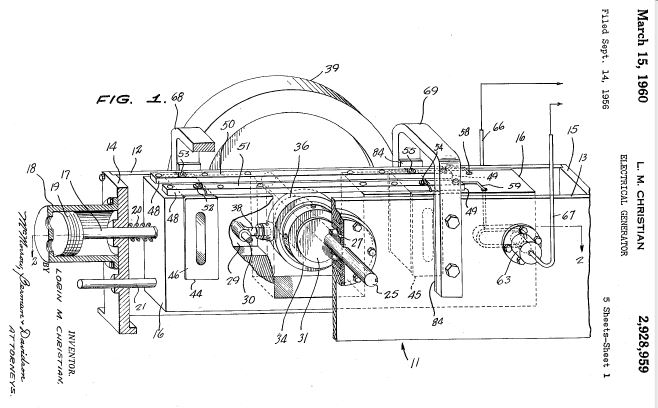
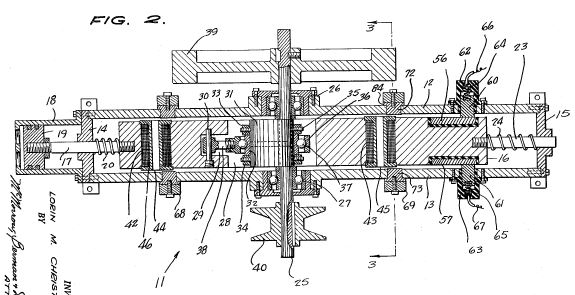
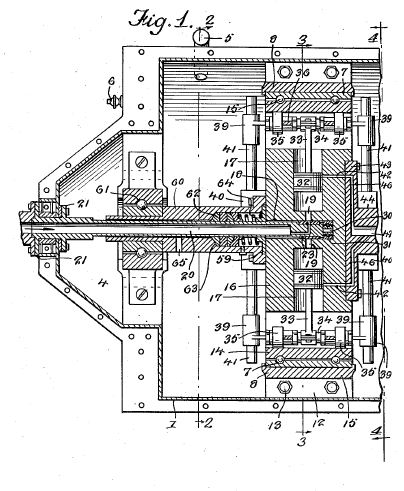
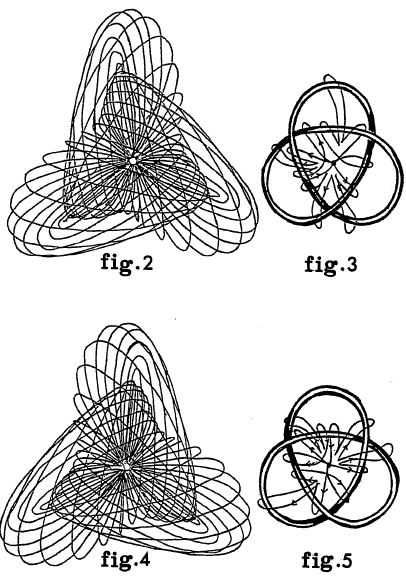
The monopolar electromagnet consists of (1) an insulating hollow torus core, (2) conductive nodal turns wound in a node-like geometry (straight, left-hand, or right-hand), (3) a magnetic induction sphere of alloy placed at the pole, and (4) an insulating disk securing the sphere. Current flowing through the nodal turns creates an asymmetric magnetic field that is isolated to a single pole. By rotating the torus about its symmetry axis, the device functions as a generator. A second embodiment replaces the spherical core with a toroidal magnetic induction ring and uses a five-loop pentagonal winding to further concentrate and amplify the field. Additional patents describe related machines employing toroidal rotors for magnetic levitation, electro-toroidal capacitors, soliton resonance in superfluid helium, and toroidal oscillating circuits for focused electromagnetic wave generation.
Principles
- Electromagnetic induction
- Magnetic field geometry and asymmetry
- Ambidextrous nodal coil topology
- Magnetic levitation (in related patents)
- Resonant waveguide effects
Scientific Domains
Materials
- Insulating ceramic or polymer for torus
- Conductive copper wire
- Magnetic alloy (e.g., NdFeB) sphere
- Insulating disk (e.g., PTFE or ceramic)
Mechanisms of Action
- Generation of a monopolar magnetic field via toroidal nodal winding
- Conversion of mechanical rotation to electrical energy (electrodynamic generation)
- Magnetic levitation through balanced magnetic forces
- Field concentration using pentagonal coil geometry
Energy Sources
Applications
- Electric power generation
- Spacecraft propulsion
- Nuclear fusion confinement
- Electric motors and generators
- Transformers and resonators
- Communications systems (focused EM waves)
Claimed Performance
Produces an isolated north or south magnetic pole; pentagonal winding increases field intensity and power proportionally to wire length; capable of acting as generator, motor, transformer, resonator.
Limitations
- No publicly disclosed experimental data or performance metrics
- Manufacturing of precise toroidal nodal windings may be complex
- Scalability and efficiency not demonstrated