Goal
Use programmable DNA sequences to direct the growth of gold nanoparticles into predetermined shapes.
Problem
Lack of simple, reliable methods to produce metal nanoparticles with defined shapes, which dictate their optical, catalytic and biomedical properties.
Concept Summary
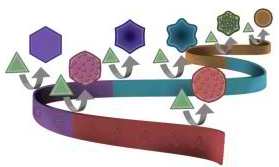
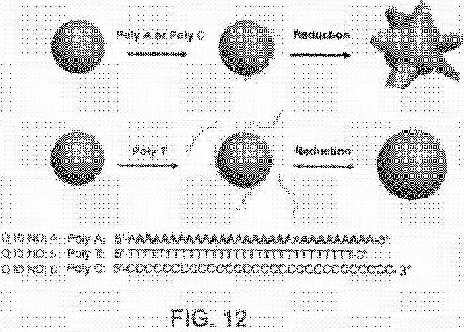
Short DNA oligomers are adsorbed onto gold nanoseeds before metal deposition. The nucleotide composition (poly-A, poly-T, poly-C, poly-G) binds preferentially to specific crystal facets, biasing anisotropic growth and yielding distinct morphologies such as stars, hexagons, discs, and nanoflowers.
Detailed Description
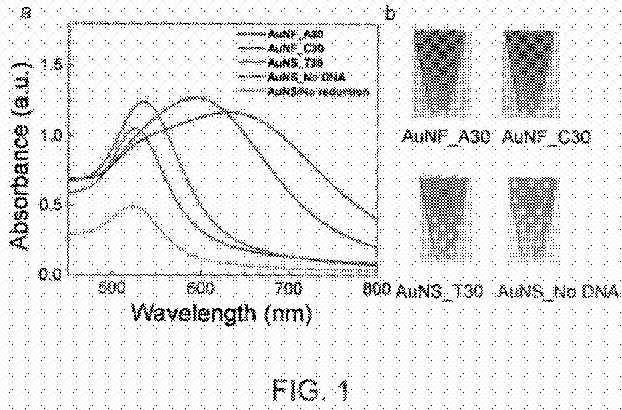
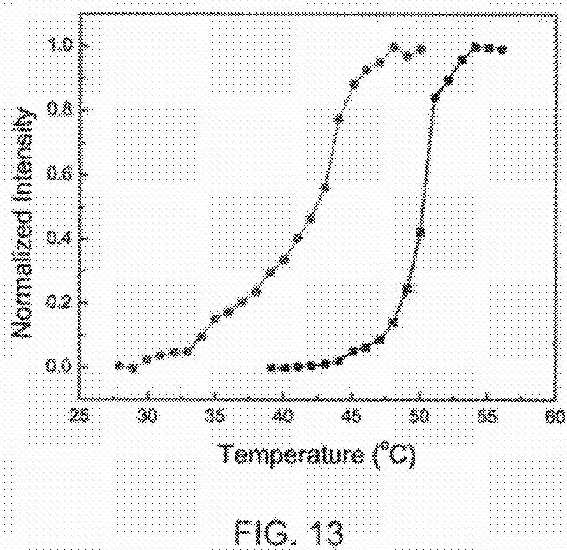
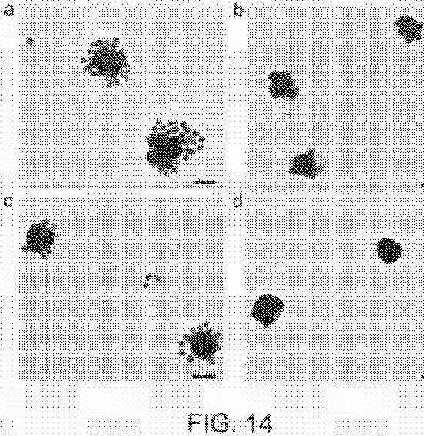
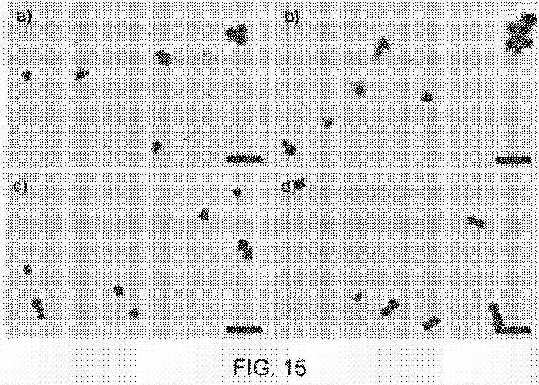
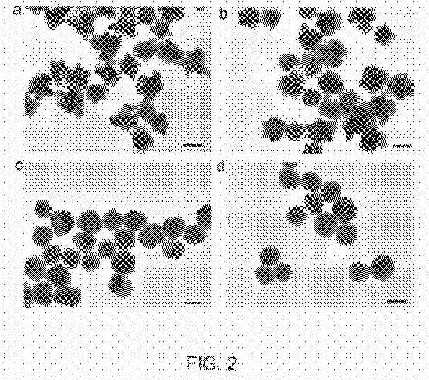
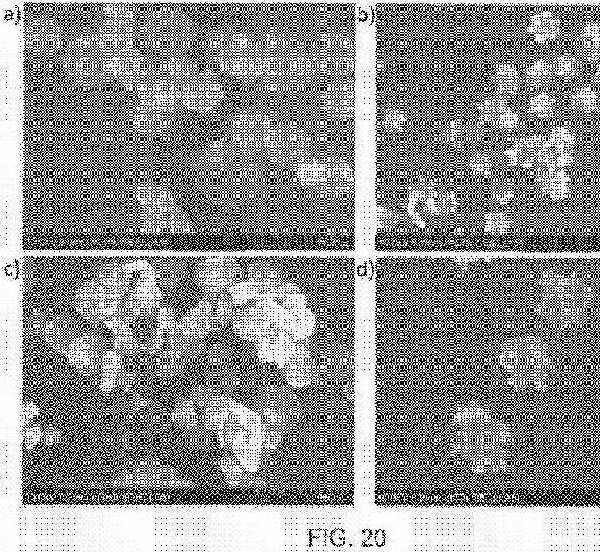
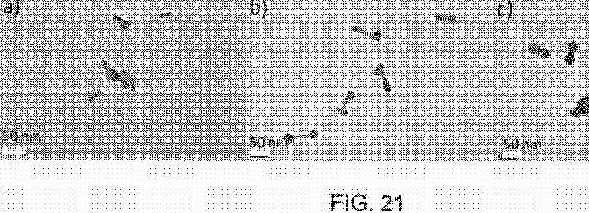
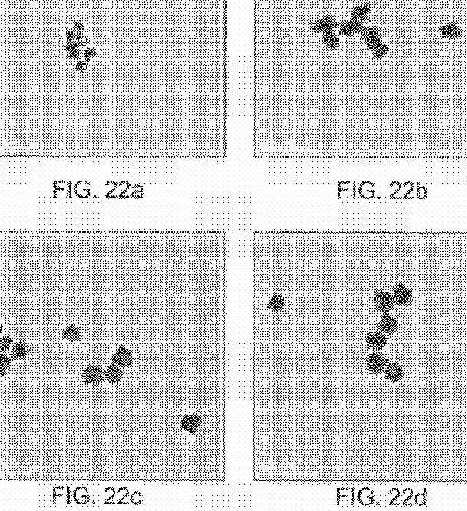
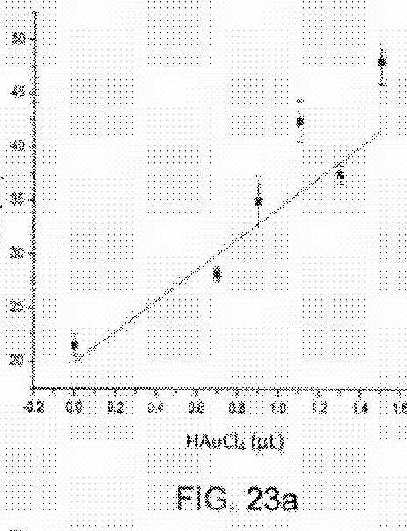
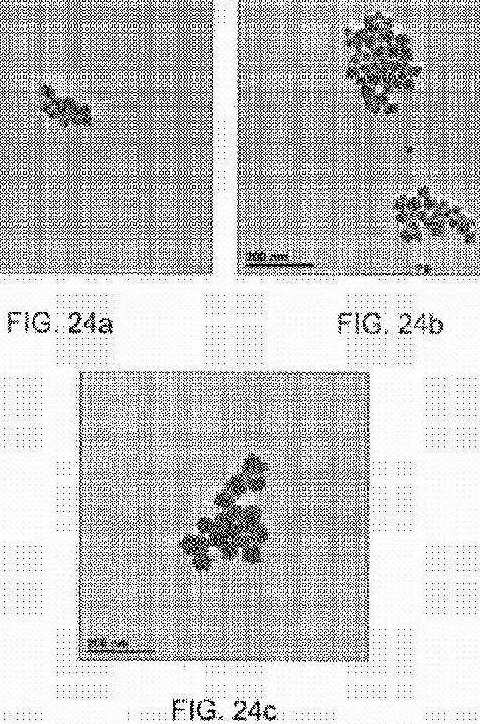
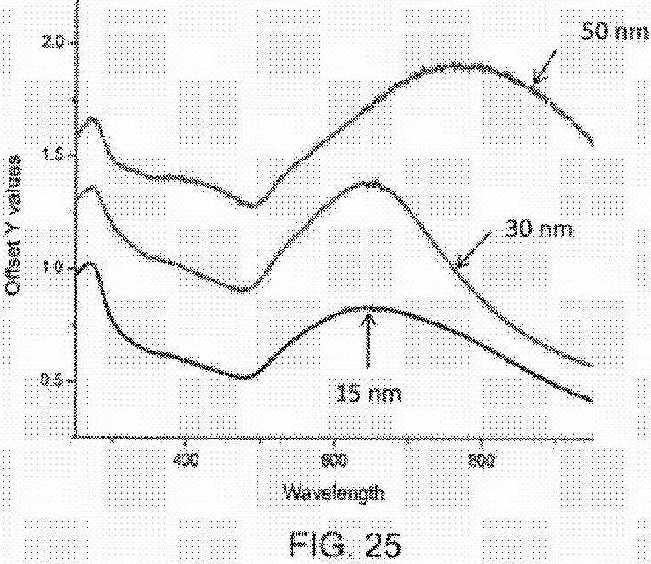
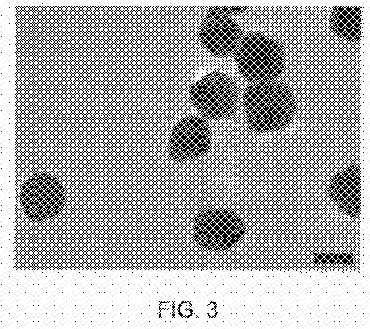
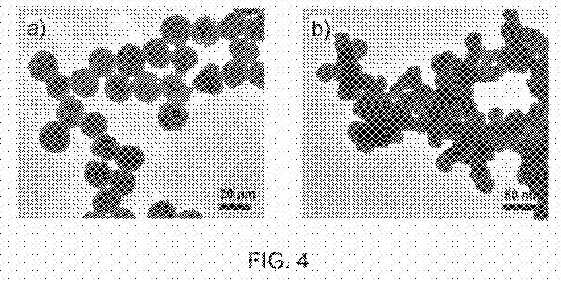
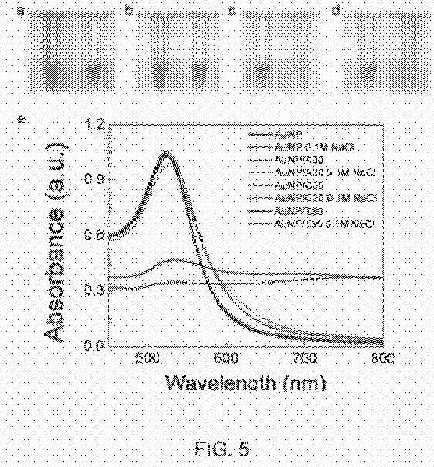
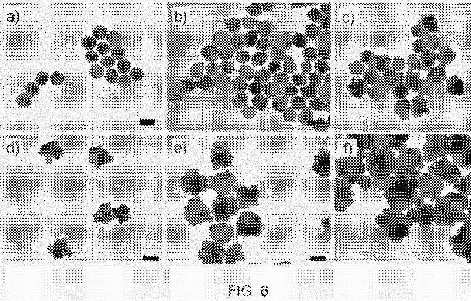
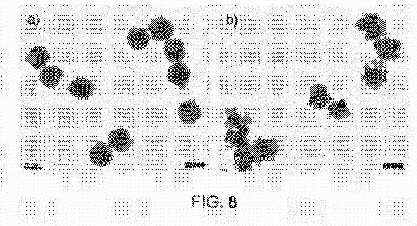
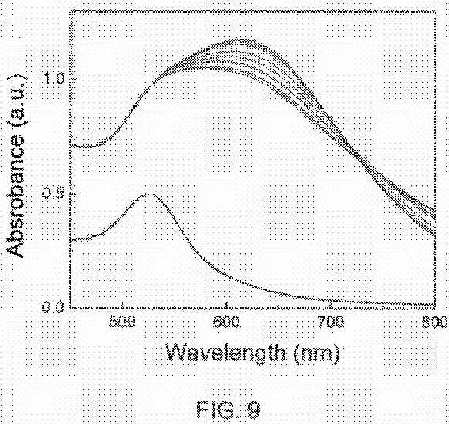
The researchers incubated colloidal gold seeds with defined DNA strands (5-100 nt). After DNA adsorption, a gold-salt solution (e.g., HAuCl_4) was added, allowing gold ions to reduce onto the seeded particles. The DNA sequence determines which crystal faces are capped, steering the deposition pathway. Experiments showed that poly-A produced round particles, poly-T produced star-shaped particles, poly-C produced flat discs, and poly-G produced hexagonal plates. Mixed-base sequences gave intermediate shapes, with A dominating over T. The method is extensible to other metal nanoseeds (silica, metal oxides) and to RNA oligomers.
Principles
- Base-specific adsorption of DNA to gold crystal facets
- Template-directed anisotropic metal growth
- Solution-phase colloidal synthesis
Scientific Domains
Materials
- Gold (Au) nanoseeds
- DNA oligomers (poly-A, poly-T, poly-C, poly-G, mixed sequences)
- Gold salt (e.g., HAuCl_4)
Mechanisms of Action
- DNA oligomers bind to gold nanoseed surfaces via nucleotide-facet interactions
- Bound DNA acts as a capping agent, inhibiting growth on certain faces
- Gold ions from solution deposit preferentially on uncapped faces, shaping the particle
Energy Sources
Applications
- Catalysis
- Chemicalensing
- Imaging
- Biomedical drug delivery
- Therapeutic photothermal treatment
Claimed Performance
Specific DNA sequences reliably produce distinct gold nanoparticle morphologies (e.g., poly-T -> stars, poly-G -> hexagons).
Experimental Evidence
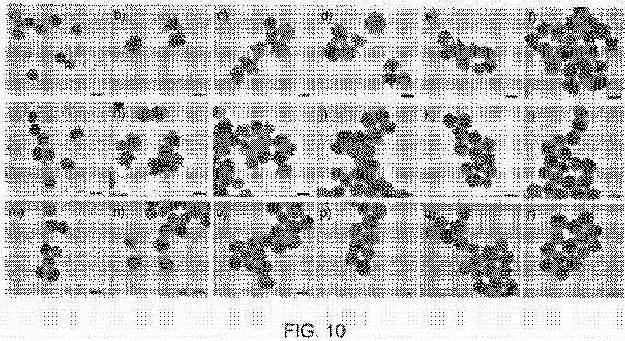
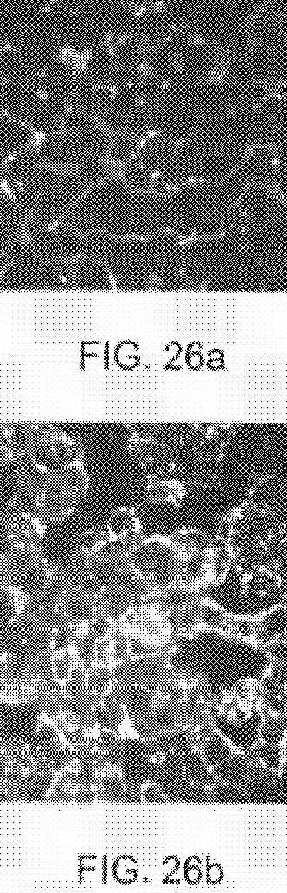
The authors reported that repeating A strands gave round particles, T strands gave stars, C strands gave flat discs, and G strands gave hexagons; mixed sequences yielded intermediate shapes.
Replication Status
Patent filed (US 2012107242); no commercial scaling reported in the article.
Limitations
- Current demonstrations limited to gold; applicability to other metals not yet proven
- Precise control requires well-defined DNA sequences and synthesis conditions
- Scale-up to industrial quantities not demonstrated