Goal
Thin lung secretions and facilitate mucus clearance or induce sputum sample for diagnostic purposes
Problem
Chronic lung congestion, thick mucus, COPD, asthma, bronchitis, pneumonia, emphysema, and other chronic respiratory ailments
Concept Summary
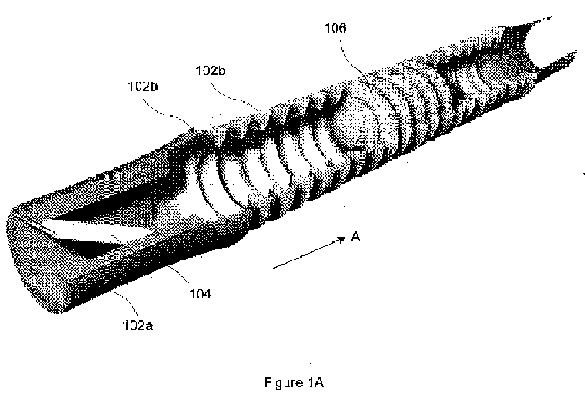
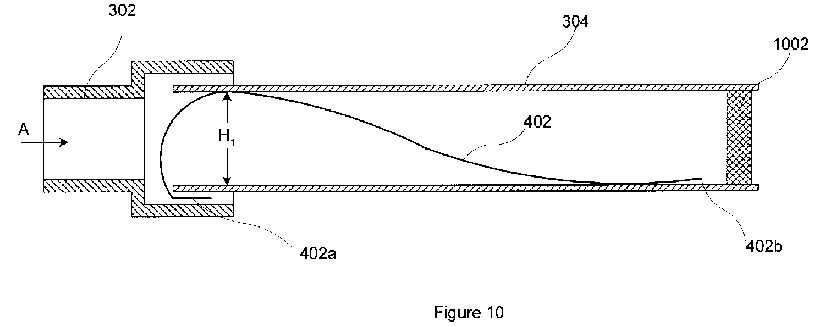
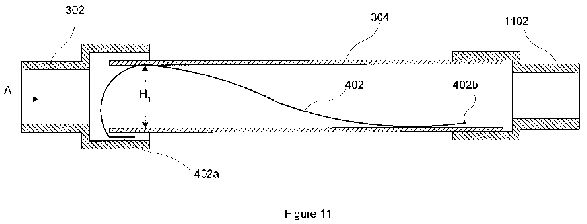
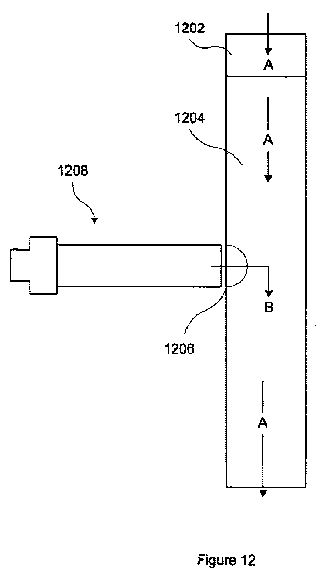
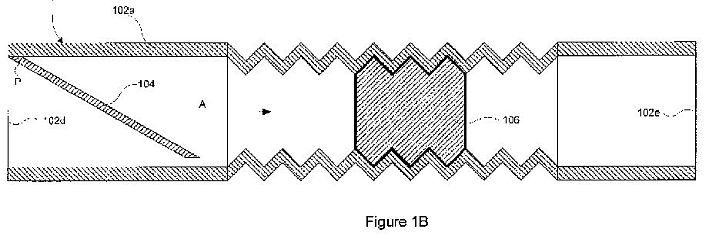
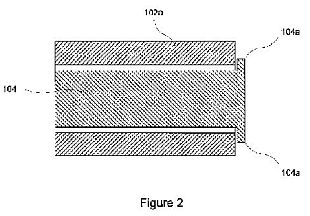
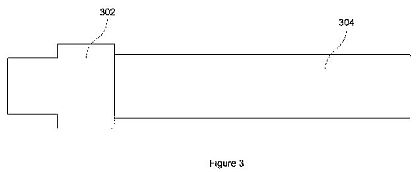
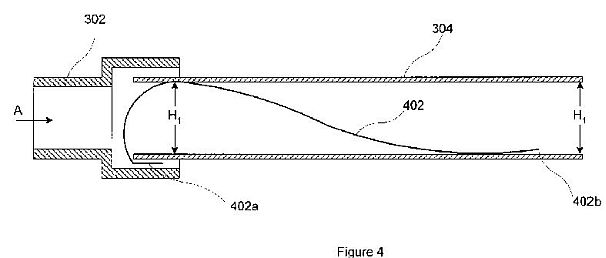
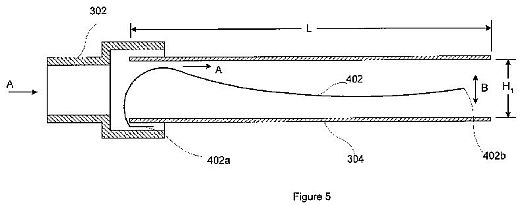
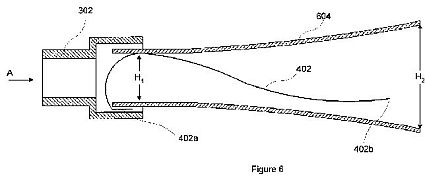
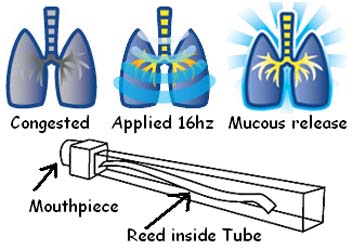
A disposable, unpowered acoustic device that uses a free reed and an acoustical resistance to generate low-frequency (~=12-30 Hz) sound waves when the patient exhales. The acoustic shockwave vibrates the lung cavity, causing a phase change in mucus viscosity and allowing natural ciliary action to clear the airways.
Principles
- low-frequency acoustic resonance
- positive expiratory pressure
- acoustic coupling via acoustical resistance
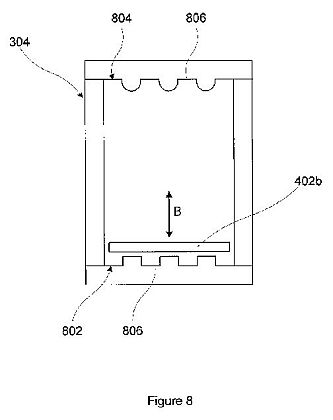
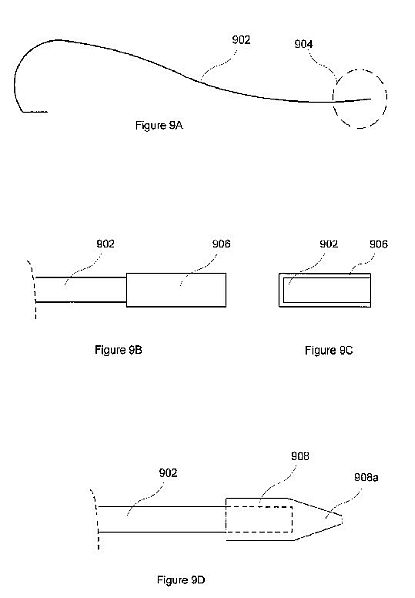
- reed vibration
- sub-harmonic doubling
Scientific Domains
Materials
- plastic
- brass
- Mylar
- tin foil
- foam
- HEPTA filter
Mechanisms of Action
- low-frequency sound waves vibrate lung tissue
- acoustic resonance induces phase change in mucus viscosity
- induced vibrations thin mucus and promote sputum clearance
Energy Sources
Applications
- treatment of COPD, asthma, bronchitis, pneumonia, emphysema
- sputum sample collection for diagnostic purposes
Claimed Performance
Produces sound levels of 10-75 dBa (pressure resistance ~2.5 cm H_2O at 100 Lpm) tuned to 12-30 Hz, effectively thinning mucus for easier clearance.
Experimental Evidence
Clinical tests have proven the Lung Flute's ability to break up mucus in the lungs; the device is FDA-cleared for use in the United States.
Replication Status
FDA cleared; clinical testing performed as described in the patent and product literature.
Limitations
- requires patient effort (blowing) to generate acoustic wave
- effectiveness depends on correct frequency tuning to patient's cilia
- may not reach deep lung regions in all patients
Red Flags
- claims of clinical effectiveness without peer-reviewed trial data