Goal
Generate mechanical, electrical or thermal energy from a purported practically unlimited source without external fuel.
Problem
Dependence on scarce, expensive, and polluting energy sources; complexity and cost of conventional generators; need for small, quiet, domestic power solutions.
Concept Summary
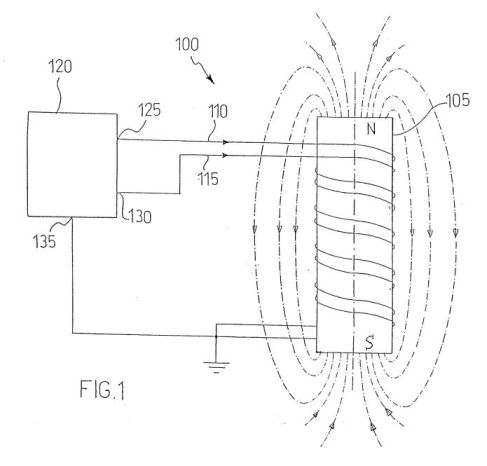
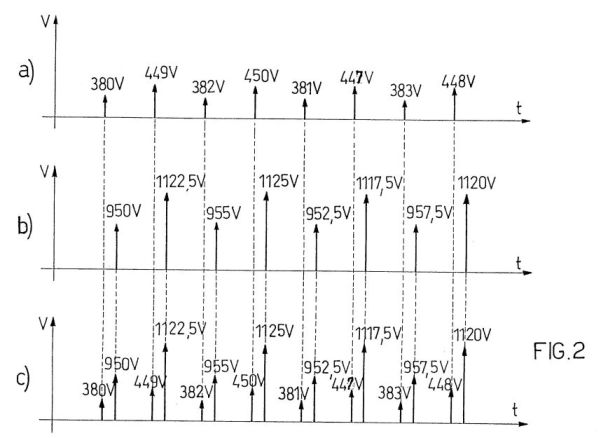
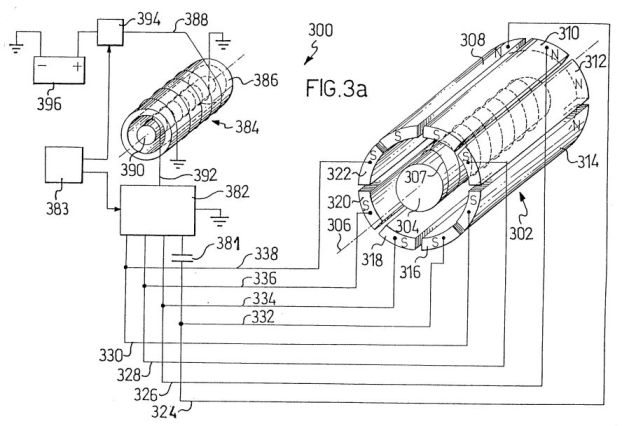
An electromagnetic apparatus that uses a permanent magnet (or electromagnet) and windings in which specially timed high-voltage pulse sequences are applied. The pulses perturb the magnetic field, allegedly amplifying it many thousands of times and producing energy output far greater than the electrical energy used to create the pulses.
Principles
- Electromagnetic induction
- Pulsed magnetic field manipulation
- Magnetic field amplification
- Resonant pulse sequencing
Scientific Domains
Materials
- Iron-cobalt alloy (permanent magnet)
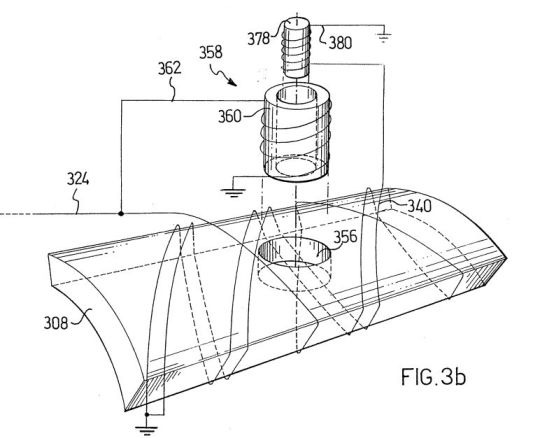
- Copper wire (windings)
- Ferromagnetic material (stator core)
- Insulating material for windings
Mechanisms of Action
- High-voltage pulse sequences are applied to windings placed in a static magnetic field.
- The pulsed currents generate a secondary magnetic field that adds constructively to the static field, increasing total field strength.
- The amplified field induces currents or mechanical motion in attached components, delivering usable energy.
Energy Sources
Applications
- Domestic power generation
- Small-scale mechanical drives
- Heat production
Claimed Performance
Experimental tests are said to show a magnetic field several thousand times stronger than the original magnet and energy output far exceeding the energy consumed by the pulse-generation unit.
Experimental Evidence
Experimental test have shown that the resulting magnetic field has an amplitude far higher (e.g. several thousands times) than the field produced by the magnet 105 and that the energy generated by the electromagnetic device 100 is extremely higher than the energy absorbed by the unit 120 for generating the pulse sequences.
Limitations
- No quantitative performance data provided
- No independent verification or peer-reviewed studies
- Reliance on an undefined "practically unlimited" energy source
Red Flags
- Extraordinary energy-gain claim without independent testing
- Lack of detailed experimental methodology
- Potential classification as a free-energy or over-unity claim